

Can Dogs Eat Almond Milk?
As a dog owner, you’ve likely wondered about sharing some of your favorite beverages with your furry companion. Almond milk has become increasingly popular among health-conscious humans, leading many pet parents to ask: can dogs safely consume almond milk? The short answer is that plain, unsweetened almond milk is generally safe for dogs in small quantities, but there are important considerations you should understand before offering it to your pup.
Understanding what your dog can and cannot eat is crucial for their long-term health and wellbeing. While almond milk isn’t toxic to dogs in most cases, it differs significantly from cow’s milk and other dairy products. Many dogs naturally lose the ability to digest lactose as they age, making non-dairy alternatives potentially easier on their digestive systems. However, almond milk comes with its own set of pros and cons that every responsible dog owner should know about.
This comprehensive guide will explore everything you need to know about feeding almond milk to your canine companion, including potential risks, benefits, and safer alternatives. We’ll also address common questions and provide expert recommendations to help you make informed decisions about your dog’s diet.
Table of Contents
- Nutritional Profile of Almond Milk
- Safety Concerns and Potential Risks
- How Much Almond Milk Can Dogs Have
- Safer Alternatives for Your Dog
- Frequently Asked Questions
Nutritional Profile of Almond Milk
Almond milk is created by blending ground almonds with water and then straining the mixture to remove solids. The resulting beverage contains minimal calories and fat compared to whole milk, making it attractive to calorie-conscious consumers. However, when evaluating whether almond milk is appropriate for dogs, we must examine its nutritional composition carefully.
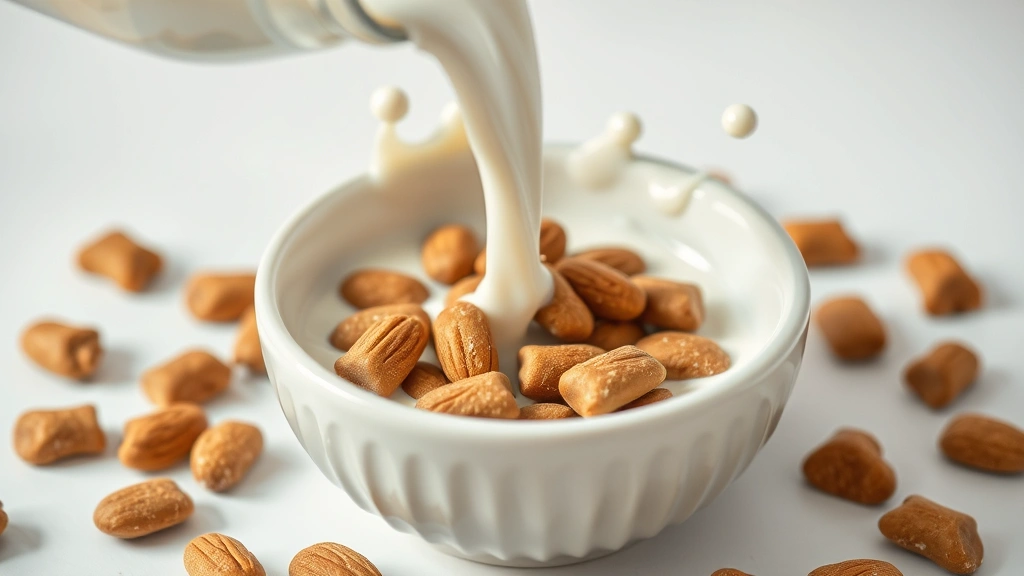
Plain, unsweetened almond milk typically contains approximately 30-40 calories per cup, with minimal protein (around 1 gram) and virtually no fat. For comparison, cow’s milk contains significantly more protein and calories, which are nutrients dogs actually need in their regular diet. The low protein content in almond milk makes it nutritionally inferior to traditional milk products for canine consumption.
One of the primary concerns with commercial almond milk is the added ingredients. Many brands include thickeners, gums, and other additives to improve texture and shelf life. Additionally, some manufacturers add vitamin D and calcium through fortification, which can affect the nutritional balance for your pet. When considering whether to offer almond milk to your dog, choosing unsweetened, additive-free varieties is absolutely essential.
It’s worth noting that while plain almond milk contains no xylitol (an artificial sweetener that is toxic to dogs), many flavored varieties and sweetened options do contain this dangerous ingredient. This is why vigilant label reading is non-negotiable when considering any human food for your canine friend. If you’re interested in learning more about safe liquid options, you might want to explore whether dogs can drink coconut water as an alternative beverage.
Safety Concerns and Potential Risks
While plain almond milk isn’t inherently toxic to dogs, several safety concerns warrant careful consideration before adding it to your pet’s diet. Understanding these potential risks helps you make an informed decision about whether this beverage is appropriate for your specific dog.
The most significant concern involves additives found in commercial almond milk products. Xylitol, an artificial sweetener used in some brands, is extremely toxic to dogs and can cause severe hypoglycemia, liver damage, and even death. Additionally, some products contain thickening agents like guar gum or carrageenan, which may cause digestive upset in sensitive dogs. Always read ingredient labels thoroughly before offering any almond milk to your pet, and when in doubt, consult your veterinarian.
Dogs with certain health conditions may need to avoid almond milk entirely. If your dog has pancreatitis, obesity, or other digestive issues, almond milk may not be appropriate. Additionally, some dogs may develop allergic reactions to almonds, though this is relatively uncommon. Signs of allergic reactions include itching, swelling, vomiting, or diarrhea. Since introducing any new food carries risks, it’s wise to start with very small amounts and monitor your dog closely for adverse reactions.
Gastrointestinal upset is another potential concern. Dogs’ digestive systems are adapted for processing meat and certain plant-based foods, not plant-based milks. While most dogs can tolerate small amounts of plain almond milk, some may experience mild diarrhea or stomach upset. This is particularly true for dogs with sensitive stomachs or those unaccustomed to dairy-free products. Understanding your dog’s individual digestive sensitivities is important before introducing new beverages. You might also want to compare this with information about whether dogs can have milk to understand the differences between dairy and non-dairy options.
How Much Almond Milk Can Dogs Have
If you’ve determined that plain, unsweetened almond milk is appropriate for your dog, understanding proper serving sizes is crucial. Moderation is the key principle when offering any human food or beverage to your canine companion.
For most dogs, a small amount of plain almond milk occasionally is acceptable, but it should never become a regular part of their diet. A reasonable guideline is to offer no more than a few tablespoons as an occasional treat, and only to adult dogs without known health conditions. Puppies and senior dogs may have different nutritional needs and digestive capabilities, so consulting your veterinarian before introducing almond milk to these age groups is especially important.
The size and weight of your dog should influence how much almond milk you offer. A small Chihuahua should receive considerably less than a large Golden Retriever. A practical rule of thumb is to limit almond milk to no more than 10 percent of your dog’s daily caloric intake, and only if you’re offering it as part of a balanced diet that meets all their nutritional requirements.
Always introduce almond milk gradually if your dog has never consumed it before. Start with just one tablespoon mixed with their regular food or offered as a small treat. Monitor your dog for 24-48 hours for any signs of digestive upset, allergic reactions, or behavioral changes. If your dog tolerates it well, you can slightly increase the amount, but remember that almond milk should remain an occasional treat rather than a dietary staple. For other dairy-based options, you might want to check if dogs can have yogurt, which offers more nutritional benefits.

Safer Alternatives for Your Dog
Rather than relying on almond milk as a treat or supplement, several safer and more nutritious alternatives can provide variety in your dog’s diet while supporting their health and wellbeing.
Water remains the gold standard beverage for dogs and should always be freely available. It’s calorie-free, hydrating, and poses no health risks. If you want to offer your dog something more interesting than plain water, bone broth (unsalted and made without onions or garlic) can be an excellent choice that provides both hydration and nutritional benefits. Many dogs find bone broth palatable and it supports joint and digestive health.
For dogs that tolerate dairy, plain Greek yogurt offers significantly more nutritional value than almond milk. Greek yogurt contains protein, probiotics, and calcium, making it a more balanced choice for occasional treats. If you’re interested in this option, learn more about whether dogs can eat Greek yogurt to ensure it’s appropriate for your pet. Similarly, dogs can have whipped cream in very small amounts, though it’s higher in fat and calories than yogurt.
Goat’s milk is another option that some dogs tolerate better than cow’s milk due to its different protein structure. Many veterinarians recommend goat’s milk as a probiotic-rich alternative that supports digestive health. Unlike commercial almond milk, goat’s milk provides actual nutritional value in the form of protein, fat, and beneficial bacteria.
If you want to provide your dog with nut-based treats, dogs can have peanut butter in moderation, though you must ensure it contains no xylitol. Peanut butter offers protein and healthy fats that are beneficial for your dog’s coat and overall health. However, always check labels carefully and offer peanut butter in small amounts due to its caloric density.
Frequently Asked Questions
Is unsweetened almond milk safe for dogs?
Yes, plain unsweetened almond milk is generally safe for most dogs in small quantities. However, it offers minimal nutritional value and should only be offered occasionally. Always ensure the product contains no xylitol, artificial sweeteners, or excessive additives. While it won’t harm most healthy adult dogs, it’s not necessary for their diet and shouldn’t replace their regular food or fresh water.
What happens if my dog drinks sweetened almond milk?
Sweetened almond milk can be problematic for dogs depending on what sweetener is used. If it contains xylitol, even small amounts can cause serious toxicity leading to hypoglycemia, liver damage, and potentially death. Other sweeteners may cause digestive upset or contribute to obesity. If your dog accidentally consumes sweetened almond milk, contact your veterinarian immediately, especially if xylitol is listed in the ingredients.
Can puppies have almond milk?
Puppies should not be given almond milk. Young puppies have developing digestive systems and specific nutritional requirements that almond milk cannot meet. Puppies need mother’s milk or specially formulated puppy formula during early stages, and later require high-quality puppy food designed for their growth and development. Introducing unnecessary foods like almond milk could disrupt their digestive health and nutrition.
Does almond milk contain xylitol?
Most plain, unsweetened almond milk does not contain xylitol, but many sweetened varieties do. This is why reading ingredient labels is absolutely critical. Xylitol is sometimes listed as “sugar alcohol” or “xylitol” specifically. When in doubt, avoid the product entirely. The safest approach is to purchase only unsweetened almond milk from reputable brands if you decide to offer it to your dog.
Is almond milk better for dogs than regular milk?
Neither almond milk nor regular milk is ideal for adult dogs, though they differ in their effects. Regular cow’s milk contains lactose, which many adult dogs cannot digest properly, potentially causing diarrhea or upset stomach. Almond milk avoids the lactose issue but provides almost no nutritional value. For most dogs, neither option is necessary, and water remains the best beverage choice.
Can dogs with lactose intolerance drink almond milk?
Yes, dogs with lactose intolerance can safely consume plain unsweetened almond milk since it contains no lactose. However, since almond milk offers minimal nutritional benefits, there’s no particular reason to offer it to lactose-intolerant dogs. Water or lactose-free alternatives like goat’s milk would be better choices. If your dog is lactose intolerant, consult your veterinarian about the best dietary options for your specific pet.
What should I do if my dog drinks almond milk?
If your dog consumed a small amount of plain unsweetened almond milk, there’s typically no cause for concern. Monitor your dog for signs of digestive upset like vomiting, diarrhea, or abdominal discomfort. If your dog consumed sweetened almond milk or any product containing xylitol, contact your veterinarian or animal poison control immediately. For any unusual symptoms or if your dog has underlying health conditions, it’s always best to consult with a veterinary professional.
Expert Recommendations and Conclusion
Based on veterinary expertise and nutritional science, almond milk is not recommended as a regular part of your dog’s diet. While plain, unsweetened almond milk won’t harm most healthy dogs in small quantities, it provides no significant nutritional benefit and introduces unnecessary risks. According to the American Kennel Club, dogs don’t need milk or milk alternatives beyond puppyhood, and their nutritional needs are best met through high-quality dog food.
The American Veterinary Medical Association emphasizes the importance of carefully reading labels on any human foods offered to dogs, particularly regarding artificial sweeteners and additives. This guidance is especially relevant when considering almond milk, as many commercial products contain ingredients that could harm your pet.
If you’re looking to provide your dog with treats or beverage options, focus on choices that offer genuine nutritional value. Water should always be the primary beverage, supplemented with veterinarian-approved options like bone broth or goat’s milk. For more information on specific foods and beverages, consult resources like PetMD or speak directly with your veterinarian about your dog’s individual dietary needs.
Remember that every dog is unique, and what works for one dog may not be suitable for another. Factors like age, size, health status, and individual sensitivities all play roles in determining appropriate dietary choices. When in doubt, your veterinarian is always the best resource for personalized guidance about your dog’s nutrition and health. By making informed decisions about what you feed your dog, you’re investing in their long-term health and happiness.





