
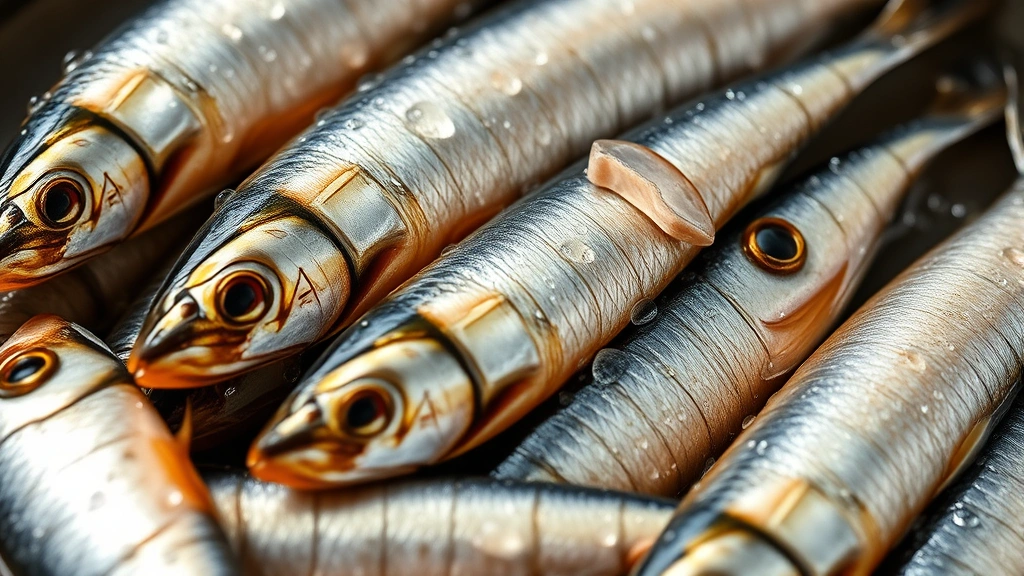
Can Dogs Eat Canned Sardines?
Canned sardines are a nutritious human food that many pet owners wonder about sharing with their canine companions. These small, oily fish are packed with omega-3 fatty acids, protein, and essential vitamins that can benefit dogs when offered appropriately. Understanding whether canned sardines are safe for dogs and how to serve them properly is crucial for responsible pet ownership. Many veterinarians recognize fish as a valuable addition to a dog’s diet, though certain precautions must be taken when choosing canned varieties.
As a dog owner, you want to provide your furry friend with the best nutrition possible while avoiding harmful foods. The question of canned sardines specifically requires careful consideration, as the canning process and added ingredients can significantly impact their safety for canine consumption. This comprehensive guide will explore everything you need to know about feeding canned sardines to your dog, including the health benefits, potential risks, proper serving sizes, and expert recommendations.
Whether you’re looking to enhance your dog’s diet with omega-3s or simply curious about expanding their food options, this article provides evidence-based information to help you make informed decisions about your pet’s nutrition.
Table of Contents
- Nutritional Benefits of Canned Sardines for Dogs
- Safety Considerations and Potential Risks
- Types of Canned Sardines: Which Are Best?
- Proper Serving Guidelines and Portion Sizes
- How to Prepare Canned Sardines for Your Dog
- Healthy Alternatives to Canned Sardines
- Frequently Asked Questions

Nutritional Benefits of Canned Sardines for Dogs
Canned sardines offer numerous nutritional advantages for dogs when served appropriately. These small fish are exceptionally rich in omega-3 fatty acids, which play a vital role in maintaining healthy skin and coat condition. The high protein content in sardines supports muscle development and maintenance, making them particularly beneficial for active dogs or aging canines that need extra nutritional support.
One of the most significant benefits of sardines is their vitamin D content, which aids in calcium absorption and bone health. Additionally, sardines contain selenium, a trace mineral with antioxidant properties that supports immune function. According to veterinary nutritionists, can dogs eat fish is an important question to understand, as fish provides bioavailable nutrients that dogs can readily utilize. The selenium and other minerals found in sardines can contribute to overall wellness when incorporated into a balanced diet.
Vitamin B12, another crucial nutrient found in sardines, supports neurological function and energy metabolism in dogs. These nutritional components work synergistically to promote skin elasticity, reduce inflammation, and support cardiovascular health. For dogs with dry, itchy skin or inflammatory conditions, the omega-3 content in sardines can provide noticeable improvements when added to their regular diet in appropriate amounts.
Safety Considerations and Potential Risks
While canned sardines offer health benefits, several safety concerns warrant careful attention before introducing them to your dog’s diet. The primary concern with canned sardines is their sodium content, which is often significantly higher than fresh sardines due to the preservation process. Excessive sodium intake can lead to increased thirst, altered electrolyte balance, and potentially contribute to hypertension in dogs, particularly those with pre-existing health conditions.
Another important consideration involves the bones found in many canned sardine products. While sardine bones are generally soft and safe for dogs to consume, some dogs may have difficulty digesting them or could experience gastrointestinal upset. Pet owners should always check the product label to determine whether bones are present and consider removing them if their dog has a sensitive digestive system. Similar concerns apply to other canned fish products; for instance, can dogs eat canned tuna also raises questions about sodium and bone content.
Mercury content is another consideration, though sardines generally contain lower mercury levels compared to larger predatory fish. Some canned sardines are packed in oils high in fat, which could contribute to pancreatitis in susceptible dogs or obesity if overfed. Additionally, can dogs have tuna highlights similar concerns about choosing appropriate fish products for canine consumption. Always consult your veterinarian before introducing new foods, especially if your dog has existing health conditions.
Allergic reactions, while uncommon, can occur in some dogs sensitive to fish. Signs of an allergic response may include itching, vomiting, diarrhea, or respiratory symptoms. It’s essential to introduce canned sardines gradually and monitor your dog for any adverse reactions during the initial exposure period.

Types of Canned Sardines: Which Are Best?
Not all canned sardines are created equal, and choosing the right product is essential for your dog’s health. The best option for dogs is canned sardines packed in water with minimal added salt, as this reduces sodium intake while maintaining nutritional benefits. Some products are packed in olive oil or other oils, which can be acceptable in moderation but may contribute excess calories if given too frequently.
Avoid canned sardines packed in soy sauce, mustard sauce, or other heavily seasoned preparations, as these can contain ingredients harmful to dogs, including garlic and excessive salt. Additionally, sardines packed in sunflower oil or other vegetable oils are generally safer than those in certain fish oils that may have undergone oxidation processes. Reading ingredient labels carefully is crucial to ensure you’re selecting a product appropriate for canine consumption.
When comparing options, look for products with no added sugar, minimal preservatives, and ideally no artificial colors or flavors. Some premium pet food companies produce sardines specifically formulated for dogs, though these tend to be more expensive than human-grade canned sardines. For owners interested in comparable fish options, can dogs eat sardines provides additional guidance on selecting quality products and understanding the differences between fresh and canned varieties.
Proper Serving Guidelines and Portion Sizes
The appropriate serving size of canned sardines depends on your dog’s age, weight, and overall health status. As a general guideline, sardines should constitute no more than 5-10% of your dog’s daily caloric intake, treating them as an occasional supplement rather than a dietary staple. For most small dogs, one or two sardines per week provides adequate nutritional benefit without overwhelming their digestive system.
Medium-sized dogs can typically handle two to four sardines per week, while large breeds may tolerate slightly more. It’s crucial to account for the sardines’ calories when calculating your dog’s total daily intake to prevent unintended weight gain. If your dog is overweight or prone to digestive upset, start with even smaller portions and gradually increase as tolerated.
Senior dogs and those with existing health conditions should consume sardines less frequently and in smaller amounts. Dogs with kidney disease, heart conditions, or hypertension should have their sardine intake carefully monitored due to sodium concerns. Puppies can enjoy sardines occasionally, though their developing systems may be more sensitive to dietary changes, so introduction should be particularly gradual.
For dogs interested in fish alternatives, understanding can dogs eat salmon skin offers another perspective on incorporating fish into your dog’s diet with proper portion control and preparation methods.
How to Prepare Canned Sardines for Your Dog
Proper preparation of canned sardines ensures maximum safety and nutritional benefit for your canine companion. The first step involves rinsing the sardines thoroughly under cool water to remove excess sodium from the canning liquid. This simple step can significantly reduce sodium intake while maintaining the nutritional value of the fish itself.
After rinsing, you should drain the sardines completely and remove any visible bones if your dog has a sensitive stomach or difficulty chewing. While the bones in canned sardines are generally safe due to their soft nature, removing them can prevent potential digestive issues. For dogs prone to gulping food without proper chewing, breaking sardines into smaller, manageable pieces can reduce choking hazards.
You can serve prepared sardines in several ways: mixed into your dog’s regular kibble for enhanced nutrition, served as an occasional standalone treat, or combined with other dog-safe foods like plain rice or vegetables. Some owners freeze sardines in ice cube trays with water to create refreshing summer treats for their dogs. Avoid heating sardines in the microwave, as this can create hot spots and damage heat-sensitive nutrients.
If your dog shows interest in other fish products, learning about can dogs eat mackerel provides comparable preparation and serving information for alternative fish options.
Healthy Alternatives to Canned Sardines
While canned sardines offer nutritional benefits, several alternative foods can provide similar omega-3 fatty acids and protein for dogs. Fresh sardines, when properly prepared and deboned, offer superior nutritional value compared to canned varieties without the added sodium concern. Many veterinarians recommend fresh fish as the preferred option when available and affordable.
Other excellent fish alternatives include salmon, mackerel, and herring, each offering unique nutritional profiles and omega-3 content. These alternatives can be served fresh, frozen, or in some cases, canned with low sodium options available. For dogs allergic to fish or whose owners prefer non-fish options, flaxseeds and fish oil supplements can provide alternative omega-3 sources, though these require different conversion processes in the dog’s body.
Eggs represent another excellent source of protein and omega-3s, offering a terrestrial alternative to fish-based options. Chicken, turkey, and beef can provide substantial protein, though they lack the specific omega-3 content found in fish. Some commercial dog foods specifically formulated with fish as a primary ingredient can provide consistent nutrition without the concerns associated with canned products.
For those considering other seafood options, can dogs eat anchovies explores another small fish alternative with similar nutritional benefits and preparation considerations to sardines.
Frequently Asked Questions
Are canned sardines safe for dogs to eat daily?
Canned sardines should not be fed daily due to their high sodium content and the potential for nutritional imbalance. Most veterinarians recommend limiting canned sardines to once or twice weekly as an occasional treat or supplement. Daily consumption could lead to excessive sodium intake, which may contribute to health problems over time, particularly in senior dogs or those with pre-existing conditions. If you want to provide fish regularly, fresh options or specialized fish supplements designed for dogs would be more appropriate choices.
Can puppies eat canned sardines?
Puppies can eat canned sardines in very small quantities, but introduction should be cautious and gradual. Their developing digestive systems are more sensitive to dietary changes, and excessive fish can lead to digestive upset. Start with a tiny piece mixed into their regular food and observe for any adverse reactions. For puppies, fresh or frozen sardines rinsed thoroughly to remove salt would be preferable to canned options. Consult your veterinarian before introducing any new foods to your puppy’s diet.
What should I do if my dog accidentally eats a whole can of sardines?
If your dog consumes an entire can of sardines, don’t panic immediately, but monitor them closely for signs of distress. Watch for vomiting, diarrhea, excessive thirst, or lethargy over the next 24 hours. The high sodium content may cause temporary gastrointestinal upset or increased water intake. Ensure your dog has access to fresh water to help flush excess sodium from their system. If your dog exhibits severe symptoms or has pre-existing health conditions, contact your veterinarian promptly for guidance and potential intervention.
Is the oil in canned sardines bad for dogs?
The type of oil matters significantly when considering canned sardines for dogs. Sardines packed in water are ideal, while those in olive oil are generally acceptable in moderation. However, sardines packed in heavy oils or those that have oxidized can contribute excessive calories and potentially cause digestive upset. Always rinse canned sardines to remove excess oil and liquid, especially if your dog is prone to pancreatitis or obesity. Reading product labels carefully helps you select options with healthier oil content or water-based packing.
Can dogs with fish allergies eat canned sardines?
Dogs with confirmed fish allergies should absolutely avoid canned sardines and all fish products. Fish allergies in dogs can manifest as itching, skin infections, vomiting, or diarrhea. If your dog has been diagnosed with a fish allergy, discuss alternative sources of omega-3 fatty acids with your veterinarian, such as flaxseed, fish oil supplements derived through special processing, or algae-based supplements. Always inform your vet about any known allergies before introducing new foods.
How do canned sardines compare nutritionally to fresh sardines?
Fresh sardines contain higher levels of heat-sensitive nutrients and lack the added sodium found in canned varieties. However, canned sardines retain most protein, minerals, and some omega-3 fatty acids despite the canning process. The main difference lies in sodium content and convenience. Fresh sardines provide superior nutritional value but require proper handling and storage. For most dog owners, thoroughly rinsed canned sardines offer a convenient, affordable alternative that provides meaningful nutritional benefits when served appropriately and infrequently.
What are the signs my dog has eaten too many sardines?
Excessive sardine consumption can manifest in several ways. Gastrointestinal symptoms include vomiting, diarrhea, constipation, or loss of appetite. Dogs may exhibit increased thirst and frequent urination due to high sodium content. Some dogs develop greasy, foul-smelling stools or experience pancreatitis symptoms like lethargy and abdominal pain. Skin issues, including increased itching or ear infections, can occur from omega-3 imbalance. If you notice any of these symptoms, contact your veterinarian and mention recent sardine consumption to help guide their diagnostic approach.





