

Can Dogs Eat Scrambled Eggs?
As a dog owner, you’ve likely wondered whether it’s safe to share your breakfast with your furry companion. Scrambled eggs are a popular human food, and many pet parents want to know if they can offer this protein-rich treat to their dogs. The good news is that yes, dogs can safely eat scrambled eggs in moderation, and they can actually provide some excellent nutritional benefits. However, there are important considerations about preparation, portion sizes, and individual dog health factors that every responsible pet owner should understand before adding eggs to their dog’s diet.
Understanding what foods are safe for our canine companions is crucial for their long-term health and wellbeing. While eggs are generally a nutritious addition to a dog’s diet, the way you prepare them matters significantly. Plain, cooked scrambled eggs without added ingredients are the safest option for your dog. In this comprehensive guide, we’ll explore everything you need to know about feeding scrambled eggs to your dog, including nutritional benefits, potential risks, proper serving sizes, and alternative protein options that can support your dog’s overall health.
Whether you’re looking to add variety to your dog’s meals or simply want to share a special treat, understanding the ins and outs of egg consumption for dogs will help you make informed decisions about your pet’s nutrition. Let’s dive into what veterinarians and pet nutrition experts recommend regarding this common breakfast food.
Table of Contents
- Nutritional Benefits of Scrambled Eggs for Dogs
- Safety Considerations and Risks
- How to Prepare Scrambled Eggs for Dogs
- Proper Portion Sizes
- Dogs with Specific Health Conditions
- Alternative Protein Sources
- Frequently Asked Questions
Nutritional Benefits of Scrambled Eggs for Dogs
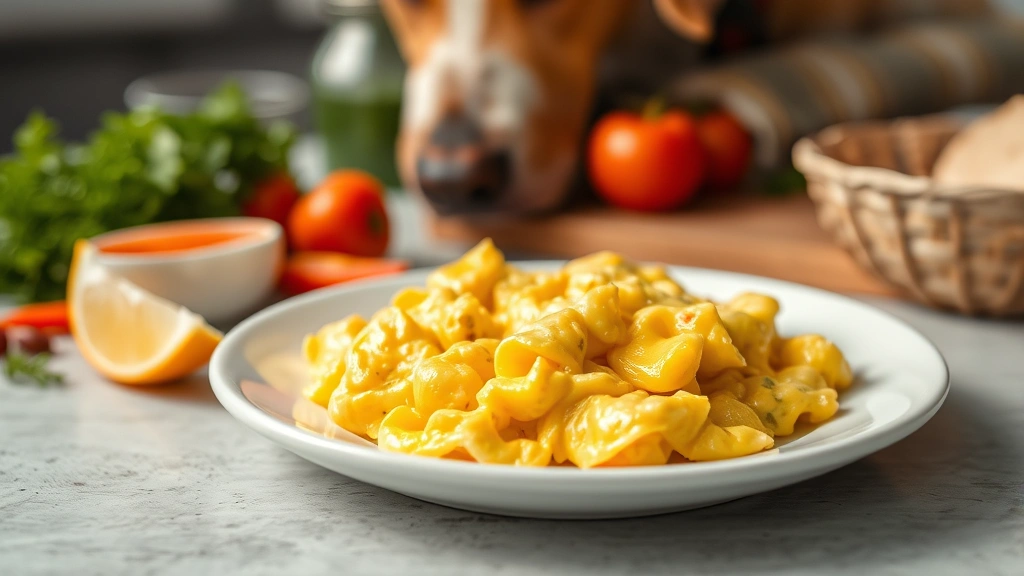
Scrambled eggs are packed with essential nutrients that can support your dog’s overall health. Eggs are an excellent source of high-quality protein, which is vital for maintaining strong muscles, supporting immune function, and facilitating numerous metabolic processes. According to the American Kennel Club’s expert advice on nutrition, eggs contain all the essential amino acids your dog needs.
Beyond protein, eggs are rich in several important nutrients. They contain choline, which supports brain health and cognitive function in dogs, particularly as they age. Eggs also provide selenium, an important antioxidant that helps protect your dog’s cells from damage. The yolk contains lutein and zeaxanthin, compounds that promote eye health and may help reduce the risk of age-related vision problems. Additionally, eggs contain B vitamins, including riboflavin and pantothenic acid, which are crucial for energy metabolism and maintaining healthy skin and coat.
When you’re considering can dogs have eggs as part of their regular diet, it’s important to recognize that the nutritional profile is remarkably balanced. The fat content in eggs, particularly the omega-3 fatty acids, contributes to a healthy, shiny coat and can help reduce inflammation in the body. This makes scrambled eggs an excellent occasional treat for dogs of all ages, from puppies to senior dogs.
Safety Considerations and Risks
While scrambled eggs are generally safe for most dogs, there are several important safety considerations to keep in mind. The primary concern with scrambled eggs is typically the preparation method and added ingredients rather than the eggs themselves. Many people cook scrambled eggs with butter, oil, salt, and other seasonings that can be harmful to dogs when consumed in excess.
Salt is a particular concern when feeding scrambled eggs to dogs. While small amounts of salt are necessary for your dog’s health, excessive sodium intake can lead to serious health problems, including high blood pressure and kidney issues. Therefore, scrambled eggs should always be prepared without added salt or seasoning. Similarly, garlic and onion, which are sometimes added to scrambled eggs for human consumption, are toxic to dogs and should never be included in your dog’s portion.
The American Veterinary Medical Association provides resources on eggs and pets, emphasizing the importance of proper preparation. Some dogs may also have individual sensitivities to eggs, though allergies are relatively uncommon. If your dog has a history of food allergies or digestive sensitivities, introduce scrambled eggs gradually and monitor for any adverse reactions such as vomiting, diarrhea, or itching.
Raw eggs present additional concerns due to the potential presence of bacteria such as Salmonella, which can affect both dogs and humans. Always cook eggs thoroughly before offering them to your dog. Additionally, if you’re wondering about can dogs eat egg shells, the answer is generally no – while the shell isn’t toxic, it poses a choking hazard and offers little nutritional value.
How to Prepare Scrambled Eggs for Dogs
Preparing scrambled eggs for your dog is straightforward and requires minimal effort. The key is to keep the preparation simple and avoid any ingredients that could be harmful to your canine companion. Here’s the proper way to prepare scrambled eggs for your dog:
- Use minimal cooking fat: Cook the eggs with just a small amount of butter or oil, or use a non-stick pan that requires little to no fat. Excessive fat can lead to pancreatitis in dogs.
- Cook thoroughly: Ensure the eggs are fully cooked and no raw or runny portions remain. This eliminates any risk of bacterial contamination.
- Skip all seasonings: Do not add salt, pepper, garlic, onion, or any other spices to the eggs intended for your dog.
- Cool before serving: Allow the scrambled eggs to cool to room temperature before offering them to your dog to prevent mouth burns.
- Serve plain: Do not mix scrambled eggs with other foods unless specifically directed by your veterinarian.
Many dog owners wonder if they can add other ingredients to make the eggs more interesting for their dog. While plain scrambled eggs are best, you can occasionally mix in small amounts of dog-safe foods like plain cooked vegetables or unseasoned cooked chicken. However, if you’re looking to add variety to your dog’s diet with other protein sources, you might also consider can dogs have bacon – though bacon should be given only rarely due to its high fat and salt content.
Proper Portion Sizes
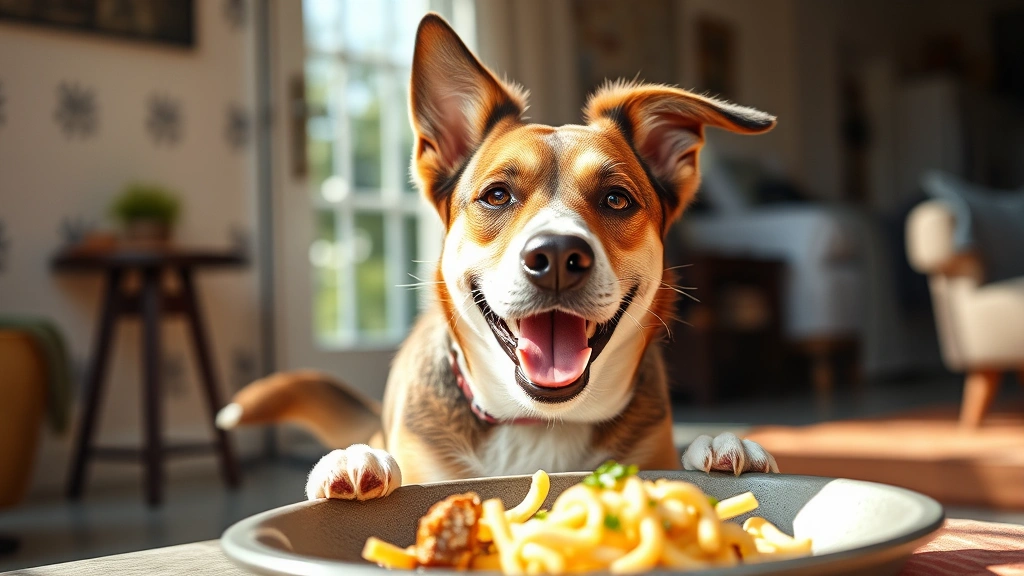
Determining the right portion size of scrambled eggs for your dog depends on several factors, including your dog’s size, age, activity level, and overall dietary needs. As a general guideline, eggs should make up no more than 10 percent of your dog’s daily caloric intake, with the remaining 90 percent coming from their regular, balanced dog food.
For small dogs weighing 10-20 pounds, one small scrambled egg (cooked with minimal fat) a few times per week is an appropriate portion. Medium-sized dogs weighing 20-50 pounds can safely consume one to two scrambled eggs a few times per week. Larger dogs weighing more than 50 pounds may tolerate up to two scrambled eggs a few times per week. However, these are general guidelines, and individual dogs may have different needs.
The PetMD article on whether dogs can eat eggs emphasizes that moderation is key when introducing any new food to your dog’s diet. Puppies should receive smaller portions than adult dogs, and senior dogs may benefit from smaller, more easily digestible portions. Always account for the calories in scrambled eggs when calculating your dog’s daily caloric intake to prevent overfeeding and weight gain.
If you’re already supplementing your dog’s diet with other protein-rich treats like can dogs have cheese, be mindful of the total treat intake. Treats, including scrambled eggs, should not exceed 10 percent of your dog’s daily calories to ensure they still receive adequate nutrition from their primary dog food.
Dogs with Specific Health Conditions
While scrambled eggs are safe for most healthy dogs, certain health conditions warrant special consideration before adding eggs to your dog’s diet. Dogs with pancreatitis should avoid eggs due to their fat content, which can trigger painful inflammation of the pancreas. If your dog has a history of pancreatitis, consult your veterinarian before offering any eggs.
Dogs with liver disease may need to limit their protein intake, and eggs are high in protein. Similarly, dogs with kidney disease may require dietary restrictions, including protein limitations, depending on the severity of their condition. Always consult with your veterinarian before introducing new foods to your dog’s diet, especially if your dog has been diagnosed with any chronic health condition.
For dogs with food allergies or sensitivities, eggs might trigger adverse reactions. Some dogs are allergic to eggs, though this is less common than allergies to chicken, beef, or dairy products. If your dog has a known egg allergy, you should avoid scrambled eggs entirely. Additionally, dogs prone to digestive upset may experience temporary diarrhea or constipation when first introduced to eggs, so introduce them gradually and in small quantities.
Dogs with diabetes should have their scrambled egg consumption monitored by their veterinarian, as the fat content can affect blood sugar regulation. Additionally, if your dog is on a specific prescription diet for any health condition, check with your vet before adding scrambled eggs or any other new foods to ensure it won’t interfere with their treatment plan.
Alternative Protein Sources
While scrambled eggs are an excellent protein source, there are many other nutritious options you can offer your dog for variety and additional nutritional benefits. Plain cooked chicken is one of the most popular alternatives, offering lean protein and being well-tolerated by most dogs. Turkey is another excellent option that’s similarly nutritious and generally well-received by canine companions.
Lean beef, when cooked without seasonings, provides high-quality protein and important minerals like iron and zinc. Fish such as salmon and sardines offer protein along with omega-3 fatty acids, which support heart and brain health. Sweet potatoes provide complex carbohydrates and fiber, making them an excellent supplement to protein sources.
If you’re looking for dairy alternatives to complement protein sources, can dogs eat greek yogurt is another question many pet owners ask. Greek yogurt can be a healthy treat when plain and unsweetened, offering probiotics and protein.
According to The Spruce Pets’ comprehensive guide on eggs for dogs, rotating between different protein sources ensures your dog receives a variety of nutrients and prevents potential dietary monotony. Always introduce new foods gradually and monitor your dog’s response before making them a regular part of their diet.
When incorporating new protein sources, remember that they should still maintain the 10 percent treat rule – no more than 10 percent of your dog’s daily caloric intake should come from treats and supplementary foods. The remaining 90 percent should come from a complete and balanced commercial dog food or a veterinarian-approved homemade diet that meets all of your dog’s nutritional requirements.
Frequently Asked Questions
Can puppies eat scrambled eggs?
Yes, puppies can eat scrambled eggs, and they can be an excellent source of protein for growing dogs. However, puppies should receive smaller portions than adult dogs, typically just a small bite or quarter of a scrambled egg occasionally. Always ensure the eggs are fully cooked and prepared without any seasonings or added fats. Introduce scrambled eggs gradually to puppies to ensure they tolerate them well, and consult your veterinarian before adding any new foods to your puppy’s diet, as they have specific nutritional requirements during their growth phase.
Are there any benefits to feeding raw eggs instead of cooked eggs?
No, raw eggs should never be fed to dogs. While some people promote the raw food diet for dogs, raw eggs pose serious health risks. They can contain harmful bacteria such as Salmonella and E. coli, which can cause serious infections in both dogs and humans. Cooking eggs kills these pathogens and makes them safe for consumption. Additionally, raw eggs contain avidin, an enzyme that can interfere with thiamine (vitamin B1) absorption. Always cook eggs thoroughly before offering them to your dog.
How often can I give my dog scrambled eggs?
Scrambled eggs can be offered to your dog a few times per week as part of a balanced diet. However, frequency may vary based on your dog’s individual needs, size, and overall diet. The key is moderation – scrambled eggs should not exceed 10 percent of your dog’s daily caloric intake. If your dog is already receiving other treats or supplements, reduce the frequency of scrambled egg treats accordingly. Always monitor your dog’s weight and overall health, and adjust treat frequency as needed in consultation with your veterinarian.
Can I add vegetables to my dog’s scrambled eggs?
You can add small amounts of dog-safe vegetables to scrambled eggs, such as plain cooked carrots, green beans, or peas. However, keep additions minimal and unseasoned. Avoid adding onions, garlic, or other toxic vegetables. Stick to plain vegetables without oils, butter, or seasonings. If you’re unsure whether a specific vegetable is safe for dogs, check with your veterinarian first. Remember that adding vegetables increases the caloric content of the treat, so account for this when calculating your dog’s daily caloric intake.
What should I do if my dog has an allergic reaction to scrambled eggs?
If your dog shows signs of an allergic reaction after eating scrambled eggs – such as vomiting, diarrhea, excessive itching, hives, or facial swelling – discontinue feeding eggs immediately and contact your veterinarian. In cases of severe reactions like difficulty breathing or loss of consciousness, seek emergency veterinary care right away. Your veterinarian can perform allergy testing and recommend appropriate dietary modifications. For future reference, keep a record of any foods that cause reactions so you can avoid them and inform your vet of your dog’s allergies.
Is can dogs eat scrambled eggs different from plain boiled eggs?
Scrambled and boiled eggs are both safe for dogs when prepared properly. The main difference is preparation method – boiled eggs require no cooking fat, making them slightly lower in calories, while scrambled eggs are cooked with some fat. Both provide excellent nutritional benefits. The advantage of scrambled eggs is that the cooking process breaks down the eggs, making them potentially easier to digest. Boiled eggs are easier to portion into smaller pieces. Either option is fine; choose based on your preference and your dog’s digestive tolerance.
Can senior dogs eat scrambled eggs?
Yes, senior dogs can eat scrambled eggs and may benefit from the protein and nutrients they provide. Senior dogs often benefit from high-quality protein to maintain muscle mass and support joint health. However, older dogs may have specific health conditions that warrant veterinary consultation before dietary changes. According to Wag Walking’s resource on dogs eating eggs, portion sizes may need to be adjusted for senior dogs, and digestive tolerance should be monitored. Serve scrambled eggs in smaller portions and ensure they’re prepared simply without any added ingredients that could irritate an older dog’s digestive system.





