

Can Dogs Eat Jerky?
As a pet owner, you’ve likely wondered whether it’s safe to share your favorite snacks with your furry companion. Jerky—whether beef, chicken, or turkey—is a popular human treat enjoyed by millions worldwide. But when those adorable puppy eyes look up at you while you’re enjoying a piece, the question becomes urgent: can dogs actually eat jerky? The answer isn’t as straightforward as a simple yes or no, and understanding the nuances is crucial for keeping your dog safe and healthy.
The relationship between dogs and processed meats is complicated. While dogs are carnivores and naturally drawn to meat products, not all meat preparations are suitable for canine consumption. Jerky, in particular, presents several potential health concerns that every dog owner should understand before offering it to their pet. This comprehensive guide will explore the safety considerations, potential risks, and better alternatives for treating your beloved dog.
Whether you’re a first-time dog owner or an experienced pet parent, understanding what your dog can and cannot eat is fundamental to their long-term health and happiness. Let’s dive deep into the world of jerky and canine nutrition.
Table of Contents
Understanding Jerky and Its Ingredients
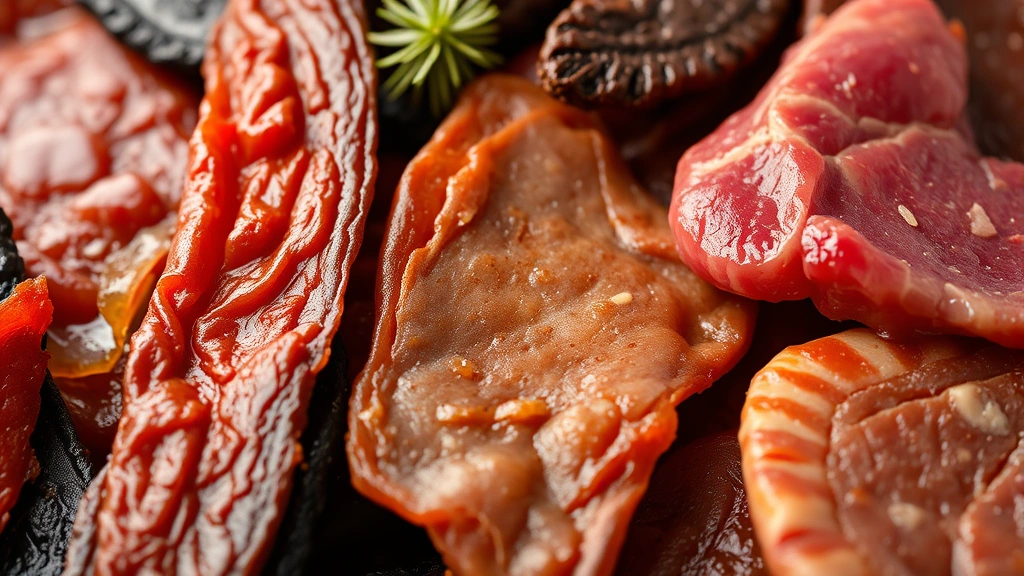
Jerky is made through a dehydration process that removes moisture from meat, creating a shelf-stable product that concentrates flavors and nutrients. However, this same process also concentrates potentially harmful substances. Commercial jerky typically contains several ingredients beyond just meat, including salt, spices, smoke flavoring, and various preservatives.
The basic jerky-making process involves marinating meat in a mixture of salt, sugar, and spices, then slowly drying it at low temperatures. While this makes jerky appealing to humans, these added ingredients are where problems arise for dogs. The high sodium content alone can be problematic, and certain spices used in jerky are potentially toxic to canines. When considering whether to share jerky with your dog, you must evaluate the complete ingredient list, not just the meat content.
Understanding that jerky isn’t simply dried meat is essential for making informed decisions about your dog’s diet. Many owners assume that if something is made from meat, it must be safe for their dogs, but this assumption overlooks the crucial role that processing, seasoning, and preservation methods play in determining whether a food is appropriate for canine consumption.
Main Safety Concerns for Dogs
The primary concern with jerky for dogs is sodium content. A typical serving of beef jerky contains approximately 400-500 mg of sodium, which is extremely high for dogs. The recommended daily sodium intake for a 50-pound dog is around 100-200 mg, meaning even a small piece of jerky can exceed safe daily limits. Excessive sodium intake can lead to dehydration, electrolyte imbalances, and increased blood pressure in dogs.
Garlic and onion, common jerky seasonings, are toxic to dogs and can damage their red blood cells, leading to hemolytic anemia. Additionally, many commercial jerky products contain preservatives like sodium nitrate or sodium nitrite, which may pose health risks with regular consumption. Some jerky is also seasoned with black pepper, cayenne, or other spices that can irritate a dog’s digestive system. If you’re concerned about other processed meats, you might want to review whether can dogs eat bacon, as similar concerns apply.
The risk profile becomes even more complicated when considering that some jerky products may contain artificial preservatives, smoke flavoring compounds, and other additives that haven’t been specifically tested for safety in dogs. This uncertainty alone should give pet owners pause when considering offering jerky to their canine companions.

Different Types of Jerky and Dogs
Not all jerky is created equal, and different types present varying levels of risk to dogs. Beef jerky is the most commonly consumed type, followed by turkey jerky and chicken jerky. Each type has slightly different processing methods and seasoning profiles that affect their safety for canine consumption.
Beef jerky, being the most heavily seasoned variety, typically poses the greatest risk due to higher sodium and spice content. Turkey and chicken jerky may seem like better options because poultry tends to be milder, but these products still contain problematic levels of sodium and often include similar preservatives and seasonings. Like considering whether can dogs eat chicken bones, the form and preparation method matters significantly for poultry products.
Homemade jerky presents a different scenario. If you make jerky specifically for your dog without added salt, spices, or preservatives, it could theoretically be safer than commercial varieties. However, even homemade jerky requires careful preparation to ensure it’s truly appropriate for your dog’s dietary needs. The dehydration process concentrates all components of the meat, including any bacteria that might be present, so proper food safety practices are essential.
Some specialty jerky products marketed as “dog-safe” or “pet-friendly” do exist, and these have been formulated with canine safety in mind. These products typically contain significantly reduced sodium levels and avoid harmful spices. If you absolutely want to give your dog jerky, these specialized products are a safer choice than standard human jerky.
Potential Health Risks
The health risks associated with jerky consumption in dogs vary depending on the amount consumed and the individual dog’s health status. Short-term risks include gastrointestinal upset, vomiting, diarrhea, and excessive thirst. Dogs who consume jerky may experience pancreatitis, an inflammation of the pancreas triggered by high-fat, high-sodium foods.
For senior dogs or those with pre-existing health conditions, jerky poses even greater risks. Dogs with heart disease are particularly vulnerable to sodium’s effects on blood pressure and fluid retention. Similarly, dogs with kidney disease struggle to process and eliminate excess sodium, leading to accumulation and potential organ damage. Dogs with diabetes may be affected by the sugar content in some jerky products, which can spike blood glucose levels.
Choking and intestinal blockage represent another risk category, particularly if your dog swallows large pieces without adequate chewing. The tough, chewy texture of jerky requires significant mastication, and some dogs may attempt to swallow pieces whole. This is especially concerning for small breeds or dogs with a history of eating too quickly.
Long-term consumption of jerky can contribute to obesity, as the caloric density of jerky is extremely high. A single ounce of jerky contains approximately 80-100 calories, and for a small dog, this could represent 10-20% of their daily caloric needs. Over time, regular jerky consumption contributes to weight gain and associated health problems including joint stress, diabetes, and heart disease.
Safe Alternatives and Treats
Rather than offering your dog jerky, numerous safe and nutritious alternatives can satisfy their cravings for savory, chewy treats. Plain, unseasoned, dehydrated meat treats specifically formulated for dogs are excellent options. These products contain no added salt, spices, or preservatives, making them far safer than commercial jerky.
Carrots, sweet potatoes, and apples (without seeds) provide natural, low-calorie chewing opportunities that also benefit your dog’s dental health. Many dogs enjoy the texture and satisfy their chewing instincts with these vegetable-based treats. For dogs that enjoy meaty flavors, bone broth (unsalted and without onion or garlic) can be offered as an occasional treat, either frozen in ice cube trays or as a broth topping for regular meals.
If you’re interested in processed meat treats for your dog, consider whether can dogs eat salami or similar cured meats, though these carry similar risks to jerky. Commercial dog treats from reputable manufacturers are formulated to meet AAFCO (Association of American Feed Control Officials) standards and are specifically designed for canine nutrition and safety.
Peanut butter (xylitol-free), plain cooked chicken breast, and low-sodium beef or chicken broth are other excellent treat options. These alternatives provide the satisfaction your dog seeks without the health risks associated with jerky. The key is selecting treats that align with your dog’s dietary needs and your veterinarian’s recommendations.
For dogs that love crunchy snacks, can dogs eat pretzels is another question many owners ask, though unsalted pretzels in moderation are better than regular salted varieties. Always prioritize treats specifically formulated for dogs over human snacks.
What to Do If Your Dog Eats Jerky
If your dog has consumed jerky, the appropriate response depends on several factors including the amount consumed, your dog’s size and health status, and the type of jerky involved. A single small piece of jerky is unlikely to cause serious harm, though it may cause minor gastrointestinal upset. However, consumption of larger quantities warrants more serious attention.
First, monitor your dog closely for signs of distress including vomiting, diarrhea, excessive drooling, lethargy, or difficulty breathing. These symptoms may indicate an adverse reaction. Contact your veterinarian or animal poison control center if your dog consumed a significant amount or if you notice any concerning symptoms. Have information about the jerky ingredients readily available when you call.
Do not induce vomiting unless specifically instructed by your veterinarian, as some jerky ingredients may cause additional damage if regurgitated. Your veterinarian may recommend bringing your dog in for evaluation, particularly if the jerky contained garlic, onions, or if your dog has underlying health conditions.
Prevention is always preferable to emergency response. Store jerky in secure locations where your dog cannot access it, and educate family members and guests about what foods are unsafe for your dog. Clear communication about your dog’s dietary restrictions helps prevent accidental poisoning.
Frequently Asked Questions
Is beef jerky toxic to dogs?
Beef jerky isn’t immediately toxic, but it’s unsafe for regular consumption due to high sodium, spices, and preservatives. The garlic and onion powders often found in beef jerky seasoning can damage dogs’ red blood cells over time. While a single small piece is unlikely to cause serious harm, beef jerky shouldn’t be considered an appropriate treat for dogs.
Can dogs eat homemade jerky?
Homemade jerky made without salt, spices, garlic, onion, or preservatives is theoretically safer than commercial varieties. However, the dehydration process concentrates all meat components, and proper food safety is essential. If you make jerky for your dog, use fresh, high-quality meat and follow strict sanitation protocols. Even homemade jerky should only be offered occasionally in small amounts.
What about dog-specific jerky treats?
Dog-specific jerky treats formulated by reputable pet companies are significantly safer than human jerky because they’re made with canine nutritional needs in mind. These products have reduced sodium levels, avoid harmful spices, and comply with pet food safety standards. If you want to give your dog jerky-style treats, these specialized products are the better choice.
How much jerky can a dog safely eat?
The safest answer is that dogs shouldn’t regularly eat jerky. If your dog has accidentally consumed a small piece, it’s unlikely to cause serious harm. However, jerky shouldn’t be a regular part of your dog’s diet. If you choose to offer jerky occasionally, limit it to tiny pieces representing no more than 5% of your dog’s daily caloric intake, and only if your veterinarian approves.
Are there jerky products that are safe for dogs?
Yes, some pet-specific jerky products are formulated for dogs with appropriate sodium levels and without harmful ingredients. Additionally, plain dehydrated meat treats without added seasonings are safe alternatives. Always read ingredient labels carefully and consult your veterinarian if you’re unsure about a specific product. Related to this consideration, can dogs have bacon follows similar guidelines—moderation and no added seasonings are key.
What symptoms indicate jerky poisoning in dogs?
Symptoms of adverse reactions to jerky include vomiting, diarrhea, excessive thirst, lethargy, loss of appetite, abdominal pain, rapid breathing, or pale gums. These symptoms can indicate sodium toxicity, pancreatitis, or toxic reaction to seasonings like garlic or onion. Contact your veterinarian immediately if your dog displays any of these signs after jerky consumption.
Can puppies eat jerky?
Puppies should not eat jerky. Young dogs have developing digestive and immune systems that are even more vulnerable to the high sodium, spices, and preservatives in jerky. Additionally, puppies are more prone to choking on tough foods. Stick to age-appropriate, nutritionally complete puppy food and treats formulated specifically for growing dogs.
For additional perspective on processed meat safety for dogs, you might also consider whether can dogs have pretzels or other common snacks. Similarly, understanding toxins like why cant dogs have chocolate helps you make comprehensive dietary decisions for your pet’s safety.





