
Can Dogs Have Crunchy Peanut Butter?
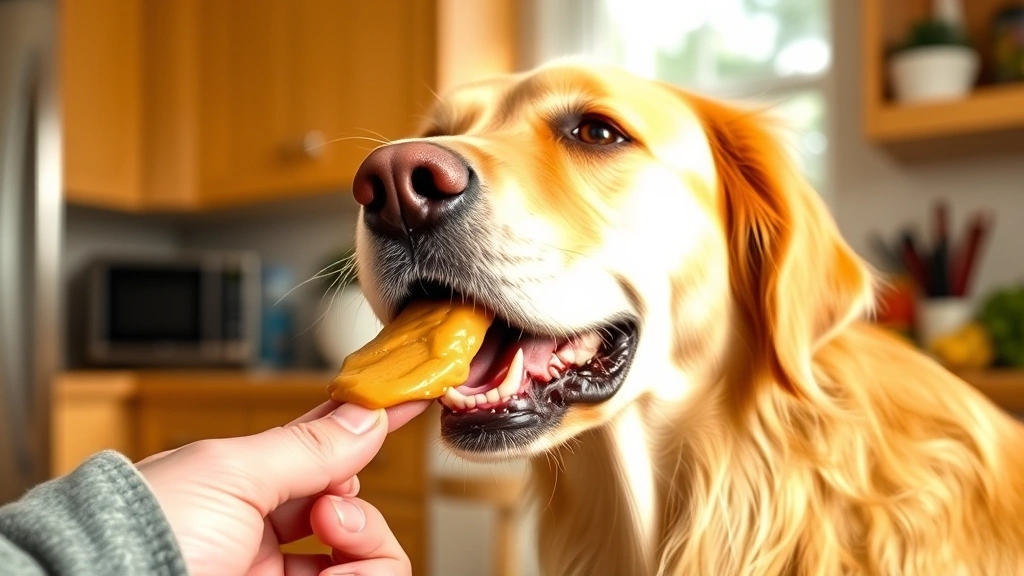
Peanut butter is one of the most beloved treats that dog owners want to share with their furry companions. The creamy or crunchy spread that humans enjoy on toast, in smoothies, or straight from the jar often catches the attention of curious canines. But when your dog gives you those irresistible puppy-dog eyes while you’re enjoying your peanut butter snack, you might wonder: is it actually safe for them? The short answer is yes, most dogs can have peanut butter, but there are important considerations you need to understand before offering it to your pet.
Crunchy peanut butter specifically presents unique considerations that differ from its creamy counterpart. The texture, ingredients, and potential hazards require careful evaluation by responsible pet owners. Understanding what makes crunchy peanut butter safe or unsafe for dogs will help you make informed decisions about your dog’s diet and treats. This comprehensive guide will explore everything you need to know about giving your dog crunchy peanut butter, including nutritional benefits, potential risks, and safer alternatives.
As a dog trainer and veterinary specialist, I’ve encountered countless questions from concerned pet parents about human foods and their canine companions. The topic of can dogs have peanut butter comes up frequently in my practice, and it’s crucial to provide accurate, evidence-based information to keep our beloved pets healthy and safe.
Table of Contents
- Is Crunchy Peanut Butter Safe for Dogs?
- Nutritional Benefits of Peanut Butter for Dogs
- Choking Hazards and Texture Concerns
- The Xylitol Danger
- Proper Portion Control and Serving Guidelines
- Safe Ways to Serve Crunchy Peanut Butter
- Signs Your Dog May Have a Problem
- Healthier Treat Alternatives
- Frequently Asked Questions
Is Crunchy Peanut Butter Safe for Dogs?
The straightforward answer is: yes, crunchy peanut butter can be safe for most dogs when given appropriately and in moderation. However, this comes with several important caveats. Plain, unsalted, and xylitol-free crunchy peanut butter is generally considered safe for healthy adult dogs. The peanuts themselves are not toxic to dogs, and many veterinarians acknowledge that peanut butter can be a useful training tool and occasional treat.
According to the AKC’s expert advice on peanut butter, most peanut butter products are safe for dogs when they don’t contain xylitol or excessive salt. The key is understanding what you’re feeding and how much. Can dogs eat peanut butter is a question with a nuanced answer that depends on the specific product and the individual dog’s health status.
Puppies, senior dogs, and dogs with certain health conditions may require extra caution. Overweight dogs or those prone to pancreatitis should have very limited peanut butter intake due to its high fat content. Additionally, dogs with allergies or sensitive digestive systems might experience adverse reactions even to plain peanut butter. Consulting with your veterinarian before introducing crunchy peanut butter to your dog’s diet is always the best approach.
Nutritional Benefits of Peanut Butter for Dogs
When given in appropriate amounts, peanut butter does offer some nutritional value to dogs. It contains protein, healthy fats, vitamins, and minerals that can be beneficial for your pet’s overall health. Peanuts are rich in omega-3 and omega-6 fatty acids, which support skin and coat health in dogs. These essential fatty acids contribute to a shiny, healthy-looking coat and can help reduce inflammation in joints.
Peanut butter also contains vitamin E, which acts as an antioxidant in your dog’s body, supporting immune function and protecting cells from damage. The protein content in peanut butter can be particularly useful for dogs that need extra protein in their diet, though it should never replace a complete and balanced dog food. Can dogs have bacon and similar protein-rich treats are often compared to peanut butter when considering protein supplementation.
B vitamins found in peanut butter, including niacin and folate, support energy metabolism and cognitive function. Magnesium and potassium in peanut butter contribute to bone health and muscle function. However, it’s important to remember that these nutrients should come primarily from your dog’s complete diet, not from treats like peanut butter, which should comprise no more than 10% of your dog’s daily caloric intake.
Choking Hazards and Texture Concerns
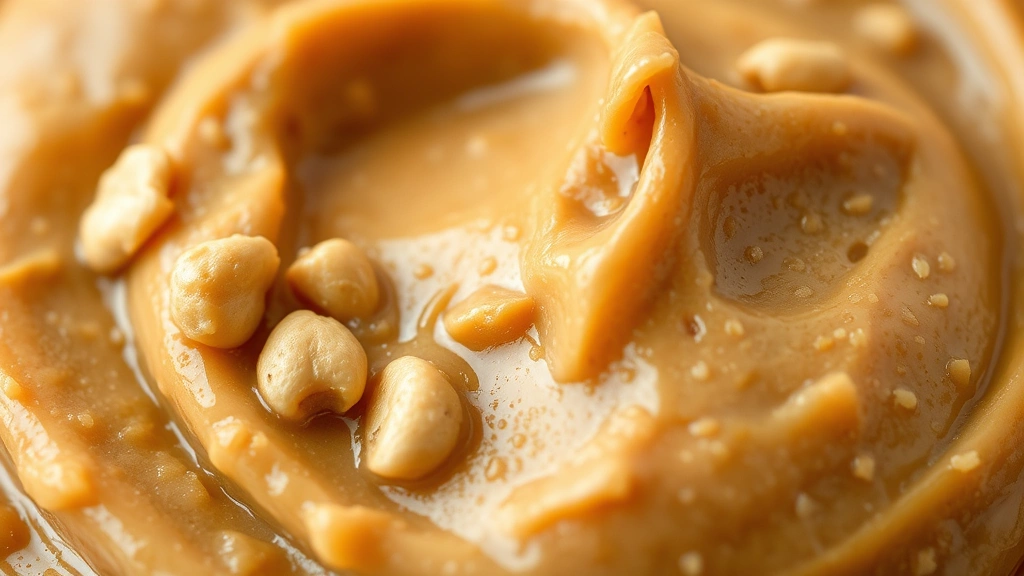
The crunchy texture of peanut butter is where specific concerns arise that differ from creamy varieties. The individual peanut pieces in crunchy peanut butter present a choking hazard, particularly for certain dogs. Small breeds, puppies, senior dogs with dental issues, and enthusiastic eaters are especially at risk. While peanuts themselves are relatively small, some dogs don’t chew their treats thoroughly and attempt to swallow large amounts whole.
Dogs with a tendency to gulp their food without chewing should never receive crunchy peanut butter. Brachycephalic breeds (flat-faced dogs like Bulldogs and Pugs) with already compromised airways face additional risk when given crunchy treats. Large dogs that eat quickly might also struggle with the texture and pieces. The risk of choking or partial airway obstruction increases significantly with crunchy varieties compared to smooth peanut butter.
Additionally, the pieces in crunchy peanut butter can become lodged between teeth or in the back of the mouth, potentially causing discomfort or requiring veterinary intervention. Dogs with existing dental disease or missing teeth may have difficulty managing the chunky texture. If you have any doubt about your dog’s ability to safely handle crunchy peanut butter, err on the side of caution and choose creamy alternatives or avoid peanut butter altogether.
The Xylitol Danger
Perhaps the most critical concern when considering peanut butter for dogs is the presence of xylitol, a sugar substitute used in many commercial peanut butter products. Xylitol is extremely toxic to dogs and can cause severe, life-threatening consequences even in small amounts. This artificial sweetener triggers a rapid release of insulin in dogs’ bodies, leading to dangerously low blood sugar levels (hypoglycemia) within 10-60 minutes of ingestion.
According to AVMA resources on peanut butter problems, xylitol poisoning can cause seizures, loss of consciousness, and death if not treated immediately. Additionally, xylitol can cause liver damage and failure, which may develop over days or weeks following ingestion. Even “natural” or “sugar-free” peanut butter products are suspect and require careful label checking.
Before giving any peanut butter to your dog, read the ingredient label carefully. If xylitol is listed anywhere on the label, do not give it to your dog under any circumstances. Some peanut butter brands specifically market their products as xylitol-free and dog-safe, making these safer choices. When in doubt, call your veterinarian or the manufacturer to confirm the product’s ingredients. This single precaution could literally save your dog’s life.
Proper Portion Control and Serving Guidelines
If you’ve determined that your dog can safely have crunchy peanut butter, portion control becomes your next critical consideration. The general rule of thumb is that treats should comprise no more than 10% of your dog’s daily caloric intake. For a typical medium-sized dog consuming 1,500 calories per day, this means treats should account for approximately 150 calories or less.
One tablespoon of peanut butter contains roughly 95 calories and 8 grams of fat. For small dogs weighing 10-20 pounds, a half tablespoon (about one teaspoon) of peanut butter once or twice per week is appropriate. Medium dogs weighing 30-50 pounds can handle up to one tablespoon occasionally, while larger dogs might tolerate one and a half tablespoons on occasion. However, these are maximum amounts and should not be given daily.
The high fat content in peanut butter makes it problematic for dogs prone to weight gain, digestive issues, or pancreatitis. Dogs with a history of pancreatitis should avoid peanut butter entirely, as the fat content can trigger acute flare-ups. Overweight dogs or those with a tendency toward obesity should receive peanut butter very sparingly if at all. Can dogs eat scrambled eggs might be a better protein option for these dogs, as eggs offer protein with less fat than peanut butter.
Safe Ways to Serve Crunchy Peanut Butter
If you decide that crunchy peanut butter is appropriate for your dog, there are safer ways to serve it that minimize risks. Never give peanut butter directly from the spoon or jar, as your dog may attempt to swallow it in large quantities, which can cause choking or gagging. Instead, use peanut butter as a training treat by placing very small amounts on a spoon or your finger and allowing your dog to lick it slowly.
One popular safe method is freezing peanut butter in ice cube trays or Kong toys designed for this purpose. When frozen, peanut butter becomes harder and less likely to be swallowed whole, encouraging your dog to lick and chew slowly. This also makes the treat last longer, providing extended mental stimulation and enjoyment. Frozen peanut butter is particularly beneficial for dogs who tend to gulp their food, as the frozen consistency forces them to slow down.
Mix a small amount of crunchy peanut butter into your dog’s regular food rather than serving it as a standalone treat. This distributes the peanut butter throughout the meal and reduces the concentration, making it safer and less likely to cause choking. You can also mix peanut butter with other dog-safe foods like plain pumpkin or mashed banana to dilute it further and add nutritional variety.
Another option is to use peanut butter in puzzle toys or treat-dispensing toys that slow down consumption and provide mental stimulation. These interactive feeders turn treat time into an engaging activity that keeps your dog’s mind occupied while they work to extract the peanut butter. Can dogs eat pretzels can be used similarly in puzzle toys, offering another alternative for enrichment activities.
Signs Your Dog May Have a Problem
After giving your dog crunchy peanut butter, watch carefully for any signs of adverse reactions or complications. Choking is an obvious emergency sign characterized by gagging, coughing, excessive drooling, difficulty breathing, or pawing at the mouth. If you suspect your dog is choking, seek emergency veterinary care immediately. Heimlich maneuvers for dogs exist, but professional help is always preferable.
Gastrointestinal upset is another common concern after consuming peanut butter. Signs include vomiting, diarrhea, constipation, loss of appetite, or abdominal pain and distension. These symptoms might develop within hours or over several days, depending on your dog’s sensitivity. If your dog experiences any gastrointestinal issues after consuming peanut butter, avoid giving it again and consult your veterinarian if symptoms persist.
Pancreatitis is a serious concern in dogs consuming high-fat foods. Symptoms include vomiting, diarrhea, abdominal pain, lethargy, loss of appetite, and fever. This condition requires immediate veterinary attention. Allergic reactions, though uncommon with peanut butter, can manifest as itching, hives, swelling of the face or throat, or difficulty breathing. If your dog shows any signs of an allergic reaction, seek emergency veterinary care.
If your dog has ingested peanut butter containing xylitol, watch for signs of hypoglycemia including weakness, tremors, seizures, loss of consciousness, or unusual behavior. These can develop within minutes to an hour of ingestion. If you suspect xylitol poisoning, this is a veterinary emergency requiring immediate treatment. Call your veterinarian or poison control center immediately.
Healthier Treat Alternatives
If you’re concerned about the risks associated with crunchy peanut butter, numerous safer alternatives can provide similar satisfaction and nutrition. Plain, unsalted pumpkin is an excellent treat that’s low in calories, high in fiber, and generally well-tolerated by most dogs. Apple slices (without seeds) provide a refreshing, low-calorie treat rich in fiber and vitamin C. Carrots are crunchy, low-calorie, and actually help clean dogs’ teeth naturally.
Plain cooked chicken is an excellent protein-rich treat that most dogs find irresistible and offers no concerning ingredients. Can dogs have bacon is another option for occasional treats, though it’s similarly high in fat and should be given rarely and in small amounts. Sweet potato is nutrient-dense and provides a satisfying texture while being generally safe for most dogs.
Frozen banana slices make refreshing treats, especially on hot days, and provide potassium and vitamin B6. Plain yogurt (unsweetened and without xylitol) offers probiotics and calcium, though some dogs may be lactose intolerant. Green beans are low-calorie and nutrient-rich, perfect for dogs on weight management programs. Watermelon without seeds provides hydration and natural sweetness with minimal calories.
Commercial dog treats specifically formulated for canine nutrition are always safer choices than human foods. Look for treats with minimal ingredients, no artificial additives, and no xylitol. Can dogs have pretzels should be avoided due to salt content, making dog-specific treats preferable. Always consult your veterinarian about appropriate treats for your individual dog’s health status and dietary needs.
Frequently Asked Questions
Can puppies have crunchy peanut butter?
Puppies should avoid crunchy peanut butter entirely. Their developing digestive systems are sensitive, and the choking hazard is substantially higher for young dogs. Additionally, puppies have different nutritional needs than adult dogs, and peanut butter doesn’t fit into a balanced puppy diet. Wait until your dog is a healthy adult before considering peanut butter, and then only in very limited amounts.
Is creamy peanut butter safer than crunchy for dogs?
Yes, creamy peanut butter is generally considered safer than crunchy varieties for dogs. The smooth texture eliminates choking hazards from individual peanut pieces and allows for better control of portions. However, creamy peanut butter still carries the xylitol risk and high fat content concerns. Always check labels regardless of the peanut butter consistency, and WebMD’s information on peanut butter for dogs emphasizes the importance of ingredient verification.
How do I know if peanut butter contains xylitol?
The only reliable way to determine if peanut butter contains xylitol is to carefully read the ingredient label. Xylitol should be listed explicitly if present. If you’re unsure, contact the manufacturer directly to confirm. Some brands specifically advertise their products as “xylitol-free” and “dog-safe,” making these clearly safer choices. When shopping, look for products with a short, recognizable ingredient list containing only peanuts and perhaps salt.
Can dogs with pancreatitis have peanut butter?
No, dogs with pancreatitis should not have peanut butter under any circumstances. The high fat content in peanut butter can trigger acute pancreatitis attacks, causing severe pain, vomiting, and potentially life-threatening complications. Dogs with a history of pancreatitis require a strictly controlled, low-fat diet. Consult your veterinarian about appropriate treats and foods for a dog with pancreatitis.
Is natural peanut butter safer for dogs than regular peanut butter?
Not necessarily. “Natural” peanut butter can still contain xylitol or excessive salt, so the label must be carefully reviewed. Some natural peanut butter brands contain added oils or sweeteners that may be harmful to dogs. The safest option is peanut butter with the shortest ingredient list containing only peanuts and possibly salt. The Humane Society provides guidance on selecting appropriate peanut butter for dogs.
What should I do if my dog accidentally eats crunchy peanut butter with xylitol?
This is an emergency situation requiring immediate veterinary attention. Do not wait for symptoms to develop. Call your veterinarian or an emergency veterinary clinic immediately, even if it’s after hours or on a weekend. Provide information about the quantity ingested if possible. Xylitol poisoning requires aggressive treatment to manage blood sugar levels and prevent liver damage. Quick action can be the difference between life and death.
Can I give my senior dog crunchy peanut butter?
Senior dogs should generally avoid crunchy peanut butter. Age-related dental problems make it difficult for older dogs to chew properly, increasing choking and obstruction risks. Senior dogs often have more health conditions, including pancreatitis, digestive issues, and obesity, making them less tolerant of high-fat treats. If you want to give your senior dog peanut butter, choose creamy varieties and consult your veterinarian about appropriate portions and frequency.





