

Can Dogs Have Crunchy Peanut Butter?
Peanut butter is one of the most beloved treats for dog owners to share with their furry companions. The creamy, nutty flavor seems irresistible to most dogs, and watching your pup enjoy a dollop of peanut butter can be an endearing moment. However, many pet owners wonder about the safety of different peanut butter varieties, particularly crunchy peanut butter. The question of whether dogs can have crunchy peanut butter is more nuanced than a simple yes or no answer, and understanding the differences between varieties, potential risks, and safe serving practices is essential for responsible pet ownership.
Before offering any peanut butter to your dog, it’s important to understand what makes certain types safer than others. While plain peanut butter is generally considered safe for dogs in moderation, the texture and ingredients in crunchy varieties present unique considerations. This comprehensive guide will help you navigate the world of peanut butter for dogs and make informed decisions about what treats are appropriate for your canine companion.
As with any human food you’re considering for your dog, consulting with your veterinarian is always the best first step. Every dog has unique dietary needs and health considerations that may affect whether crunchy peanut butter is appropriate for them specifically.
Table of Contents
- Peanut Butter Basics for Dogs
- Crunchy vs. Creamy: Key Differences
- Nutritional Benefits of Peanut Butter
- Potential Risks and Concerns
- The Xylitol Danger
- Safe Serving Guidelines
- Healthy Alternatives
- Frequently Asked Questions
Peanut Butter Basics for Dogs
Peanut butter has become a staple in many dog households, used for everything from Kong fillers to training treats. The appeal is understandable—dogs love the rich flavor and texture, and it can be a convenient way to deliver medications or provide mental enrichment. However, not all peanut butter is created equal, and understanding the fundamental differences between types is crucial for your dog’s safety.
When we talk about peanut butter for dogs, we’re primarily discussing plain peanut butter made from just peanuts and possibly salt. This is distinctly different from many commercial varieties that contain added sugars, oils, and other ingredients. According to the American Kennel Club’s guidance on peanut butter, natural peanut butter without additives is the safest choice for canine consumption.
The key to safe peanut butter consumption lies in reading ingredient labels carefully. Many dog owners don’t realize that seemingly innocent treats can contain harmful additives. This is particularly true with flavored or specialty peanut butter products designed for human consumption, which may include chocolate, artificial sweeteners, or excessive sodium levels that are inappropriate for dogs.
Crunchy vs. Creamy: Key Differences
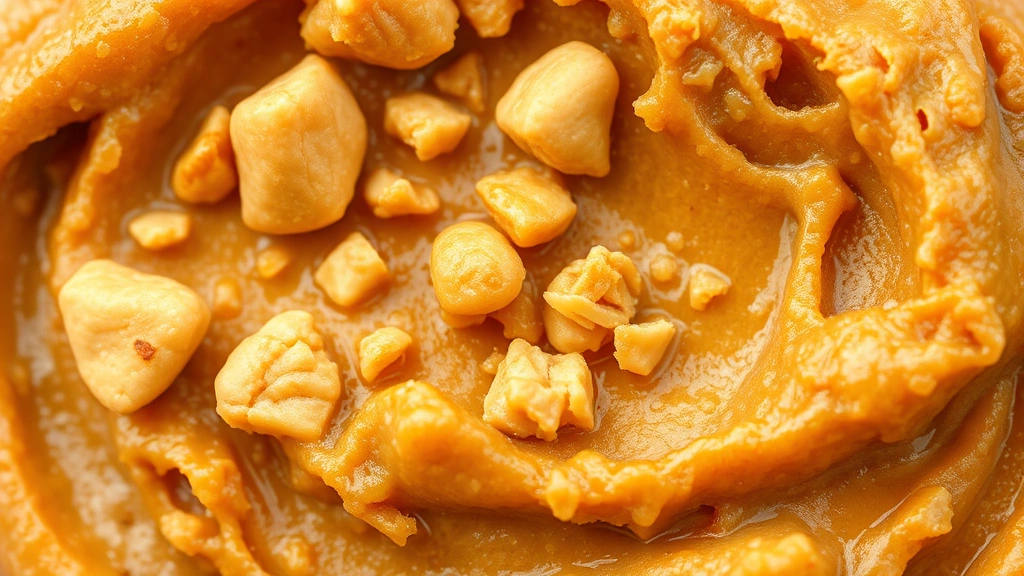
The primary difference between crunchy and creamy peanut butter lies in the texture and how it’s processed. Crunchy peanut butter contains peanut pieces that haven’t been completely ground, creating that distinctive texture humans often enjoy. Creamy peanut butter, by contrast, is made from finely ground peanuts, resulting in a smooth, uniform consistency.
For dogs, this textural difference has important implications. Crunchy peanut butter presents a choking hazard that doesn’t exist with creamy varieties. The peanut pieces in crunchy peanut butter can potentially lodge in a dog’s throat or cause intestinal blockages, particularly in smaller breeds or dogs who don’t chew thoroughly before swallowing. Additionally, if you’re considering can dogs have peanut butter as a training treat, the consistency matters significantly for portion control and ease of use.
The American Veterinary Medical Association emphasizes that texture considerations should factor into treat selection. When you’re deciding between peanut butter options, prioritizing your individual dog’s size, age, and eating habits is essential. Senior dogs with dental issues or very young puppies are particularly vulnerable to complications from crunchy varieties.
Nutritional Benefits of Peanut Butter
When served appropriately, peanut butter can provide genuine nutritional benefits to dogs. Peanuts are rich in protein, healthy fats, and various vitamins and minerals that support canine health. A small amount of plain peanut butter can contribute to your dog’s daily nutritional intake while providing mental stimulation and enjoyment.
Peanut butter contains protein that supports muscle development and maintenance, making it particularly valuable for active dogs. The healthy fats in peanuts support skin and coat health, contributing to a shiny, healthy appearance. Additionally, peanut butter contains vitamin E, an important antioxidant, along with magnesium and potassium that support overall bodily functions.
However, these benefits only apply when peanut butter is given in moderation as part of a balanced diet. Excessive consumption can lead to weight gain and nutritional imbalances. According to veterinary nutritionists, treats should comprise no more than 10% of your dog’s daily caloric intake, and peanut butter should be counted toward this limit.
If you’re exploring protein-rich treats for your dog, you might also want to learn about can dogs eat scrambled eggs, which offer similar nutritional benefits with different texture profiles.
Potential Risks and Concerns
While plain peanut butter is generally safe for dogs, several risks warrant careful consideration before offering crunchy varieties to your canine companion. The most obvious concern is the choking hazard presented by the peanut pieces suspended throughout crunchy peanut butter. Dogs who gulp their food without proper chewing are particularly vulnerable to this risk.
Beyond choking concerns, excessive fat content in peanut butter can contribute to pancreatitis in susceptible dogs. This inflammatory condition of the pancreas can be painful and serious, potentially requiring veterinary intervention. Dogs with a history of pancreatitis should avoid peanut butter entirely, as should those prone to gastrointestinal upset.
Weight management is another significant consideration. Peanut butter is calorie-dense, with approximately 90 calories per tablespoon. For small dogs or those with weight management issues, this high caloric density can quickly contribute to obesity if not carefully monitored. Obesity in dogs leads to numerous health complications including joint problems, diabetes, and shortened lifespans.
Additionally, some commercial peanut butters contain high levels of sodium or added sugars that are inappropriate for dogs. Salt in excessive amounts can lead to hypernatremia and other electrolyte imbalances, while added sugars contribute to dental problems and weight gain. This is why reading labels and selecting natural, unsweetened varieties is so important.
The Xylitol Danger
Perhaps the most critical safety concern regarding peanut butter for dogs is the presence of xylitol, an artificial sweetener used in many sugar-free peanut butter products. Xylitol is extremely toxic to dogs, even in small quantities, and can cause rapid and severe health complications including hypoglycemia, liver failure, and death.
The toxicity of xylitol in dogs is well-documented by veterinary organizations and poison control centers. Even a small amount of xylitol-containing peanut butter can trigger a medical emergency. Symptoms of xylitol poisoning include vomiting, lethargy, loss of coordination, seizures, and collapse. If you suspect your dog has ingested xylitol, immediate veterinary attention is absolutely critical.
To protect your dog, always check peanut butter ingredient labels for xylitol before offering any amount to your pet. Many pet owners assume that sugar-free products are healthier for dogs, not realizing the severe danger that xylitol poses. When shopping for peanut butter, stick with products labeled specifically for dog consumption or natural varieties with minimal ingredients. As emphasized by the American Veterinary Medical Association’s resources on peanut butter, xylitol avoidance is non-negotiable.
Your safest bet is to select peanut butter with only two ingredients: peanuts and possibly salt. If a product has a long ingredient list or includes artificial sweeteners, it’s best avoided entirely.
Safe Serving Guidelines
If you’ve determined that peanut butter is appropriate for your dog and you’ve selected a safe variety, proper serving practices are essential. The general guideline is to offer peanut butter in small amounts as an occasional treat rather than a regular dietary component.
For small dogs, a half teaspoon of peanut butter is an appropriate serving size. Medium and large dogs can handle up to a full teaspoon, though even this should be given infrequently. These small amounts provide the enjoyment and potential nutritional benefits without contributing excessively to daily caloric intake.
When first introducing peanut butter to your dog, offer a very small amount and monitor for any adverse reactions including digestive upset, itching, or other signs of sensitivity. Some dogs may have individual allergies or sensitivities to peanuts, just as some humans do. If your dog shows any signs of discomfort, discontinue peanut butter immediately.
Crunchy peanut butter, if you choose to offer it at all, should be given under supervision and only to adult dogs with a demonstrated ability to chew food thoroughly before swallowing. Never leave a dog unattended with peanut butter, whether crunchy or creamy, and never offer it to puppies or senior dogs with dental issues.
Consider the context of your dog’s overall diet when including peanut butter. If you’re also offering can dogs eat bacon or other fatty treats, peanut butter should be reduced or eliminated to maintain appropriate nutritional balance.
Healthy Alternatives
If you’re concerned about the risks associated with peanut butter, particularly crunchy varieties, numerous healthy alternatives can provide similar enjoyment and mental enrichment for your dog. These alternatives often offer better nutritional profiles or reduced choking risks.
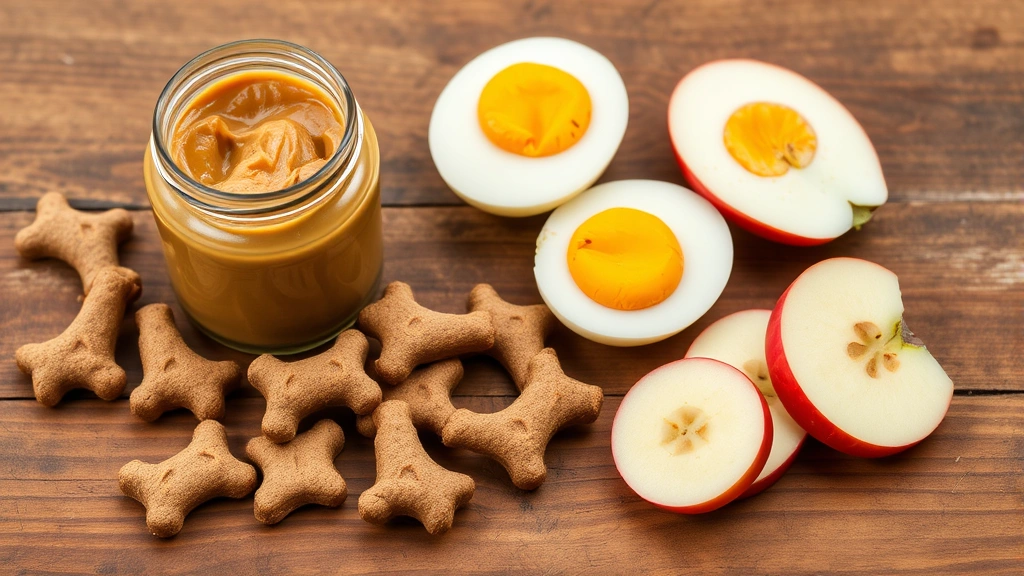
Plain, unsalted almond butter offers a similar creamy texture to peanut butter without the choking hazards of the crunchy variety. Sunflower seed butter provides protein and healthy fats while being a safer option for dogs with peanut allergies. Apple slices, banana pieces, and carrots offer crunchy textures that satisfy the desire for textural variety while providing different nutritional benefits.
For enrichment activities where you might traditionally use peanut butter, consider plain cooked chicken, sweet potato pieces, or specially formulated dog treats designed with safety and nutrition in mind. Many commercial dog treats are specifically engineered to meet canine nutritional needs while minimizing risks associated with human foods.
If you’re exploring other protein-based treats, you might also want to know whether can dogs have bacon or learn about can dogs eat pretzels. Understanding the full spectrum of treat options helps you make the best choices for your individual dog.
Frequently Asked Questions
Is creamy peanut butter safer than crunchy peanut butter for dogs?
Yes, creamy peanut butter is generally considered safer than crunchy varieties for dogs. The smooth consistency eliminates the choking hazard posed by peanut pieces in crunchy peanut butter. However, both types must be plain, unsweetened varieties without xylitol or other harmful additives. When considering peanut butter options, can dogs eat peanut butter depends significantly on the type and ingredients rather than simply the texture.
How much crunchy peanut butter can I safely give my dog?
If you choose to offer crunchy peanut butter at all, amounts should be minimal. Small dogs should receive no more than a half teaspoon, while larger dogs might have a full teaspoon occasionally. These amounts should be given infrequently and only to adult dogs without health conditions that contraindicate peanut butter consumption. Most veterinarians recommend avoiding crunchy varieties entirely in favor of safer alternatives.
What are the signs my dog has eaten something toxic in peanut butter?
If your dog has consumed peanut butter containing xylitol, watch for symptoms including vomiting, lethargy, tremors, loss of coordination, seizures, and collapse. These symptoms can appear within 15 to 30 minutes of consumption. Other concerning signs include excessive drooling, difficulty swallowing, or signs of choking if the crunchy pieces lodge in the throat. Contact your veterinarian or poison control immediately if you suspect xylitol poisoning.
Can puppies have crunchy peanut butter?
Puppies should not be given crunchy peanut butter due to the significant choking hazard and their tendency to swallow food without thorough chewing. Even creamy peanut butter should be introduced very carefully to puppies in tiny amounts, if at all. Puppies have developing digestive systems and may be more prone to upset from rich foods. Always consult with your veterinarian before introducing any new foods to puppies.
What should I do if my dog accidentally ate a large amount of crunchy peanut butter?
If your dog has consumed a large quantity of peanut butter, monitor closely for signs of choking, digestive upset, or toxicity symptoms. If the peanut butter contained xylitol, contact your veterinarian or animal poison control immediately—this is a medical emergency. For large amounts of regular peanut butter, watch for vomiting, diarrhea, or signs of pancreatitis. Contact your veterinarian if your dog shows any concerning symptoms within the following hours or days.
Are there dog-specific peanut butter products that are safer?
Yes, many companies now produce peanut butter specifically formulated for dogs. These products are designed with canine nutritional needs and safety in mind, typically featuring natural ingredients without harmful additives. When shopping for dog-specific peanut butter, verify that it contains no xylitol and minimal added ingredients. These specialized products are generally safer and more appropriate for regular use than human-grade peanut butter.
How does peanut butter compare to other protein-rich treats for dogs?
Peanut butter provides protein and healthy fats but is calorie-dense and presents texture-related risks, particularly in crunchy form. Other protein-rich options like plain cooked chicken, can dogs eat scrambled eggs offer similar nutritional benefits with fewer risks. Some dogs also enjoy can dogs have pretzels, though these offer different nutritional profiles. The best treat depends on your individual dog’s needs, health status, and dietary requirements.





