

Can Dogs Have Imitation Crab? What Experts Say
As pet owners, we often wonder what human foods are safe to share with our beloved dogs. Imitation crab, also known as surimi, is a popular seafood substitute found in many dishes and appetizers. But when it comes to our four-legged friends, the question becomes more complex. This comprehensive guide explores whether dogs can safely consume imitation crab and what veterinary experts recommend.
Imitation crab is a processed food product made from fish proteins, typically pollock or other white fish varieties. While it may seem like a harmless treat, there are several considerations pet owners should understand before offering it to their dogs. Understanding the composition, potential risks, and safer alternatives can help you make informed decisions about your dog’s diet.
Before introducing any new food to your dog’s diet, it’s important to consult with your veterinarian. This article breaks down the facts about imitation crab and dogs, drawing on expert opinions from veterinary professionals and pet nutrition specialists.
Table of Contents
- What Is Imitation Crab?
- Is Imitation Crab Safe for Dogs?
- Problematic Ingredients in Imitation Crab
- Imitation vs. Real Crab for Dogs
- Potential Health Risks
- Safer Seafood Alternatives
- What Veterinary Experts Recommend
- Frequently Asked Questions
What Is Imitation Crab?
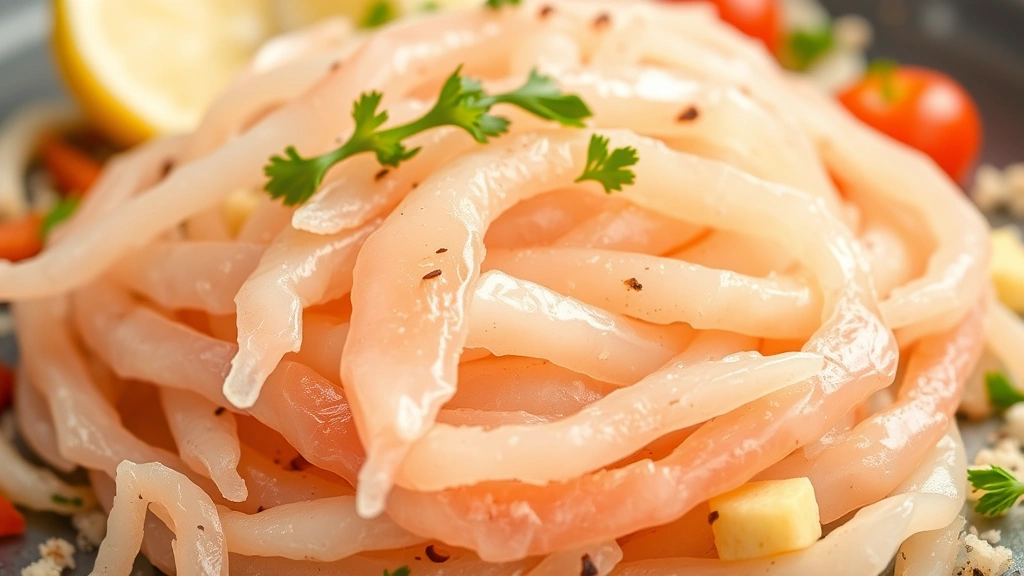
Imitation crab, commonly called surimi, is a processed seafood product created from fish meat and various binders and additives. The primary ingredient is typically white fish like Alaska pollock, which is minced and combined with starch, egg whites, and other ingredients to create a texture and appearance similar to real crab meat.
The manufacturing process involves several steps that transform the raw fish into the familiar flaked product found in supermarket cases and sushi restaurants. While the base ingredient is fish, the numerous additives used in processing significantly change the nutritional profile compared to whole, unprocessed seafood. Understanding what goes into imitation crab is crucial for evaluating its safety for dogs.
Most imitation crab products contain additional ingredients such as sodium phosphate, carrageenan, and various preservatives. Some brands also include artificial colors and flavors to enhance the product’s appeal to human consumers. These additives are generally recognized as safe for human consumption, but the same cannot always be said for dogs, whose digestive systems process foods differently.
Is Imitation Crab Safe for Dogs?
The short answer is: imitation crab is not recommended for dogs, even in small quantities. While a tiny piece occasionally may not cause immediate harm, it should not be part of your dog’s regular diet or offered as a treat. The combination of processing methods, additives, and high sodium content makes it a poor choice for canine nutrition.
According to veterinary nutritionists, dogs don’t require the variety of flavors and textures that humans enjoy. Their dietary needs are best met through commercial dog foods formulated specifically for their nutritional requirements. Offering processed human foods like imitation crab introduces unnecessary risks without providing corresponding health benefits.
When considering whether to give your dog can dogs eat seafood, it’s essential to distinguish between whole, properly prepared seafood and processed alternatives. If you’re interested in seafood options for your dog, consulting with your vet about safe choices is always the best approach.
Problematic Ingredients in Imitation Crab
Several ingredients commonly found in imitation crab products pose potential concerns for dogs. The first and most significant concern is sodium content. A typical serving of imitation crab contains 200-400mg of sodium, which exceeds the recommended daily sodium intake for most dogs. Excessive sodium can lead to increased thirst, urination, and over time, contribute to hypertension and other health complications.
Carrageenan, a thickening agent derived from red seaweed, is another common ingredient in imitation crab. While generally recognized as safe for human consumption, some studies suggest it may cause digestive inflammation in certain animals. Dogs with sensitive stomachs or inflammatory bowel conditions should particularly avoid products containing this ingredient.
Additionally, imitation crab often contains phosphates and other chemical preservatives that may not be ideal for regular canine consumption. Many brands also use artificial colors and flavors, which serve no nutritional purpose for dogs and may cause adverse reactions in sensitive animals. If you’re curious about safer seafood options, learning more about can dogs have shellfish can provide valuable guidance.
Imitation vs. Real Crab for Dogs
Real crab and imitation crab are vastly different products when it comes to dog nutrition. Actual crab meat is a whole food rich in protein, omega-3 fatty acids, and minerals like zinc and selenium. When prepared properly—without added salt, seasonings, or shells—real crab can be a nutritious occasional treat for dogs.
However, even real crab should be offered sparingly and with careful preparation. The high sodium content naturally present in crab means it should only constitute a small portion of your dog’s diet. For dogs with certain health conditions like heart disease or kidney problems, even real crab may be contraindicated.
Imitation crab lacks the nutritional benefits of real crab while adding unnecessary processed ingredients and additives. The processing removes much of the beneficial omega-3 content while concentrating sodium levels. If you’re interested in learning more about the differences, you can explore can dogs eat crab for comprehensive information about real crab safety.
Potential Health Risks
Feeding imitation crab to your dog carries several potential health risks that every responsible pet owner should understand. The most immediate concern is gastrointestinal upset. Many dogs experience vomiting or diarrhea after consuming processed seafood products, particularly if their digestive systems aren’t accustomed to such foods.
Pancreatitis is another serious concern associated with high-fat, processed foods. While imitation crab is relatively low in fat, the combination of processing chemicals and sodium can trigger pancreatitis in susceptible dogs. This painful inflammation of the pancreas requires immediate veterinary attention and can lead to serious complications.
Allergic reactions, though less common, are possible. Dogs may develop allergies to fish proteins or specific additives used in imitation crab production. Symptoms include itching, skin irritation, ear infections, and respiratory issues. Long-term exposure to problematic ingredients can lead to chronic health conditions that are expensive and difficult to treat.
Additionally, the high sodium content poses risks for dogs with existing health conditions. Senior dogs, dogs with heart disease, kidney disease, or hypertension should absolutely avoid imitation crab and other salty processed foods. For more information about seafood safety, can dogs eat shrimp offers detailed guidance on properly prepared seafood options.

Safer Seafood Alternatives
If you want to offer your dog seafood treats, several safer options exist that provide nutritional benefits without the risks associated with imitation crab. Plain, cooked salmon is an excellent choice, rich in omega-3 fatty acids that support skin and coat health. Always ensure the salmon is boneless, skinless, and prepared without salt or seasonings.
Plain cooked fish, such as whitefish or cod, can be offered in small quantities as an occasional treat. The key is ensuring the fish is fully cooked, free from bones, and prepared without any added salt or oils. Some dogs enjoy plain, cooked shrimp as well, though it should be carefully prepared and offered sparingly due to its naturally high cholesterol content.
For dogs interested in exploring seafood flavors, can dogs eat lobster provides information about another shellfish option that, like crab, requires careful preparation. When offering any seafood, moderation is crucial—these foods should comprise no more than 10% of your dog’s daily caloric intake.
Ultimately, the safest approach is to stick with commercial dog foods formulated to meet your dog’s specific nutritional needs. If you want to provide variety or special treats, whole foods like plain cooked chicken, turkey, or beef are safer options that don’t carry the risks associated with processed seafood products.
What Veterinary Experts Recommend
Leading veterinary organizations provide clear guidance on feeding dogs processed foods and seafood products. The American Kennel Club advises that while some seafood can be part of a balanced diet, processed products like imitation crab should be avoided. The focus should remain on whole foods or commercial diets specifically formulated for dogs.
PetMD veterinarians similarly recommend against offering imitation crab to dogs. They emphasize that the processing methods, additives, and high sodium content make it unsuitable for canine consumption. If you want to offer your dog seafood, consulting with your veterinarian about preparation methods and appropriate portions is essential.
Hill’s Pet Nutrition experts stress the importance of moderation when offering any human food to dogs, including seafood. They recommend that treats should comprise no more than 10% of daily caloric intake, with the remaining 90% coming from nutritionally balanced commercial dog foods.
When researching seafood options, can dogs eat fish offers comprehensive information about properly prepared fish options. The consensus among veterinary professionals is clear: imitation crab is not a suitable food for dogs, and safer alternatives should be chosen if you wish to offer seafood treats.
The VCA Animal Hospitals maintains a list of foods hazardous to dogs, and processed seafood products feature prominently in their recommendations for foods to avoid. Your veterinarian remains your best resource for personalized dietary advice tailored to your dog’s specific health needs and conditions.
Frequently Asked Questions
Is imitation crab meat toxic to dogs?
While imitation crab isn’t acutely toxic in the same way that foods like chocolate or grapes are, it’s still not recommended for dogs. The combination of high sodium, additives, and processing chemicals can cause digestive upset and other health issues, particularly with regular consumption.
What should I do if my dog accidentally ate imitation crab?
If your dog ate a small amount of imitation crab, monitor them for signs of gastrointestinal upset such as vomiting, diarrhea, or excessive thirst. Most dogs will be fine after consuming a small quantity, but if symptoms develop or persist, contact your veterinarian. For serious concerns, Pet Poison Helpline provides guidance on fish-related poisoning concerns.
Can dogs eat real crab instead of imitation crab?
Real crab is preferable to imitation crab if you want to offer your dog a crab-based treat. However, it should be plain, cooked, and free from shells. Even real crab should be offered sparingly due to its natural sodium content. Always remove all shells and ensure no seasonings are added.
How much sodium is too much for dogs?
The recommended sodium intake for dogs is approximately 0.3-0.5% of their daily diet. For a 50-pound dog, this translates to roughly 75-150mg of sodium daily. A single serving of imitation crab can exceed this recommendation, making it unsuitable as a regular treat.
Are there any dogs that can safely eat imitation crab?
Even healthy adult dogs should avoid imitation crab. Dogs with health conditions like heart disease, kidney disease, or hypertension should definitely avoid it. Senior dogs and puppies are also at higher risk for adverse reactions and should never be offered this product.
What are the best seafood treats for dogs?
Plain cooked salmon, whitefish, and cod are excellent seafood options when prepared without salt, bones, or seasonings. For more detailed guidance, can dogs eat salmon provides comprehensive information about preparing salmon for dogs safely.
Should I consult my vet before giving my dog any seafood?
Yes, absolutely. Your veterinarian can assess your dog’s individual health status, dietary needs, and any existing conditions to provide personalized recommendations. This is particularly important for dogs with health issues or those on special diets. Your vet can also advise on appropriate portion sizes and preparation methods.





