
Can Dogs Have Jalapenos? Here’s What Experts Say
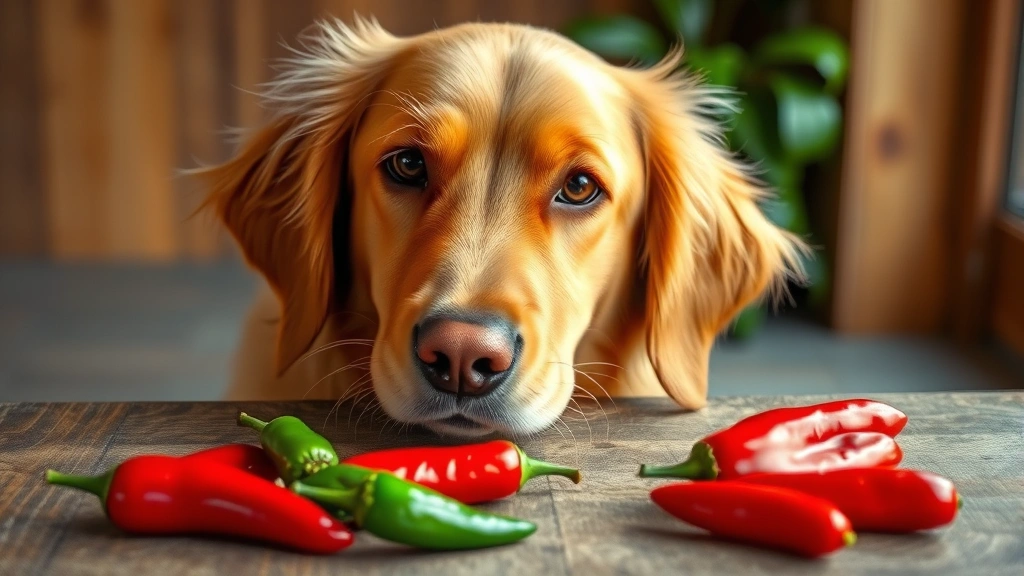
As a dog owner, you’ve probably wondered whether it’s safe to share your spicy snacks with your furry companion. Jalapenos are a popular ingredient in many households, and it’s natural to question whether your dog can enjoy them too. The short answer is that while jalapenos aren’t technically toxic to dogs, they’re definitely not recommended as a treat. The spicy heat, potential digestive upset, and lack of nutritional benefit make them a poor choice for your canine friend.
Understanding what foods are safe for dogs requires knowledge of their unique digestive systems and nutritional needs. Dogs process foods differently than humans, and what we find delicious and harmless can cause significant discomfort for our pets. In this comprehensive guide, we’ll explore everything you need to know about jalapenos and dogs, including why veterinarians advise against feeding them, what symptoms to watch for if your dog accidentally consumes them, and what safer alternatives you can offer instead.
Whether your dog sneaked a piece of your jalapeno popper or you’re considering adding some to their diet, this article will provide expert insights and practical advice to keep your dog safe and healthy.
Table of Contents
- Why Jalapenos Are Bad for Dogs
- The Digestive Impact of Spicy Foods
- Understanding Capsaicin and Dogs
- Symptoms and Health Concerns
- Safe Vegetable Alternatives for Dogs
- Expert Recommendations from Veterinarians
- Frequently Asked Questions
Why Jalapenos Are Bad for Dogs
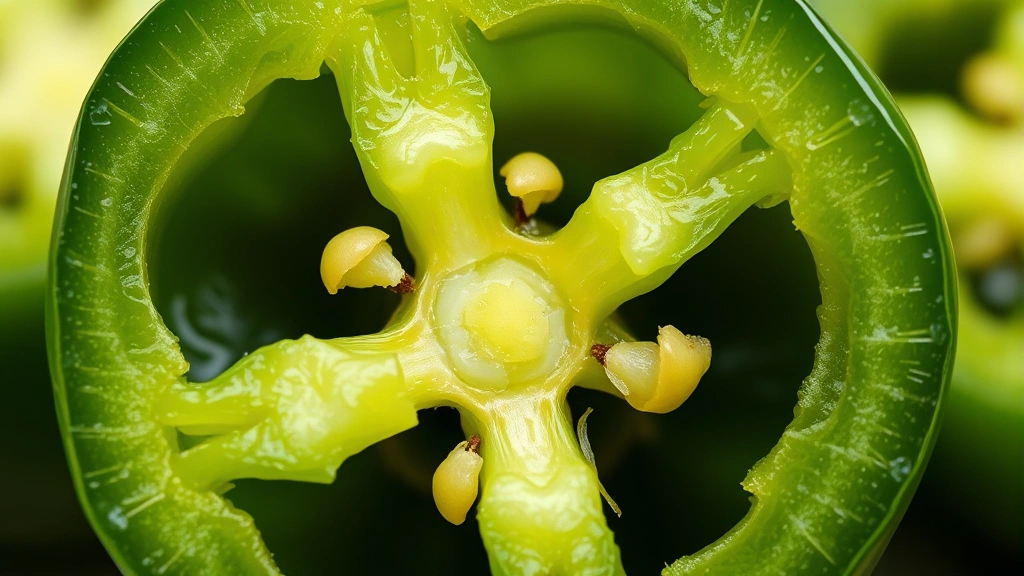
Jalapenos contain a compound called capsaicin, which gives peppers their characteristic heat and spicy flavor. While humans can enjoy the sensation and have built tolerance for spicy foods, dogs lack the taste receptors and digestive enzymes to process capsaicin effectively. According to the American Kennel Club’s expert advice on spicy foods, capsaicin can cause significant discomfort in dogs’ gastrointestinal tracts.
Beyond capsaicin, jalapenos often come prepared with additional ingredients that can be harmful to dogs. Many jalapeno recipes include garlic, onions, salt, and oils—all of which pose varying levels of risk to canine health. If you’re considering any pepper-based foods, it’s worth learning about can dogs eat peppers more broadly to understand the full spectrum of risks.
The heat level in jalapenos is moderate compared to other peppers, ranging from 2,500 to 8,000 Scoville Heat Units (SHU). However, even this moderate heat can be overwhelming for a dog’s sensitive digestive system. A dog’s mouth and throat lack the cooling mechanisms humans have developed through culinary experience, making any exposure to capsaicin an unpleasant and potentially harmful experience.
The Digestive Impact of Spicy Foods
Dogs have a fundamentally different digestive system than humans. Their stomachs are more acidic and designed for processing meat-based diets, not spicy vegetables. When a dog ingests capsaicin from jalapenos, it can irritate their stomach lining, esophagus, and intestines. This irritation can lead to discomfort that ranges from mild to severe, depending on the amount consumed and the individual dog’s sensitivity.
The digestive tract of a dog is sensitive to sudden changes and irritants. Introducing spicy foods can disrupt the balance of their gut flora and cause inflammation. This is why veterinarians recommend sticking to dog-approved foods and avoiding table scraps that contain spices or seasonings. If you’re exploring other seasonings, understanding whether can dogs have black pepper is also important, as many seasonings pose similar risks.
The mucous membranes lining your dog’s digestive tract are delicate and designed for their natural diet of protein and easily digestible carbohydrates. Capsaicin bypasses these membranes’ protective mechanisms and causes direct irritation, leading to inflammation and discomfort that can last for hours after consumption.
Understanding Capsaicin and Dogs
Capsaicin is an alkaloid compound found in peppers that produces the sensation of heat or burning. Humans perceive this as a pleasant spicy sensation because we have the neurological adaptation to process it, but dogs do not. In fact, dogs find capsaicin purely painful and distressing, with no corresponding pleasure response.
Research shows that capsaicin binds to pain receptors in mammals, and dogs’ pain receptors are just as sensitive as ours—if not more so. When a dog consumes capsaicin, they experience genuine pain and discomfort without any of the reward or enjoyment that humans might derive from spicy food. According to Pet Poison Helpline’s information on spicy food poisoning in pets, capsaicin exposure can trigger inflammatory responses in dogs’ digestive systems.
The compound doesn’t break down easily in dogs’ stomachs, meaning the irritation can persist for extended periods. This extended exposure increases the risk of secondary complications like gastroenteritis or pancreatitis, particularly in dogs with pre-existing digestive sensitivities.
Symptoms and Health Concerns
If your dog has accidentally consumed jalapenos, it’s important to recognize the signs of digestive distress. While a single small piece might not cause severe reactions in a large dog, smaller dogs or those with sensitive stomachs could experience significant discomfort. Common symptoms include vomiting, diarrhea, excessive drooling, difficulty swallowing, and abdominal pain.
Your dog might also exhibit behavioral changes such as restlessness, whining, or reluctance to eat. Some dogs may drink excessive amounts of water trying to cool their burning mouth and digestive tract. These symptoms can appear within minutes to a few hours after consumption. Additionally, understanding what other foods to avoid is crucial—for instance, knowing whether can dogs eat mustard helps you avoid multiple problematic condiments.
In severe cases, particularly if your dog consumed a large quantity of jalapenos or if the peppers were prepared with toxic ingredients like garlic or onions, more serious complications can develop. These might include severe gastroenteritis, pancreatitis, or in rare cases, organ damage. According to Vetstreet’s veterinary expert advice on spicy foods, the combination of spice and other ingredients is often more problematic than capsaicin alone.
Safe Vegetable Alternatives for Dogs
If you want to share vegetables with your dog, there are many safe and nutritious options that provide health benefits without the risks associated with jalapenos. Dogs can enjoy a variety of vegetables that are not only safe but also beneficial for their overall health and nutrition.
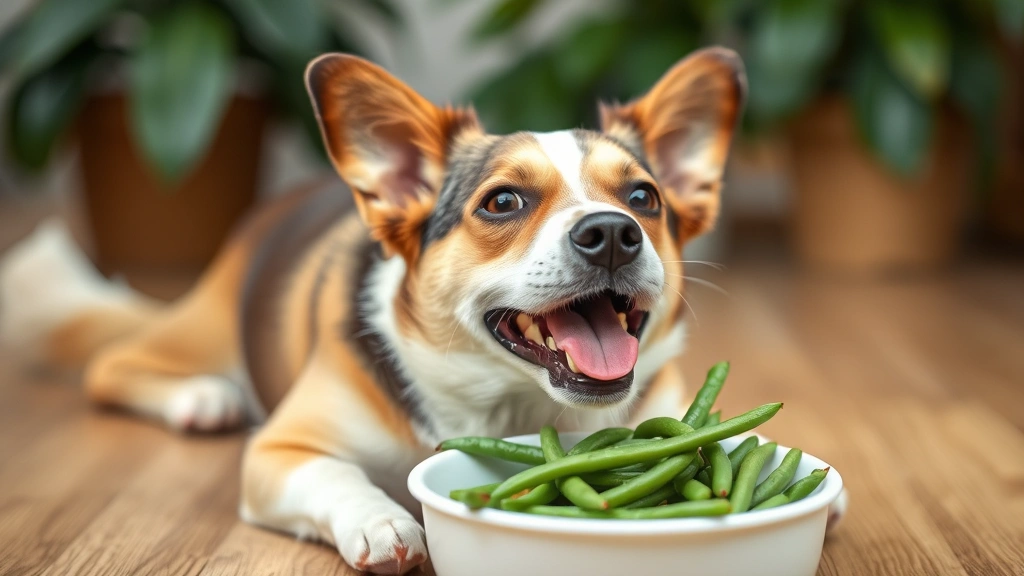
Some excellent vegetable alternatives include carrots (which also help clean teeth), green beans, sweet potatoes, and plain pumpkin. These vegetables are low in calories, high in fiber, and provide essential vitamins and minerals. Carrots are particularly beneficial as they also serve a dental health purpose through their natural chewing action. If you’re interested in incorporating grains with vegetables, learning about can dogs eat rice can help you create balanced meal additions.
Broccoli and cauliflower are also safe options when given in moderation, though they should only make up a small portion of your dog’s diet due to their high fiber content. Cucumbers are another excellent low-calorie option that dogs typically enjoy. The key is to introduce new foods gradually and in appropriate portions, typically no more than 10% of your dog’s daily caloric intake.
When offering vegetables, always remove any seeds, stems, or leaves that might be choking hazards or toxic. Cook vegetables without added salt, oils, or seasonings. You can also explore protein-based treats—for example, understanding whether can dogs eat scrambled eggs opens up additional nutritious options that most dogs find appealing.
Expert Recommendations from Veterinarians
Veterinary experts unanimously agree that jalapenos and other spicy foods should not be included in your dog’s diet. The Humane Society’s list of hazardous foods for dogs includes spicy foods as a category to avoid. Professional veterinarians emphasize that dogs have no nutritional need for spicy foods, and the potential risks far outweigh any perceived benefits.
Most veterinary organizations, including the VCA Animal Hospitals’ guide to foods to avoid, recommend that dog owners stick to commercially prepared dog foods and treats specifically formulated for canine nutritional requirements. These foods have been tested and balanced to provide complete nutrition while being safe for dogs’ digestive systems.
If you’re unsure about any food item, consulting with your veterinarian is always the best course of action. Your vet can provide personalized recommendations based on your dog’s age, size, health status, and any pre-existing conditions. They can also advise on appropriate treat portions and frequency to maintain your dog’s optimal weight and health.
According to the ASPCA’s guide to people foods to avoid, prevention is always better than treatment. By understanding which foods are safe and which are dangerous, you can protect your dog from unnecessary health risks and emergency veterinary visits.
Frequently Asked Questions
What should I do if my dog ate a jalapeno?
If your dog consumed a small amount of jalapeno, monitor them closely for signs of digestive distress such as vomiting, diarrhea, or excessive drooling. Most dogs with mild exposure will recover without intervention. However, if symptoms persist for more than a few hours, your dog consumed a large quantity, or the jalapeno was prepared with toxic ingredients like garlic or onions, contact your veterinarian immediately. It’s always better to err on the side of caution and seek professional advice.
Can dogs have mild peppers instead of jalapenos?
While some peppers are less spicy than jalapenos, any pepper containing capsaicin poses risks to dogs. Even mild bell peppers, which lack capsaicin, should only be given occasionally in small quantities and without seeds or stems. If you’re considering pepper-based foods, reviewing can dogs eat peppers 2 can provide additional insights into the safest options.
Why do some dogs seem to enjoy spicy foods?
If a dog appears to enjoy spicy foods, they’re likely responding to other flavor components rather than the spice itself. Dogs have fewer taste buds than humans and experience flavors differently. What might appear as enjoyment could actually be curiosity about an unfamiliar food or attraction to other ingredients. This doesn’t indicate that spicy foods are safe for them—it simply means the dog is being opportunistic about food.
Are there any health benefits to feeding dogs jalapenos?
No, there are no health benefits to feeding dogs jalapenos. While jalapenos do contain some vitamins and minerals, dogs can obtain all necessary nutrients from their regular diet and safe vegetable alternatives. The risks associated with capsaicin far outweigh any minimal nutritional benefit. Additionally, can dogs have rice and other plain carbohydrate sources are much better choices for supplementing your dog’s diet.
How long does it take for jalapeno symptoms to appear in dogs?
Symptoms of capsaicin irritation can appear within 15 minutes to a few hours after consumption, depending on the amount consumed and the individual dog’s sensitivity. Smaller dogs and those with sensitive stomachs may show symptoms faster than larger, more robust dogs. Some dogs might experience delayed symptoms if the jalapeno reaches their lower digestive tract. Continuous monitoring for at least 12 hours after accidental consumption is recommended.
Can puppies have jalapenos?
Absolutely not. Puppies have even more sensitive digestive systems than adult dogs and are more vulnerable to irritation and inflammation. Their developing digestive tracts are particularly susceptible to damage from capsaicin. Puppies require carefully controlled diets to support proper growth and development, and spicy foods have no place in their nutrition plan. Always consult your veterinarian about appropriate foods for puppies.
What is the safest way to introduce new foods to my dog?
When introducing any new food to your dog’s diet, do so gradually over 7-10 days, mixing small amounts with their regular food and slowly increasing the proportion. This allows their digestive system to adapt and helps you identify any adverse reactions. Always introduce only one new food at a time so you can pinpoint any issues. Start with very small portions and observe for any signs of digestive upset. This cautious approach applies to all new foods, especially vegetables and fruits. According to AVMA’s guidance on holiday pet safety and table scraps, this gradual introduction method is essential for maintaining digestive health.
Conclusion
The answer to whether dogs can have jalapenos is a clear no. While jalapenos aren’t technically toxic like chocolate or grapes, they pose unnecessary risks to your dog’s health and comfort. The capsaicin in jalapenos can cause significant digestive distress, irritation, and discomfort without providing any nutritional benefit. Veterinarians and animal health organizations unanimously recommend avoiding spicy foods for dogs.
Instead of jalapenos, focus on providing your dog with safe, nutritious foods that support their health and well-being. There are plenty of dog-friendly vegetables and treats that your canine companion can enjoy without risk. By making informed choices about your dog’s diet, you’re taking an important step toward ensuring their long-term health, happiness, and longevity. When in doubt about any food item, always consult with your veterinarian to make the best decisions for your beloved pet. For more information on specific foods, explore Preventive Vet’s comprehensive guide to foods toxic to dogs for a detailed reference.





