
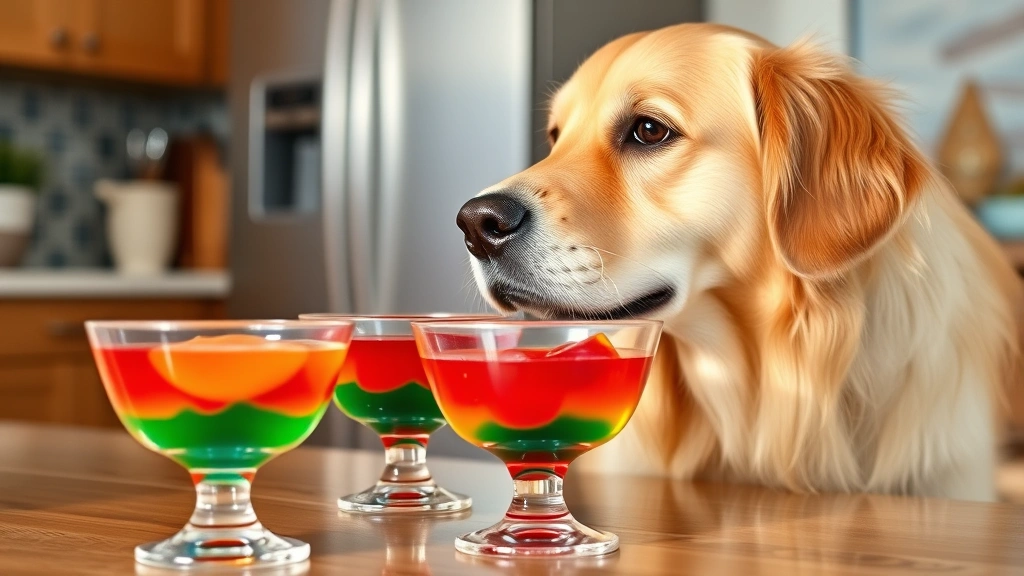
Can Dogs Have Jello? Here’s What Experts Say
As a dog owner, you’ve probably wondered whether it’s safe to share your favorite treats with your furry friend. One question that comes up surprisingly often is whether dogs can have Jello. Whether your pup gives you those irresistible puppy-dog eyes while you’re enjoying a bowl of gelatin dessert, or you’re simply curious about expanding your dog’s treat options, it’s important to understand what veterinary experts recommend. The answer isn’t quite as straightforward as a simple yes or no, and there are several factors to consider before letting your dog enjoy this wiggly treat.
Jello is a popular dessert in many households, and it’s natural to wonder if our canine companions can safely enjoy it too. Understanding the ingredients in Jello and how they affect dogs is crucial for making informed decisions about your pet’s diet. In this comprehensive guide, we’ll explore what veterinarians and pet nutrition experts say about Jello for dogs, including which types are safe, which ones to avoid, and what alternatives might be better for your beloved companion.
Pet safety is paramount, and knowing what human foods are appropriate for dogs helps ensure your furry friend stays healthy and happy. Let’s dive into what the experts say about Jello and your dog’s dietary needs.
Table of Contents
What Is Jello?
Jello is a gelatin-based dessert that has been a staple in American households for over a century. It’s made from gelatin, which is derived from collagen found in animal bones and connective tissues. The basic ingredients in traditional Jello include gelatin, sugar, water, and artificial colors and flavors. When mixed with hot water and cooled, these ingredients form the characteristic wiggly, translucent dessert that many people enjoy.
The gelatin itself is actually a protein product that’s been processed and purified. In its simplest form, gelatin is technically safe for dogs. However, the other ingredients added to commercial Jello products are where concerns arise. Different brands and flavors contain various additives, sweeteners, and colorings that may not be ideal for canine consumption.
Understanding the composition of Jello helps us determine whether it’s appropriate for our pets. When you’re thinking about treating your dog to human foods, it’s also worth considering whether dogs can safely have marshmallows, as many desserts share similar concerns regarding sugar content and additives.
Is Plain Jello Safe for Dogs?
Plain Jello made from unflavored gelatin and water, without any added sweeteners or artificial ingredients, is technically not toxic to dogs in small amounts. However, “safe” doesn’t necessarily mean “beneficial” or “recommended” by veterinary professionals. According to the American Veterinary Medical Association, while plain gelatin won’t poison your dog, it offers no nutritional value and is primarily empty calories.

Most commercial Jello products contain added sugars and artificial ingredients that aren’t ideal for dogs. Excessive sugar consumption can lead to weight gain, dental problems, and even diabetes in dogs. Additionally, some dogs may have sensitive digestive systems that react poorly to gelatin and the additives in flavored Jello products.
If you absolutely want to give your dog Jello, plain unflavored gelatin prepared with water only is the safest option. However, veterinarians generally recommend finding more nutritious treat alternatives. Just as you might research if dogs can consume whipped cream for special occasions, it’s wise to consider whether Jello truly benefits your pet’s health.
Ingredients to Watch Out For
Not all Jello products are created equal, and some contain ingredients that are genuinely dangerous for dogs. When examining the ingredient list on a Jello box or package, there are several red flags to watch for. These potentially harmful ingredients can cause various health issues ranging from mild digestive upset to serious toxicity.
Artificial sweeteners, particularly those used in sugar-free versions, are a major concern for dog owners. These sweeteners are added to reduce calories but can have adverse effects on canine health. Colorings and flavorings in Jello can also cause digestive upset in some dogs, particularly those with sensitive stomachs or food allergies.
It’s important to read labels carefully and understand what each ingredient does. When evaluating treats for your dog, remember that just because something is safe for humans doesn’t mean it’s safe for dogs. This is why it’s equally important to verify whether dogs can safely eat bacon and other popular human foods before offering them to your pet.
The Xylitol Danger
One of the most critical concerns with certain Jello and gelatin products is the presence of xylitol, an artificial sweetener commonly used in sugar-free foods. According to the ASPCA and the American Kennel Club, xylitol is extremely toxic to dogs and can cause serious health complications even in small amounts. This sweetener triggers a rapid release of insulin in dogs’ bodies, leading to severe hypoglycemia (low blood sugar).
Symptoms of xylitol toxicity in dogs can appear within 30 minutes to an hour of ingestion and include vomiting, lethargy, loss of coordination, seizures, and in severe cases, liver failure. The amount of xylitol needed to cause harm is relatively small, making this a serious threat to canine health. A dog weighing 10 pounds may experience toxicity symptoms from consuming just a small portion of xylitol-containing Jello.
If your dog accidentally consumes sugar-free Jello or any product containing xylitol, contact your veterinarian or an emergency animal poison control center immediately. Do not wait to see if symptoms develop. The FDA has issued warnings about xylitol in various food products, and pet owners should be vigilant about checking ingredient lists. This is why it’s crucial to verify what products are safe, whether you’re considering if peanut butter is safe for dogs to consume or any other treat.
Safer Jello Alternatives for Dogs
Rather than taking risks with commercial Jello products, consider offering your dog treats that are specifically formulated for canine nutrition. There are numerous dog-friendly alternatives that provide both enjoyment and nutritional benefits. These alternatives satisfy the desire to treat your pup while keeping their health and wellness as the top priority.
Frozen broth treats are an excellent Jello alternative for dogs. You can prepare homemade versions using low-sodium, dog-friendly broth that’s both refreshing and nutritious. Freeze the broth in ice cube trays or silicone molds for convenient, portion-controlled treats. Some dogs also enjoy frozen fruits like blueberries, which provide natural sweetness and antioxidants without harmful additives.
Plain, unsweetened yogurt can be frozen for a creamy treat that dogs often love. Yogurt provides probiotics that support digestive health. You might also explore whether dogs can have yogurt as a regular part of their diet. For dogs that tolerate eggs well, if dogs can eat scrambled eggs offers another nutritious treat option that many veterinarians approve.
Homemade gelatin treats made specifically for dogs are also available. These are typically made from dog-safe ingredients and offer the same fun, wiggly texture that makes Jello appealing. You can find recipes online or purchase pre-made versions from pet supply stores that are formulated with canine nutrition in mind.
Portion Guidelines and Serving Tips
If you decide that plain, unflavored Jello is appropriate for your dog on rare occasions, portion control is essential. Treats, including Jello, should make up no more than 10% of your dog’s daily caloric intake according to nutritional guidelines recommended by veterinary professionals. This means that for most dogs, a small amount of plain Jello would be the appropriate serving size.
When introducing any new food to your dog’s diet, do so gradually and observe for any signs of digestive upset. Some dogs may experience soft stools, vomiting, or other gastrointestinal issues when consuming unfamiliar foods. Always ensure your dog has access to fresh water, especially after consuming gelatin-based products.
Consider your dog’s individual health status before offering any treats. Dogs with diabetes, obesity, or digestive sensitivities should avoid Jello entirely. Puppies and senior dogs may also have different dietary requirements and sensitivities. When in doubt, consult with your veterinarian about whether specific treats are appropriate for your individual pet’s health profile.

When to Contact Your Veterinarian
There are several situations where you should reach out to your veterinarian regarding Jello or other food-related concerns. If your dog has consumed sugar-free Jello or any product containing xylitol, contact your vet immediately, even if no symptoms are currently visible. Early intervention can be life-saving in cases of xylitol toxicity.
If your dog shows signs of digestive upset after consuming Jello, such as vomiting, diarrhea, or loss of appetite lasting more than a few hours, call your veterinarian. Additionally, if your dog has a history of food sensitivities, allergies, or chronic digestive issues, discuss all treat options with your vet before offering them.
Your veterinarian can provide personalized recommendations based on your dog’s age, weight, health status, and dietary needs. They can also help you understand whether your dog might benefit from alternatives to commercial treats. If you’re unsure about any ingredient or have questions about your dog’s diet, your vet is always the best resource for accurate, professional guidance.
Frequently Asked Questions
Can dogs have flavored Jello like strawberry or lemon?
Flavored Jello products are not recommended for dogs. These varieties contain artificial flavors, colors, and often added sugars that provide no nutritional benefit and may cause digestive upset. Some artificial colors have been associated with allergic reactions in sensitive dogs. It’s best to stick with plain options only, if you choose to offer Jello at all.
What should I do if my dog accidentally ate Jello?
If your dog consumed a small amount of plain Jello, monitor them for any signs of digestive upset over the next 24 hours. Most dogs will be fine after eating a small portion of plain Jello. However, if the Jello was sugar-free or contained xylitol, contact your veterinarian or animal poison control immediately. For any concerning symptoms, seek veterinary care promptly.
Is gelatin itself harmful to dogs?
Plain gelatin in its pure form is not toxic to dogs. In fact, gelatin contains collagen and amino acids that some believe may support joint health. However, plain gelatin alone offers minimal nutritional value for dogs and is typically high in calories relative to its benefits. It’s not a recommended supplement without veterinary guidance.
Can I make homemade dog-safe Jello?
Yes, you can make homemade gelatin treats for dogs using dog-safe ingredients. Use unflavored gelatin mixed with low-sodium broth (ensuring it contains no onions or garlic) or other dog-appropriate liquids. Add dog-friendly vegetables or fruits if desired, then refrigerate until set. This gives you complete control over ingredients and ensures no harmful additives are included.
Are there health benefits to giving dogs Jello?
Plain Jello offers minimal health benefits to dogs. While gelatin contains some amino acids, dogs receive these nutrients much more effectively through their regular diet or through treats specifically formulated for canine nutrition. Jello is essentially empty calories and is not recommended as a regular part of your dog’s diet.
What are the best treat alternatives for my dog?
The best treat alternatives depend on your dog’s individual preferences and dietary needs. High-quality, dog-formulated treats, fresh fruits like apples or blueberries, vegetables like carrots, and homemade options using dog-safe ingredients are all excellent choices. Consult your veterinarian for personalized recommendations based on your dog’s health status and nutritional requirements.
Can dogs have Jello if they have sensitive stomachs?
Dogs with sensitive stomachs should generally avoid Jello. The gelatin and additives can trigger digestive upset in dogs with food sensitivities. Additionally, if your dog has a history of gastric issues, introducing new foods should only be done under veterinary guidance. Stick with treats designed specifically for sensitive digestion in these cases.
Final Thoughts on Jello for Dogs
While plain Jello is not toxic to dogs in small amounts, it’s not an ideal treat choice for your canine companion. The lack of nutritional value, combined with the potential risks from additives and artificial sweeteners in commercial products, makes Jello a less-than-optimal option. The American Kennel Club and veterinary nutritionists generally recommend focusing on treats that provide health benefits alongside enjoyment.
Your dog’s health and wellbeing should always be the top priority when making dietary decisions. There are numerous treats available that offer both nutritional value and the fun factor that makes treat time special for your pet. If you’re looking to expand your dog’s treat options, speak with your veterinarian about recommendations tailored to your specific dog’s needs and health profile.
Remember that treats are meant to be occasional additions to a balanced diet, not staple foods. Whether you’re considering Jello or any other human food, always verify its safety and appropriateness for dogs. When in doubt, your veterinarian is the best resource for making informed decisions about your dog’s nutrition and treats. By staying informed and making thoughtful choices, you’re helping ensure your beloved pet enjoys a long, healthy, and happy life.





