

Can Dogs Have Pork Rinds? What Experts Recommend
As a dog owner, you’ve probably wondered whether it’s safe to share your snacks with your furry companion. Pork rinds are a popular human snack, crispy and satisfying, but are they appropriate for dogs? The short answer is that while pork rinds aren’t toxic to dogs, they’re not recommended as a regular treat due to their high fat content, salt levels, and potential choking hazard. Understanding what makes pork rinds problematic for canine health is essential for keeping your dog safe and healthy.
Many pet owners assume that because pork rinds come from pork, and dogs can eat pork, these snacks must be fine for their pets. However, the processing and preparation of pork rinds creates a product quite different from plain cooked pork. This comprehensive guide explores what you need to know about pork rinds and dogs, helping you make informed decisions about your pet’s diet and snacking habits.
Throughout this article, we’ll examine the nutritional concerns, potential health risks, and safer alternatives that can satisfy your dog’s cravings without compromising their wellbeing. Whether you’re dealing with a dog who begs for table scraps or you’re curious about expanding your pet’s treat options, this information will help you navigate the decision responsibly.
What Are Pork Rinds and How Are They Made?
Pork rinds, also known as chicharrones or pork cracklings, are a snack made from the skin of pigs. The production process involves several steps that transform raw pork skin into the crispy, crunchy texture that humans enjoy. First, the pork skin is cleaned and often boiled to remove hair and impurities. Then it’s dried, which can take several hours, and finally deep-fried until it becomes puffy and golden.
During the deep-frying process, the pork skin absorbs significant amounts of oil, which dramatically increases its fat content. Additionally, manufacturers typically add salt, and sometimes other seasonings and flavorings, to enhance the taste for human consumption. This means commercial pork rinds contain much more fat and sodium than plain cooked pork would.
The production process creates a product that’s extremely calorie-dense and salty. While humans can enjoy pork rinds in moderation as part of a balanced diet, the same cannot be said for dogs. Their digestive systems aren’t designed to process such high levels of fat and salt, and their nutritional needs differ significantly from ours.
Nutritional Concerns for Dogs
The primary nutritional concern with pork rinds for dogs is their exceptionally high fat content. A typical serving of pork rinds contains approximately 60-70% fat by weight, making them one of the fattiest snacks available. Dogs, particularly those prone to weight issues or certain health conditions, can suffer serious consequences from consuming high-fat foods.
Beyond fat, pork rinds contain substantial amounts of sodium. A small handful of pork rinds can contain 200-300mg of salt, which is significant for most dogs depending on their size and dietary needs. The American Heart Association and veterinary professionals recommend that dogs consume minimal added salt in their diets. Most dogs get sufficient sodium from their regular dog food without additional sources.
Pork rinds also lack significant nutritional value for dogs. They provide minimal protein relative to their fat content, few vitamins or minerals that dogs need, and no dietary fiber. Essentially, pork rinds are empty calories from a canine nutritional perspective. When compared to balanced dog treats or regular dog food, pork rinds offer nothing that benefits your dog’s health and wellbeing.
Health Risks Associated with Pork Rinds
Several health risks are associated with dogs consuming pork rinds. The most immediate concern is pancreatitis, an inflammation of the pancreas that can be triggered by high-fat foods. Pancreatitis in dogs is painful and potentially life-threatening, requiring veterinary treatment. Even a single high-fat meal can trigger an episode in susceptible dogs, and repeated exposure significantly increases the risk.
Obesity is another serious concern, particularly with regular consumption. Dogs who eat high-fat treats like pork rinds are more likely to become overweight, which leads to numerous health problems including joint disease, diabetes, heart disease, and shortened lifespans. One pork rind might seem harmless, but when added to a dog’s daily caloric intake, these snacks can quickly contribute to unhealthy weight gain.
The texture and hardness of pork rinds pose a choking hazard, especially for dogs who gulp their food without chewing thoroughly. Some pork rinds can be sharp or create large chunks that are difficult for dogs to swallow safely. Additionally, the high salt content can cause excessive thirst and potentially lead to sodium ion poisoning in extreme cases, though this is more likely with large quantities or dogs with pre-existing health conditions.
Dogs with sensitive stomachs or digestive issues may experience vomiting, diarrhea, or gastrointestinal upset after consuming pork rinds. The high fat content can be difficult for their digestive systems to process. If your dog has a history of pancreatitis, obesity, heart disease, or digestive problems, pork rinds should be completely avoided.
Safer Pork-Based Alternatives
If you want to share pork-based treats with your dog, there are much safer options than pork rinds. Plain cooked pork, without any seasoning or added fat, can be offered occasionally in small amounts. When preparing pork for your dog, ensure it’s cooked thoroughly, boneless, and free from any seasonings including garlic, onion, or excessive salt.
You might also consider whether dogs can eat bacon, though bacon shares many of the same high-fat concerns as pork rinds. Similarly, understanding what dogs can eat sausages requires careful consideration of fat content and seasonings. For pork products, less processed options are generally better choices than heavily seasoned commercial products.
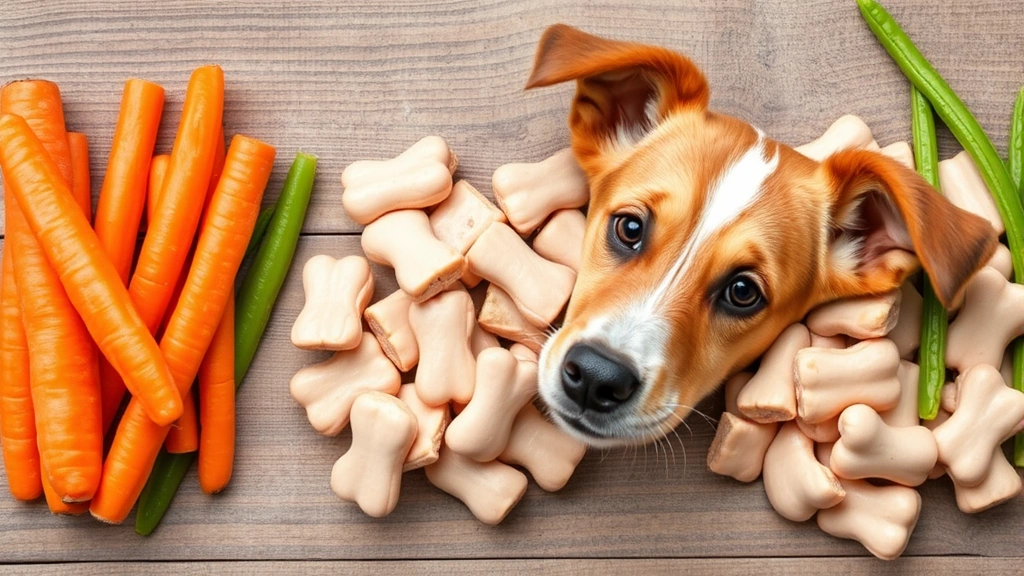
If your dog enjoys crunchy textures, there are healthier alternatives to satisfy that craving. Carrots, apples (without seeds), and green beans provide satisfying crunch with minimal calories and added health benefits. Many dogs also enjoy frozen treats made from dog-safe ingredients, which provide both the cold sensation and texture variety without the nutritional risks of pork rinds.
It’s also worth exploring whether dogs can safely enjoy chips or other crunchy human snacks, as these often present similar concerns to pork rinds. Understanding the broader category of processed snacks helps you make consistently good choices for your pet’s nutrition.
Understanding Other Pork Products for Dogs
Beyond pork rinds, there are several other pork products that dog owners wonder about. Determining if bacon is bad for dogs is important because many owners want to share breakfast scraps with their pets. Bacon, like pork rinds, is high in fat and salt, and should only be offered very occasionally in tiny amounts, if at all.
Another common question involves whether dogs can eat pork chop bones. Cooked bones of any kind, including pork chop bones, pose splintering hazards and can cause intestinal blockages or perforations. Raw pork bones carry risks of bacterial contamination and parasites. Bones should generally be avoided unless they’re specifically designed for dogs.
When considering any pork product for your dog, the key factors are: processing level, fat content, sodium content, presence of harmful seasonings, and texture safety. More natural, less processed pork products are generally safer than highly processed options. Additionally, knowing which seasonings dogs can have helps you understand why many human pork products are unsuitable, as garlic, onion, and excessive salt are common in pork snacks.
According to the ASPCA’s guide to human foods to avoid, processed pork products with high sodium and fat content should be limited in canine diets. This guidance supports the recommendation to avoid pork rinds as a regular treat.
Best Practices for Feeding Your Dog
When it comes to treating your dog, following proper guidelines ensures their long-term health and happiness. The general recommendation is that treats should comprise no more than 10% of your dog’s daily caloric intake, with the remaining 90% coming from their regular, balanced dog food. This ensures your dog receives complete and balanced nutrition while still enjoying the pleasure of occasional treats.
Always introduce new foods slowly and in small quantities, observing your dog for any signs of digestive upset or allergic reactions. Some dogs may have sensitivities to pork products even though pork isn’t inherently toxic. If your dog shows signs of vomiting, diarrhea, or lethargy after consuming a new food, contact your veterinarian.
Consider your dog’s individual health status when choosing treats. Dogs with a history of pancreatitis, obesity, heart disease, or digestive issues require extra caution with high-fat foods. Older dogs and certain breeds prone to weight gain should also avoid high-calorie snacks. Your veterinarian can provide personalized recommendations based on your dog’s specific health needs.
Store treats safely and keep them out of reach to prevent your dog from accessing them without permission. Many dogs are opportunistic eaters and will consume anything available if given the chance. This is particularly important with pork rinds, which might be left on a coffee table or desk where curious dogs could grab them.
When your dog begs for food from your plate, resist the temptation to share unless you’re certain the food is safe. Teaching your dog that table scraps aren’t available helps prevent unhealthy eating habits and potential poisoning from dangerous foods. Instead, offer appropriate dog treats or redirect their attention to their own toys and treats.
Veterinary nutritionists recommend consulting with your vet about the best treat options for your specific dog. They can recommend treats that support your dog’s health goals, whether that’s weight management, dental health, or addressing specific nutritional needs. This professional guidance is especially valuable for dogs with health concerns or dietary restrictions.
Frequently Asked Questions
Will one pork rind hurt my dog?
A single pork rind is unlikely to cause immediate serious harm to a healthy adult dog, but it’s not recommended. The risk depends on your dog’s size, health status, and individual sensitivity. Small dogs face greater risk from a single pork rind due to their smaller size and lower caloric needs. Dogs with pancreatitis history, obesity, or sensitive stomachs face higher risks even from small amounts. Rather than testing whether your dog can handle pork rinds, it’s better to avoid them entirely and choose safer treat options.
What should I do if my dog accidentally ate pork rinds?
If your dog ate a small amount of pork rinds, monitor them for signs of distress including vomiting, diarrhea, abdominal pain, lethargy, or loss of appetite. Most healthy dogs will tolerate a small accidental exposure without serious problems. However, if your dog consumed a large quantity, is showing any symptoms, or has a history of pancreatitis or sensitive digestion, contact your veterinarian immediately. Provide information about how many pork rinds were consumed and when, as this helps your vet determine the appropriate response.
Are unsalted pork rinds safer for dogs?
Unsalted pork rinds are marginally better than salted varieties, but they’re still not recommended for dogs. The primary concern with pork rinds isn’t just the salt content—it’s the extremely high fat content. Even unsalted pork rinds can trigger pancreatitis, contribute to obesity, and cause digestive upset. Removing the salt doesn’t address the underlying nutritional problems that make pork rinds inappropriate for canine diets. There are many better treat options available that don’t carry these risks.
Can I give my dog plain cooked pork instead of pork rinds?
Yes, plain cooked pork is significantly safer than pork rinds and can be offered occasionally in small amounts. Prepare it by cooking pork thoroughly without any added seasonings, oils, or salt. Remove all bones and fatty portions before offering it to your dog. Plain cooked pork provides protein without the excessive fat and salt found in pork rinds. However, it should still only be an occasional treat, not a regular part of your dog’s diet, and it should never replace their complete and balanced dog food.
What are the best treats to give my dog instead?
Excellent treat options include plain carrots, green beans, apples (without seeds), plain cooked chicken breast, and commercial dog treats specifically formulated for canine nutrition. These options provide satisfaction and enjoyment while supporting your dog’s health. Many dogs love the crunch of carrots or green beans, providing that satisfying texture without the nutritional drawbacks of pork rinds. You can also freeze these items for a refreshing treat. Always choose treats sized appropriately for your dog to prevent choking hazards.
Can puppies have pork rinds?
Puppies should definitely avoid pork rinds. Young dogs have developing digestive systems and different nutritional requirements than adults. The high fat content in pork rinds is even more problematic for puppies, as it can interfere with proper growth and development. Additionally, puppies are at higher risk from choking hazards due to their tendency to swallow without thorough chewing. Focus on providing age-appropriate puppy food and treats formulated specifically for growing dogs.
How do I know if my dog has eaten too many fatty foods?
Signs that your dog may have consumed too many fatty foods include vomiting, diarrhea, abdominal pain or bloating, lethargy, loss of appetite, or pancreatitis symptoms such as severe abdominal pain and repeated vomiting. Over time, excessive fatty food consumption leads to obesity, evidenced by weight gain, difficulty moving, and increased panting. If you notice any of these signs, contact your veterinarian. In the case of acute symptoms like severe vomiting or abdominal pain, seek emergency veterinary care immediately.





