

Can Dogs Have Tortilla Chips? Safety Tips for Pet Owners
As a dog owner, you’ve probably experienced that moment when your furry friend gives you those irresistible puppy-dog eyes while you’re enjoying a snack. Tortilla chips are a popular human snack, and it’s natural to wonder if it’s safe to share them with your beloved canine companion. The short answer is that while plain tortilla chips aren’t toxic to dogs, they’re far from an ideal treat and come with several important considerations you should understand before offering them to your pet.
Dogs have different nutritional needs than humans, and what seems like a harmless snack to us can sometimes cause digestive upset or other health issues for our four-legged friends. In this comprehensive guide, we’ll explore everything you need to know about tortilla chips and your dog’s health, including potential risks, safer alternatives, and practical safety tips to keep your pup happy and healthy.
Whether you’re sitting at a party with a bowl of tortilla chips or preparing snacks for your family gathering, understanding the facts will help you make informed decisions about what your dog can safely enjoy. Let’s dive into the details and answer all your questions about this popular snack and canine nutrition.
Are Tortilla Chips Safe for Dogs?
The answer to whether dogs can have tortilla chips depends largely on the specific type and ingredients. Plain, unsalted tortilla chips made from corn are technically not poisonous to dogs, but that doesn’t necessarily mean they’re safe or recommended. Most commercial tortilla chips contain added salt, oils, and various seasonings that can be problematic for your dog’s health when consumed regularly or in large quantities.
When considering whether dogs can eat chips in general, it’s important to recognize that these snacks are processed foods designed for human consumption. Your dog’s digestive system works differently than yours, and foods that are fine for us may cause issues for them. Even a single tortilla chip is unlikely to cause serious harm, but making it a habit or allowing your dog to consume them regularly could lead to nutritional imbalances and health problems.
Nutritional Content and Concerns
Tortilla chips are primarily composed of corn, oil, and salt. While corn itself isn’t harmful to dogs in small quantities, the way it’s processed into chips creates several nutritional concerns. These snacks are high in calories and fat relative to their nutritional value, meaning they provide empty calories that can contribute to weight gain without offering any significant health benefits.
A typical serving of tortilla chips contains approximately 150 calories and 9 grams of fat per ounce, with minimal protein or fiber. For a small dog, just a handful of chips could represent a significant portion of their daily caloric intake. This is particularly concerning because obesity in dogs is linked to numerous health problems, including joint issues, diabetes, and heart disease.
When you compare tortilla chips to plain corn tortillas, you’ll notice that the chips have significantly more added salt and oil. Plain corn tortillas are a better option if you want to give your dog a corn-based treat, though they should still be given sparingly and without added toppings or seasonings.
Salt and Seasonings: The Real Dangers
The primary concern with tortilla chips isn’t the corn itself, but rather the excessive salt content. Most commercial tortilla chips contain significant amounts of sodium, which can be harmful to dogs. While dogs do need some salt in their diet, they require far less than the amount found in processed snacks.
Excessive sodium intake in dogs can lead to:
- Increased thirst and urination
- Dehydration
- High blood pressure
- Kidney problems in dogs with existing health conditions
- Electrolyte imbalances
Beyond salt, many flavored tortilla chips contain additional seasonings that can be problematic. Garlic and onion powder, commonly found in seasoned chips, are toxic to dogs and can damage their red blood cells. Even in small quantities, these ingredients can cause gastrointestinal upset and more serious complications in sensitive dogs. Some tortilla chips may also contain spices like chili powder or cayenne pepper, which can irritate your dog’s digestive system.
If your dog has accidentally consumed seasoned tortilla chips, monitor them closely for signs of distress. For guidance on handling accidental ingestion of potentially harmful foods, you might want to review what to do if your dog eats something harmful, as the principles are similar.

Potential Health Risks
Beyond the immediate concerns of salt and seasonings, tortilla chips present several potential health risks for dogs. Understanding these risks will help you make better decisions about your pet’s diet and snacking habits.
Weight Gain and Obesity
The high fat and calorie content of tortilla chips can quickly contribute to weight gain, especially in dogs with lower activity levels or those prone to obesity. A dog that weighs 30 pounds only needs approximately 400-500 calories per day, depending on their activity level. A single ounce of tortilla chips could represent 25-30% of their daily caloric allowance, leaving little room for nutritious meals.
Digestive Issues
Many dogs have sensitive digestive systems, and the high fat content in tortilla chips can trigger various digestive problems. Your dog might experience vomiting, diarrhea, or constipation after consuming chips. In some cases, fatty foods can lead to pancreatitis, a serious inflammatory condition of the pancreas that requires veterinary treatment.
Choking Hazard
Depending on your dog’s size and eating habits, tortilla chips could pose a choking hazard. Dogs that eat quickly without properly chewing their food are at particular risk. The hard, brittle texture of chips can also potentially cause oral injuries or broken teeth in senior dogs or those with dental problems.
Nutritional Imbalance
When dogs consume too many empty-calorie snacks like tortilla chips, they consume fewer nutrient-dense foods that their bodies need. This can lead to nutritional deficiencies over time, affecting their coat quality, energy levels, and overall health. While some foods like cheese can be given occasionally as treats, they should never replace proper nutrition from balanced dog food.
What to Do If Your Dog Eats Tortilla Chips
If your dog has eaten tortilla chips, don’t panic. A small amount of plain tortilla chips is unlikely to cause serious harm. However, the appropriate response depends on several factors, including the quantity consumed, the type of chips, and your dog’s individual health status.
Assess the Situation
First, determine what your dog ate. Was it a single chip or a handful? Were the chips plain or heavily seasoned? Did they contain any ingredients like garlic or onion powder? The answers to these questions will help you determine whether you need to contact your veterinarian.
Monitor Your Dog
Watch your dog closely for the next 12-24 hours. Signs of distress include vomiting, diarrhea, lethargy, excessive drooling, or loss of appetite. Most dogs who consume a small amount of plain tortilla chips will experience no symptoms at all, but it’s important to be vigilant.
Contact Your Veterinarian
If your dog consumed a large quantity of chips, flavored chips with potentially harmful ingredients, or if you notice any symptoms of illness, contact your veterinarian immediately. They can provide professional guidance based on your dog’s specific situation. For ongoing digestive issues, you might want to consult about remedies for upset stomachs in dogs.
Adjust Your Dog’s Diet
If your dog ate tortilla chips, you may need to reduce their regular food intake slightly that day to prevent overfeeding. However, don’t skip meals entirely, as this could cause other digestive issues.
Safer Snack Alternatives for Your Dog
If you want to treat your dog to something crunchy and satisfying, there are many safer alternatives to tortilla chips that provide nutritional value without the health risks.
Healthy Crunchy Treats
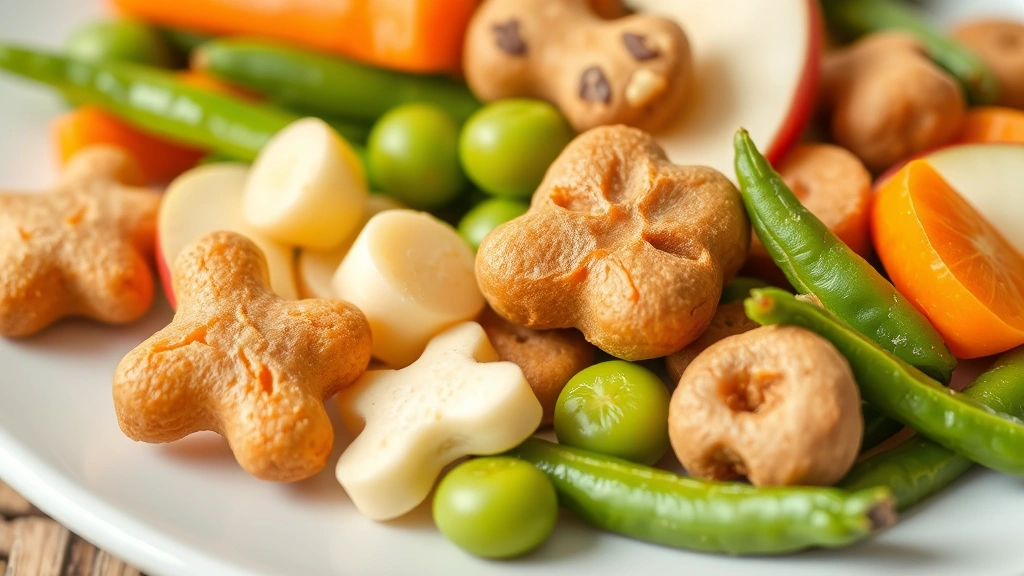
- Carrots: Raw or cooked carrots are excellent low-calorie treats that promote dental health. They’re rich in vitamins and fiber, making them a nutritious choice.
- Apple slices: Remove the seeds and core, then offer small apple slices as a refreshing treat. Apples are high in fiber and vitamin C.
- Green beans: These are low in calories and packed with nutrients. Many dogs enjoy them both raw and cooked.
- Sweet potato chews: Baked sweet potato strips provide a nutritious, naturally sweet treat that satisfies the craving for something crunchy.
- Watermelon: This hydrating fruit is low in calories and perfect for hot days. Remove seeds and rind before serving.
Commercial Dog Treats
Look for dog treats specifically formulated for canine nutrition. High-quality dog treats should list meat as the primary ingredient and avoid artificial preservatives, colors, and flavors. Always check the calorie content and ensure treats make up no more than 10% of your dog’s daily caloric intake.
DIY Dog Treat Recipes
Making homemade dog treats allows you to control the ingredients and ensure they’re nutritionally appropriate for your pet. Simple recipes using ingredients like peanut butter (xylitol-free), plain pumpkin, oats, and carrots can create delicious and healthy treats that your dog will love.
Frequently Asked Questions
Can dogs eat plain tortilla chips without salt?
Plain, unsalted tortilla chips are safer than seasoned varieties, but they’re still not ideal. They’re high in fat and calories and lack nutritional value. Occasionally, a plain tortilla chip won’t harm your dog, but they shouldn’t become a regular treat. If you want to give your dog a corn-based snack, plain corn is a better choice.
What about baked tortilla chips versus fried?
Baked tortilla chips are slightly better than fried ones because they contain less fat and oil. However, they typically still contain added salt and other seasonings. The calorie difference is minimal, so neither type is ideal for dogs. If your dog accidentally eats a baked chip, the risk is slightly lower than with fried varieties.
Are tortilla chips toxic to dogs?
Plain tortilla chips are not technically toxic to dogs, but seasoned varieties containing garlic, onion powder, or excessive salt can be harmful. The primary issue is that they’re unhealthy and unnecessary for your dog’s diet rather than being acutely toxic. However, if your dog consumes large quantities of seasoned chips, contact your veterinarian.
How many tortilla chips can a dog safely eat?
Ideally, your dog shouldn’t eat tortilla chips regularly. If your dog accidentally eats one or two plain chips, it’s unlikely to cause problems. However, making it a habit isn’t recommended. Treats should comprise no more than 10% of your dog’s daily caloric intake, and that 10% should come from nutritious options rather than processed snacks.
What should I do if my dog ate flavored tortilla chips?
Check the ingredient list for harmful ingredients like garlic powder, onion powder, or xylitol. If any of these are present, contact your veterinarian immediately. Monitor your dog closely for signs of illness including vomiting, diarrhea, lethargy, or loss of appetite. Even if no harmful ingredients are present, the high salt and fat content may cause digestive upset.
Can puppies eat tortilla chips?
Puppies should definitely avoid tortilla chips. Their developing digestive systems are even more sensitive than adult dogs, and they require carefully balanced nutrition for proper growth and development. Feeding puppies junk food can interfere with their nutritional development and establish bad eating habits early on.
Are there any health benefits to tortilla chips for dogs?
No. Tortilla chips provide no nutritional benefits for dogs. They contain empty calories, excessive salt, and often harmful additives. Any crunchy satisfaction your dog gets from eating chips can be achieved with healthier alternatives that actually provide nutritional value.
In conclusion, while tortilla chips aren’t toxic to dogs, they’re not a healthy treat choice for your canine companion. The combination of excessive salt, high fat content, and potential harmful seasonings makes them an unnecessary risk. By understanding the risks and choosing healthier alternatives, you can ensure your dog enjoys treats that are both safe and nutritious. Remember, the best way to show your dog love is through proper nutrition, regular exercise, and lots of affection—not through sharing your snacks. When in doubt about what foods are safe for your dog, consult with your veterinarian for personalized guidance based on your pet’s individual health needs and dietary requirements.





