

Can Dogs Take Pepto Bismol? Vet-Approved Advice
If your furry friend is experiencing digestive upset, you might naturally reach for the same over-the-counter remedy you’d use for yourself. But before you give your dog Pepto Bismol, it’s crucial to understand whether this common medication is safe for canines. Many pet owners wonder if their dogs can benefit from this pink liquid, but the answer is more nuanced than a simple yes or no.
As a responsible pet parent, you want to make informed decisions about your dog’s health and well-being. This comprehensive guide will walk you through everything you need to know about Pepto Bismol and dogs, including when it might be appropriate, potential risks, and safer alternatives for treating your pup’s digestive troubles.
What is Pepto Bismol?
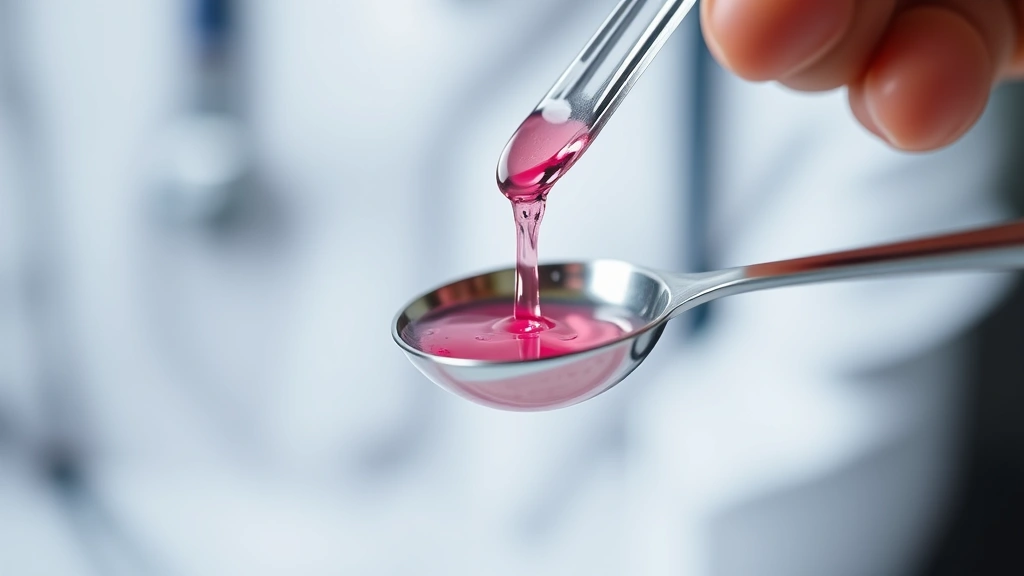
Pepto Bismol is an over-the-counter antacid and anti-diarrheal medication that has been used by humans for decades. The active ingredient is bismuth subsalicylate, a compound that works by reducing inflammation in the stomach and intestines and killing certain bacteria that can cause digestive issues. The medication comes in liquid form (the iconic pink liquid), tablets, and chewables.
For humans, Pepto Bismol is commonly used to treat heartburn, indigestion, nausea, and diarrhea. It’s been a staple in medicine cabinets since 1901, making it one of the longest-standing digestive remedies available. However, what works for human digestive systems doesn’t always translate well to our canine companions.
The mechanism of action involves bismuth subsalicylate coating the stomach lining and intestinal tract, creating a protective barrier. Additionally, it has antimicrobial properties that can help reduce bacterial overgrowth. Understanding how this medication works is important when considering whether it’s appropriate for dogs.
Can Dogs Take Pepto Bismol?
The short answer is: sometimes, but with significant caution and veterinary guidance. Unlike some human medications that are completely off-limits for dogs, Pepto Bismol exists in a gray area. Some veterinarians may recommend it in specific situations, while others prefer alternative treatments. The key factor is that dogs can have Pepto Bismol in limited circumstances, but it requires professional medical oversight.
The FDA has not officially approved Pepto Bismol for veterinary use, which means there are no standardized dosing guidelines specifically for dogs. This lack of official approval doesn’t necessarily mean it’s dangerous, but it does mean that any use should be carefully considered and discussed with your veterinarian.
If you’re asking yourself can I give my dog Pepto Bismol, the answer depends on several factors including your dog’s age, weight, overall health status, and the specific digestive issue they’re experiencing. What might be safe for one dog could be problematic for another.
Safety Concerns and Risks
Before considering whether you can give dogs Pepto Bismol, it’s essential to understand the potential risks involved. Several safety concerns make veterinarians cautious about recommending this medication for canines.
Salicylate Sensitivity
The most significant concern is that Pepto Bismol contains bismuth subsalicylate, which is a salicylate compound. Dogs can be sensitive to salicylates, and in some cases, this sensitivity can lead to serious complications. Salicylates are similar in structure to aspirin, and dogs should not receive aspirin without explicit veterinary approval.
This sensitivity can manifest as gastrointestinal irritation, increased bleeding risk, or other adverse reactions. Dogs with existing gastrointestinal issues may be particularly vulnerable to salicylate-related problems.
Kidney and Liver Concerns
Bismuth is metabolized through the kidneys and liver. Dogs with compromised kidney or liver function may struggle to properly process and eliminate bismuth from their systems. This accumulation could potentially lead to toxicity over time.
Senior dogs and those with pre-existing organ conditions are at higher risk for complications. If your dog falls into either of these categories, Pepto Bismol should be avoided unless your veterinarian specifically recommends otherwise.
Allergic Reactions
Some dogs may have allergic reactions to ingredients in Pepto Bismol. Symptoms can include itching, hives, facial swelling, or difficulty breathing. Additionally, the liquid formulation contains artificial sweeteners and dyes that may not be well-tolerated by all dogs.
Drug Interactions
If your dog is currently taking other medications, Pepto Bismol could interact with them. Bismuth subsalicylate can interfere with the absorption of certain drugs and may enhance the effects of others, potentially leading to complications.
Dosage Guidelines if Prescribed
If your veterinarian has specifically recommended Pepto Bismol for your dog, strict adherence to their dosage instructions is absolutely critical. Never assume that the human dosage can be scaled down for your dog’s weight.
Typically, if a vet recommends it, the general guideline might be approximately 1 teaspoon per 10 pounds of body weight, given every 6-8 hours. However, this is not a substitute for veterinary guidance. Your vet may recommend a different dosage based on your individual dog’s circumstances.
Important dosing considerations include:
- Never exceed the recommended frequency or duration your vet suggests
- Use a proper measuring device—never guess at amounts
- Monitor your dog closely for any adverse reactions
- Don’t continue use beyond the timeframe your vet recommends
- If your dog vomits after administration, don’t give another dose without consulting your vet
Safer Alternatives for Dogs
Fortunately, there are several safer alternatives to Pepto Bismol that veterinarians often recommend for treating canine digestive issues. These options have been specifically studied in dogs and have established safety profiles.
Veterinary-Prescribed Medications
Your veterinarian can prescribe medications specifically formulated for dogs that treat similar symptoms to Pepto Bismol but with better safety profiles. These might include probiotics, prescription anti-diarrheal medications, or anti-nausea drugs designed specifically for canine use.
Probiotics and Digestive Enzymes
High-quality probiotics designed for dogs can help restore healthy gut bacteria and improve digestive function. These are generally very safe and can be particularly helpful when your dog’s digestive system needs support. Look for products specifically formulated for canine digestion.
Bland Diet Options
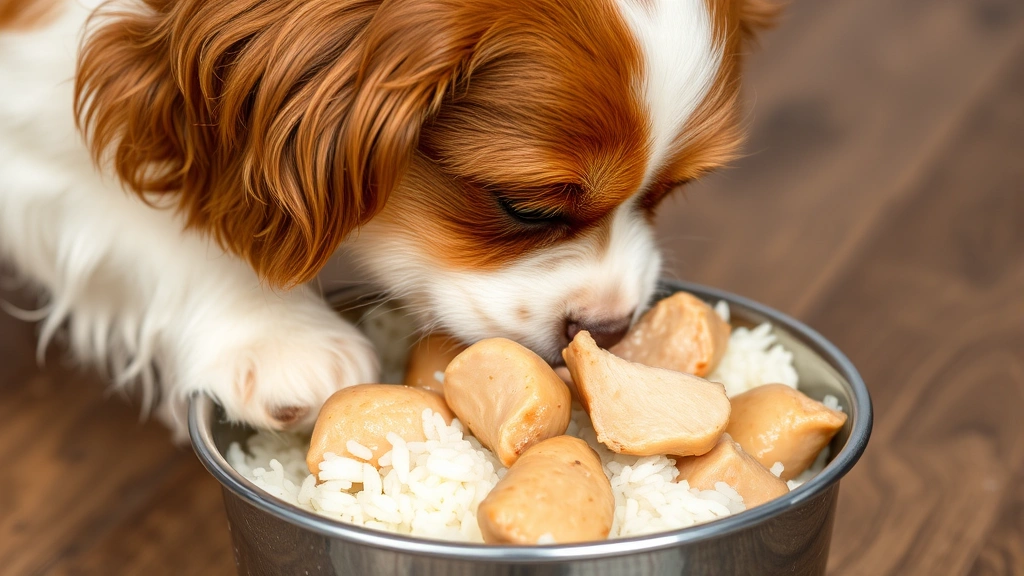
When considering what to feed a dog with diarrhea, a bland diet is often recommended as a first-line treatment. Plain boiled chicken, white rice, and pumpkin puree are gentle on the digestive system and can help firm up stools naturally.
Pumpkin Puree
Plain pumpkin puree (not pie filling) is an excellent natural remedy for both diarrhea and constipation in dogs. It’s high in fiber and has soothing properties. A tablespoon or two added to your dog’s food can work wonders for minor digestive upset.
Bone Broth
Homemade bone broth (made without garlic or onion) can be soothing for the digestive tract and provides beneficial nutrients. It’s both hydrating and gentle, making it ideal for dogs recovering from digestive issues.
Rest and Hydration
Sometimes the best treatment for minor digestive upset is simply allowing your dog’s system to rest. Ensure your dog has access to fresh water at all times, and consider feeding smaller, more frequent meals rather than large portions.
When to Call Your Veterinarian
If your dog is experiencing digestive issues, knowing when to seek professional help is crucial. While minor upset stomachs often resolve on their own, certain symptoms warrant immediate veterinary attention.
Seek Immediate Care If:
- Diarrhea lasts longer than 24-48 hours
- Your dog shows signs of severe dehydration (dry gums, lethargy)
- There is blood in the stool or vomit
- Your dog is vomiting repeatedly and unable to keep anything down
- Your dog seems to be in pain or distress
- Your senior dog or a dog with pre-existing conditions shows digestive symptoms
- Your dog has ingested something potentially toxic
When you do speak with your vet about digestive issues, be prepared to discuss how to stop diarrhea in dogs safely and what options are best for your specific pet. Your vet can help you understand whether medications are necessary or if dietary adjustments will suffice.
General Questions to Ask Your Vet
During your consultation, ask your veterinarian about the safest options available. Specifically inquire about what you can give a dog for upset stomach and whether Pepto Bismol would be appropriate for your dog’s particular situation.
Frequently Asked Questions
Is Pepto Bismol toxic to dogs?
Pepto Bismol isn’t necessarily toxic to dogs in small quantities, but it carries enough risks that it’s not recommended as a first-line treatment. The bismuth subsalicylate can cause issues in certain dogs, especially those with sensitivities, kidney problems, or liver disease. Always consult your vet before giving it to your dog.
Can puppies have Pepto Bismol?
Puppies should generally not receive Pepto Bismol without explicit veterinary approval. Their systems are still developing, and they may be more sensitive to the medication’s effects. If your puppy has digestive issues, consult your vet about age-appropriate alternatives.
What’s the difference between Pepto Bismol and Imodium for dogs?
Both are over-the-counter anti-diarrheal medications, but they work differently. Imodium (loperamide) is sometimes recommended by vets for dogs in specific situations, while Pepto Bismol carries more concerns. Neither should be given without veterinary guidance, as anti-diarrheal medications can sometimes be harmful if diarrhea is caused by infection.
How long does it take for Pepto Bismol to work in dogs?
If a veterinarian has prescribed it, Pepto Bismol typically begins working within 30 minutes to an hour. However, the duration and effectiveness can vary based on the underlying cause of digestive upset.
Can I give my dog Pepto Bismol chewables instead of liquid?
The formulation doesn’t significantly change the safety concerns. Whether liquid or chewable, the active ingredient (bismuth subsalicylate) remains the same. Your vet should approve the specific formulation and dosage, regardless of the form.
What should I do if I’ve already given my dog Pepto Bismol?
If you’ve given your dog Pepto Bismol and are concerned, contact your veterinarian or ASPCA Animal Poison Control Center for guidance. A single dose is unlikely to cause serious harm, but monitoring your dog for any adverse reactions is important.
Are there dog-specific digestive medications I should know about?
Yes, several medications and supplements are formulated specifically for dogs. Consult the American Kennel Club expert advice section or your veterinarian for recommendations on dog-specific digestive support products.





