
Can I Pet That Dog Meme: What You Need to Know
If you’ve scrolled through social media in the last few years, you’ve almost certainly encountered the “Can I Pet That Dog?” meme. This hilarious and endearing internet phenomenon has captured the hearts of dog lovers everywhere, spawning countless variations and becoming a cultural touchstone for anyone who’s ever wanted to pet a dog they’ve encountered. But what’s really behind this meme, and what does it tell us about our relationship with our four-legged friends?
The meme resonates because it perfectly captures a universal experience: that irresistible urge to pet every dog you see, combined with the social awkwardness of actually asking a stranger if you can approach their beloved companion. Whether you’re a seasoned dog enthusiast or just someone who can’t resist a wagging tail, this meme speaks to something deep within our collective dog-loving consciousness.
In this comprehensive guide, we’ll explore the origins of this viral sensation, break down what makes it so funny, and dive into the real-world etiquette of petting dogs you don’t know. We’ll also discuss the science behind why we’re so drawn to dogs and what it means when dogs like to be petted.
The Origins of the Meme
The “Can I Pet That Dog?” meme doesn’t have a single definitive origin point, which is typical of many internet phenomena. Rather, it evolved organically from the collective experience of dog lovers who found themselves in awkward social situations. The most recognizable format features a person or character with an eager, hopeful expression, often depicted in a position of vulnerability or desperation, asking the titular question to someone holding a dog.
The meme gained significant traction around 2017-2018, though variations existed before then. What made it stick was its relatability—practically everyone who loves dogs has experienced that moment of hesitation before approaching a stranger’s pet. The format became a way to humorously express that internal struggle between desire and social propriety.
One particularly famous variation involves the character from “Toy Story,” specifically the moment when Buster (Andy’s dog) interacts with other characters. Another popular iteration uses images of adorable animals or people with exaggerated expressions of longing. The beauty of the meme is that it’s infinitely adaptable, allowing creators to insert any character or person into the scenario.
As the meme evolved, it became less about the literal question and more about expressing desire, anticipation, or hope in any situation. However, the original dog-petting context remains the most beloved and widely recognized version.
Why Is It So Funny?
The humor in the “Can I Pet That Dog?” meme operates on multiple levels. First, there’s the obvious comedic element: the exaggerated desperation or cuteness of the person asking. This visual humor is immediately accessible and doesn’t require much explanation.
Second, there’s the universal relatability factor. Most people can recall a moment when they wanted to pet a dog but weren’t sure if they should ask. This shared experience creates an instant connection with the meme, making it inherently funny because it’s so true to life. We recognize ourselves in that hopeful expression.
Third, the meme plays with social anxiety and awkwardness in a lighthearted way. There’s something comedic about the vulnerability of asking permission for something you desperately want. The meme transforms this everyday social interaction into an absurdly endearing moment.
Finally, the meme’s humor is enhanced by the fact that dogs are universally beloved. By combining a relatable social scenario with something that almost everyone finds adorable, the meme taps into a deep well of positive emotion. It’s funny because it celebrates something we all love: dogs.
Popular Variations and Formats
Over the years, the “Can I Pet That Dog?” meme has spawned numerous creative variations. One popular format involves the meme being applied to situations with other animals, including the famous “can I pet that dog bear” variation, which humorously applies the meme to bear encounters.
Another common variation uses the “Polite Cat” or other animal characters, swapping out the dog for different creatures. Some versions feature celebrities or fictional characters in the role of the eager petter, while others show famous dogs on the receiving end of the request.
The meme has also been adapted to work with completely unrelated scenarios. People use it to express desire for anything from food to concert tickets to vacation destinations. The core format—someone with an eager, hopeful expression asking permission for something they want—has become a template for expressing longing in general.
Social media platforms like TikTok and Instagram have spawned video versions of the meme, where people act out the scenario or create transition videos that play with the format. These adaptations keep the meme fresh and allow new generations of internet users to participate in the joke.
Real-World Etiquette: Can You Actually Pet That Dog?
While the meme is funny, it also touches on a genuine social question: what’s the proper etiquette for petting someone else’s dog? The answer isn’t always straightforward, but there are some general guidelines that can help.
First and foremost, you should always ask permission before petting someone else’s dog. This is both a matter of respect for the owner and safety for yourself. Not all dogs are friendly with strangers, and some may have behavioral issues or medical conditions that make petting uncomfortable or dangerous.
When asking, approach the owner calmly and make eye contact. Use a friendly tone and be respectful of their answer, whether it’s yes or no. If they agree, ask if there are any specific areas of the dog’s body you should avoid petting. Some dogs are sensitive about their ears, paws, or tail.
Pay attention to the dog’s body language. Even if the owner says it’s okay to pet their dog, the dog might not be in the mood for interaction. Understanding do dogs like being pet requires reading their nonverbal cues, which we’ll discuss in more detail below.
If you encounter a dog without its owner nearby, it’s best to avoid petting it altogether. Stray or loose dogs may be frightened or aggressive, and you can’t assess their temperament without professional help.
The Science Behind Our Dog-Petting Obsession
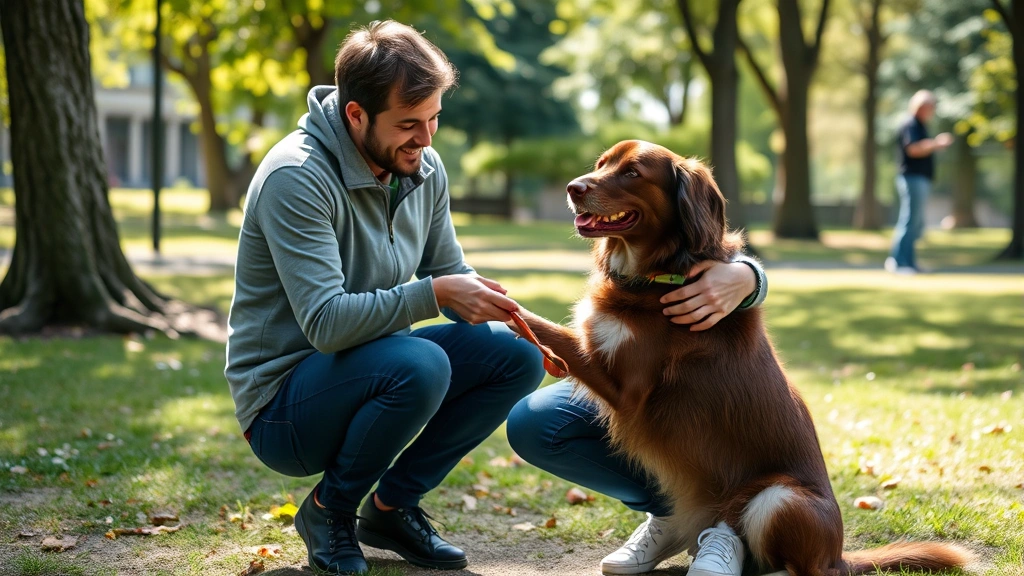
Why are we so drawn to petting dogs? The answer lies in both neurobiology and evolutionary psychology. When we pet a dog, both humans and dogs experience a release of oxytocin, often called the “bonding hormone.” This chemical creates a sense of calm and connection in both species.
According to research from the American Kennel Club, petting a dog can lower human blood pressure and reduce stress levels. This is why therapy dogs are so effective in hospitals, nursing homes, and other high-stress environments.
From an evolutionary perspective, our attraction to dogs makes sense. Dogs have been domesticated for thousands of years, and both species have evolved to respond positively to each other. Dogs have developed features that trigger our nurturing instincts—floppy ears, big eyes, and soft fur all contribute to what scientists call the “baby schema effect.”
The act of petting is also deeply ingrained in human behavior. We pet things we love and care about, and this behavior extends from human infants to animals. It’s a form of non-verbal communication that signals affection and trust.
Interestingly, why do dogs like belly rubs is directly related to this bonding mechanism. When a dog exposes its belly and allows you to pet it, they’re showing trust and engaging in the same bonding process that we experience.
Reading Dog Body Language
To pet a dog safely and respectfully, you need to understand what their body language is telling you. A dog that wants to be petted will typically display several positive signs.
A happy, receptive dog will have a relaxed posture, with their tail wagging at a moderate pace. Their ears will be in a natural position (not pinned back against their head), and their mouth may be slightly open in what looks like a smile. Their eyes will be soft and may show what’s sometimes called “puppy dog eyes.”
A dog that doesn’t want to be petted will show different signals. They may have a stiff body posture, with their tail held high or tucked between their legs. Their ears might be pinned back, and they may avoid eye contact or stare intensely. Some dogs will lick their lips repeatedly or yawn, which can indicate stress. A growl, snap, or attempt to move away are obvious signs to stop and give the dog space.
It’s worth noting that some dogs show mixed signals. They might enjoy petting for a short time before becoming uncomfortable. This is why it’s important to watch for changes in their body language during the petting session. If a dog’s demeanor shifts, it’s time to stop and step back.
Understanding does my dog know i love him involves recognizing these communication signals. Dogs express their affection and comfort through their body language, and learning to read it is essential for anyone who wants to interact with dogs safely.
Safety Tips for Petting Unfamiliar Dogs
Beyond asking permission and reading body language, there are several specific safety tips you should follow when petting an unfamiliar dog.
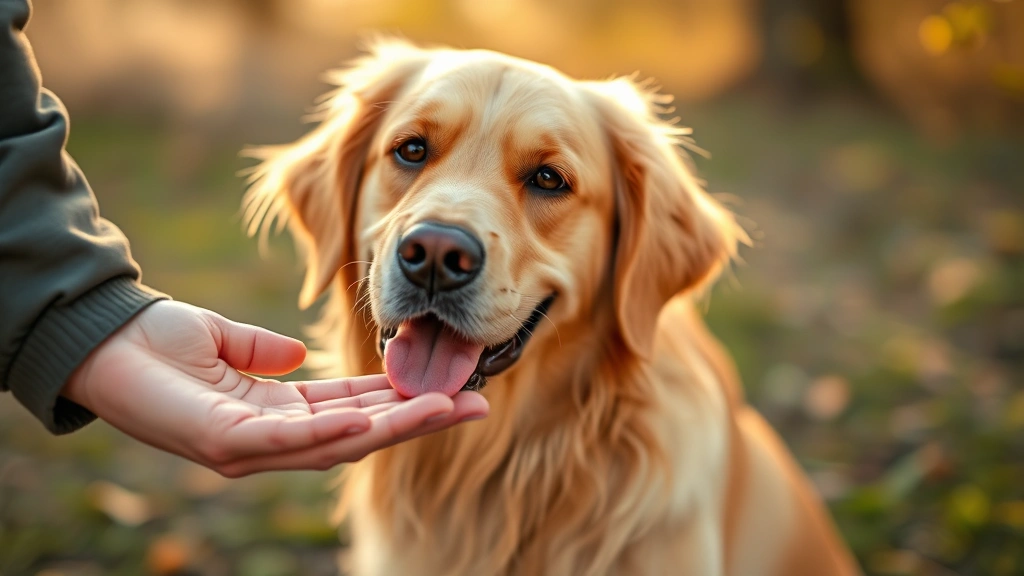
First, approach slowly and let the dog sniff your closed hand. This allows the dog to get your scent and assess whether you’re a threat. If the dog seems interested and friendly, you can proceed with gentle petting.
When petting, use slow, gentle strokes in the direction of the dog’s hair growth. Most dogs enjoy being petted on their head, neck, and back. Avoid sensitive areas like the paws, tail, and belly unless you know the dog well and have been given permission by the owner.
Never pet a dog from above their head in a way that might seem threatening. Instead, approach from the side or below. This is less likely to trigger a defensive response.
If a dog shows any signs of aggression or discomfort, immediately stop petting and step away. Don’t try to run or make sudden movements, as this can trigger a chase response. Instead, calmly back away while facing the dog.
Be especially cautious with dogs that are eating, sleeping, or caring for puppies. These situations can make dogs protective or territorial. Similarly, avoid petting dogs that are on leashes held by people who seem uncomfortable or who have warned you that their dog doesn’t like strangers.
According to the ASPCA, dog bites are often preventable through proper etiquette and understanding. By following these guidelines, you can significantly reduce the risk of a negative interaction.
Understanding how to know if your dog loves you through their body language will help you recognize when a dog is genuinely comfortable and happy to receive affection from you.
Frequently Asked Questions
Is it ever okay to pet a dog without asking the owner?
Generally, no. Even if a dog appears friendly, you should always ask the owner for permission first. Owners know their dogs best and can tell you if there are any behavioral issues or health concerns you should be aware of. The only exception might be in a professional setting like a dog park where it’s understood that dogs will interact with other people, but even then, it’s courteous to ask nearby owners.
What should I do if a dog growls at me?
If a dog growls, take it as a clear warning sign and stop whatever you’re doing immediately. Back away slowly and calmly without making direct eye contact. Don’t try to pet the dog or comfort it, as this could escalate the situation. Let the owner handle their dog, and give them space to manage the situation. Growling is a dog’s way of communicating that they’re uncomfortable or feel threatened, and respecting that boundary is crucial.
Why do some dogs not like being petted?
There are several reasons why a dog might not enjoy being petted. Some dogs have had negative experiences with people and may be fearful or anxious. Others might have medical conditions that make petting uncomfortable, such as skin allergies or joint pain. Some dogs simply have lower tolerance for physical contact than others—it’s part of their individual personality. Additionally, some dogs may have been poorly socialized as puppies and didn’t learn to enjoy human touch. Respecting a dog’s preferences is important for their wellbeing and safety.
Can I pet a service dog?
No, you should never pet a service dog without explicit permission from their handler. Service dogs are working, and petting them can distract them from their important job, which could put their handler at risk. Always ask the handler before attempting any interaction with a service dog, and respect their answer if they say no.
What’s the best way to pet a dog I’ve just met?
Start by asking the owner for permission and any relevant information about their dog. Then, approach slowly and allow the dog to sniff your hand. Use gentle, slow strokes along the direction of their hair growth, focusing on areas like the head, neck, and back. Watch the dog’s body language carefully and be prepared to stop if they show any signs of discomfort. Short, gentle sessions are better than prolonged petting sessions with unfamiliar dogs.
Do all dogs enjoy being petted?
Not all dogs enjoy being petted equally. While most dogs appreciate gentle affection from people they trust, some dogs have lower tolerance for physical contact. Individual personality, past experiences, health status, and breed tendencies all play a role in how much a dog enjoys being petted. It’s important to recognize and respect each dog’s individual preferences and boundaries.
How can I tell if my petting is bothering a dog?
Watch for signs like stiffening body posture, ears pinning back, tail tucking, lip licking, yawning, or attempts to move away. If a dog’s tail stops wagging or changes from a happy wag to a slower, lower wag, this can also indicate decreasing enjoyment. Additionally, if a dog turns their head to mouth your hand (even gently) or if they look away, these are subtle signs that they might want the petting to stop. Always prioritize the dog’s comfort and stop petting if you notice any of these signals.





