

Can You Give a Dog Pepto? Vet-Approved Advice for Pet Parents
If your furry friend is experiencing digestive upset, you’ve probably wondered whether common over-the-counter remedies like Pepto-Bismol could help. As a pet parent, it’s natural to want quick relief for your dog’s stomach troubles, but the answer to whether you can give a dog Pepto isn’t as straightforward as it might seem. This comprehensive guide will help you understand the facts, risks, and safer alternatives for treating your dog’s digestive issues.
Pepto-Bismol has been a household staple for human digestive problems for decades, but our canine companions have different physiological needs and sensitivities. While some veterinarians may recommend it in specific situations, there are important considerations and potential risks you need to know about before giving it to your dog. Understanding these nuances will help you make informed decisions about your pet’s health and comfort.
In this article, we’ll explore the science behind Pepto-Bismol, examine whether it’s truly safe for dogs, discuss proper dosing if your vet recommends it, and most importantly, explore safer and more effective alternatives for managing your dog’s digestive health.
What is Pepto-Bismol and How Does It Work?
Pepto-Bismol’s active ingredient is bismuth subsalicylate, a compound that has been used to treat digestive issues in humans since 1901. The medication works through several mechanisms: it reduces inflammation in the stomach and intestines, has mild antimicrobial properties, and helps reduce the secretion of fluids in the digestive tract. These properties make it effective for addressing human indigestion, diarrhea, and nausea.
The pink liquid or tablet formulation is designed specifically for human metabolism and absorption rates. When taken as directed, it typically provides relief within 30 minutes to an hour for most people. However, dogs process medications differently than humans do, and their digestive systems have different pH levels and bacterial compositions. This fundamental difference is why what works for us doesn’t automatically work safely for our four-legged companions.
Understanding how Pepto-Bismol functions in the human body is the first step toward recognizing why veterinarians approach its use in dogs with caution. The medication’s effects on canine physiology are not as well-studied or predictable as they are in humans, which is a key reason many vets recommend exploring other options first.
Safety Concerns: Can Dogs Have Pepto-Bismol?
The short answer is: it depends, and you should always consult your veterinarian before giving Pepto-Bismol to your dog. While some vets may recommend it in specific situations, there are several important safety concerns to consider. The primary worry centers around salicylates, which are chemically related to aspirin. Dogs can be sensitive to salicylate compounds, and excessive exposure may lead to gastrointestinal irritation or bleeding issues.
Bismuth subsalicylate can also interfere with certain medications and may not be appropriate for dogs with specific health conditions. Dogs with bleeding disorders, those taking blood thinners, or dogs with existing gastrointestinal ulcers should definitely avoid Pepto-Bismol. Additionally, the medication can cause dark or black stools, which might be alarming and can make it difficult to assess whether your dog’s condition is actually improving.
Another concern is that can you give a dog Pepto safely depends heavily on your individual dog’s health status. Senior dogs, puppies, pregnant dogs, and those with compromised immune systems may have heightened sensitivity to the medication. The artificial sweeteners and additives in some Pepto-Bismol formulations could also pose problems for certain dogs, particularly those with food sensitivities.
Research from the American Kennel Club suggests that while bismuth subsalicylate is not inherently toxic to dogs at recommended doses, it’s not the first-line treatment veterinarians recommend. The lack of extensive clinical trials in dogs means we simply don’t have as much data about long-term safety compared to other options.
Dosage Guidelines If Your Vet Approves
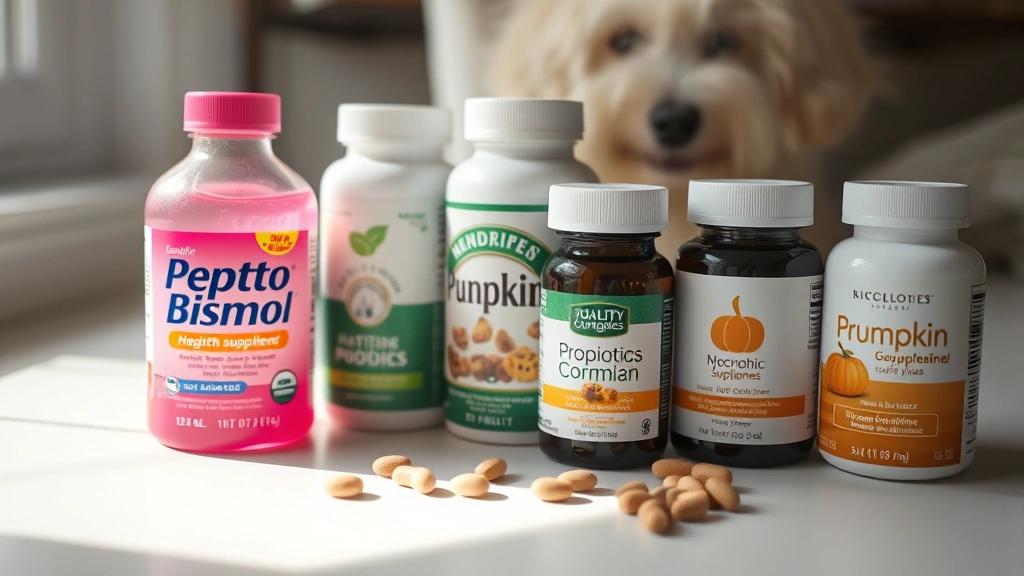
If your veterinarian specifically recommends Pepto-Bismol for your dog, proper dosing is absolutely critical. The general guideline is approximately 1 teaspoon (5 ml) per 10 pounds of body weight, given every 6-8 hours. However, this is just a general reference—your vet may recommend different dosing based on your dog’s specific condition, age, and overall health.
For example, a 30-pound dog might receive about 1.5 teaspoons every 6-8 hours, but never exceed 4 doses in 24 hours without veterinary guidance. It’s crucial to use the liquid formulation rather than tablets, as tablets are harder to dose accurately for dogs. Always measure carefully using a syringe or measuring spoon rather than guessing.
Duration of treatment should typically not exceed 48 hours without veterinary reassessment. If your dog’s symptoms haven’t improved after two days, or if they’ve worsened, contact your vet immediately. Signs of improvement include firmer stools, reduced vomiting, and return of normal appetite and energy levels.
When administering Pepto-Bismol, some pet parents find it easier to mix it with a small amount of food or a treat to encourage their dog to take it willingly. However, never force-feed medication to your dog, as this can create stress and negative associations with treatment.
Safer Alternatives for Upset Stomachs
Before considering Pepto-Bismol, explore these safer, vet-approved alternatives that are specifically formulated for canine digestive health. Many of these options have stronger evidence supporting their safety and efficacy in dogs.
Probiotics and Prebiotics: These beneficial bacteria and fiber compounds help restore healthy gut flora and are considered very safe for most dogs. Products like FortiFlora are specifically designed for dogs and can help resolve digestive upset naturally. They work by promoting the growth of beneficial bacteria and improving overall digestive function.
Bland Diet Approach: Feeding a bland diet of boiled chicken and white rice is often the first recommendation from veterinarians for mild digestive upset. This gentle approach gives the digestive system time to recover without medication. You can learn more about what to feed a dog with diarrhea through evidence-based resources to ensure you’re providing optimal nutrition during recovery.
Pumpkin: Plain canned pumpkin (not pie filling) is rich in fiber and can help regulate bowel movements. A tablespoon or two mixed into food can help with both constipation and diarrhea. The soluble fiber helps absorb excess water and promotes healthy intestinal function.
Bone Broth: Low-sodium bone broth provides hydration, collagen, and amino acids that support gut healing. Many dogs find it palatable, making it easier to maintain nutrition during digestive upset. Ensure it contains no garlic or onions, which are toxic to dogs.
Veterinary-Prescribed Medications: Your vet may recommend medications specifically designed for dogs, such as metronidazole for bacterial overgrowth or famotidine for acid reflux. These drugs have been extensively studied in canine patients and dosing is well-established.
For more comprehensive strategies, explore our guide on how to stop diarrhea in dogs to discover multiple evidence-based approaches that work synergistically. Additionally, understanding what can you give a dog for upset stomach opens up a world of safer options that many vets prefer to recommend first.
When to Contact Your Veterinarian
While mild digestive upset is often manageable at home, certain situations require immediate veterinary attention. If your dog experiences any of the following symptoms, don’t wait—contact your vet right away:
- Vomiting that lasts more than a few hours or contains blood
- Severe or persistent diarrhea lasting more than 24 hours
- Signs of abdominal pain such as hunching, whining, or reluctance to move
- Loss of appetite lasting more than 12 hours
- Lethargy or unusual behavior changes
- Signs of dehydration such as dry gums or excessive panting
- Bloody stools or stools with mucus
- Weight loss or failure to improve after home care
Your veterinarian can perform a physical examination, run diagnostic tests if needed, and determine the underlying cause of your dog’s digestive upset. Sometimes what appears to be simple indigestion could indicate a more serious condition like pancreatitis, food allergies, intestinal parasites, or inflammatory bowel disease.
The ASPCA Animal Poison Control Center recommends contacting a professional if you’re unsure about any medication or supplement’s safety for your dog. When in doubt, it’s always better to err on the side of caution and get professional guidance.
Before giving your dog any over-the-counter medication, including can I give my dog Pepto Bismol, schedule a consultation with your vet. They can assess your dog’s specific situation and recommend the most appropriate treatment plan. This preventive approach often saves money in the long run by avoiding complications from inappropriate treatment.
Frequently Asked Questions
Is Pepto-Bismol toxic to dogs?
Pepto-Bismol is not considered toxic to dogs at recommended doses, but it’s not the ideal first-line treatment either. The bismuth subsalicylate can cause side effects in some dogs, particularly those with certain health conditions. Always consult your veterinarian before administering it to your pet.
Can I give my dog Pepto-Bismol for diarrhea?
While some veterinarians may recommend it for diarrhea in specific situations, there are often safer alternatives available. Bland diet, probiotics, and pumpkin are typically recommended first. If your vet suggests Pepto-Bismol specifically for your dog’s diarrhea, follow their dosing instructions carefully.
What are the side effects of Pepto-Bismol in dogs?
Potential side effects include dark or black stools, constipation, vomiting, and in rare cases, salicylate sensitivity reactions. Some dogs may experience allergic reactions. If you notice any unusual symptoms after giving Pepto-Bismol, contact your veterinarian immediately.
How long does Pepto-Bismol take to work in dogs?
If it works for your dog, you might see improvement within 30 minutes to a few hours, similar to its effects in humans. However, results vary significantly between individual dogs, and some may not respond well to the medication at all.
Can puppies take Pepto-Bismol?
Puppies should not receive Pepto-Bismol without explicit veterinary approval. Their developing digestive systems are more sensitive, and there are safer alternatives specifically formulated for young dogs. Always consult your vet before giving any medication to a puppy.
What’s the difference between liquid and tablet Pepto-Bismol for dogs?
Liquid formulations are generally easier to dose accurately for dogs compared to tablets. Tablets can be difficult to break into appropriate portions, making precise dosing challenging. If your vet recommends Pepto-Bismol, ask whether the liquid or tablet form is preferable for your dog.
Can I give my dog Pepto-Bismol with food?
Yes, you can mix liquid Pepto-Bismol with food or a small treat to encourage your dog to take it. However, ensure your dog actually consumes the full dose. Never force-feed medication, as this creates stress and negative associations.
Are there natural alternatives to Pepto-Bismol for dogs?
Absolutely. Natural alternatives include probiotics, pumpkin, bone broth, slippery elm bark, and ginger. Many of these have research supporting their safety and effectiveness for canine digestive health. Your veterinarian can recommend the best natural option for your dog’s specific situation.
Should I call my vet before giving Pepto-Bismol?
Yes, definitely. Even though Pepto-Bismol is available over-the-counter for humans, it’s wise to call your vet before giving it to your dog. They can assess your dog’s health status, recommend appropriate treatment, and ensure there are no drug interactions with any medications your dog is taking.





