
Can You Use Baby Wipes on Dogs? Safety Tips and Best Practices
As a dog owner, you’re constantly looking for convenient ways to keep your furry friend clean and fresh. When you spot a pack of baby wipes in your bathroom cabinet, you might wonder: can I just use these on my dog? It’s a tempting shortcut, especially during those moments when your pup comes in from playing in the mud or needs a quick cleanup between baths. But before you grab those wipes, there’s important information you need to know about their safety and effectiveness for your canine companion.
The question of whether baby wipes are safe for dogs is more nuanced than a simple yes or no. While some baby wipes may be gentler than regular cleaning products, they’re not specifically formulated for your dog’s unique skin and coat needs. Understanding the differences between human and canine skin, knowing what ingredients to avoid, and learning about safer alternatives will help you make the best decision for your pet’s health and comfort.
In this comprehensive guide, we’ll explore everything you need to know about using baby wipes on dogs, including safety considerations, potential risks, and expert-recommended alternatives that will keep your dog clean while protecting their skin health.
Understanding Your Dog’s Skin
To answer the question of whether you can use baby wipes on dogs, you first need to understand how a dog’s skin differs from human skin. This fundamental difference is crucial to making informed decisions about what products you use on your pet.
Your dog’s skin has a significantly different pH level than human skin. While human skin is naturally acidic with a pH of around 4.5 to 5.5, dog skin is much more neutral, ranging from 6.5 to 7.5. This difference might seem small, but it has major implications for skin health. Your dog’s skin relies on this more neutral pH to maintain its natural protective barrier and to support the beneficial bacteria and oils that keep their coat healthy.
Additionally, dog skin is thinner and more sensitive than human skin. Dogs have approximately 15,000 skin cells per square inch, whereas humans have around 16,000—but the difference lies in the structure and sensitivity of those cells. This thinner barrier makes dogs more susceptible to irritation from products not formulated for their specific needs. The outer layer of your dog’s skin, called the stratum corneum, is also more permeable, meaning substances can penetrate more easily.
The skin of a dog also serves different functions than human skin. It’s designed to regulate body temperature more efficiently and to provide protection in various weather conditions. The natural oils produced by your dog’s skin—called sebum—are essential for maintaining this protective barrier and keeping their coat healthy and shiny.
What’s in Baby Wipes?
Baby wipes are formulated specifically for human infant skin, which has its own unique needs and sensitivities. To determine if they’re safe for dogs, you need to understand what ingredients are typically found in these products.
Most baby wipes contain water as their primary ingredient, which is generally safe. However, they also typically include:
- Preservatives: Such as methylisothiazolinone (MIT), phenoxyethanol, or parabens, which prevent bacterial and fungal growth
- Surfactants: Mild cleansing agents that help remove dirt and oils
- Emollients: Ingredients like aloe vera, vitamin E, or plant oils that soften and soothe skin
- Fragrance: Both natural and synthetic fragrances designed to smell pleasant to humans
- pH adjusters: Ingredients to maintain the product’s acidity level for human skin
- Alcohol: In some formulas, used as a preservative and drying agent
While many of these ingredients are considered safe for human babies, they may not be ideal for your dog. The preservatives, fragrances, and pH adjusters are all designed for human infant skin, not canine skin. Some dogs may experience irritation or allergic reactions to these components.
Safety Concerns and Risks
Now let’s address the primary concern: what are the actual risks of using baby wipes on your dog?
The most significant risk is disrupting your dog’s skin pH balance. When you apply products with a pH designed for human skin to your dog, you’re potentially damaging their natural protective barrier. This can lead to increased susceptibility to bacterial and fungal infections, dry skin, and general irritation. Over time, repeated use of improperly formulated products can compromise your dog’s skin health significantly.
Fragrances present another concern. Many baby wipes contain fragrances—both natural and synthetic—that can irritate a dog’s sensitive nose and skin. Dogs have a far superior sense of smell compared to humans, and what smells pleasant to you might be overwhelming or irritating to your pet. Some dogs may even experience allergic reactions to specific fragrance components.
Certain preservatives used in baby wipes, particularly methylisothiazolinone (MIT), have been associated with contact dermatitis in some dogs. While the concentration in baby wipes is generally low, repeated exposure could potentially trigger reactions in sensitive individuals. This is especially concerning if your dog already has skin conditions like hot spots or other dermatological issues.
If your dog ingests residue from baby wipes—which can happen during grooming—certain ingredients might cause digestive upset. While baby wipes are generally considered non-toxic, they’re not meant to be consumed, and some ingredients could cause mild gastrointestinal distress.

When Baby Wipes Might Be Acceptable
Despite the concerns outlined above, there are limited situations where using baby wipes on your dog might be acceptable as a temporary solution.
If you’re using fragrance-free, hypoallergenic baby wipes specifically designed for sensitive skin, the risk is significantly reduced. These products typically have fewer potentially irritating ingredients and are formulated with gentler preservatives. However, even these aren’t ideal for regular use on dogs.
For occasional, emergency cleanups—such as removing mud from your dog’s paws immediately after a walk before a proper bath—fragrance-free baby wipes could work in a pinch. The key is making this truly occasional and not a regular grooming practice. If you’re doing this, ensure you thoroughly rinse the area afterward with clean water to remove any residue.
Some veterinarians suggest that fragrance-free baby wipes are less problematic than many other human cleaning products. This is true when compared to products like Dawn dish soap or other harsh cleaners. However, this doesn’t make them an ideal choice for routine dog care.
The important distinction is that occasional use of fragrance-free baby wipes is likely not going to cause serious harm to most healthy dogs, but regular use could lead to skin issues over time. The better approach is to use products specifically formulated for dogs whenever possible.
Safer Alternatives for Dog Cleaning
The good news is that there are many safe, effective alternatives to baby wipes that are specifically designed for your dog’s needs.
Dog-Specific Wipes: The best alternative is to use wipes formulated specifically for dogs. These products are pH-balanced for canine skin and typically contain fewer potentially irritating ingredients. Dog wipes often include beneficial ingredients like oatmeal, aloe vera, or chamomile that are soothing to dog skin. They’re readily available at pet stores and online retailers and aren’t significantly more expensive than baby wipes.
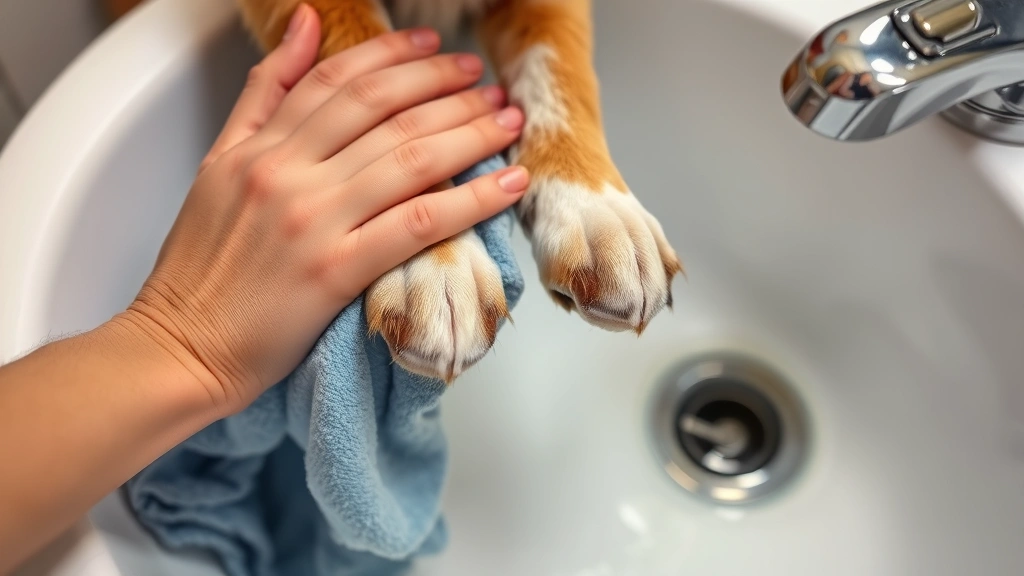
Plain Water and Soft Cloth: For quick cleanups, sometimes the simplest solution is the best. A soft, damp cloth with plain water can effectively remove surface dirt from your dog’s paws, face, or body without any risk of irritation. This is particularly useful for muddy paws after outdoor activities.
Microfiber Towels: These specialized towels are excellent for drying and cleaning your dog. They’re gentle on the skin and highly absorbent. Many dog owners use microfiber towels specifically designed for pet grooming to quickly dry their dogs after outdoor activities.
If you’re considering other human products for your dog, understand that baby shampoo requires careful consideration just like baby wipes do. Similarly, products like Head and Shoulders shampoo are absolutely not appropriate for dogs and should never be used.
Oatmeal-Based Solutions: For dogs with dry or irritated skin, a solution made from colloidal oatmeal and water can be very soothing. Colloidal oatmeal is finely ground oatmeal that dissolves in water and is excellent for calming inflamed skin. You can make this at home or purchase pre-made solutions.
Hypoallergenic Dog Shampoos: For more thorough cleaning, hypoallergenic dog shampoos are formulated to be gentle on sensitive skin while still effectively removing dirt and oils. These are ideal for regular bathing and come in various formulations for different coat types and skin conditions.
Paw Cleaning Solutions: There are specialized products designed specifically for cleaning dog paws. These often come in containers where you can dip your dog’s paws to rinse away dirt and debris. They’re particularly useful for dogs that spend a lot of time outdoors.
Best Practices for Dog Hygiene
Beyond the question of baby wipes, let’s discuss best practices for maintaining your dog’s overall hygiene and skin health.
Regular Bathing: Most dogs benefit from bathing every 4-12 weeks, depending on their breed, activity level, and skin condition. Use lukewarm water and a dog-specific shampoo formulated for their skin type. Always rinse thoroughly to remove all shampoo residue, as leftover product can irritate skin and cause itching.
Spot Cleaning: Between baths, spot cleaning specific areas keeps your dog fresh. Use dog wipes, a damp cloth, or specialized spot-cleaning products rather than attempting full baths. This is particularly important for areas that get dirty frequently, such as paws and the rear end.
Ear Cleaning: Regular ear maintenance is important for dog health. If you need to clean your dog’s ears, learn the proper technique for cleaning a dog’s ears to avoid causing damage or pushing debris deeper into the ear canal.
Skin Inspections: During grooming, regularly inspect your dog’s skin for any abnormalities. Look for redness, flaking, lumps, or other changes. If you notice anything concerning, such as skin tags or other growths, consult your veterinarian.
Paw Care: Clean your dog’s paws daily, especially after outdoor activities. This removes dirt, prevents infections, and allows you to check for injuries. Pay special attention to the space between the toes where debris and moisture can accumulate.
Dietary Considerations: A healthy diet rich in omega-3 and omega-6 fatty acids promotes healthy skin and coat. Discuss your dog’s nutritional needs with your veterinarian to ensure they’re getting proper nutrition for optimal skin health.
Professional Grooming: Depending on your dog’s breed and coat type, professional grooming every 4-8 weeks can help maintain skin health. Professional groomers are trained to identify skin issues and can use appropriate products and techniques.
Hydration: Ensure your dog has access to fresh, clean water at all times. Proper hydration supports skin health from the inside out.
Frequently Asked Questions
Are fragrance-free baby wipes safe for dogs?
Fragrance-free baby wipes are safer than scented varieties, as they eliminate the irritation risk from fragrances. However, they still aren’t formulated for dog skin and may disrupt the pH balance. Occasional use on fragrance-free baby wipes is unlikely to cause harm, but dog-specific wipes remain the better choice for regular use.
What should I do if my dog has a reaction to baby wipes?
If your dog shows signs of irritation—such as redness, excessive itching, rash, or swelling—after exposure to baby wipes, stop using them immediately. Rinse the affected area with clean water. If the reaction persists or worsens, contact your veterinarian. Your vet can determine if it’s an allergic reaction or contact dermatitis and recommend appropriate treatment.
Can I use baby wipes on my dog’s face?
It’s best to avoid using baby wipes on your dog’s face, as the face is particularly sensitive and close to the eyes. If you need to clean your dog’s face, use a soft, damp cloth with plain water or a product specifically designed for facial cleaning on dogs. Be especially careful around the eyes.
Are there any dogs that shouldn’t have baby wipes used on them?
Dogs with existing skin conditions, allergies, or sensitivities should absolutely not have baby wipes used on them. Puppies and senior dogs with more delicate skin are also poor candidates for baby wipes. Dogs with breed-specific skin sensitivities—such as Bulldogs, Shar-Peis, or dogs prone to yeast infections—should only use products specifically formulated for their needs.
How often can I safely use baby wipes on my dog?
If you must use baby wipes, limit it to occasional use only—no more than once or twice a month for spot cleaning. Regular use could accumulate irritating ingredients and disrupt your dog’s skin pH balance. For regular cleaning needs, switch to dog-specific wipes or other appropriate alternatives.
What’s the difference between baby wipes and dog wipes?
Dog wipes are specifically formulated with a pH balance appropriate for canine skin, typically around 6.5-7.5. They often contain beneficial ingredients like oatmeal or aloe vera and are designed to avoid irritating ingredients. Baby wipes are formulated for human infant skin with a lower pH and different ingredient profiles. The difference, while it might seem subtle, is significant for your dog’s skin health.
Can I make homemade dog wipes?
Yes! You can make simple dog wipes by mixing water with a small amount of coconut oil or by using plain water with soft cloths or paper towels. For a slightly more elaborate option, you can create a solution with water and a drop or two of dog-safe essential oil like chamomile. Store these in a sealed container and use within a few days. Always patch test any new solution on a small area first.
In conclusion, while baby wipes aren’t toxic to dogs and occasional use of fragrance-free varieties is unlikely to cause serious harm, they’re simply not the best choice for your canine companion. Your dog’s skin has unique needs that are best served by products specifically formulated for them. Invest in dog-specific wipes, or use simple alternatives like plain water and soft cloths for routine cleaning. Your dog’s skin health is worth the small extra effort of using appropriate products. When in doubt about what’s safe for your dog, consult with your veterinarian, who can recommend products specifically suited to your individual pet’s needs and skin condition. By making informed choices about the products you use on your dog, you’re taking an important step toward ensuring their long-term health and comfort.
For more information about what products are safe for your dog, consult resources from the American Kennel Club, the ASPCA, or your veterinarian. You can also check the American Animal Hospital Association for science-based information on pet care products and practices.





