
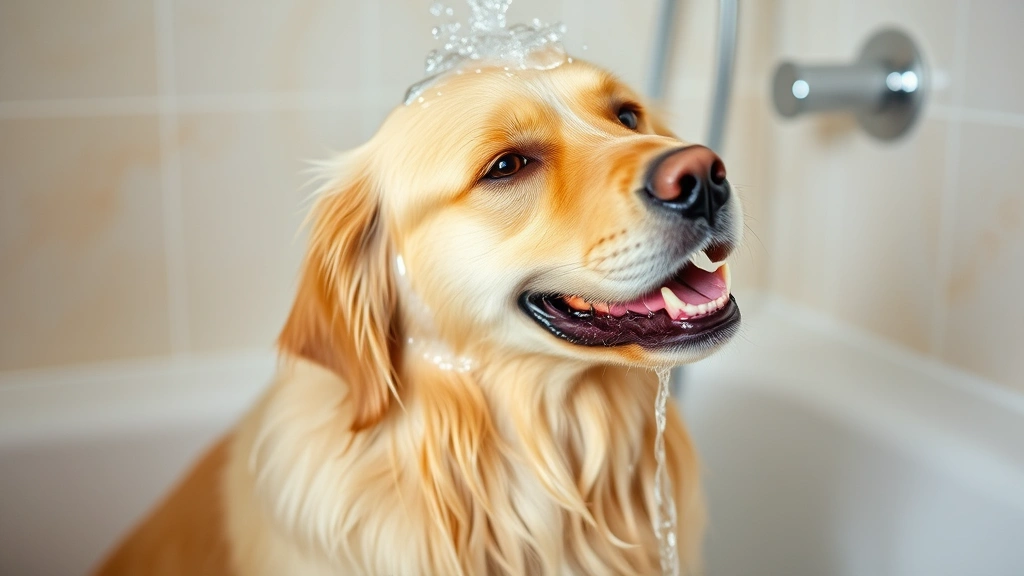
Can You Use Head and Shoulders on Dogs? Expert Advice
As a dog owner, you want the best for your furry companion, especially when it comes to their health and hygiene. When your pup starts scratching more than usual or you notice flaky skin, it’s natural to wonder if you can reach for products already in your bathroom cabinet. Head and Shoulders is a popular dandruff shampoo used by millions of people worldwide, so the question becomes: can you use it on your dog?
The short answer is no, you should not use Head and Shoulders on dogs. While it might seem like a convenient solution, this human-formulated product contains ingredients and has a pH balance that can be harmful to your canine companion. Understanding why requires looking at the differences between human and dog skin, as well as what makes Head and Shoulders potentially dangerous for pets.
In this comprehensive guide, we’ll explore everything you need to know about using human shampoos on dogs, why Head and Shoulders specifically poses risks, and what safe alternatives you should consider for your dog’s skin and coat health.
Why Head and Shoulders Is Unsafe for Dogs
Head and Shoulders is specifically formulated for human scalp conditions and human skin chemistry. Dogs have fundamentally different skin structures and needs compared to humans, which makes human personal care products potentially problematic for our four-legged friends.
The primary concern with using Head and Shoulders on dogs relates to its formulation. This product contains zinc pyrithione, a potent antifungal and antibacterial agent designed to treat human dandruff. While effective for people, this ingredient can be too harsh for a dog’s more sensitive skin. Additionally, the shampoo contains fragrances and other additives that may irritate your dog’s skin or cause allergic reactions.
Using the wrong shampoo on your dog can lead to skin irritation, dryness, itching, and in some cases, more serious dermatological issues. This is why choosing appropriate dog-specific products is so important for maintaining your pet’s skin health and comfort.
If you’re wondering about other human products, you might also want to check whether you can use baby shampoo on dogs, as this is another common question among pet owners dealing with skin issues.
Understanding Skin pH Differences
One of the most critical differences between human and dog skin is pH balance. Human skin is naturally acidic, with a pH range of approximately 4.5 to 5.5. This acidic environment helps protect human skin from harmful bacteria and fungi.
Dog skin, however, is much more neutral, with a pH range of 6.2 to 7.4. This significant difference means that products formulated for human skin can disrupt the natural pH balance of your dog’s skin. When this protective barrier is compromised, your dog becomes more susceptible to infections, irritation, and other skin problems.
Head and Shoulders, like most human shampoos, is formulated to work with human skin’s acidic pH. When applied to a dog’s more neutral skin, it can cause the skin to become overly dry, irritated, and vulnerable to secondary infections. This is why veterinarians consistently recommend using dog-specific shampoos that are pH-balanced for canine skin.
Harmful Ingredients in Head and Shoulders
Head and Shoulders contains several ingredients that pose risks to dogs. Let’s break down the most concerning components:
- Zinc Pyrithione: This active ingredient is the primary concern. While it effectively treats human dandruff, it can cause skin irritation and toxicity in dogs, especially with repeated use or if ingested during grooming.
- Fragrance: The perfumes and scents in Head and Shoulders can trigger allergic reactions or skin sensitivities in dogs. Many dogs have sensitive noses and skin, making fragranced products problematic.
- Sulfates: These harsh cleansing agents can strip away the natural oils that protect your dog’s skin and coat, leading to dryness and increased itching.
- Parabens: These preservatives can cause skin irritation and have been linked to various health concerns in animals.
- Salicylic Acid: Another active ingredient in some Head and Shoulders formulations, this can be too harsh for dog skin and may cause irritation or burning sensations.
If you’re dealing with specific skin conditions, it’s worth understanding what causes them. For instance, dogs can get dandruff, and the causes may differ significantly from human dandruff. Similarly, why your dog has dandruff requires a different approach than treating human dandruff.
Signs Your Dog Has Been Harmed by Human Shampoo
If you’ve accidentally used Head and Shoulders or another human shampoo on your dog, watch for these warning signs:
- Excessive scratching: Your dog may scratch more intensely than before the bath, indicating skin irritation.
- Red or inflamed skin: Look for redness, especially in areas where the shampoo had the most contact.
- Dry, flaky skin: The opposite of what you were trying to treat, human shampoos often cause increased dryness.
- Hair loss: Unusual shedding or bald patches can indicate chemical damage to the skin.
- Unpleasant odor: A funky smell emanating from your dog’s skin could signal a bacterial or fungal infection developing due to the compromised skin barrier.
- Lethargy or behavioral changes: If your dog seems unwell or acts differently after the bath, this could indicate a more serious reaction.
- Vomiting or diarrhea: If your dog ingested significant amounts during grooming, digestive upset may occur.
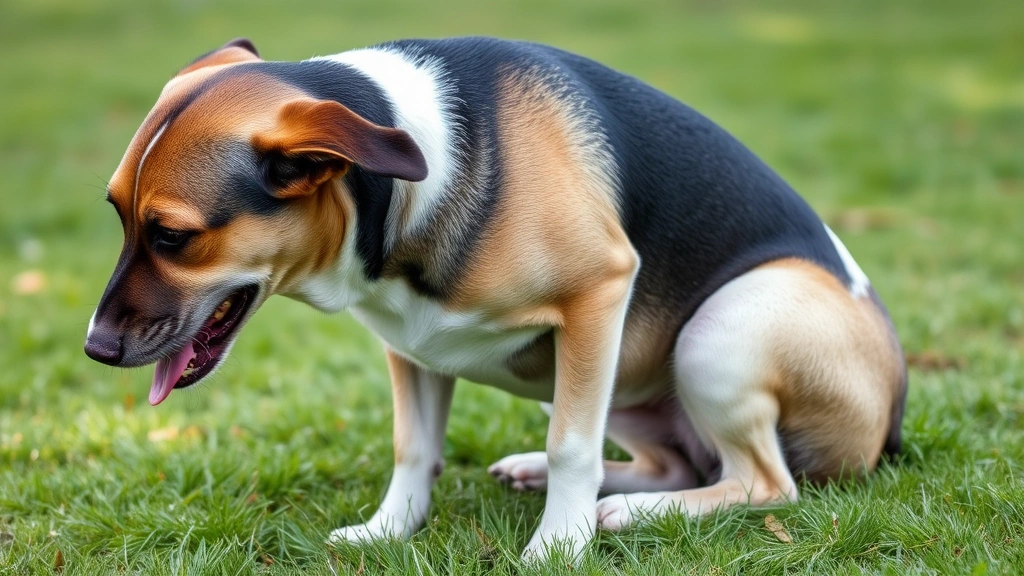
Safe Alternatives for Dog Skin Issues
Now that we’ve established why Head and Shoulders isn’t suitable for dogs, let’s explore safe alternatives for addressing your dog’s skin concerns.
Dog-Specific Medicated Shampoos
The safest option is to use shampoos specifically formulated for dogs. Many veterinary-approved medicated shampoos are available for various skin conditions, including dandruff, dry skin, allergies, and fungal infections. These products are pH-balanced for canine skin and use ingredients proven safe for dogs. Your veterinarian can recommend specific products based on your dog’s particular skin condition.
Oatmeal-Based Shampoos
Oatmeal is a gentle, natural ingredient that can soothe irritated skin and provide relief from itching. Many dog shampoos feature colloidal oatmeal as their primary ingredient, making them excellent for dogs with sensitive skin or mild irritation.
Hypoallergenic Formulas
If your dog has sensitive skin or allergies, hypoallergenic dog shampoos are specifically designed to minimize irritation. These products avoid common allergens and harsh chemicals.
When comparing options, you might wonder about other common household products. For example, whether dawn dish soap is safe for dogs is another frequent question, and the answer is similarly cautious. Additionally, understanding if you can use dawn on dogs helps clarify why specialized products matter.
Natural and Organic Options
Several natural dog shampoos use ingredients like aloe vera, tea tree oil (in safe concentrations), coconut oil, and honey. These gentler formulations can be effective for mild skin issues while minimizing the risk of irritation.
Prescription Shampoos
For more serious skin conditions, your veterinarian may prescribe specialized medicated shampoos. These are formulated with specific active ingredients to treat conditions like bacterial infections, yeast overgrowth, or severe dermatitis.
When to See a Veterinarian
If your dog is experiencing skin issues that prompted you to consider using Head and Shoulders, it’s time to consult your veterinarian. A professional can properly diagnose the underlying cause of your dog’s skin problems and recommend appropriate treatment.
Seek veterinary attention if your dog exhibits:
- Persistent scratching or licking
- Red, inflamed, or bleeding skin
- Hair loss or bald patches
- Foul-smelling skin or coat
- Scabs or pustules
- Swelling or hives
- Signs of systemic illness alongside skin problems
Your veterinarian may perform skin scrapings, fungal cultures, or other diagnostic tests to determine whether your dog has a bacterial infection, fungal infection, allergies, or other dermatological conditions. Once diagnosed, they can recommend the most effective treatment, which might include medicated shampoos, oral medications, dietary changes, or other interventions.
It’s also worth understanding that skin issues can sometimes indicate other problems. For instance, while dogs can get skin tags, these are usually benign and different from the inflammatory skin conditions that cause itching and flaking.
According to the American Animal Hospital Association, skin conditions are among the most common reasons pet owners visit veterinarians. Early professional intervention can prevent minor issues from becoming serious problems.
Frequently Asked Questions
Is Head and Shoulders toxic to dogs?
While Head and Shoulders isn’t necessarily toxic in small quantities, it contains ingredients that can cause skin irritation, allergic reactions, and other adverse effects in dogs. The zinc pyrithione and other active ingredients are formulated for human skin and can be problematic for canine skin. If your dog has ingested significant amounts or shows signs of distress after exposure, contact your veterinarian or ASPCA Animal Poison Control immediately.
What should I do if I accidentally used Head and Shoulders on my dog?
Don’t panic. If you’ve already used it once, bathe your dog immediately with a dog-appropriate shampoo to remove as much of the product as possible. Monitor your dog closely for any signs of irritation or adverse reactions over the next few days. If you notice any concerning symptoms, contact your veterinarian. Going forward, always use products specifically formulated for dogs.
Can I use any human shampoo on dogs?
No, human shampoos in general are not appropriate for dogs due to pH differences and ingredient formulations. Even gentle human shampoos can disrupt your dog’s skin barrier. Always choose products labeled specifically for dogs.
What’s the best shampoo for dogs with dandruff?
The best shampoo depends on the underlying cause of your dog’s dandruff. Your veterinarian can recommend appropriate medicated shampoos, which might include antifungal formulas if yeast is involved, antibacterial formulas if bacteria is the issue, or moisturizing formulas if dry skin is the culprit. Many dogs benefit from regular bathing with a gentle, dog-specific shampoo combined with dietary supplements containing omega-3 fatty acids.
How often should I bathe my dog?
The frequency depends on your dog’s breed, coat type, and skin condition. Most dogs benefit from bathing every 4-6 weeks with a mild dog shampoo. Dogs with skin conditions may need more frequent bathing with medicated shampoos as recommended by their veterinarian. Always use lukewarm water and avoid over-bathing, which can strip natural oils from your dog’s coat.
Are there any human products that are safe for dogs?
While most human personal care products aren’t appropriate for dogs, some ingredients are generally safe in appropriate concentrations. Plain water, certain natural oils like coconut oil (in moderation), and plain oatmeal can be safe. However, when in doubt, consult your veterinarian. It’s always better to use products specifically formulated and tested for canine use.
What causes dog dandruff?
Dog dandruff can result from various causes including dry skin, allergies, fungal or bacterial infections, poor nutrition, parasites, or underlying health conditions. This is why professional diagnosis is important. Your veterinarian can identify the specific cause and recommend targeted treatment rather than generic solutions.





