
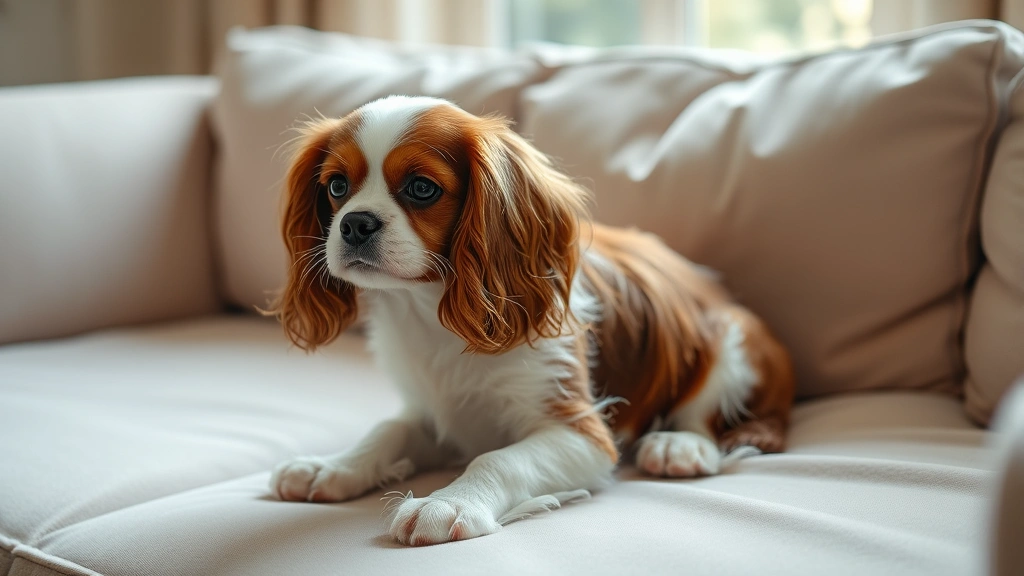
Do Cavalier King Charles Spaniels Shed? Owner Insights and Expert Tips
If you’re considering bringing a Cavalier King Charles Spaniel into your home, you’ve probably wondered about their shedding habits. These affectionate, gentle dogs are known for their beautiful silky coats and sweet temperament, but potential owners often ask: do Cavalier King Charles Spaniels shed? The short answer is yes—they shed quite a bit. Understanding the extent of their shedding and how to manage it is essential for anyone thinking about welcoming one of these charming companions into their family.
Cavalier King Charles Spaniels are moderate to heavy shedders year-round, with particularly intense shedding during spring and fall when they blow their coats. Their long, feathered fur is prone to leaving hair on furniture, clothes, and floors. However, with proper grooming and maintenance routines, you can significantly reduce the amount of loose hair in your home. This comprehensive guide will walk you through everything you need to know about Cavalier shedding, including why they shed, how to manage it effectively, and what to expect as a Cavalier owner.
Whether you’re a first-time dog owner or an experienced pet parent considering this breed, this article will provide you with practical insights and proven strategies to keep your home cleaner while keeping your Cavalier happy and healthy.
Why Do Cavalier King Charles Spaniels Shed?
Shedding is a natural biological process for dogs with double coats, and Cavalier King Charles Spaniels are no exception. Their coat consists of two layers: a soft, dense undercoat and longer, silky guard hairs on top. This double-layered structure provides insulation and protection, but it also means there’s twice as much hair that can shed.
The primary reason Cavaliers shed is to remove old, damaged, or excess hair as new growth comes in. This process helps regulate their body temperature and maintains a healthy coat. Unlike some breeds that shed minimally throughout the year, Cavaliers have a more pronounced shedding cycle tied to seasonal changes. When daylight hours increase in spring or decrease in fall, hormonal changes trigger their bodies to shed their undercoat more heavily.
Another factor contributing to shedding is the breed’s genetic makeup. Cavaliers were originally bred as lap dogs and hunting companions, and their coat was designed to withstand various weather conditions. This heritage means shedding is essentially hardwired into their DNA. It’s not something you can breed out or completely eliminate—it’s simply part of what makes a Cavalier a Cavalier.
Health conditions can also increase shedding. Allergies, skin infections, nutritional deficiencies, or hormonal imbalances can cause excessive hair loss beyond normal shedding. If you notice bald patches, skin irritation, or sudden increases in shedding, consult with your veterinarian to rule out underlying health issues.
Shedding Seasons and Patterns
Understanding the seasonal shedding patterns of Cavalier King Charles Spaniels helps you prepare and plan your grooming routine accordingly. While these dogs shed year-round, the intensity varies significantly with the seasons.
Spring Shedding: As temperatures warm and daylight increases, Cavaliers shed their heavy winter undercoat. This is typically the most intense shedding period of the year. You may notice clumps of hair coming out during brushing sessions and more fur on your furniture and clothing. This phase usually lasts 4-6 weeks, though it can extend longer in some dogs.
Summer and Fall: Shedding decreases during these months but doesn’t stop completely. The dog maintains a lighter coat to help with temperature regulation. You’ll still find hair around the house, but it’s considerably less than during the spring blowout.
Fall/Winter Transition: As daylight decreases and temperatures drop, Cavaliers begin growing their thicker winter coat. This secondary shedding period is usually less intense than spring but still noticeable. The heavy undercoat growth helps insulate them during colder months.
Winter: During winter, shedding is minimal as the dog maintains their full winter coat. However, indoor heating can sometimes trigger additional shedding, so keep this in mind if you live in a climate with harsh winters.
Individual dogs may vary in their shedding patterns. Some Cavaliers might have more pronounced seasonal cycles, while others shed more consistently throughout the year. Factors like climate, indoor temperature control, stress levels, and individual metabolism all influence shedding patterns.
Essential Grooming Tips to Reduce Shedding
While you can’t stop a Cavalier from shedding, strategic grooming can dramatically reduce the amount of loose hair ending up on your floors and furniture. Regular grooming sessions remove dead hair before it falls out naturally, keeping your home cleaner and your dog’s coat healthier.
Brushing Frequency: During heavy shedding seasons, brush your Cavalier 4-5 times per week or even daily. During lighter shedding periods, 2-3 times per week is usually sufficient. The key is consistency—regular brushing prevents mats and tangles while removing loose undercoat before it sheds.
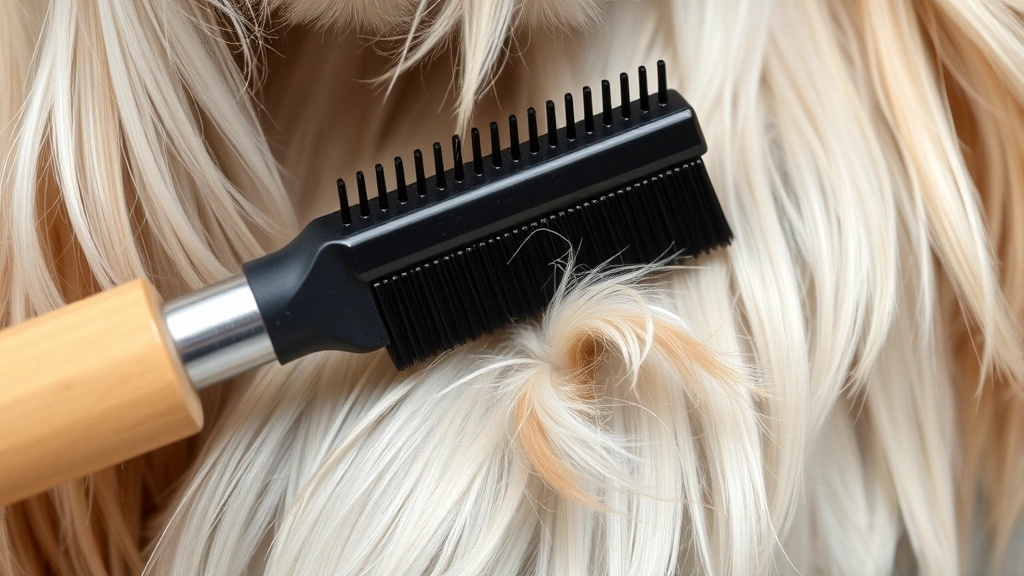
Brushing Technique: Start with a slicker brush to work through the outer coat, then use an undercoat rake or deshedding tool to remove loose undercoat hair. Work in sections, brushing in the direction of hair growth. Pay special attention to areas behind the ears, under the armpits, and around the hindquarters where mats commonly form.
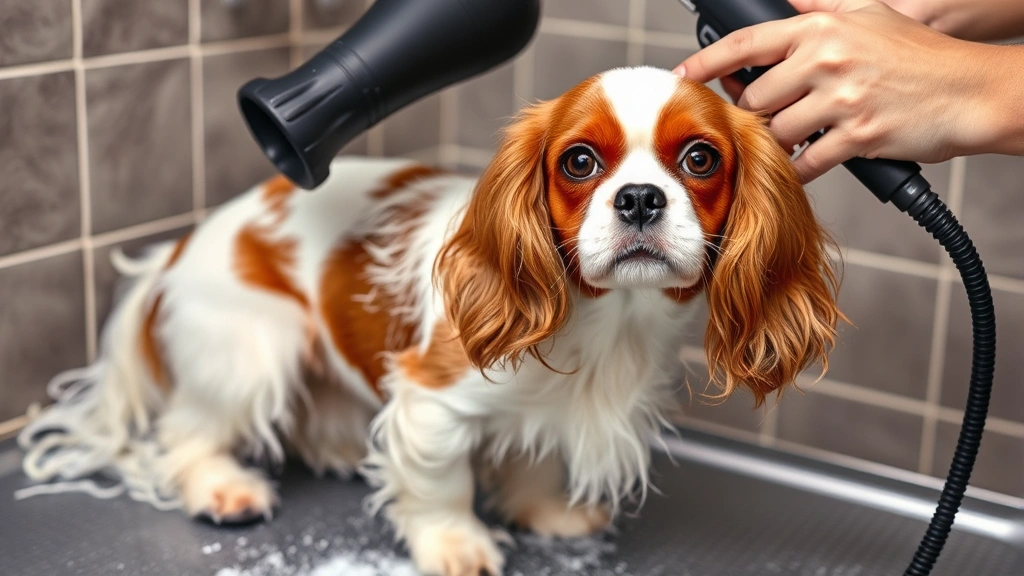
Bath Time Strategy: Bathe your Cavalier every 4-6 weeks using a high-quality dog shampoo. A warm bath helps loosen dead hair, making it easier to remove during post-bath brushing. After bathing, use a high-velocity dryer or regular dryer on a cool setting while brushing to remove massive amounts of loose undercoat. This is an excellent time to tackle shedding aggressively.
When it comes to bathing products, you might wonder if you can use baby shampoo on dogs—the answer is generally no. Dogs have different skin pH than humans, so using a proper dog-formulated shampoo is important for maintaining coat health and potentially reducing excessive shedding.
Professional Grooming: Consider professional grooming every 6-8 weeks, especially during shedding seasons. Professional groomers have commercial-grade deshedding tools and expertise to remove significantly more loose hair than most home grooming sessions. This investment can substantially reduce the hair you find around your home.
Nail and Ear Care: While brushing is the primary focus, don’t neglect other grooming tasks. Maintaining healthy ears is particularly important for Cavaliers, who are prone to ear infections. You can learn proper ear cleaning techniques by reading about how to clean a dog’s ears to prevent infections that could worsen shedding.
Best Tools and Products for Managing Shedding
Investing in the right grooming tools makes a tremendous difference in managing Cavalier shedding. Here are the essential tools every Cavalier owner should have:
- Slicker Brush: Essential for removing tangles and mats from the outer coat. Look for one with fine, short wires close together for effective detangling.
- Undercoat Rake: Specifically designed to remove loose undercoat without damaging the guard hairs. This tool is invaluable during shedding season.
- Deshedding Tool (FURminator or similar): These specialized tools remove loose undercoat efficiently. Use carefully to avoid irritating the skin.
- Metal Comb: Helps identify and remove remaining tangles after brushing and is useful for checking coat condition.
- High-Velocity Dryer: Forces water and loose hair out of the coat quickly. Professional-grade dryers are expensive but highly effective for serious shedding management.
- Grooming Gloves: Some dogs prefer the gentler sensation of grooming gloves, and they can be surprisingly effective for removing loose hair.
Beyond tools, choosing the right shampoo and conditioner matters. Look for products specifically formulated for dogs with double coats. Oatmeal-based shampoos can soothe skin, while conditioning treatments help maintain coat health and may reduce excessive shedding related to dry skin.
If you’re dealing with shedding hair in your vehicle, you might find our guide on how to get dog hair out of car helpful for keeping your car clean when traveling with your Cavalier.
Lint rollers, furniture covers, and robotic vacuums designed for pet hair are also worthwhile investments. Many Cavalier owners use washable furniture covers to protect their sofas and chairs, making cleanup much easier. Robotic vacuums can run daily to manage loose hair between deeper cleanings.
Diet and Health’s Role in Coat Quality
A healthy coat starts from within. Your Cavalier’s diet significantly impacts coat quality and shedding levels. Proper nutrition ensures the skin and hair follicles have the nutrients they need to produce strong, healthy hair.
Protein Requirements: Dogs require high-quality protein to build and maintain hair structure. Look for dog foods with meat as the primary ingredient. Amino acids like methionine and cysteine are particularly important for coat health.
Omega Fatty Acids: Omega-3 and omega-6 fatty acids are crucial for maintaining skin health and reducing inflammation that can trigger excessive shedding. These are commonly found in fish oil supplements and foods containing fish meal or flaxseed. Many veterinarians recommend adding fish oil to a Cavalier’s diet for optimal coat condition.
Vitamins and Minerals: Biotin, vitamin E, zinc, and copper all play roles in maintaining healthy skin and coat. A balanced, high-quality dog food should contain adequate amounts of these nutrients, but some owners supplement during shedding season.
Hydration: Proper hydration is essential for skin health. Ensure your Cavalier always has access to fresh, clean water. Dehydration can lead to dry skin and increased shedding.
Regular Veterinary Checkups: Schedule annual wellness exams to ensure your Cavalier’s health is optimal. Your vet can identify nutritional deficiencies, allergies, or other health issues that might contribute to excessive shedding. Cavaliers are prone to certain health conditions, so regular monitoring is important.
If your Cavalier has persistent skin issues or excessive shedding despite good grooming practices, ask your veterinarian about dietary adjustments or supplements. Some dogs benefit from prescription diets or targeted nutritional interventions.
How Cavalier Shedding Compares to Other Breeds
If you’re deciding between Cavaliers and other breeds, understanding comparative shedding levels can inform your decision. Cavaliers are considered moderate to heavy shedders, which means they shed more than some breeds but less than others.
Like Bernese Mountain Dogs that shed, Cavaliers have double coats and experience significant seasonal shedding. Both breeds require similar grooming commitments and shed heavily during coat-blowing seasons. If heavy shedding is a concern, both breeds should be carefully considered.
Compared to single-coated breeds like Poodles or Portuguese Water Dogs, Cavaliers shed considerably more. These breeds have hair rather than fur and don’t undergo the same seasonal shedding cycles. However, they require different grooming maintenance, including regular professional grooming for coat trimming.
Cavaliers shed less than German Shepherds, Golden Retrievers, or Huskies, which are among the heaviest shedders. If you’re sensitive to dog hair, Cavaliers might actually be a better choice than these breeds, though they’re still not considered hypoallergenic or low-shedding.
Short-haired breeds like Beagles or Boxers shed year-round but often less noticeably because their hair is shorter. Long-haired breeds like Cavaliers tend to have more visible shedding because longer hairs are more apparent on furniture and clothing.
If you’re curious about which breed might be right for you and your lifestyle, you might enjoy our what dog breed are you quiz to explore different breed characteristics and compatibility with your home situation.
It’s worth noting that some people are more sensitive to dog allergens than the actual amount of shedding. While Cavaliers aren’t hypoallergenic, consistent grooming can help minimize allergen exposure. People with severe dog allergies should spend time with a Cavalier before committing to the breed.
Frequently Asked Questions
How much do Cavalier King Charles Spaniels shed compared to other dogs?
Cavaliers are moderate to heavy shedders, shedding more than single-coated breeds but less than German Shepherds or Huskies. Their shedding is most noticeable during spring and fall when they blow their coats. Most owners should expect visible hair on furniture, clothing, and floors year-round, with significantly more during shedding seasons.
Can I reduce Cavalier shedding with diet changes?
While you can’t eliminate shedding, diet plays a role in coat health. High-quality protein, omega fatty acids, and essential vitamins support healthy skin and hair. Dogs with nutritional deficiencies or allergies often shed excessively. Improving diet quality, adding fish oil supplements, and ensuring proper hydration can help minimize shedding related to poor nutrition.
Is there a Cavalier King Charles Spaniel mix that sheds less?
Mixing a Cavalier with a low-shedding breed like a Poodle (creating a Cavalier-Poo) might result in lighter shedding, but this isn’t guaranteed. Mixed breeds can inherit shedding traits from either parent. If shedding is a major concern, researching the other parent breed’s shedding characteristics is important.
What’s the best brush for a Cavalier?
A combination approach works best: use a slicker brush for the outer coat, an undercoat rake for the undercoat, and a high-velocity dryer after baths. During heavy shedding seasons, a deshedding tool like the FURminator can be very effective. The best brush depends on your dog’s coat condition and your personal preference.
How often should I bathe my Cavalier?
Bathe your Cavalier every 4-6 weeks using dog-specific shampoo. More frequent bathing can dry out their skin and increase shedding. During shedding seasons, you might bathe them more frequently to manage loose hair, but always follow with thorough brushing and drying.
Do Cavalier King Charles Spaniels shed year-round?
Yes, Cavaliers shed year-round, though the intensity varies. Spring and fall shedding is heaviest as they transition between seasonal coats. Summer and winter shedding is lighter but still noticeable. Indoor heating can sometimes trigger additional shedding in winter.
Are there any health conditions that increase shedding?
Yes, allergies, skin infections, hormonal imbalances, nutritional deficiencies, and stress can all increase shedding beyond normal levels. If you notice sudden increases in shedding, bald patches, or skin irritation, consult your veterinarian to rule out underlying health issues.
Will professional grooming help with shedding?
Absolutely. Professional groomers have commercial-grade deshedding tools and expertise to remove significantly more loose hair than home grooming alone. Many Cavalier owners find that professional grooming every 6-8 weeks, especially during shedding seasons, substantially reduces hair around the home.





