
Do Dogs Get Skin Tags? What Pet Experts Say
If you’ve ever noticed small, fleshy growths on your dog’s skin, you might be wondering what they are and whether you should be concerned. The good news is that dogs can indeed get skin tags, and in most cases, they’re completely harmless. However, understanding what these growths are, why they develop, and when to seek veterinary attention is essential for every responsible dog owner.
Skin tags are one of the most common benign skin growths found in dogs, particularly as they age. While they may look concerning at first glance, they typically don’t cause pain or discomfort. That said, knowing how to identify them and when intervention might be necessary can help you keep your furry friend healthy and comfortable throughout their life.
In this comprehensive guide, we’ll explore everything you need to know about canine skin tags, including what causes them, how to identify them, and what treatment options are available if needed.
What Are Skin Tags on Dogs?
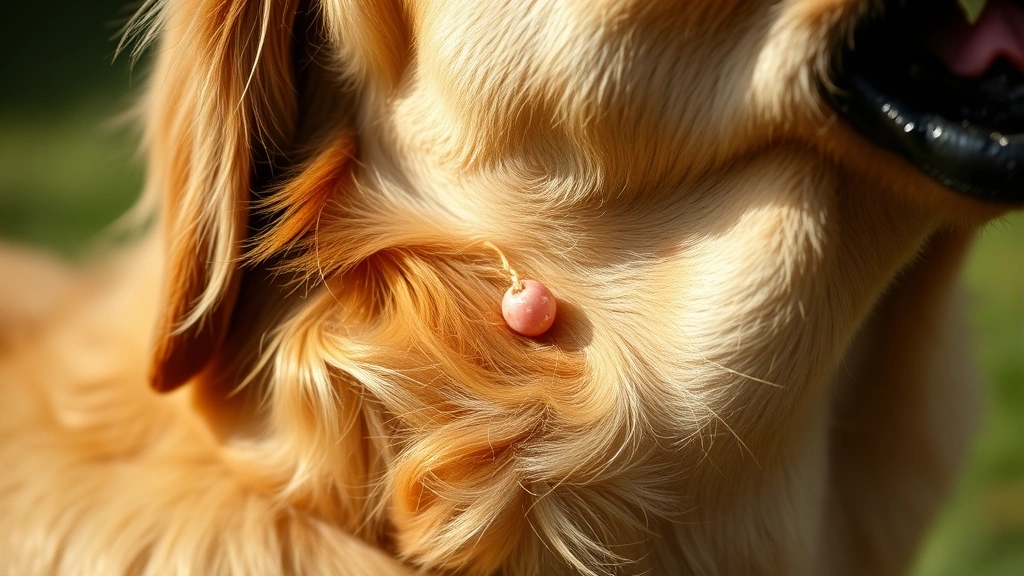
Skin tags, medically known as acrochordons or fibromas, are small, benign growths that hang from the skin. These growths are composed of loose folds of skin and connective tissue. In dogs, skin tags typically appear as small, soft protrusions that range in color from flesh-toned to darker brown or black.
Unlike pimples that dogs can develop, skin tags are not inflammatory lesions. They’re also distinctly different from other common canine skin conditions. According to the American Kennel Club, skin tags are one of the most frequently encountered benign skin growths in veterinary practice.
These growths are typically found in areas where there’s friction or skin folds, such as the neck, armpits, groin, and between the toes. They can vary in size from a few millimeters to several centimeters in diameter, though most remain quite small.
What Causes Skin Tags in Dogs
Understanding the underlying causes of skin tags can help you recognize why your dog might be developing them. Several factors contribute to the formation of these benign growths:
Age and Genetics: Skin tags become increasingly common as dogs age. Senior dogs are significantly more likely to develop multiple skin tags than younger animals. Genetics also plays a role, with certain breeds and individual dogs being more predisposed to developing these growths.
Friction and Irritation: Areas of the body that experience repeated friction or rubbing are more prone to skin tag development. This is why they commonly appear in skin folds and areas where the skin rubs together.
Obesity: Overweight dogs tend to develop more skin tags, particularly in areas with increased skin folds. Understanding how to manage your dog’s weight naturally can help prevent excess skin growths.
Hormonal Changes: Fluctuations in hormone levels can contribute to skin tag formation in some dogs. This is particularly evident in spayed or neutered dogs.
Breed Predisposition: Certain breeds, particularly larger dogs and those with prominent skin folds like Shar-Peis and Bulldogs, seem more susceptible to developing skin tags.

How to Identify Skin Tags
Identifying skin tags accurately is important to distinguish them from other skin conditions. Here are the key characteristics to look for:
- Appearance: Skin tags are typically small, soft, and pendulous (hanging) growths attached to the skin by a thin stalk or base
- Color: They usually match your dog’s skin tone or may be slightly darker, ranging from flesh-colored to brown or black
- Texture: They feel soft and moveable, unlike firm lumps or bumps
- Location: Most commonly found on the neck, chest, armpits, groin, and between toes
- Size: Usually small, ranging from a few millimeters to about a centimeter in diameter
- Quantity: Dogs may develop just one or multiple skin tags over time
If you notice growths that don’t match these characteristics, or if you’re unsure whether what you’re seeing is a skin tag, consult your veterinarian. It’s always better to have a professional evaluation to rule out other conditions.
Are Skin Tags Dangerous?
The good news for dog owners is that skin tags are almost never dangerous or life-threatening. However, there are some situations where they may warrant attention:
Minimal Health Risk: In the vast majority of cases, skin tags pose no threat to your dog’s health. They don’t become cancerous, and they don’t indicate an underlying serious condition. This is reassuring for pet owners who discover these growths on their beloved companions.
Potential Complications: While rare, skin tags can occasionally cause problems if they become irritated, infected, or if your dog constantly licks or chews at them. If a skin tag becomes inflamed, it may require veterinary treatment to prevent infection.
Dogs with dandruff or other skin conditions may be more prone to irritation around skin tags. Additionally, skin tags located in areas prone to friction might become sore if constantly rubbed.
When to Be Concerned: You should contact your veterinarian if a skin tag becomes red, swollen, infected, or if your dog is excessively licking or chewing at it. You should also seek professional advice if you notice rapid growth or if the growth changes appearance significantly.

According to the ASPCA, most skin growths in dogs are benign, and skin tags fall into this category. However, proper identification by a veterinarian ensures you’re dealing with a skin tag and not something more serious.
Treatment and Removal Options
Observation and Monitoring: Since skin tags are benign and typically harmless, many veterinarians recommend simply monitoring them rather than pursuing removal. As long as your dog shows no signs of discomfort or irritation, leaving them alone is often the best approach.
Veterinary Removal: If a skin tag is bothering your dog, causing irritation, or if you prefer to have it removed for cosmetic reasons, your veterinarian can remove it. Several removal methods are available:
- Surgical Excision: Your vet can surgically remove the skin tag using sterile instruments. This is the most common and effective method.
- Cryotherapy: This involves freezing the skin tag with liquid nitrogen, causing it to fall off over time.
- Laser Removal: Some veterinary clinics use laser technology to remove skin tags with minimal bleeding and quick healing.
- Cauterization: This method uses heat to seal off the blood supply to the skin tag, causing it to eventually fall off.
Important Note About Home Removal: Never attempt to remove a skin tag at home by cutting, tying off, or using any other method. This can lead to infection, excessive bleeding, and pain for your dog. Always consult your veterinarian before attempting any removal procedure.
The cost of professional removal typically ranges from $50 to $500 depending on the number of tags, removal method, and your location. Your veterinarian can provide a specific quote based on your dog’s individual situation.
Prevention and Management
While you can’t completely prevent skin tags from developing, especially as your dog ages, there are steps you can take to minimize their occurrence and manage existing ones:
Maintain a Healthy Weight: Keeping your dog at an appropriate weight reduces the likelihood of developing skin tags. Obesity increases skin folds and friction, which are contributing factors to skin tag formation. Regular exercise and proper nutrition are essential.
Regular Grooming: Keeping your dog’s coat clean and well-maintained can help you identify new growths early and prevent irritation to existing skin tags. Regular brushing also improves overall skin health.
Monitor Skin Health: Check your dog’s skin regularly during grooming sessions. This allows you to catch new skin tags early and monitor existing ones for any changes or signs of irritation.
Keep Skin Folds Dry: For breeds with prominent skin folds, keeping these areas clean and dry can help prevent infection and irritation. This is particularly important for breeds prone to skin issues.
Proper Nutrition: A balanced diet rich in omega fatty acids supports healthy skin and coat. While this won’t prevent skin tags, it contributes to overall skin health.
Address Other Skin Conditions: If your dog has other skin conditions like hot spots or chronic itching, addressing these issues promptly can prevent complications that might affect existing skin tags.
For dogs with genetic predispositions or those experiencing multiple skin growths, your veterinarian might recommend periodic check-ups to monitor their skin health and address any concerns promptly.
If you’re concerned about parasites affecting your dog’s skin, you might want to learn more about signs that your dog has worms, as parasitic infections can sometimes cause skin irritation.
Frequently Asked Questions
Can skin tags fall off on their own?
Yes, skin tags can occasionally fall off on their own, especially if they’re located in an area prone to friction or if your dog frequently licks or chews at them. However, this isn’t guaranteed, and you shouldn’t rely on this happening. If a skin tag does fall off naturally, the area should heal without complications, but monitor it for signs of infection.
How can I tell the difference between a skin tag and a wart?
Skin tags and warts are different growths. Skin tags are soft, smooth, and hang from the skin on a thin stalk. Warts, by contrast, are typically rougher in texture and don’t have a distinct stalk. Warts are also caused by viral infections, whereas skin tags are not contagious. Your veterinarian can definitively distinguish between the two.
Are certain dog breeds more prone to skin tags?
Yes, certain breeds are more predisposed to developing skin tags. Larger dogs and breeds with prominent skin folds, such as Shar-Peis, Bulldogs, Pugs, and Basset Hounds, tend to develop skin tags more frequently. However, any dog can develop skin tags, particularly as they age.
Do I need to remove my dog’s skin tags?
No, removal is not necessary unless the skin tag is causing your dog discomfort, becoming infected, or if you prefer to have it removed for cosmetic reasons. Most veterinarians recommend leaving benign skin tags alone if they’re not bothering your dog.
Can skin tags become cancerous?
No, skin tags are benign growths and do not become cancerous. However, if you notice any unusual changes in a growth’s appearance, rapid growth, or if it becomes infected, consult your veterinarian to ensure it’s still just a skin tag and not something else.
What should I do if my dog is licking or chewing at a skin tag?
If your dog is excessively licking or chewing at a skin tag, this can lead to irritation or infection. Try to discourage this behavior and monitor the area closely. If the skin tag becomes red, swollen, or shows signs of infection, contact your veterinarian. In some cases, removal might be recommended to prevent further complications.
How much does it cost to remove a dog’s skin tag?
The cost of skin tag removal varies depending on your location, the veterinary clinic, the number of tags being removed, and the removal method used. Typically, costs range from $50 to $500. Contact your local veterinarian for a specific quote.
Is there a way to prevent skin tags from forming?
While you can’t completely prevent skin tags, maintaining a healthy weight, practicing good grooming habits, and keeping your dog’s skin healthy can minimize their occurrence. Regular veterinary check-ups also help catch any new growths early.





