

How to Make a Dog Throw Up: Vet-Approved Methods
Discovering that your beloved dog has ingested something potentially toxic can be one of the scariest moments as a pet parent. Whether it’s chocolate, medication, or a foreign object, knowing how to safely make your dog throw up could save their life. However, inducing vomiting isn’t always the right solution, and doing it incorrectly can cause serious harm. This comprehensive guide walks you through everything you need to know about making your dog vomit safely and responsibly.
The key to handling a potential poisoning emergency is acting quickly while staying calm and informed. Time is critical when dealing with toxic ingestion, but so is knowing the proper protocol. Before you attempt any home remedies or intervention, understanding when vomiting is appropriate and which methods are safest will help you make the best decision for your dog’s health.
Throughout this guide, we’ll explore vet-approved methods, timing considerations, and when you should absolutely seek professional help instead. Your dog’s safety depends on informed decision-making, so let’s dive into what every responsible dog owner should know about this potentially life-saving emergency response.
When Should You Make Your Dog Throw Up?
Inducing vomiting can be an effective first-aid response for certain types of poisoning, but it’s not appropriate in every situation. The most common reason pet owners need to know how to induce vomiting is when their dog has eaten something toxic. If your dog has consumed chocolate, grapes, raisins, xylitol-containing products, or certain medications, making them vomit within the first few hours may prevent serious complications.
Timing is absolutely critical when considering whether to induce vomiting. The effectiveness of this intervention decreases significantly as time passes. Generally, vomiting is most effective when induced within 30 minutes to 2 hours of ingestion, depending on the substance. After 2-4 hours, the toxic material has likely moved beyond the stomach into the small intestines, where inducing vomiting won’t help and might cause additional harm.
One of the most important situations to recognize is when your dog has eaten something potentially dangerous. For instance, if you suspect your dog has eaten chocolate, understanding the right response could be crucial. Different types of chocolate contain varying levels of theobromine, the toxic compound, so knowing the type and amount your dog consumed helps determine if vomiting is necessary.
The substance ingested matters enormously. Some toxins cause more damage if they’re brought back up, while others are best expelled before they’re absorbed. This is why professional guidance is so valuable—your vet can assess the specific situation and advise whether inducing vomiting is the right choice.
When NOT to Induce Vomiting
Just as important as knowing when to induce vomiting is understanding when you absolutely should not attempt it. Inducing vomiting can cause serious complications in certain situations, and attempting it without proper knowledge could worsen your dog’s condition significantly.
Never attempt to make your dog vomit if they’ve ingested corrosive substances like bleach, drain cleaners, or strong acids. These materials cause damage coming up just as they do going down, and vomiting can cause additional burns to the esophagus and mouth. Similarly, if your dog has swallowed sharp objects like glass, bones, or metal, inducing vomiting could cause internal punctures and bleeding.
Dogs experiencing lethargy, difficulty breathing, or loss of consciousness should never have vomiting induced. If your dog is already severely compromised, any intervention at home could be dangerous. Additionally, if your dog is pregnant or has a history of seizures, vomiting induction requires veterinary supervision. Certain health conditions like bloat or gastric torsion make inducing vomiting extremely dangerous.
When in doubt, contact your veterinarian or the ASPCA Animal Poison Control Center immediately. They can provide guidance specific to your situation and help you determine the safest course of action for your individual dog.
Vet-Approved Methods to Induce Vomiting
Several methods have been studied and approved by veterinarians for safely inducing vomiting in dogs. Understanding these options helps you make an informed decision and ensures you’re using the safest approach possible. However, it’s crucial to emphasize that professional guidance should always be your first step.
The most reliable and safest method involves medications prescribed by your veterinarian. These include apomorphine, which is administered as an injection, and emetine, which works systemically. Your vet may also recommend dexmedetomidine or other medications depending on your dog’s specific circumstances. These pharmaceutical options are significantly more reliable and safer than home remedies.
Before attempting any at-home method, you should consult with your veterinarian or animal poison control. They can evaluate whether inducing vomiting in dogs is appropriate for your situation and provide specific dosing instructions if home treatment is recommended. Your vet may also provide you with an emergency kit for situations where you cannot reach them immediately.
The decision to use a home method versus seeking professional help should always lean toward professional help when possible. Emergency veterinary clinics are equipped to handle poisoning cases with medications and monitoring that far exceed what’s possible at home. If your dog is showing any signs of distress or if you’re uncertain about the ingested substance, professional care is the safest choice.
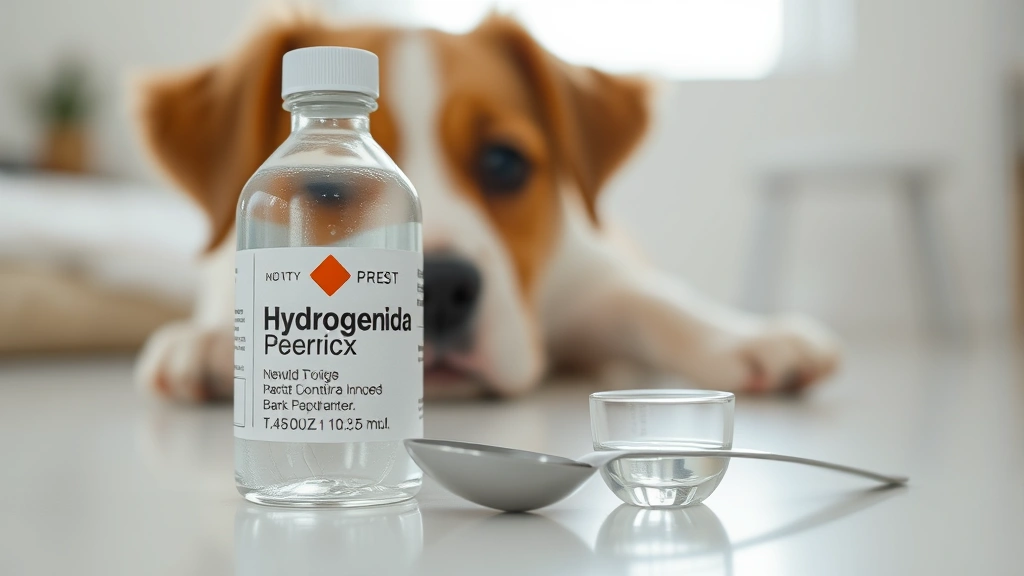
Hydrogen Peroxide Method
Hydrogen peroxide has been traditionally recommended as a home method for inducing vomiting in dogs, and it remains one of the most commonly suggested approaches. However, it’s important to understand both its effectiveness and its limitations before using it.
The standard recommendation for hydrogen peroxide is to use a 3% solution, which is the concentration commonly found in household first-aid supplies. The typical dosage is one teaspoon per 10 pounds of body weight, administered orally. This means a 30-pound dog would receive approximately three teaspoons. Many veterinarians recommend mixing the hydrogen peroxide with a small amount of food to make it more palatable and easier to administer.
The mechanism works because hydrogen peroxide irritates the stomach lining, triggering the vomiting reflex. Most dogs will vomit within 5-15 minutes of ingestion, though some may take up to 30 minutes. If your dog doesn’t vomit within 15-20 minutes, you can repeat the dose once, but never administer more than two doses.
Important considerations when using hydrogen peroxide include understanding that it’s less reliable than veterinary medications. Some dogs simply don’t respond to it, and higher concentrations can be dangerous. Never use food-grade hydrogen peroxide or any concentration higher than 3%, as these can cause severe internal damage. Additionally, if your dog has certain health conditions, hydrogen peroxide may not be appropriate.
While hydrogen peroxide can be effective for certain situations, many modern veterinarians prefer pharmaceutical methods when available. The reliability and safety profile of prescription medications make them the preferred choice for most emergency situations. Consider hydrogen peroxide only when you cannot access veterinary care immediately and have confirmed with poison control that vomiting is appropriate.

The Salt Method (Not Recommended)
You may have heard about using salt to induce vomiting in dogs, but this method is strongly discouraged by veterinarians and animal health organizations. Understanding why this method is problematic helps you avoid a potentially dangerous situation.
The salt method involves administering salt solution orally, with the idea that it will irritate the stomach and trigger vomiting. However, this approach carries significant risks that far outweigh any potential benefits. Salt toxicity in dogs can cause severe hypernatremia, leading to neurological symptoms, seizures, and in severe cases, death.
The problem with salt is that it’s difficult to control the dose accurately enough to be safe. Dogs are much more sensitive to salt toxicity than humans, and the margin between an ineffective dose and a toxic dose is dangerously narrow. Additionally, salt solution can be absorbed into the bloodstream, causing systemic toxicity even if vomiting is induced.
Veterinary organizations including the American Veterinary Medical Association do not recommend salt as a method for inducing vomiting. The risks of salt toxicity, combined with unreliable effectiveness, make this an outdated and dangerous approach. If you’re considering how to make your dog throw up, salt should never be your choice.
When to Call Your Vet
The safest approach to any potential poisoning situation is contacting your veterinarian immediately. Your vet can assess your dog’s condition, determine if vomiting is appropriate, and provide professional treatment if needed. Don’t delay in seeking professional guidance, as time is critical in poisoning cases.
Contact your vet or emergency veterinary clinic immediately if:
- Your dog has ingested something you believe is toxic
- You’re unsure about whether vomiting is appropriate
- Your dog is showing any signs of illness or distress
- More than 2 hours have passed since ingestion
- You don’t have access to reliable information about the substance ingested
- Your dog has any underlying health conditions
The ASPCA Animal Poison Control Center is available 24/7 at (888) 426-4435. There is a consultation fee, but the expert guidance could be invaluable in determining the best course of action. They can advise you on whether inducing vomiting is appropriate for the specific substance your dog ingested.
Your veterinarian can also provide guidance on related health concerns. If your dog is experiencing other symptoms, your vet can help determine if there are additional health issues to address. For example, if your dog has ingested something that causes pain, your vet can discuss what painkillers you can give your dog as part of their recovery plan.
Emergency veterinary care provides access to medications, monitoring equipment, and professional expertise that simply aren’t available at home. Your vet can administer appropriate medications, monitor your dog’s vital signs, and provide supportive care if complications develop. This level of care significantly improves outcomes in poisoning cases.
What to Do After Your Dog Vomits
If your dog successfully vomits after ingesting something toxic, your work isn’t finished. Proper aftercare is essential to ensure your dog’s complete recovery and to address any complications that might develop.
First, resist the urge to immediately give your dog food or water. After vomiting, the stomach is irritated and sensitive. Wait at least 2-4 hours before offering small amounts of water. If your dog tolerates water well, you can gradually introduce bland food like boiled chicken and rice over the next 24 hours. Avoid rich, fatty, or spicy foods during this recovery period.
Monitor your dog closely for the next 24-48 hours for any signs of complications. Watch for continued vomiting, diarrhea, lethargy, loss of appetite, or any unusual behavior. Some toxins cause delayed reactions, so ongoing observation is crucial. If you notice any concerning symptoms, contact your veterinarian immediately.
Keep the material your dog vomited if possible, as it can provide valuable information to your veterinarian about what was ingested. If your dog ate something specific like medication or a specific food item, bring the packaging or label to your vet appointment so they can assess the exact substance and amount.
Follow up with your veterinarian even if your dog seems to recover well. Some toxic substances cause delayed organ damage that isn’t immediately apparent. Your vet may recommend blood work or other diagnostics to ensure your dog hasn’t suffered internal damage. This follow-up care is particularly important if your dog has ingested medications or certain plants.
Document the incident for future reference. Note what your dog ingested, the approximate time, how much, and what steps you took. This information will be valuable if similar incidents occur and will help your vet provide the best possible care.
Prevention Tips
The best way to handle poisoning emergencies is to prevent them from happening in the first place. Understanding common household toxins and taking preventive measures can save your dog’s life and spare you the stress of a poisoning emergency.
Common household toxins that dogs are attracted to include:
- Chocolate: All types contain theobromine, with dark chocolate being most dangerous. Keep all chocolate products secured away from your dog’s reach.
- Grapes and raisins: Highly toxic to dogs, even in small quantities. Never share these fruits with your dog or leave them accessible.
- Xylitol: Found in sugar-free gum, candy, and baked goods, xylitol is extremely toxic and causes rapid insulin release and severe hypoglycemia.
- Medications: Both human and veterinary medications should be stored securely. A single pill can be dangerous to a dog.
- Plants: Many common houseplants are toxic, including lilies, sago palms, and oleander.
Beyond knowing what’s toxic, implement practical prevention strategies in your home:
- Store medications, supplements, and vitamins in secure cabinets or drawers your dog cannot access
- Keep chocolate and xylitol-containing products in sealed containers on high shelves
- Remove toxic plants from your home or keep them in areas completely inaccessible to your dog
- Secure trash cans so your dog cannot rummage through garbage
- Be cautious about what you leave on counters or tables
- Supervise your dog during outdoor time to prevent ingestion of plants, mushrooms, or other hazards
- Inform guests and family members about what foods are dangerous for your dog
Additionally, understanding potential health issues can help you recognize when to seek help. If your dog is showing signs of illness, knowing how to tell if your dog has a fever and other symptoms helps you respond appropriately. Some poisoning symptoms mimic other illnesses, so thorough observation is important.
Keep emergency contact information readily available, including your veterinarian’s phone number, your nearest emergency veterinary clinic, and the ASPCA Animal Poison Control Center. Having this information easily accessible means you won’t waste precious time searching for numbers during an emergency.
Consider keeping an emergency kit at home with supplies like hydrogen peroxide (3%), activated charcoal (if your vet recommends it), and a syringe for medication administration. Discuss with your veterinarian what emergency supplies would be appropriate for your specific situation and how to properly use them.
Frequently Asked Questions
How quickly does hydrogen peroxide work to make a dog vomit?
Most dogs vomit within 5-15 minutes of receiving hydrogen peroxide, though some may take up to 30 minutes. If your dog hasn’t vomited within 20 minutes, you may repeat the dose once. If no vomiting occurs after the second dose, contact your veterinarian. The effectiveness varies by individual dog and other factors like stomach contents.
Can I use salt water to make my dog throw up?
No, salt water is not recommended for inducing vomiting in dogs. Salt can cause toxicity in dogs, leading to serious neurological symptoms and potentially death. The risks of salt toxicity far outweigh any potential benefits. Always avoid salt-based methods and stick with vet-approved approaches like hydrogen peroxide or contact your veterinarian for pharmaceutical options.
What’s the maximum dose of hydrogen peroxide for a large dog?
For a large dog, the standard dosage of 3% hydrogen peroxide is one teaspoon per 10 pounds of body weight. A 100-pound dog would receive approximately 10 teaspoons (about 3 tablespoons). Never exceed two doses, and always wait at least 15-20 minutes between doses. If your dog doesn’t vomit after two doses, contact your veterinarian immediately.
Is it safe to induce vomiting in a pregnant dog?
Inducing vomiting in a pregnant dog requires veterinary supervision and should generally be avoided unless absolutely necessary. Pregnancy changes how a dog’s body processes medications and handles stress. Always contact your veterinarian before attempting any intervention in a pregnant dog, as professional guidance is essential to protect both the mother and developing puppies.
How long after eating something toxic can I still induce vomiting?
Vomiting is most effective within 30 minutes to 2 hours of ingestion, depending on the substance and your dog’s digestive rate. After 2-4 hours, the material has likely moved into the small intestines where vomiting won’t help. After this time window, your veterinarian may recommend activated charcoal or other interventions instead. Always contact your vet if you’re unsure about timing.
What should I do if my dog won’t eat after vomiting?
Loss of appetite after vomiting is common and usually resolves within 24 hours. Offer small amounts of bland food like boiled chicken and rice after a few hours of fasting. If your dog refuses food for more than 24 hours or shows other concerning symptoms, contact your veterinarian. Some toxins can cause prolonged digestive upset requiring professional care.
Can I induce vomiting if I’m not sure what my dog ate?
If you’re uncertain about what your dog ingested, contact the ASPCA Animal Poison Control Center or your veterinarian before attempting to induce vomiting. Some substances cause more harm if brought back up, while others require different interventions. Professional guidance based on your dog’s symptoms and circumstances is essential when the ingested substance is unknown.
What if my dog has a history of bloat or gastric torsion?
Dogs with a history of bloat or gastric torsion should never have vomiting induced without explicit veterinary approval. These conditions make vomiting extremely dangerous and can lead to life-threatening complications. If your dog has this history and ingests something toxic, contact your emergency veterinary clinic immediately for professional evaluation and treatment.





