
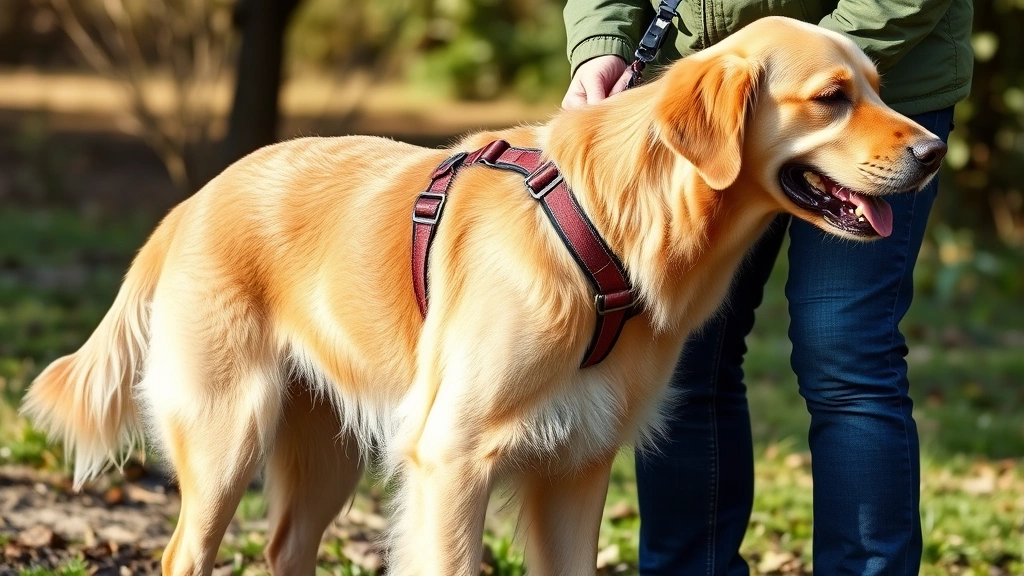
How to Put a Harness on a Dog: Step-by-Step Guide
If you’re a dog owner, you’ve probably faced the moment when you need to get your pup ready for a walk, and that harness seems to have more straps than a puzzle. Don’t worry—you’re not alone! Many pet parents find harnessing their dogs confusing at first, but with the right technique and a little patience, it becomes second nature. A properly fitted harness is essential for your dog’s safety and comfort, whether you’re heading to the park, going on an adventure, or simply taking a stroll around the neighborhood.
The good news is that learning how to put a harness on a dog doesn’t require any special skills or experience. In this comprehensive guide, we’ll walk you through every step of the process, from choosing the right harness to securing all the straps correctly. We’ll also cover different harness types, troubleshooting common issues, and tips to make the experience easier for both you and your furry friend. By the end of this article, you’ll be a harness-putting expert!
Whether you have a energetic puppy, a strong adult dog, or a senior companion, understanding proper harness fitting and application is crucial for safe and enjoyable outings. Let’s dive into everything you need to know.
Why a Harness Matters for Your Dog
Before we jump into the mechanics of how to put a harness on a dog, it’s important to understand why harnesses are so valuable for your canine companion. Unlike collars, which concentrate pressure on the neck and throat, harnesses distribute weight evenly across your dog’s chest and back. This design makes harnesses significantly safer for dogs of all sizes and ages.
Harnesses provide better control during walks, especially for dogs that pull or have a tendency to lunge. They’re particularly beneficial for dogs with respiratory issues, neck problems, or those prone to tracheal collapse. Additionally, harnesses reduce the risk of escape—a major concern for many pet owners. If your dog is prone to digging and escaping, a secure harness can provide extra peace of mind during outdoor activities.
For dogs being trained for specialized roles, such as those learning to become service dogs, proper harness usage is often part of their training protocol. A well-fitted harness also encourages better posture and can help prevent long-term spinal issues in growing puppies.
Choosing the Right Harness
The first step in successfully putting on a harness is selecting the appropriate one for your dog. Not all harnesses are created equal, and choosing the wrong size or style can lead to discomfort and escape attempts.
Measuring Your Dog: Before purchasing a harness, you’ll need to take accurate measurements. Measure your dog’s chest girth by wrapping a soft measuring tape around the widest part of their chest, just behind their front legs. Also measure their neck circumference and their length from the base of their neck to the base of their tail. Most manufacturers provide sizing charts based on these measurements.
Consider Your Dog’s Build: Different harness styles work better for different body types. A stocky, muscular dog may need a different harness than a lean, slender dog. Some dogs have deep chests, while others are more compact. Understanding your dog’s unique build will help you select a harness that fits properly and stays in place during activities.
Quality and Material: Look for harnesses made from durable, breathable materials. Nylon is popular for its durability, while mesh options provide better ventilation for dogs that overheat easily. Check that seams are reinforced and hardware is sturdy. According to the American Kennel Club, investing in a quality harness is a worthwhile expense for your dog’s safety.
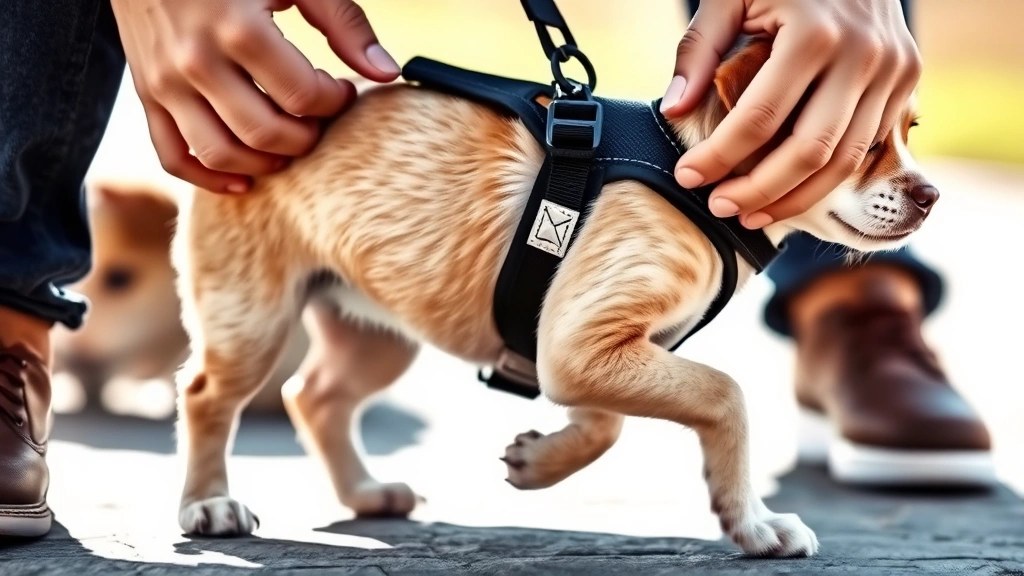
Step-by-Step Guide to Putting On a Harness
Now that you understand the importance of harnesses and have selected the right one, let’s walk through the actual process of putting it on your dog. This step-by-step guide works for most standard harnesses, though specific types may have slight variations.
Step 1: Prepare Your Dog and Workspace Find a calm, quiet space where your dog feels comfortable. Have some treats nearby as positive reinforcement. Make sure your dog is calm and not overly excited. If your dog is anxious about the harness, you might want to prepare some special treats to create positive associations with the process.
Step 2: Familiarize Your Dog with the Harness Before attempting to put the harness on, let your dog sniff and investigate it. This helps reduce anxiety and builds familiarity. Speak in calm, encouraging tones throughout the process.
Step 3: Position the Harness Correctly Hold the harness so that the larger opening faces downward. Most harnesses have a front chest piece and two side straps. Identify which end goes over the head and which parts wrap around the body.
Step 4: Guide Your Dog’s Head Through Gently guide your dog’s head through the neck opening of the harness. Go slowly and speak encouragement. If your dog resists, take a break and try again later. Never force the harness over their head, as this creates negative associations.
Step 5: Secure the Front Legs Once the head is through, guide each front leg through its respective opening. Many dogs naturally step into these openings if you gently encourage them. Use treats as motivation if needed.
Step 6: Fasten All Straps and Buckles Depending on your harness type, you may need to fasten velcro straps, click buckles, or snap clasps. Ensure all closures are secure but not overly tight. You should be able to fit two fingers between the harness and your dog’s body.
Step 7: Check the Fit Run your hands over the harness to ensure it’s sitting properly. The chest plate should rest comfortably on your dog’s chest, and no straps should dig into the armpits or cause rubbing. Your dog should be able to move freely without restriction.
Step 8: Attach the Leash Once the harness is secure and properly fitted, attach your leash to the designated D-ring. Take a moment to let your dog adjust to the sensation before heading outside.
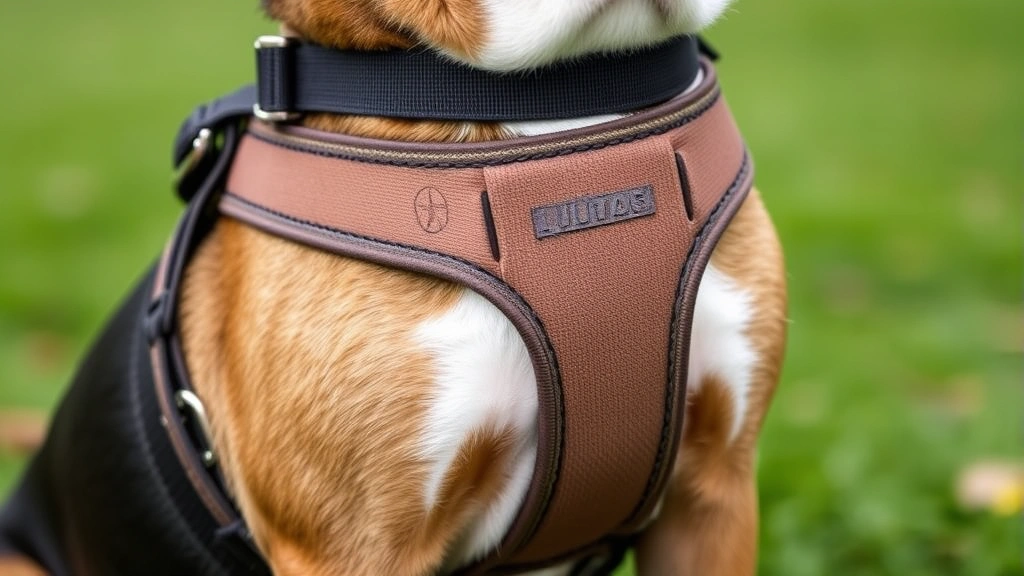
Common Harness Types and How to Use Them
Different harness styles require slightly different approaches. Understanding these variations will help you master the process regardless of which type you own.
Back-Clip Harnesses: These have the leash attachment point on the back. They’re popular for general walking and provide good control. The process we outlined above typically applies to back-clip harnesses. They’re ideal for dogs that don’t pull excessively.
Front-Clip Harnesses: These redirect your dog’s forward motion when they pull, making them excellent for strong or enthusiastic pullers. The leash attachment is at the chest. The putting-on process is similar, but pay special attention to ensuring the chest clip sits properly.
No-Pull Harnesses: Designed specifically for dogs that pull during walks, these harnesses provide maximum control and discourage pulling behavior. They often have multiple adjustment points and may take a bit longer to fit properly.
Step-In Harnesses: Some harnesses are designed so your dog steps into them like a pair of pants. These can be easier for dogs that dislike anything going over their head. Simply lay it flat, have your dog step into each opening, and then fasten the straps.
Vest-Style Harnesses: These cover a larger area of your dog’s body and are often used for service dogs or dogs requiring extra support. They provide excellent weight distribution and are particularly good for larger breeds.
Troubleshooting Harness Problems
Even with the best preparation, you might encounter some challenges. Here are solutions to common harness problems.
My Dog Won’t Stand Still: If your dog is fidgeting or trying to sit while you’re putting on the harness, practice in short sessions. Use high-value treats and lots of praise. Breaking the process into smaller steps can help.
The Harness Keeps Slipping Off: This usually indicates an improper fit. Double-check your measurements and consider sizing up or down accordingly. Ensure all straps are fastened securely. Some harnesses have adjustable straps specifically designed to prevent slipping.
My Dog Seems Uncomfortable: Check for rubbing, pinching, or areas where the harness digs into the skin. Adjust straps as needed. If discomfort persists, consult with your veterinarian about potential skin sensitivity or consider trying a different harness style.
The Harness Causes Excessive Panting or Anxiety: Some dogs need time to adjust to wearing a harness. Start with short wearing periods indoors before venturing outside. If your dog has severe anxiety, speak with a professional trainer or veterinary behaviorist. Ensure the harness isn’t too tight, which could restrict breathing.
My Dog Escapes from the Harness: Houdini dogs require extra-secure harnesses. Consider upgrading to a no-escape design or a harness with multiple attachment points. Ensure every strap is properly fastened. For particularly clever escape artists, a double-harness system might be necessary.
Training Your Dog to Accept a Harness
Some dogs take to harnesses immediately, while others need encouragement. Here are strategies to make the experience positive.
Start Early: Puppies naturally adjust to new equipment more easily than adult dogs. Introduce harnesses to puppies during their socialization period to build positive associations early on.
Use Positive Reinforcement: Reward your dog with treats and praise every time they cooperate with the harness. Make it clear that putting on the harness leads to good things—walks, playtime, and treats.
Practice Indoors First: Before heading outside, let your dog wear the harness around the house. This allows them to adjust to the sensation in a familiar, safe environment. Practice the putting-on process multiple times until it becomes routine.
Gradual Introduction: Don’t expect immediate acceptance. Introduce the harness gradually over several days or weeks. Let your dog sniff it, then wear it for short periods, then gradually increase duration.
Stay Calm and Patient: Your dog picks up on your energy. If you’re frustrated or anxious, your dog will sense it. Stay calm, speak in soothing tones, and maintain patience throughout the process.
Create Positive Associations: Put the harness on right before exciting activities like walks or playtime. Your dog will begin to associate the harness with fun experiences. When grooming or caring for your dog, maintain positive associations with handling in general.
Consider Professional Help: If your dog has severe anxiety or refuses to cooperate, a professional dog trainer can provide personalized guidance and desensitization techniques.
Harness Care and Maintenance
Proper maintenance extends your harness’s lifespan and ensures it remains safe and comfortable for your dog.
Regular Cleaning: Wash your harness regularly, especially if your dog spends a lot of time outdoors. Most harnesses can be hand-washed with mild soap and water. Check the manufacturer’s instructions for specific care recommendations.
Inspect for Damage: Regularly examine your harness for fraying, broken buckles, worn straps, or other signs of damage. Replace any worn components or the entire harness if necessary. A compromised harness can fail when you need it most.
Check the Fit Regularly: As your dog grows or gains/loses weight, their harness fit may change. Periodically check that the fit remains appropriate. Puppies especially grow quickly and may need size adjustments every few months.
Store Properly: Keep your harness in a dry place away from direct sunlight, which can degrade materials over time. Proper storage prevents mold and mildew growth.
Replace When Necessary: Even with excellent care, harnesses eventually wear out. If you notice significant wear, loss of elasticity, or repeated fit issues, it’s time for a replacement. Your dog’s safety is worth the investment in a new harness.
For additional information about dog health and safety, consult the ASPCA or speak with your veterinarian. If your dog has specific health concerns such as potential parasites or health issues, address those before implementing new equipment.
Frequently Asked Questions
What’s the difference between a harness and a collar?
Harnesses distribute pressure across a larger area of your dog’s body, while collars concentrate pressure on the neck. Harnesses are generally safer, especially for dogs with respiratory issues or those prone to pulling. Collars can be useful for ID tags and quick leashing, but harnesses are recommended for most walking situations.
At what age can puppies wear harnesses?
Puppies can start wearing harnesses as early as 8-12 weeks old, once they’re large enough to fit into a puppy-sized harness. Always ensure the harness fits properly and doesn’t restrict movement or breathing. Start with short wearing periods and gradually increase duration as your puppy adjusts.
How tight should a harness be?
A properly fitted harness should be snug but not restrictive. You should be able to fit two fingers between the harness and your dog’s body. The harness should not dig into the skin, cause rubbing, or restrict your dog’s movement. If you can’t fit two fingers, it’s too tight. If you can fit your whole hand, it’s too loose.
Can I leave a harness on my dog all day?
While harnesses are safe for extended wear, it’s not recommended to leave one on continuously. Regular removal allows your dog’s skin to breathe and prevents potential rubbing or irritation. Harnesses should typically be removed when your dog is indoors and resting, and put on for walks and outdoor activities.
What should I do if my dog has a negative reaction to the harness?
If your dog shows signs of anxiety, excessive panting, or distress when wearing a harness, remove it immediately and consult your veterinarian. There may be an underlying issue such as discomfort, skin sensitivity, or anxiety disorder. A professional trainer can also help with desensitization and positive conditioning.
Are harnesses suitable for all dog breeds?
Harnesses work well for most dog breeds, but some may require specific styles. Flat-faced breeds (brachycephalics) may benefit from harnesses with extra ventilation and careful fit monitoring. Large breeds need sturdy, well-designed harnesses, while small breeds require appropriately sized options. Always choose a harness designed for your dog’s size and breed characteristics.
How do I know if the harness is causing rubbing or irritation?
Check your dog’s skin regularly for redness, hair loss, or irritation marks. These are signs that the harness may be rubbing or too tight. Adjust the fit, try a different harness style, or consult your veterinarian if irritation persists. Some dogs may have sensitive skin that requires padded or seamless harness options.
Can I use the same harness for different activities?
While some versatile harnesses work for multiple purposes, specialized harnesses are often better for specific activities. A hiking harness differs from a casual walking harness, which differs from a service dog harness. Choose a harness appropriate for your primary activities, or consider having multiple harnesses for different purposes.
For more detailed information about dog training and behavior, check out resources from ASPCA pet care guides or consult with a certified professional dog trainer. Your veterinarian can also provide personalized recommendations based on your dog’s specific needs and health status. Learning how to put a harness on a dog properly is an investment in your pet’s safety and your peace of mind during outdoor adventures together.





