
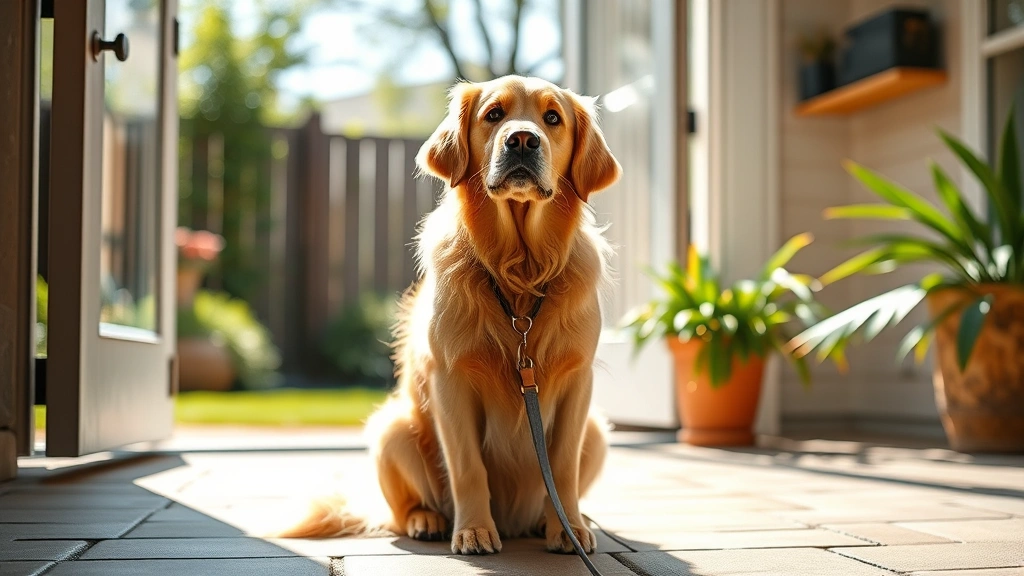
How Long Can Dogs Hold Their Pee? What Vets Say
If you’ve ever wondered why your dog is doing the potty dance or felt guilty about a long workday away from home, you’re not alone. Understanding how long can dogs hold their pee is crucial for responsible pet ownership and your dog’s overall health. The answer isn’t as straightforward as you might think—it depends on several factors including age, health, breed, and individual differences.
Many dog owners struggle with the guilt of leaving their pets alone for extended periods. The truth is, dogs have biological limits when it comes to bladder control, and exceeding these limits can lead to accidents, behavioral issues, and even serious health problems. By learning what veterinarians recommend, you’ll be better equipped to create a schedule that keeps your furry friend comfortable and healthy.
In this comprehensive guide, we’ll explore the science behind canine bladder capacity, examine what different life stages mean for bathroom breaks, and provide practical solutions for managing your dog’s needs throughout the day.
General Guidelines for Dogs Holding Their Pee
According to veterinary experts, the general rule of thumb is that adult dogs can hold their urine for approximately 6 to 8 hours. However, this doesn’t mean they should regularly hold it for this long. Most veterinarians recommend that adult dogs have bathroom breaks every 4 to 6 hours for optimal health and comfort.
The bladder capacity of an average adult dog is roughly 0.5 ounces per pound of body weight. This means a 50-pound dog has a bladder capacity of about 25 ounces, or roughly 750 milliliters. Understanding this measurement helps pet owners recognize that their dog’s bathroom needs are legitimate biological requirements, not just habits or behavioral quirks.
Dr. Jennifer Coates, a veterinary advisor, emphasizes that while dogs can physically hold their urine for extended periods, doing so regularly can be uncomfortable and potentially harmful. The key is finding a balance between your schedule and your dog’s physiological needs. When you learn how long a dog can go without peeing, you’ll understand the difference between capability and comfort.
Most healthy adult dogs will naturally want to urinate 3 to 5 times per day. This frequency helps maintain urinary tract health and prevents the buildup of bacteria and concentrated urine, which can lead to infections and other complications.
How Age Affects Bladder Control
Puppies have significantly different bathroom needs than adult dogs. Young puppies (8 weeks to 3 months old) typically cannot hold their urine for more than 1 to 2 hours. Their bladders are small, and their nervous systems haven’t fully developed bladder control mechanisms. A general rule for puppies is that they can hold their pee for approximately one hour for every month of age, plus one hour. So a 3-month-old puppy could theoretically hold it for about 4 hours, though this is pushing the limits.
From 3 to 6 months of age, puppies can gradually hold their urine for 3 to 4 hours. Between 6 months and 1 year, they’re approaching adult capacity but still need more frequent breaks than fully mature dogs. This is also the critical period for housetraining, so consistent potty schedules are essential.

Senior dogs (typically 7 years and older, though this varies by breed) often experience a decline in bladder control. They may need to urinate more frequently—sometimes every 4 to 6 hours or even more often. Older dogs may also develop incontinence or have difficulty holding their urine for as long as they could when younger. If you’re concerned about your senior dog’s accidents, understanding why your dog pees on your bed might reveal age-related issues rather than behavioral problems.
The transition from adult to senior status isn’t sudden. Many dogs around age 5 to 7 may start showing slight changes in bladder control, making it important to adjust their bathroom schedules accordingly. Regular veterinary check-ups can help identify age-related urinary issues early.
Health Conditions That Impact Bladder Capacity
Several medical conditions can significantly affect how long a dog can hold its pee. Understanding these conditions is important for recognizing when your dog’s bathroom habits might indicate an underlying health problem.
Urinary Tract Infections (UTIs) are among the most common culprits. Dogs with UTIs often experience increased urgency and frequency of urination, sometimes needing to go out every 1 to 2 hours. They may also display other symptoms like straining, discomfort, or blood in the urine. If you suspect a UTI, it’s important to consult your veterinarian promptly. For those interested in natural approaches, our guide on how to treat dog UTI at home offers additional information, though professional veterinary care is always recommended.
Diabetes is another condition that dramatically increases urination frequency. Diabetic dogs often urinate much more frequently than healthy dogs, sometimes needing breaks every 2 to 3 hours or more. This is because excess glucose in the bloodstream leads to increased urine production.
Other health conditions affecting bladder control include:
- Cushing’s disease (hyperadrenocorticism)
- Kidney disease
- Bladder stones or crystals
- Prostate problems in male dogs
- Spinal cord injuries or neurological conditions
- Incontinence from hormonal imbalances
According to the American Kennel Club, any sudden changes in your dog’s urination patterns warrant a veterinary evaluation. What seems like a behavioral issue might actually be a sign of an underlying medical condition requiring treatment.
Breed Differences and Size Matters
While breed-specific bladder capacity differences are minimal, size does play a role. Larger dogs generally have larger bladders and can hold more urine than smaller breeds. A Great Dane might be able to hold their urine slightly longer than a Chihuahua simply due to absolute bladder volume.
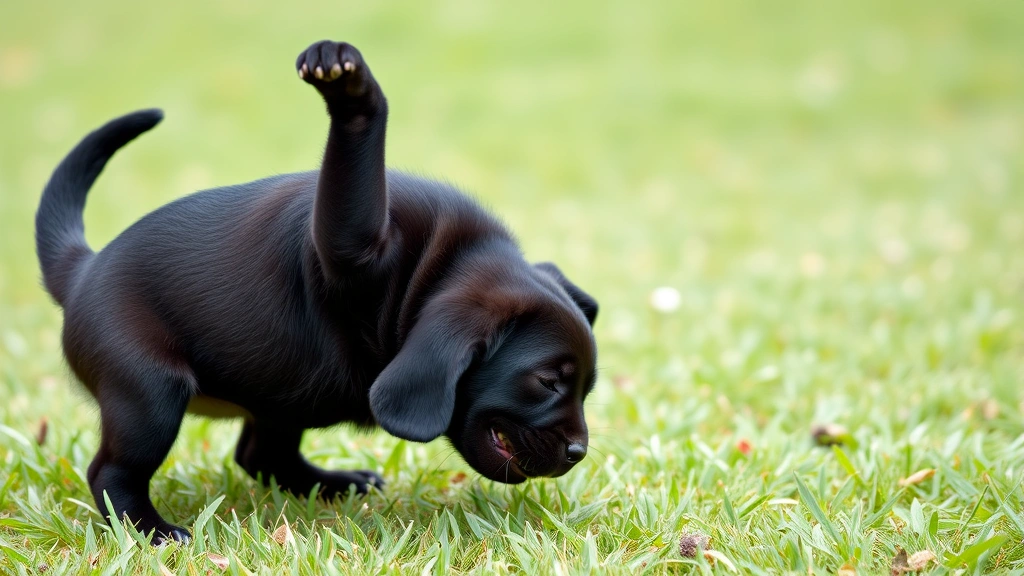
However, this doesn’t mean large breeds should be left alone longer. The recommendation of 4 to 6-hour bathroom breaks applies regardless of breed. What does vary by breed is metabolism and individual health predispositions. Some breeds are more prone to urinary tract issues, kidney disease, or diabetes, which can affect their bladder control.
Small breeds, particularly toy breeds, sometimes struggle with housetraining and bladder control even into adulthood. This isn’t necessarily a training failure—some small dogs have naturally more sensitive bladders or less developed bladder control mechanisms. Breed-specific health issues should be discussed with your veterinarian.
What Happens When Dogs Hold Their Pee Too Long
Regularly forcing dogs to hold their urine for extended periods can have serious consequences for their health and behavior. Understanding these risks helps emphasize why respecting your dog’s bathroom needs is so important.
Urinary Tract Infections are more likely when urine sits in the bladder too long. Bacteria multiply in stagnant urine, leading to infections that can be painful and require antibiotic treatment. Chronic UTIs can lead to more serious kidney infections.
Behavioral Issues often develop when dogs are forced to hold their urine too long. Dogs may develop anxiety, become destructive, or have accidents in the house despite being housetrained. If you’re dealing with these issues, learning how to stop dog peeing in house requires first addressing the root cause—whether that’s inadequate bathroom breaks, medical issues, or behavioral factors.
Bladder Damage can occur from chronically holding urine. The bladder tissue can become stretched and weakened, leading to incontinence or reduced bladder function over time. This damage can be permanent.
Increased Stress and Anxiety develop when dogs regularly experience the discomfort of a full bladder. Chronic stress from unmet biological needs can lead to behavioral problems, immune system suppression, and reduced quality of life.
Kidney Issues may develop over time. When urine concentrates in the bladder for too long, it increases the risk of kidney stone formation and can stress the kidneys as they work to filter waste.
The ASPCA emphasizes that providing adequate bathroom breaks is a fundamental aspect of responsible dog ownership and animal welfare.
Practical Solutions for Busy Owners
If you have a demanding work schedule, there are several strategies to ensure your dog gets adequate bathroom breaks without compromising your career.
Midday Dog Walker or Pet Sitter is often the best solution for dogs whose owners work full-time outside the home. A professional dog walker can visit your home during lunch hours or mid-afternoon to provide a bathroom break and some exercise. This keeps your dog comfortable and reduces the risk of accidents and associated stress.
Doggy Daycare offers another excellent option. Many facilities provide multiple outdoor bathroom breaks throughout the day, along with socialization and playtime. This is particularly beneficial for social dogs who enjoy interaction with other dogs.
Automatic Pet Doors with secured yards allow dogs to access outdoor bathroom facilities independently. However, this requires a securely fenced area and careful monitoring to ensure your dog’s safety and security.
Puppy Pads or Indoor Potty Systems can serve as temporary solutions for very young puppies or senior dogs with limited mobility, though they shouldn’t be a long-term substitute for outdoor bathroom breaks.
Flexible Work Arrangements such as working from home part-time, adjusting your schedule, or negotiating flexible hours can help you provide more bathroom breaks. Many employers are increasingly accommodating to these needs.
Neighboring Friends or Family can sometimes help by checking on your dog midday. Building community support networks helps ensure your dog’s needs are met.
The key is finding a solution that works for your specific situation. Your dog’s health and happiness should be a priority in your planning.
Training Tips for Better Bladder Control
While you can’t fundamentally change your dog’s bladder capacity, you can train them to have better control and more predictable bathroom habits.
Establish a Consistent Schedule is the foundation of good bladder control training. Take your dog out at the same times each day—typically first thing in the morning, before bedtime, and several times throughout the day. Consistency helps regulate your dog’s internal clock.
Reward Outdoor Bathroom Success with immediate praise and treats. This positive reinforcement teaches dogs that going to the bathroom outside is what you want.
Crate Training can help with housetraining because dogs naturally avoid soiling their sleeping area. A properly sized crate encourages bladder control, but it should never be used as punishment or for extended periods beyond what the dog can reasonably hold their urine.
Watch for Signals that your dog needs to go out. Common signs include sniffing, circling, whining, scratching at the door, or sudden restlessness. Responding quickly to these signals reinforces good bathroom habits.
Limit Water Intake Before Bed can help reduce nighttime accidents in puppies and senior dogs. However, never restrict water during the day—dogs need adequate hydration for health. Consult your veterinarian about timing water access.
Avoid Punishment for accidents. Punishment-based training creates fear and anxiety, which actually makes housetraining harder. Instead, focus on prevention through frequent outdoor breaks and positive reinforcement.
According to veterinary behaviorists at the American Veterinary Society of Animal Behavior, positive reinforcement-based training is significantly more effective than punishment-based methods for housetraining.
Frequently Asked Questions
Can dogs hold their pee overnight?
Most adult dogs can hold their urine overnight (8 to 10 hours) if they have a bathroom break before bedtime and first thing in the morning. However, this should be the exception, not the routine. Senior dogs and those with health issues may need a midnight break. Puppies should not be expected to hold their urine overnight until around 4 to 6 months of age.
Is it cruel to leave a dog alone all day?
Leaving a dog alone all day without bathroom breaks is considered inhumane and can constitute animal neglect in many jurisdictions. Dogs have biological needs that must be met. If your schedule doesn’t allow for midday breaks, you should arrange for a dog walker, daycare, or alternative care solution.
What’s the longest a dog can safely hold their pee?
While healthy adult dogs can physically hold their urine for up to 12 hours in emergency situations, this should never be routine. For optimal health and comfort, dogs should not regularly hold their urine for longer than 8 hours, and 4 to 6 hours is the recommended maximum for regular schedules.
Why does my dog pee more frequently than others?
Increased urination frequency can result from several factors: health conditions like diabetes or UTIs, medications, diet, age, anxiety, or simply individual variation. If you notice a sudden change in your dog’s bathroom habits, consult your veterinarian to rule out medical issues.
Do male and female dogs have different bladder capacities?
Male and female dogs have similar bladder capacities relative to body size. However, female dogs are more prone to UTIs due to anatomical differences, which can affect their urination frequency. Both sexes should have equal access to regular bathroom breaks.
How can I help my dog hold their pee longer on car rides?
For necessary car rides, you can reduce water intake slightly beforehand (but never restrict hydration), take frequent rest stops for bathroom breaks, and ensure your dog has a comfortable, stress-free environment in the vehicle. Anxiety can increase urination frequency, so keeping your dog calm helps.
Should I be concerned if my dog pees more in winter?
Dogs may pee more frequently in winter due to cold-related anxiety or changes in routine. However, increased urination can also indicate medical issues like diabetes or kidney disease. If the change is significant or accompanied by other symptoms, consult your veterinarian.
Can training improve a dog’s bladder capacity?
Training can improve a dog’s bladder control and predictability, but it doesn’t actually increase bladder capacity. The physical size of the bladder is determined by breed, size, and age. Training teaches dogs when and where to urinate, not how much they can hold.





