
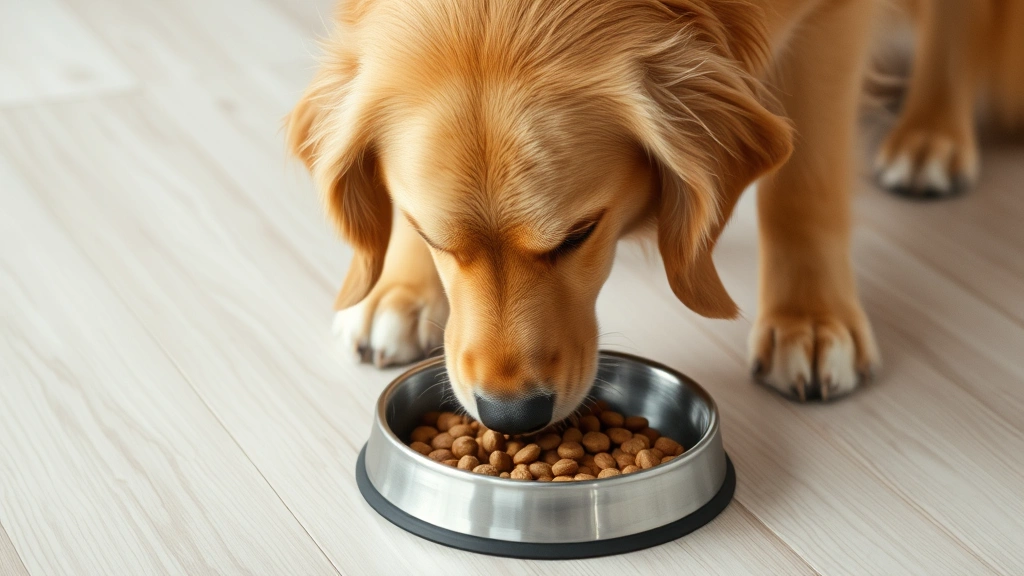
How Long Can a Dog Live Without Food? Expert Insights
One of the most troubling questions a dog owner might face is: how long can a dog live without food? Whether your furry friend has mysteriously skipped meals, you’re dealing with a medical emergency, or you’re simply curious about canine physiology, understanding the timeline of food deprivation is crucial for responsible pet ownership. The answer isn’t as straightforward as you might think, as it depends on numerous factors including your dog’s age, size, overall health, and access to water.
Dogs are remarkably resilient animals, but they’re not designed to go extended periods without nourishment. While a healthy adult dog can survive longer without food than many people realize, the consequences of prolonged food deprivation can be severe and irreversible. In this comprehensive guide, we’ll explore the science behind canine starvation, examine the timeline of survival, and discuss what you should do if your dog isn’t eating.
Understanding these critical details could literally save your dog’s life. Let’s dive into what every responsible pet owner needs to know about this vital topic.
The Survival Timeline: Days Without Food
The general consensus among veterinarians is that a healthy adult dog can survive approximately 5 to 7 days without food, provided they have access to water. However, this is merely a baseline estimate. Some dogs may last slightly longer, while others might begin experiencing serious health complications within this timeframe. The body’s metabolism works to preserve vital organs during periods of food scarcity, but the process is both complex and potentially damaging.
During the first few days without food, your dog’s body begins to metabolize stored glycogen in the liver and muscles. This provides energy for essential functions like heart rate, breathing, and brain activity. After glycogen stores deplete—typically within 24 to 48 hours—the body shifts into a state called ketosis, where it begins breaking down fat and muscle tissue for energy. This process, while keeping your dog alive temporarily, causes progressive organ damage and weakness.
Beyond the 5 to 7 day mark, the risks of permanent damage increase dramatically. Organ failure becomes increasingly likely, and even if your dog survives, they may suffer lasting complications. The exact timeline varies significantly based on individual circumstances, which we’ll explore in detail below. It’s important to note that reaching this survival threshold should never be allowed to happen under normal circumstances.
Factors Affecting How Long Dogs Can Survive
Several critical variables influence exactly how long your dog can survive without food. Understanding these factors helps you assess the urgency of any situation involving food deprivation.
Age and Life Stage
Puppies and senior dogs are far more vulnerable to the effects of food deprivation than healthy adults. Puppies have minimal fat reserves and require more frequent meals to fuel their rapid growth and high metabolism. A puppy might only survive 3 to 5 days without food, compared to the 5 to 7 days for adults. Senior dogs, particularly those over 10 years old, also have reduced metabolic reserves and existing health vulnerabilities that make food deprivation more dangerous. If you’re unsure about how much food should I feed my dog, consulting your veterinarian ensures your dog maintains optimal nutrition throughout their life.
Body Composition and Weight
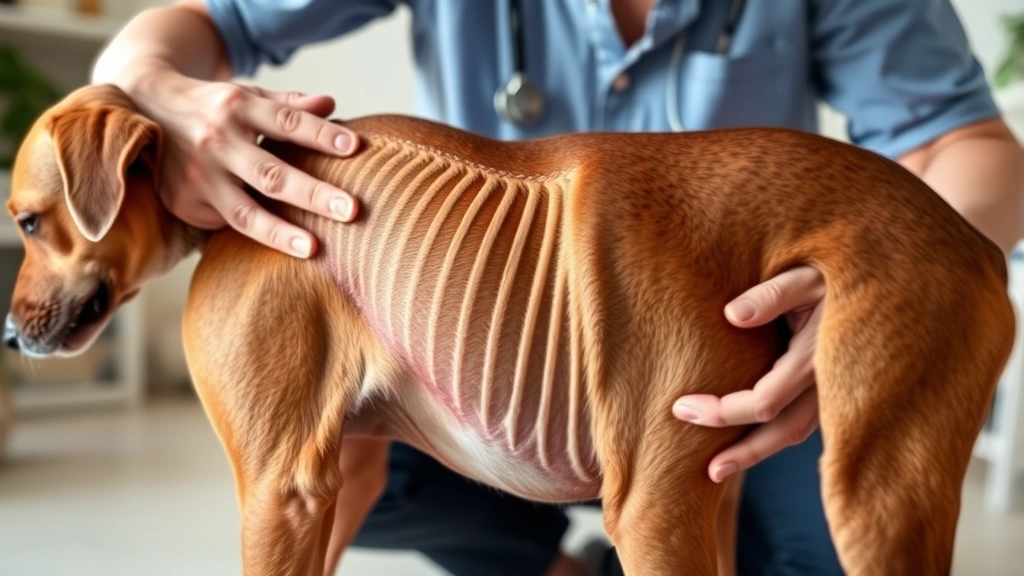
Dogs with adequate body fat stores can survive slightly longer without food than very lean dogs. A dog at a healthy weight with appropriate muscle mass has more energy reserves to draw upon. Obese dogs technically have more fat reserves, but they often have underlying metabolic issues that complicate starvation survival. Conversely, underweight or malnourished dogs may only survive 3 to 5 days without food.
Overall Health Status
A dog in excellent health with no underlying medical conditions will fare better during food deprivation than one with chronic illnesses. Dogs with diabetes, kidney disease, liver disease, or heart conditions face significantly reduced survival times. Even minor health issues can compound the dangers of not eating. If you’re concerned about your dog’s health during periods of not eating, learning how to tell if your dog is dying can help you recognize critical warning signs.
Activity Level
Dogs that maintain normal activity levels during food deprivation burn through their energy reserves faster than sedentary dogs. A working dog or highly active breed will deplete their glycogen stores more quickly than a dog resting comfortably at home. During periods of reduced food intake, dogs naturally conserve energy by resting more, which extends survival time.
Access to Water
This factor cannot be overstated. A dog with water can survive much longer without food than one without either. Dehydration accelerates organ failure and shock. The importance of water access is so critical that we’ve dedicated an entire section to it below. For comprehensive information, explore how long can a dog go without water to understand the comparative urgencies.
Why Water is More Critical Than Food
Here’s a crucial fact that every dog owner must understand: water is more important than food. While a dog can survive weeks without food under certain circumstances, they can only survive 2 to 3 days without water. This makes water deprivation the more immediate emergency.
Water serves hundreds of critical functions in your dog’s body. It regulates body temperature, cushions joints, aids in digestion, transports nutrients, and maintains electrolyte balance. Without water, your dog’s organs begin failing almost immediately. Dehydration causes blood volume to drop, which reduces oxygen delivery to vital organs. The kidneys, which require constant hydration to function properly, begin shutting down within hours of water deprivation.
When a dog is not eating, the situation becomes even more critical if water is also unavailable. The combination accelerates organ failure exponentially. Always ensure your dog has continuous access to fresh, clean water, regardless of their eating habits. If your dog is refusing both food and water, this is a veterinary emergency requiring immediate attention.
Warning Signs of Starvation in Dogs
Recognizing the early signs that your dog is suffering from food deprivation allows you to intervene before serious damage occurs. Watch for these warning indicators:
- Lethargy and weakness: Your dog becomes unusually inactive and struggles to stand or walk normally
- Visible weight loss: Ribs, hip bones, and spine become prominent within days of food deprivation
- Dry, dull coat: The skin and fur lose moisture and shine
- Sunken eyes: Eyes appear to recede into the skull
- Reduced muscle mass: Muscles visibly atrophy, particularly in the hind legs
- Increased thirst: Your dog drinks more water as the body attempts to compensate
- Behavioral changes: Increased anxiety, irritability, or unusual aggression
- Weakness in hind legs: Difficulty jumping or climbing stairs
- Pale gums: Gum color becomes light pink or white instead of healthy coral pink
- Rapid heart rate: You notice your dog’s heart racing even at rest
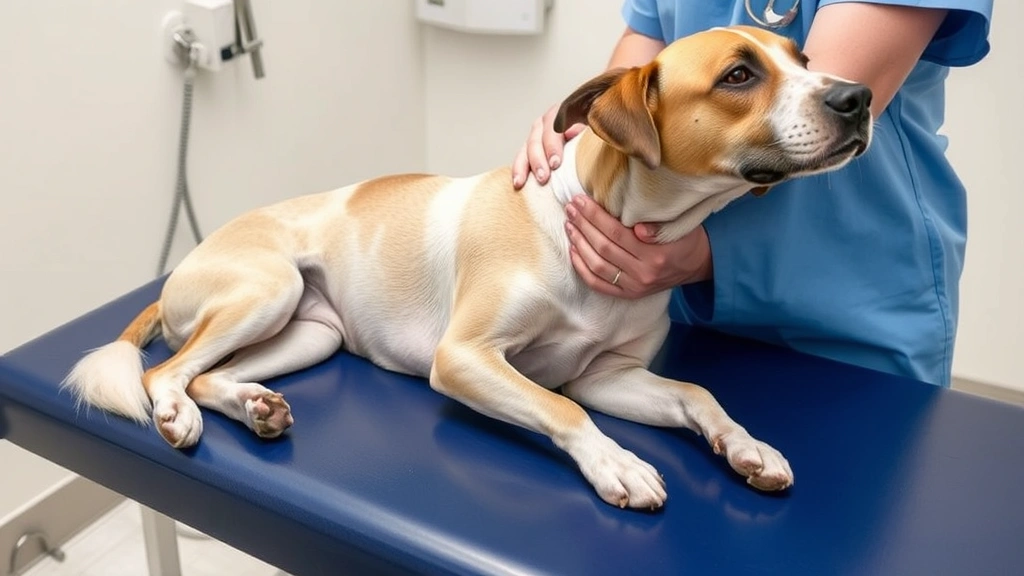
If you notice any combination of these signs persisting for more than 24 hours, contact your veterinarian immediately. Early intervention can prevent permanent organ damage and potentially save your dog’s life.
Medical Conditions That Affect Food Deprivation
Certain health conditions make dogs far more vulnerable to the effects of food deprivation. Understanding these conditions helps you assess risk more accurately.
Diabetes
Diabetic dogs cannot properly regulate blood glucose levels. When they don’t eat, their blood sugar can drop dangerously low, causing seizures, loss of consciousness, or death. Diabetic dogs should never skip meals and require consistent feeding schedules.
Hypoglycemia
Dogs prone to low blood sugar, particularly small breeds and puppies, face serious risks during food deprivation. Hypoglycemia causes tremors, confusion, seizures, and can rapidly progress to loss of consciousness.
Pancreatitis
While dogs with pancreatitis may refuse food due to pain, fasting for extended periods can worsen the condition. These dogs require veterinary supervision and often need nutritional support through alternative feeding methods.
Liver Disease
The liver plays a crucial role in metabolism and converting stored energy. Dogs with liver disease cannot efficiently process fats during starvation, leading to hepatic encephalopathy and rapid deterioration.
Kidney Disease
Kidney disease impairs the body’s ability to maintain electrolyte balance and process waste products. Fasting accelerates kidney failure in affected dogs.
If your dog has any chronic health condition and is refusing food, this constitutes a veterinary emergency. Don’t wait to see if they’ll eat again—seek professional guidance immediately.
What to Do If Your Dog Won’t Eat
If your dog has gone without food for more than 24 hours, it’s time to take action. Here’s your step-by-step emergency response guide:
Step 1: Assess the Situation
First, determine how long your dog has actually gone without food. Consider whether your dog has access to water and whether they’re showing any warning signs. Is this the first time this has happened, or is it part of a pattern? Understanding the context helps your veterinarian provide better care.
Step 2: Contact Your Veterinarian
Don’t assume your dog will start eating again on their own. Contact your vet immediately if food refusal has lasted more than 24 hours. Describe the situation, including any symptoms you’ve observed. Your vet may recommend bringing your dog in for an examination or may suggest monitoring at home with specific instructions. For guidance on recognizing serious situations, review how long can a dog go without eating to understand when intervention becomes critical.
Step 3: Offer Appealing Foods
If your vet clears your dog for home monitoring, try offering highly palatable foods. This might include:
- Boiled chicken breast (plain, no seasoning)
- Plain cooked rice mixed with chicken
- Plain pumpkin puree
- Bone broth (low sodium, dog-safe)
- Plain sweet potato
Offer small amounts frequently rather than large meals. Many dogs experiencing digestive upset will eat small portions when larger meals seem unappealing.
Step 4: Rule Out Medical Issues
Food refusal often signals underlying medical problems. Your veterinarian will want to rule out:
- Gastrointestinal blockages
- Infections or illnesses
- Dental disease or mouth pain
- Medication side effects
- Metabolic disorders
If your dog has had what to feed dog with diarrhea, they may need special dietary considerations during recovery.
Step 5: Monitor Hydration
Ensure your dog has constant access to fresh water. Monitor how much they’re drinking. If water intake also decreases, this is a more serious concern requiring immediate veterinary attention.
Step 6: Seek Emergency Care If Needed
Go to an emergency veterinary clinic if your dog shows any of these signs:
- Collapse or inability to stand
- Loss of consciousness
- Seizures
- Severe vomiting or diarrhea
- Difficulty breathing
- Pale or blue-tinged gums
- Unresponsiveness
Prevention and Monitoring Strategies
The best approach to food deprivation is prevention. Implement these strategies to ensure your dog never faces this dangerous situation:
Maintain a Consistent Feeding Schedule
Feed your dog at the same times each day. This establishes routine, aids digestion, and helps you quickly notice when your dog isn’t eating. Adult dogs typically do well with two meals daily, while puppies require three to four smaller meals.
Monitor Food Intake Daily
Pay attention to how much your dog eats at each meal. Note any changes in appetite or eating patterns. A sudden decrease in food intake often signals illness before other symptoms appear.
Provide High-Quality Nutrition
Dogs eating nutritionally complete, high-quality diets have better metabolic reserves and overall health. Consult your veterinarian about the best diet for your dog’s age, size, and health status. Understanding how long can dogs go without food underscores why maintaining excellent nutrition is so important.
Regular Veterinary Check-ups
Annual wellness exams help catch health issues before they cause serious problems like food refusal. Senior dogs should have check-ups twice yearly.
Keep Emergency Contacts Handy
Know the location and phone number of both your regular veterinarian and the nearest emergency veterinary clinic. In a crisis, you won’t have time to search for contact information.
Maintain Proper Hydration
Always ensure fresh water is available. Consider multiple water bowls throughout your home so your dog can access water easily.
Avoid Sudden Diet Changes
Gradual transitions to new foods prevent digestive upset that might discourage eating. Mix new food gradually with old food over 7 to 10 days.
Frequently Asked Questions
Can a dog survive 10 days without food?
Most healthy adult dogs cannot survive 10 days without food. Beyond 7 days, organ damage becomes severe and often irreversible. While some dogs might technically survive this long, the damage to their kidneys, liver, and heart would likely be permanent and potentially fatal. This timeline should never be tested deliberately.
What happens to a dog’s body during starvation?
During starvation, a dog’s body first uses glycogen stores for energy. After glycogen depletes, the body enters ketosis and begins breaking down fat and muscle tissue. Organ systems begin shutting down as vital nutrients become scarce. The immune system weakens, making infection more likely. Eventually, organ failure occurs, beginning with the kidneys and progressing to the heart and brain.
Is it normal for dogs to skip meals occasionally?
While some dogs occasionally skip a meal without issue, consistent food refusal is never normal and warrants veterinary attention. Occasional skipping might be due to stress, minor digestive upset, or simply not being hungry, but persistent refusal indicates an underlying problem requiring professional assessment.
How quickly do puppies show signs of starvation?
Puppies show signs of starvation much faster than adult dogs, typically within 3 to 5 days. Their smaller bodies have fewer energy reserves, and their rapidly developing bodies require constant fuel. Puppies should never go more than a few hours without food, and any food refusal in puppies requires immediate veterinary evaluation.
Can a dog recover fully from prolonged food deprivation?
Recovery depends on how long the deprivation lasted and the dog’s overall health. Dogs deprived of food for just a few days typically recover fully with proper nutrition and veterinary care. However, dogs who have gone without food for extended periods may suffer permanent organ damage, reduced life expectancy, or ongoing health complications.
What’s the difference between food refusal and anorexia in dogs?
Food refusal means a dog isn’t eating, which can be temporary and caused by many factors. Anorexia is a medical condition where the brain’s appetite center is affected, causing persistent, abnormal lack of appetite. Anorexia requires veterinary treatment to address the underlying cause.
Should I force-feed a dog that won’t eat?
Never force-feed a dog without veterinary guidance. Force-feeding can cause aspiration (food entering the lungs), esophageal damage, or increased stress. Instead, consult your veterinarian, who might recommend alternative feeding methods like syringe feeding, tube feeding, or appetite-stimulating medications if necessary.
Can stress cause a dog to stop eating?
Yes, stress and anxiety can suppress appetite in dogs. Changes in environment, loud noises, travel, or household changes might cause temporary food refusal. However, if stress-related food refusal lasts more than 24 hours, consult your veterinarian to rule out medical causes.
What role does metabolism play in starvation survival?
Metabolism determines how quickly your dog burns through energy reserves. Dogs with faster metabolisms deplete their glycogen stores more quickly than those with slower metabolisms. Breed, age, activity level, and health status all influence metabolic rate. A working breed’s faster metabolism means they’d survive food deprivation shorter than a low-energy breed.
Are certain dog breeds more resistant to food deprivation?
Larger dogs with more body mass and fat reserves can theoretically survive slightly longer than smaller breeds. However, individual variation within breeds is significant. A large dog in poor health might not survive as long as a small, healthy dog. Breed is less important than overall health status.





