
How Many Teats Does a Dog Have? Explained
If you’re a dog owner, breeder, or simply curious about canine anatomy, you might have wondered about the reproductive structures of our furry companions. One question that often comes up is: how many teats does a dog have? While it might seem like a straightforward anatomical question, the answer reveals fascinating insights into dog reproduction and development.
Understanding dog teats is essential for anyone dealing with nursing mothers, monitoring their pet’s health, or breeding dogs responsibly. Whether you’re preparing for a litter or just expanding your knowledge about canine biology, this comprehensive guide will walk you through everything you need to know about dog teats, their function, and what’s considered normal.
Let’s dive into the world of canine mammary anatomy and explore what makes dogs’ nursing systems so uniquely suited to caring for their offspring.
Understanding Canine Teats: The Basics
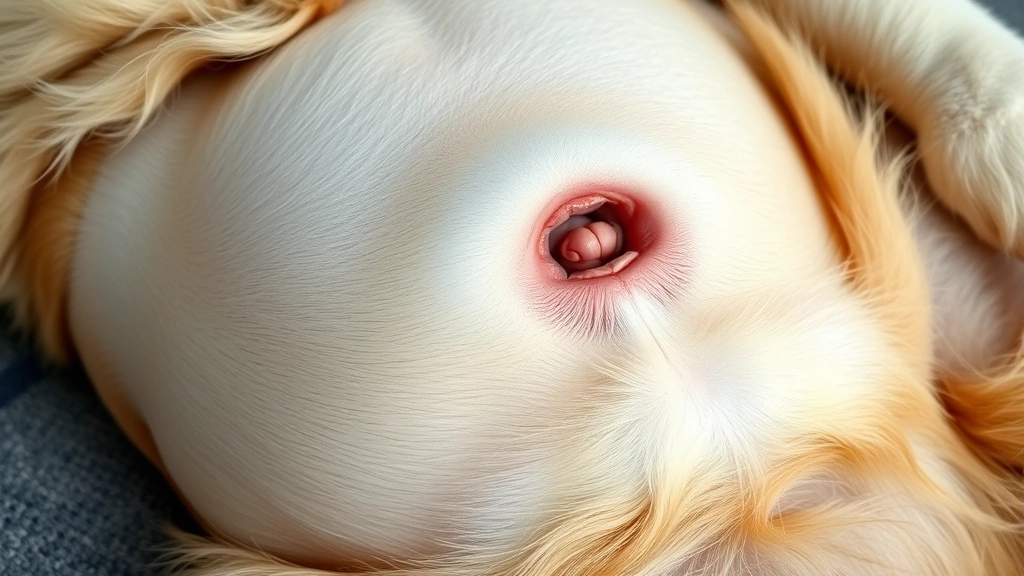
Dog teats, also known as nipples or mammary glands, are an integral part of a female dog’s reproductive anatomy. These specialized structures are designed for one primary purpose: nourishing puppies after birth. Unlike humans, who typically have two breasts, dogs have a more complex system adapted to support larger litters.
The mammary gland system in dogs is a marvel of biological engineering. Each teat is connected to an underlying mammary gland that produces milk specifically formulated for puppies. This milk contains the perfect balance of proteins, fats, and nutrients that developing puppies need to grow strong and healthy. The teats themselves serve as the delivery mechanism, allowing puppies to nurse and receive this vital nutrition during their most vulnerable early weeks.
It’s important to note that male dogs also have teats, though they don’t serve a reproductive function. This is a common trait in mammals, where both sexes develop the same basic anatomical structures during fetal development. Male dog teats are typically smaller and less prominent than those in females, and they remain dormant throughout a male dog’s life.
How Many Teats Do Dogs Have?
The answer to the main question is that most dogs have between 8 and 10 teats. However, this number can vary slightly depending on the individual dog and breed. Some dogs may have as few as 6 teats, while others might have 12 or more. This variation is completely normal and doesn’t indicate a health problem.
The exact number of teats is largely determined by genetics, with some breed lines showing consistent patterns. For example, larger dog breeds that typically have bigger litters might have more teats to accommodate nursing multiple puppies simultaneously. Conversely, smaller breeds may have fewer teats, which aligns with their generally smaller litter sizes.
When you’re learning how many nipples does a dog have, it’s worth noting that the terminology can be confusing. The terms “teats,” “nipples,” and “mammary glands” are often used interchangeably in casual conversation, though they have specific anatomical meanings. Understanding these distinctions can help you communicate more effectively with your veterinarian about your dog’s health.
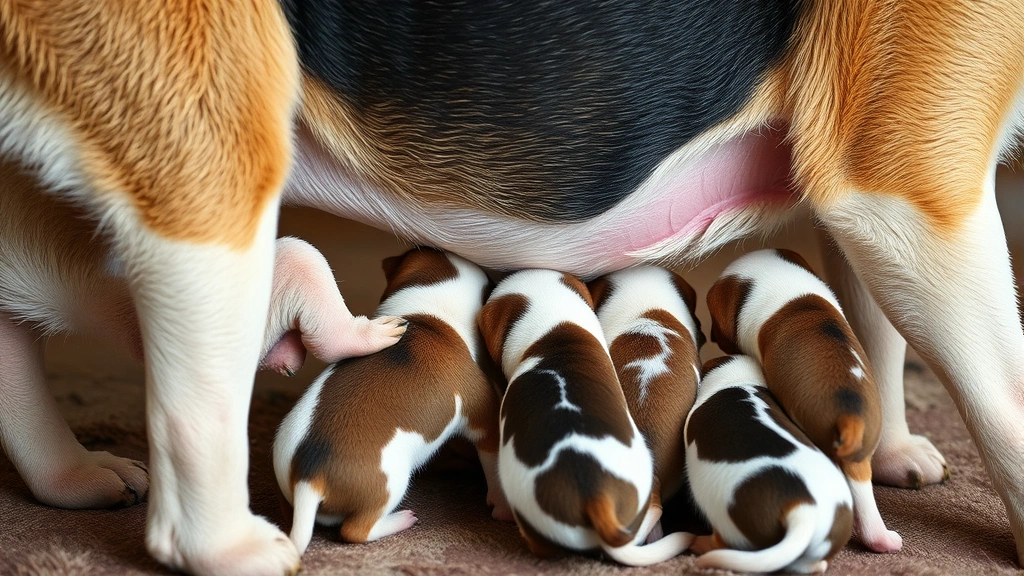
The teats are arranged in two rows along the dog’s abdomen, typically running from the chest area down toward the rear legs. This arrangement allows puppies to nurse comfortably while their mother lies down, which is the natural nursing position for dogs. The paired arrangement also means that if one teat becomes injured or infected, puppies can still access the others.
Teats vs. Nipples: What’s the Difference?
While many people use the terms “teats” and “nipples” interchangeably, there are subtle anatomical differences worth understanding. A nipple is technically the protruding part that puppies latch onto during nursing. The teat refers to the entire structure, including the nipple and the surrounding tissue. The mammary gland is the internal organ that produces the milk.
In practical terms, when you’re examining a dog’s nursing anatomy, you’re looking at the teats, which have visible nipples. The health and condition of these structures are important indicators of a nursing mother’s wellbeing. A healthy nursing dog’s teats should be clean, free from discharge (except milk), and not swollen or painful.
For those interested in deeper knowledge, understanding how many nipples does a dog have becomes relevant when monitoring pregnant or nursing dogs. Each teat typically has multiple milk ducts that allow milk to flow to nursing puppies. During pregnancy and lactation, these structures undergo significant changes to prepare for and support milk production.
Development and Changes Throughout a Dog’s Life
A female dog’s teats undergo dramatic changes throughout her life cycle. Puppies are born with teats, but they’re relatively underdeveloped and not particularly noticeable. As a female dog matures and reaches sexual maturity, her teats may become slightly more pronounced, though they remain relatively small and inconspicuous in spayed dogs.
The most significant changes occur during pregnancy and lactation. As a dog becomes pregnant, hormonal changes trigger the development and enlargement of the mammary glands. The teats become more prominent, and the surrounding tissue swells to accommodate increased blood flow. If you’re expecting a litter, understanding do female dogs have periods and the reproductive cycle helps you prepare for these physical changes.
During the heat cycle, which you can learn more about by exploring how long are dogs in heat, hormonal fluctuations can cause slight changes in teat appearance and sensitivity. These changes are temporary and resolve once the heat cycle ends. However, if a dog is bred, the teats will continue developing to prepare for pregnancy.
Once puppies are born and begin nursing, the teats become working organs, producing milk on demand. This is an incredibly demanding period for a nursing mother dog. She may lose weight, appear fatigued, and her teats may become sore or irritated. This is why proper care and monitoring during lactation is so important.
After weaning, when puppies transition to solid food and stop nursing, the teats gradually return to their pre-pregnancy state. The mammary glands stop producing milk, and the tissue gradually reduces in size. However, if a dog has multiple pregnancies, the teats may not return completely to their original appearance, often remaining slightly larger than in nulliparous (never-pregnant) dogs.
For those curious about broader canine development, learning when is a dog full grown provides context for understanding when teats reach their mature size. Most dogs reach full physical maturity between 12 and 18 months of age, depending on breed size.
Health Considerations for Dog Teats
The health of a dog’s teats is an important indicator of overall reproductive and general health. Several conditions can affect the teats and require veterinary attention. Mastitis, an infection of the mammary glands, is one of the most common issues in nursing mothers. Signs include swollen, red, or painful teats, discharge that looks abnormal, or a dog that seems reluctant to nurse or appears feverish.
Another concern is teat trauma, which can occur when puppies nurse vigorously or when teats become infected or irritated. Minor scratches usually heal on their own, but severe trauma or persistent issues warrant veterinary evaluation. Additionally, some dogs develop cysts or tumors in their mammary tissue, which is why regular monitoring is important.
Spaying is one of the most effective ways to prevent mammary gland problems later in life. Female dogs spayed before their first heat have significantly lower rates of mammary cancer compared to intact females. This is one of many health benefits of spaying, making it an important consideration for dog owners who don’t plan to breed.
According to the American Kennel Club, responsible breeding practices include monitoring the health of breeding females’ mammary glands throughout their reproductive lives. Regular veterinary check-ups can help catch any problems early.
Phantom pregnancy, or false pregnancy, is another condition that can affect teats. In this condition, an unspayed dog may develop swollen teats and produce milk even though she’s not actually pregnant. This occurs due to hormonal imbalances and typically resolves on its own, though spaying is the definitive treatment.
Caring for Nursing Mother Dogs
If you have a nursing mother dog, proper care of her teats is essential for her comfort and health. Keep the nursing area clean and dry, as moisture can promote bacterial growth. Provide comfortable bedding in a quiet, safe space where the mother dog can nurse without disturbance.
Monitor the teats regularly for signs of problems such as redness, swelling, discharge, or signs that the mother dog is in pain. If you notice any concerns, contact your veterinarian promptly. During nursing, ensure the mother dog has access to plenty of fresh water and high-quality food, as lactation significantly increases her nutritional needs.
Some nursing mothers benefit from warm compresses applied to their teats to relieve soreness, though this should only be done with veterinary guidance. Never attempt to express milk from the teats unless directed by your veterinarian, as improper technique can cause injury or infection.
Understanding how many litters can a dog have is important for long-term planning. Responsible breeders limit the number of litters a dog produces to protect her health and preserve the quality of her teats and overall reproductive function.
The weaning process should be gradual to reduce stress on both mother and puppies. As puppies eat more solid food and nurse less frequently, milk production naturally decreases. This gradual transition helps prevent complications like engorgement or infection.
When to Contact Your Veterinarian
Certain signs warrant immediate veterinary attention regarding a dog’s teats. If you notice any of the following, don’t hesitate to contact your veterinarian:
- Severe swelling or redness: This could indicate infection or other serious conditions
- Discharge that’s abnormal: While milk is normal during lactation, pus, blood, or foul-smelling discharge indicates infection
- Lumps or masses: Any unusual growths should be evaluated
- Signs of pain: If your dog yelps when her teats are touched or seems reluctant to move, she may be experiencing pain
- Fever or lethargy: Combined with teat problems, these symptoms suggest systemic infection
- Nursing difficulty: If puppies seem unable to nurse or the mother seems unwilling to allow nursing, there may be an underlying problem
The ASPCA recommends that all pregnant dogs receive regular veterinary check-ups to monitor for complications. Regular monitoring can catch problems early before they become serious.
If you’re unsure about what’s normal, it’s always better to err on the side of caution. Your veterinarian can provide guidance specific to your dog’s situation and help ensure both mother and puppies remain healthy throughout the nursing period.
Frequently Asked Questions
Do male dogs have teats?
Yes, male dogs do have teats. They develop during fetal development alongside females, but they remain small and non-functional throughout a male dog’s life. This is a normal feature of mammalian anatomy, where both sexes develop the same basic structures.
Can a dog’s teats get infected?
Yes, mastitis is a bacterial infection of the mammary glands that can affect nursing dogs. It causes swelling, redness, pain, and sometimes discharge. It requires veterinary treatment, typically involving antibiotics and supportive care. Prevention includes maintaining clean nursing areas and monitoring the mother dog’s health during lactation.
Why does my dog have an odd number of teats?
While most dogs have an even number of teats, some dogs may have an odd number, such as 9 or 11. This variation is normal and doesn’t indicate a health problem. It’s simply a result of individual genetic variation.
Do spayed dogs still have teats?
Yes, spayed dogs retain their teats even after surgery. Spaying removes the ovaries and uterus but doesn’t affect the teats themselves. However, the teats typically remain small and underdeveloped in spayed dogs since they never go through pregnancy and lactation.
How long does a dog’s lactation last?
A dog typically produces milk for about 4-6 weeks after giving birth, though this can vary. As puppies eat more solid food and nurse less frequently, milk production gradually decreases. By 8-10 weeks, most puppies are fully weaned and the mother stops producing milk.
What’s the difference between a teat and a nipple?
The nipple is the protruding part that puppies latch onto, while the teat refers to the entire structure including the nipple and surrounding tissue. The mammary gland is the internal organ that produces milk. In casual conversation, these terms are often used interchangeably.
Should I be concerned if my dog’s teats look different after pregnancy?
It’s normal for teats to appear slightly larger or more prominent after pregnancy and nursing. They may not return completely to their pre-pregnancy appearance, especially if a dog has had multiple litters. However, if you notice significant changes, abnormal discharge, or signs of infection, consult your veterinarian.
Can dogs get breast cancer?
Yes, dogs can develop mammary gland tumors, and intact females have a significantly higher risk than spayed females. According to Veterinary Information Network, spaying before the first heat cycle reduces the risk dramatically. Any lumps or abnormalities in the mammary tissue should be evaluated by a veterinarian.
Is it normal for a spayed dog to have swollen teats?
Swollen teats in a spayed dog are not normal and warrant veterinary evaluation. This could indicate infection, cyst formation, or other conditions requiring treatment. Your veterinarian can determine the cause and recommend appropriate treatment.
How can I help a nursing dog with sore teats?
Keep the nursing area clean and dry, provide comfortable bedding, ensure adequate nutrition and hydration, and monitor for signs of infection. Warm compresses may help (with veterinary approval), and your veterinarian might recommend pain relief if needed. Ensure puppies are nursing properly and not causing excessive trauma to the teats.





