
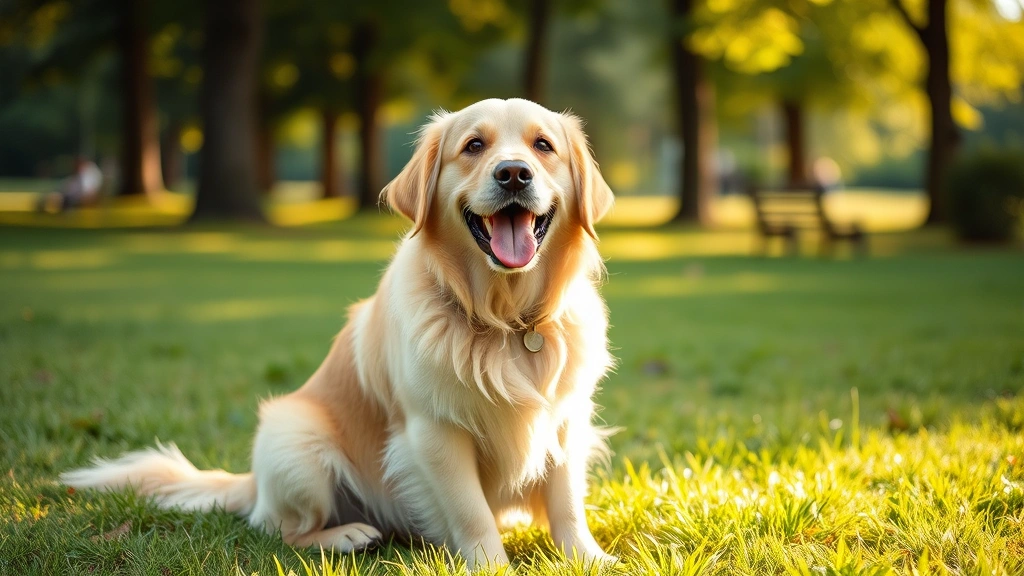
How Many Times a Day Should a Dog Poop? Expert Guide
If you’re a dog owner, you’ve probably found yourself wondering about your furry friend’s bathroom habits. It’s not the most glamorous topic, but understanding how many times a day your dog should poop is actually crucial for their health and well-being. A dog’s bowel movements can tell you a lot about their digestive system, diet, and overall health status. In fact, changes in your dog’s pooping frequency or consistency might be the first sign that something needs attention.
Whether you have a energetic puppy, a middle-aged adult dog, or a senior companion, knowing what’s normal for your specific pup helps you catch potential problems early. From dietary adjustments to medical concerns, your dog’s poop schedule is a window into their internal health. Let’s dive into everything you need to know about canine bowel movements and what the experts say about maintaining a healthy routine.
Normal Pooping Frequency for Dogs
Most adult dogs typically poop one to two times per day, though this can vary depending on several factors. The American Kennel Club notes that while once daily is common, some healthy dogs may go twice daily without any concern. The key is understanding what’s normal for your individual dog, as each pup has their own rhythm.
If your dog has been pooping once a day for years and suddenly shifts to twice daily, that’s worth monitoring. Conversely, if your dog normally goes twice daily and suddenly drops to once every two days, it might signal a change that warrants investigation. Consistency is what matters most—both in frequency and in the actual stool consistency itself.
Your dog’s pooping schedule often aligns with their eating schedule. If you feed your dog once daily, they’ll typically poop once. If you feed them twice daily, expect roughly two bathroom trips. This predictability makes it easier to establish a routine and spot when something changes.
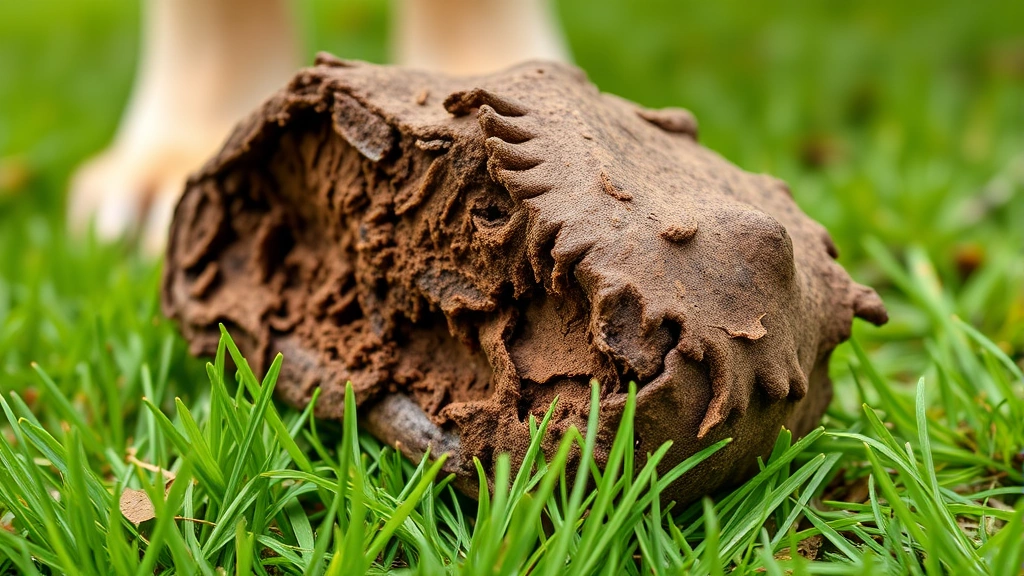
How Age Affects Bowel Movements
Age plays a significant role in how many times your dog poops each day. Understanding these age-related differences helps you set appropriate expectations for your furry friend at every life stage.
Puppies are notorious for frequent bathroom trips. Young puppies (8 weeks to 6 months) typically need to poop three to five times daily or even more. Their digestive systems are still developing, and they have less bladder and bowel control. If you’re wondering how much food to feed your puppy, remember that more frequent meals mean more frequent bathroom breaks. Puppies also tend to poop shortly after eating, playing, or waking up, which is why potty training requires patience and consistency.
Adult dogs (ages 1-7 years) settle into the one to two times daily routine. This is when their digestive system has matured and they have better control over their bowel movements. Adult dogs are the most predictable when it comes to bathroom schedules.
Senior dogs (ages 7+) may experience changes in their pooping frequency. Some seniors develop slower digestive systems and may poop less frequently, while others might experience increased frequency due to age-related digestive changes or medical conditions. It’s important to monitor your older dog closely for any shifts in their bathroom habits.
The Role of Diet and Feeding Schedule
What goes in must come out, and your dog’s diet directly impacts their bowel movements. The quality and quantity of food your dog consumes affects both the frequency and consistency of their poop.
High-quality dog foods with good digestibility typically result in less frequent, firmer stools. Lower-quality foods with fillers and artificial ingredients often lead to more frequent, softer stools. If you’re concerned about your dog’s digestive health, consider consulting with your veterinarian about whether a dietary change might help.
Feeding frequency matters too. Most adult dogs do well with one or two meals daily. Puppies require three to four meals daily, which naturally leads to more bathroom trips. The timing of meals is also important—most dogs will have a bowel movement within 30 minutes to an hour after eating. By feeding your dog at consistent times each day, you create a predictable poop schedule, which is incredibly helpful for training and monitoring health.
If you notice your dog is experiencing digestive upset, you might want to explore what to feed a dog with diarrhea or investigate why your dog is having diarrhea in the first place. Sometimes a simple dietary adjustment can solve bathroom issues entirely.
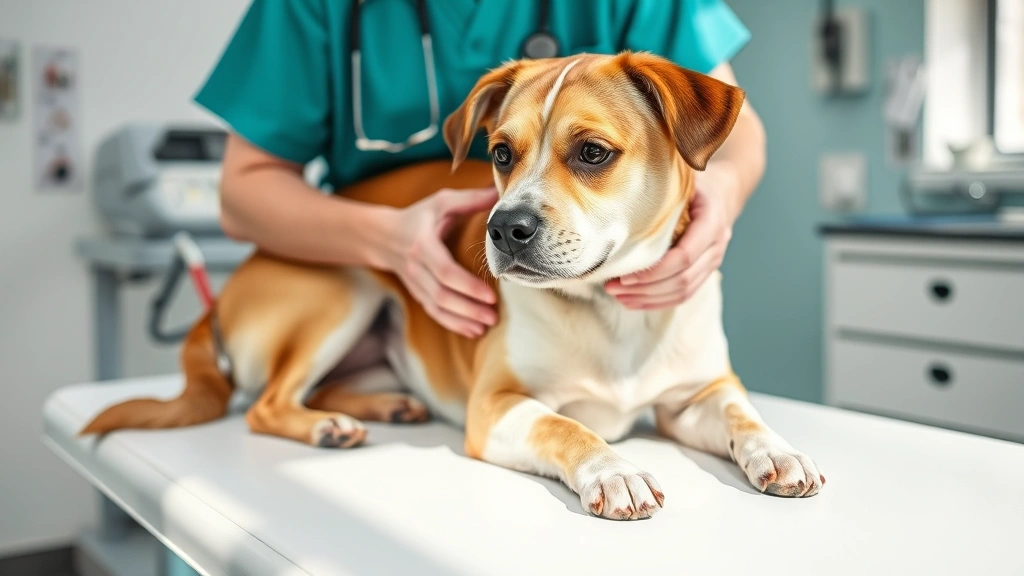
Signs Something Might Be Wrong
While knowing the normal range is helpful, it’s equally important to recognize when your dog’s bathroom habits signal a problem. Several warning signs warrant a veterinary visit.
Increased frequency: If your dog suddenly poops three, four, or more times daily, it could indicate a dietary issue, food intolerance, intestinal parasites, or infection. Persistent increases in frequency should always be evaluated by a vet.
Decreased frequency: Going more than 48 hours without a bowel movement can indicate constipation, which might result from dehydration, lack of exercise, or a blockage. If your dog isn’t pooping regularly, it’s time to consult your veterinarian.
Stool consistency changes: Normal dog poop should be firm and hold its shape. Soft, mushy, or watery stools indicate digestive distress. Blood in the stool, mucus, or an unusual color are also red flags. You might want to learn how to stop diarrhea in dogs if this becomes a recurring issue.
Straining or difficulty: If your dog is straining to poop or seems uncomfortable during bowel movements, it could signal constipation, anal gland issues, or other problems requiring professional attention.
Visible parasites or worms: If you notice worms or unusual items in your dog’s stool, contact your vet immediately. You can learn what worms look like in dog poop to identify potential parasitic infections early.
Common Health Conditions Affecting Poop
Several health conditions can alter your dog’s normal pooping schedule. Understanding these can help you identify when professional veterinary care is needed.
Inflammatory Bowel Disease (IBD): This chronic condition causes inflammation in the digestive tract, leading to increased bowel movements, diarrhea, and discomfort. The ASPCA notes that IBD requires ongoing management and dietary considerations.
Intestinal parasites: Worms, giardia, and other parasites are common culprits behind increased pooping frequency. Puppies are particularly susceptible, which is why regular deworming is essential.
Bacterial or viral infections: Infections like parvovirus or bacterial gastroenteritis cause acute changes in bowel movements, typically with diarrhea and urgency.
Food allergies and intolerances: Dogs with food sensitivities often experience loose stools, increased frequency, and other digestive issues. Identifying and eliminating trigger foods can resolve these problems.
Constipation: Dehydration, lack of exercise, certain medications, or blockages can cause constipation. Senior dogs and those with certain medical conditions are more prone to this issue.
Anal gland problems: When anal glands become impacted or infected, dogs may strain to poop or have difficulty with bowel movements.
According to UC Davis School of Veterinary Medicine, any significant change in your dog’s bowel habits lasting more than a few days should be evaluated by a veterinarian to rule out underlying health issues.
Tips for Maintaining Healthy Bowel Movements
Keeping your dog’s digestive system functioning optimally requires attention to several key factors. Here are expert-recommended strategies for maintaining healthy bowel movements.
Provide adequate exercise: Regular physical activity promotes healthy digestion and regular bowel movements. Most adult dogs need at least 30 minutes to an hour of exercise daily. Exercise also helps prevent constipation and keeps your dog’s metabolism functioning well.
Ensure proper hydration: Fresh water is essential for digestive health. Dehydration is a common cause of constipation in dogs. Make sure your dog has constant access to clean water throughout the day.
Feed a high-quality diet: Choose dog foods with named meat sources, whole grains (if your dog tolerates them), and minimal fillers. Quality nutrition supports digestive health and leads to better stool quality.
Maintain a consistent feeding schedule: Dogs thrive on routine. Feed your dog at the same times each day to establish predictable bathroom habits. This consistency also makes it easier to monitor any changes.
Include fiber when appropriate: Some dogs benefit from dietary fiber to promote healthy digestion. Pumpkin puree, sweet potato, and certain commercial high-fiber foods can help. However, consult your vet before adding fiber supplements, as too much can actually cause problems.
Avoid table scraps and toxic foods: Human food, especially fatty or spicy items, can disrupt your dog’s digestion. Stick to appropriate dog food and treats designed for canine nutrition.
Regular veterinary check-ups: Annual wellness exams allow your vet to monitor your dog’s overall health, including digestive function. Regular check-ups often catch problems before they become serious.
Manage stress: Stress and anxiety can affect your dog’s digestion. Ensure your dog has a calm environment and consider anxiety-reducing strategies like puzzle toys or training exercises if needed.
For dogs experiencing persistent issues, understanding how long your dog can go without peeing and pooping helps you understand their overall urinary and digestive system health. Both systems are interconnected and reflect your dog’s hydration and nutritional status.
Frequently Asked Questions
Is it normal for my dog to poop once a day?
Yes, absolutely. Many healthy adult dogs poop once daily without any issues. What matters is consistency—if your dog has established a once-daily routine and maintains it, that’s perfectly normal. You should only be concerned if there’s a sudden change in this pattern.
Should I be worried if my dog poops twice a day?
Not necessarily. Twice daily is also within the normal range for healthy adult dogs. If your dog is eating two meals daily, two poops is quite common. However, if your dog suddenly increased from one to two times daily without a diet change, it’s worth monitoring for other signs of digestive upset.
How do I know if my dog is constipated?
Signs of constipation include straining during bowel movements, producing very small or hard stools, going more than 48 hours without pooping, or appearing uncomfortable or in pain. If you notice these signs, contact your veterinarian, as constipation can sometimes indicate a more serious problem.
Can changing my dog’s food affect their pooping frequency?
Absolutely. Dietary changes can significantly affect bowel movements. When switching to a new food, do it gradually over 7-10 days to allow your dog’s digestive system to adjust. Sudden diet changes often cause loose stools or increased frequency. If your dog’s new food seems to cause digestive issues, you may need to try a different brand or type.
Why does my dog poop more after eating?
This is completely normal. When food enters the stomach, it triggers the gastrocolic reflex, which stimulates bowel movements. Most dogs will poop within 30 minutes to an hour after eating. This is why maintaining a consistent feeding schedule helps establish a predictable bathroom routine.
Should I be concerned about my senior dog’s changing poop habits?
Changes in senior dogs warrant attention, but they’re not always cause for alarm. Senior dogs sometimes experience slower digestion or changes in bowel frequency. However, significant changes should be discussed with your vet, as they can indicate age-related health issues or medical conditions requiring management.
What should I do if my dog has diarrhea?
Occasional diarrhea can result from minor dietary indiscretions or stress. However, persistent diarrhea lasting more than a day or two warrants veterinary attention. Your vet can determine the underlying cause and recommend appropriate treatment. Many resources exist to help you understand and address this issue.
Can parasites cause changes in my dog’s pooping habits?
Yes, parasites are a common cause of increased bowel movements and diarrhea. Regular parasite prevention is crucial, especially for puppies and outdoor dogs. If you suspect parasites, your vet can perform tests and prescribe appropriate treatment.
How often should I take my dog out to poop?
Most adult dogs need bathroom breaks in the morning, afternoon, and evening—at least three times daily. Puppies need more frequent breaks, often after meals, playtime, and naps. Senior dogs may also need more frequent opportunities. The best approach is to establish a consistent routine that works for your dog’s age and individual needs.





