
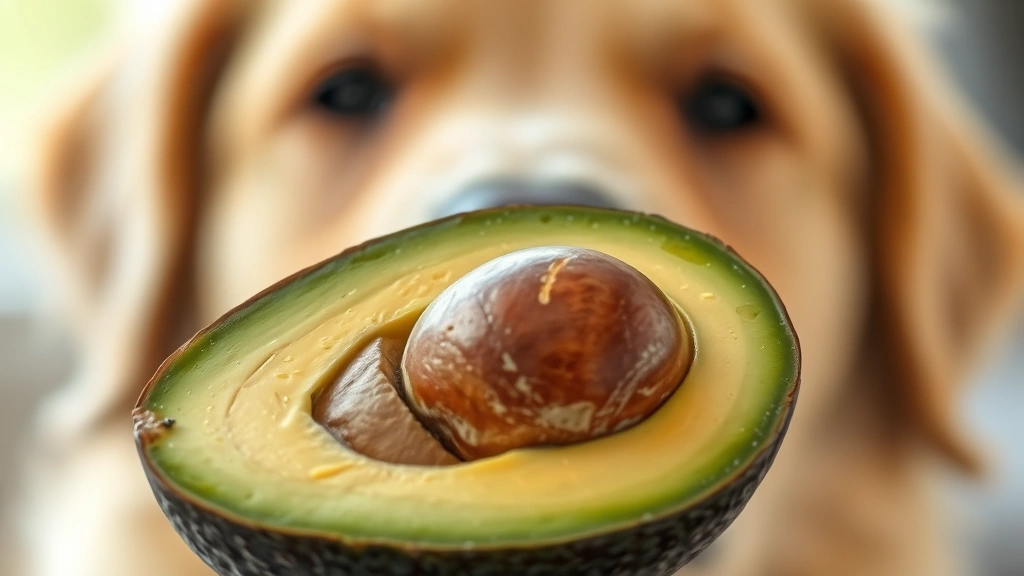
How Much Avocado Is Dangerous for Dogs? A Complete Safety Guide
As a dog owner, you’ve probably wondered about the safety of various human foods, especially when your furry friend gives you those irresistible puppy eyes at the dinner table. Avocados have become increasingly popular in modern diets, and it’s natural to question whether this creamy fruit is safe for your canine companion. The truth about avocado toxicity in dogs is more nuanced than a simple yes or no answer, and understanding the specifics can help you make informed decisions about your pet’s diet.
The concern around avocados and dogs stems from a compound called persin, which is found in various parts of the avocado plant. While many pet owners have heard warnings about avocado toxicity, the actual danger level varies significantly based on several factors, including your dog’s size, the amount consumed, and which part of the avocado was ingested. This comprehensive guide will help you understand exactly what you need to know to keep your beloved pet safe.
Whether you’re a health-conscious owner who regularly enjoys avocado toast or simply curious about what your dog can eat, this article will provide you with evidence-based information to navigate this topic confidently.
What Is Persin and Why Is It Dangerous?
Persin is a naturally occurring fungicidal toxin found in avocado plants, including the fruit, leaves, seed, and bark. This compound is the plant’s defense mechanism against fungal infections and pests. When your dog ingests persin, it can cause gastrointestinal upset and, in more severe cases, affect the heart and respiratory system. Understanding whether avocados are truly safe for dogs requires knowing how persin affects canine physiology differently than it affects humans.
The reason persin poses a greater risk to dogs than to humans is that canines have different metabolic processes and are generally more sensitive to certain plant toxins. Dogs lack certain enzymes that help humans break down and eliminate persin from their bodies efficiently. Additionally, dogs are smaller than most humans, meaning a given quantity of persin represents a higher dose relative to their body weight.
Research from veterinary toxicologists indicates that persin concentration varies throughout the avocado plant. The highest concentrations are typically found in the leaves and seed, moderate amounts in the pit, and lower concentrations in the flesh itself. This variation is crucial when assessing the actual risk your dog faces from accidental avocado consumption. Learning whether avocados are good for dogs involves understanding these nuanced toxin distributions.
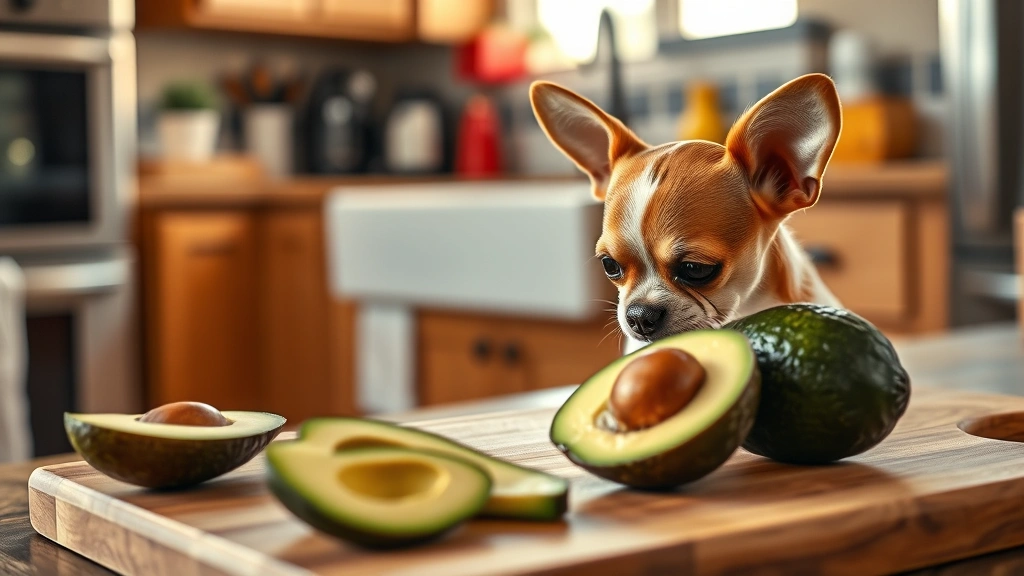
Toxic Doses: How Much Avocado Will Harm Your Dog?
The critical question many dog owners ask is: how much avocado will kill a dog per day? The answer depends on multiple variables, but veterinary toxicologists have established some general guidelines. According to the ASPCA Animal Poison Control Center, avocado toxicity in dogs typically requires consumption of significant quantities to cause serious harm.
For most dogs, eating a small amount of avocado flesh occasionally is unlikely to cause serious problems. However, the toxic threshold varies based on several factors. Generally, dogs would need to consume large quantities—often more than one whole avocado—to experience severe toxicity symptoms. Smaller dogs, those weighing under 20 pounds, are at higher risk than larger breeds because the same amount of persin represents a proportionally larger dose to their body systems.
The lethal dose of persin in dogs hasn’t been definitively established in controlled studies, partly because it would be unethical to test this directly. However, based on case reports and extrapolations from animal toxicology data, severe toxicity typically occurs when dogs consume multiple whole avocados or have access to avocado leaves and seeds. A single slice of avocado is unlikely to cause death in most dogs, but repeated exposure or large quantities pose genuine health risks.
Weight-based calculations suggest that a 50-pound dog would need to consume approximately 3.5 ounces of avocado per kilogram of body weight to reach potentially toxic levels. For a smaller 20-pound dog, this translates to much smaller absolute quantities, making accidental poisoning more feasible with smaller amounts consumed.
Signs and Symptoms of Avocado Toxicity
Recognizing the early signs of avocado toxicity can help you seek veterinary care quickly if your dog accidentally consumes this fruit. The symptoms typically appear within 12 to 36 hours after ingestion, though timing can vary based on the amount consumed and your dog’s individual metabolism.
Common symptoms of avocado toxicity in dogs include:
- Gastrointestinal distress: Vomiting, diarrhea, and abdominal pain are the most frequently reported symptoms
- Loss of appetite: Your dog may refuse food or show decreased interest in meals
- Lethargy: Unusual tiredness or lack of energy compared to your dog’s normal behavior
- Difficulty breathing: In more severe cases, respiratory distress may occur
- Pancreatitis: The high fat content combined with persin can trigger inflammation of the pancreas
- Heart problems: Myocarditis (heart inflammation) has been documented in severe cases, though it’s rare
- Tremors or seizures: Neurological symptoms can occur with significant toxin exposure
If you observe any of these symptoms after your dog has consumed avocado, knowing how to induce vomiting in dogs might be important information to discuss with your veterinarian immediately. Early intervention significantly improves outcomes.

Which Parts of the Avocado Are Most Dangerous?
Not all parts of the avocado pose equal risks to your dog. Understanding which components contain the highest persin concentrations helps you assess the danger level of different accidental exposures. The seed or pit is the most dangerous part of the avocado for dogs. It contains high concentrations of persin and also presents a choking hazard and potential intestinal blockage risk, particularly for smaller dogs. Never allow your dog unsupervised access to avocado pits.
The avocado leaves are the second most dangerous component, containing significant persin levels. If you have avocado plants in your home or garden, ensure your dog cannot chew on the leaves or branches. The skin of the avocado also contains moderate levels of persin, making it more hazardous than the flesh alone.
The flesh or pulp of the avocado contains the lowest concentration of persin. This is why occasional small amounts of avocado flesh are generally considered less dangerous than other parts. However, the flesh also contains very high fat content, which can cause pancreatitis in susceptible dogs. Understanding whether dogs should eat avocado means considering both the persin toxicity and the high-fat content issues.
For practical purposes, if your dog accidentally swallows a small piece of avocado flesh without the pit or skin, the immediate danger is usually minimal. However, consuming the pit or large quantities of flesh warrants veterinary consultation.
Dog Size and Breed Considerations
Your dog’s size plays a crucial role in determining how dangerous avocado consumption is. Smaller dogs are exponentially more vulnerable to toxin exposure because of their lower body weight. A Chihuahua consuming the same amount of avocado as a Great Dane faces dramatically different risk levels due to dose-per-kilogram calculations.
Toy breeds and small dogs (under 15 pounds) should never have access to avocados, as even moderate quantities could potentially cause serious toxicity. Medium-sized dogs (15-50 pounds) face moderate risk from small to moderate avocado consumption. Large and giant breeds (over 50 pounds) have more tolerance for small amounts of avocado flesh, though they’re not immune to toxicity from large quantities or pit/seed consumption.
Certain breeds with predispositions to pancreatitis, such as Schnauzers, Dachshunds, and Cocker Spaniels, face additional risk from avocado’s high fat content, even beyond the persin toxicity concern. If your dog has a history of pancreatitis or gastrointestinal sensitivity, you should be especially cautious about avocado exposure.
Senior dogs and puppies may also be more susceptible to avocado toxicity due to less developed or declining organ function. Dogs with liver disease, kidney disease, or heart conditions should definitely avoid avocados entirely.
What to Do If Your Dog Eats Avocado
If you discover that your dog has consumed avocado, your response should be measured and informed by the specifics of the situation. First, determine what part of the avocado was consumed and approximately how much. If your dog ate only a small piece of flesh, monitor them closely for 24-48 hours for any symptoms, but immediate veterinary care is typically not necessary.
However, if your dog consumed the pit, a large quantity of flesh, or any part of the avocado leaves or skin, contact your veterinarian or an emergency veterinary clinic immediately. Provide them with as much detail as possible about what was consumed and when. Just as you would know what to do if your dog eats chocolate, having a plan for avocado toxicity helps you respond quickly.
Your veterinarian may recommend inducing vomiting if the consumption occurred within the last 2-4 hours and your dog is asymptomatic. Learning how to induce vomiting in dogs is something your vet will handle professionally—never attempt this without veterinary guidance. They may also recommend activated charcoal to help bind any remaining toxins in the gastrointestinal tract.
In cases of significant avocado consumption, your veterinarian will likely recommend supportive care, which may include intravenous fluids to help flush the toxin from your dog’s system, medications to manage gastrointestinal symptoms, and monitoring for complications like pancreatitis or heart issues. Pain management is also important if your dog is experiencing abdominal discomfort.
The prognosis for avocado toxicity in dogs is generally good with prompt treatment. Most dogs recover fully within a few days to a week, though severe cases may require extended hospitalization and more intensive care.
Safe Alternatives to Avocado for Dogs
If you’re looking to give your dog healthy treats or incorporate nutritious foods into their diet, numerous alternatives are safer than avocado. These options provide similar nutritional benefits without the toxicity risks.
Fruits safe for dogs include:
- Apples (remove seeds, which contain cyanogenic compounds)
- Bananas (high in potassium and fiber)
- Blueberries (antioxidant-rich superfood)
- Carrots (excellent for dental health)
- Watermelon (hydrating and low-calorie)
- Pumpkin (great for digestive health)
- Strawberries (vitamin C boost)
Vegetables safe for dogs include:
- Cucumbers (hydrating and low-calorie)
- Green beans (nutritious and filling)
- Sweet potatoes (fiber and vitamins)
- Broccoli (in small quantities)
- Spinach (iron and minerals)
- Bell peppers (vitamin C)
When introducing any new food to your dog’s diet, do so gradually and in small quantities to assess tolerance. Many of these alternatives provide the healthy fats and nutrients you might be seeking from avocado without any toxicity concerns. Your dog’s regular commercial dog food is formulated to meet all their nutritional needs, so treats should comprise no more than 10% of their daily caloric intake.
If you’re interested in providing your dog with healthy human foods, consult with your veterinarian about creating a balanced approach to supplementing their diet safely.
Frequently Asked Questions
Can dogs die from eating avocado?
While avocado toxicity can be serious, actual death from avocado consumption in dogs is extremely rare. Most dogs recover fully with proper veterinary treatment. Death would typically require consumption of massive quantities of avocado or the pit, combined with lack of medical intervention. The high fat content causing severe pancreatitis presents a greater mortality risk than the persin toxin itself.
How much avocado is toxic to a 10-pound dog?
For a 10-pound dog, consuming more than one-quarter to one-half of an avocado could potentially cause toxicity symptoms. However, individual sensitivity varies. A small piece of avocado flesh is unlikely to cause serious problems, but the pit or leaves should never be given to small dogs. When in doubt, contact your veterinarian for guidance specific to your dog’s health status.
Is guacamole safe for dogs?
Guacamole is not safe for dogs. It contains avocado as the primary ingredient, along with additional problematic ingredients like onions and garlic, which are toxic to dogs. The high fat and salt content also poses risks. Never offer guacamole or any guacamole-containing foods to your dog.
What if my dog ate avocado and seems fine?
If your dog consumed a small amount of avocado flesh and shows no symptoms after 48 hours, they have likely not ingested a toxic dose. However, continue monitoring for delayed symptoms, which can occasionally appear up to several days after consumption. If symptoms develop at any point, seek veterinary care immediately.
Are avocado leaves poisonous to dogs?
Yes, avocado leaves are poisonous to dogs and contain higher concentrations of persin than the fruit flesh. If you have avocado plants, ensure your dog cannot access them. Symptoms from leaf consumption can develop quickly and may be more severe than from fruit consumption alone.
Should I induce vomiting if my dog ate avocado?
Only your veterinarian should make the decision to induce vomiting. Call your vet immediately if your dog consumed avocado pit, large quantities of flesh, or any leaves. Your veterinarian will determine whether inducing vomiting is appropriate based on timing, quantity, and your dog’s condition. Never induce vomiting without professional guidance.
What’s the difference between avocado toxicity and other food poisonings?
Avocado toxicity is unique because it involves persin, a specific plant toxin, combined with the high fat content that can trigger pancreatitis. This dual mechanism makes it distinct from bacterial food poisoning or toxicity from other foods. The treatment approach may differ from managing other types of food poisoning, which is why accurate diagnosis is important.
Can dogs have a small amount of avocado occasionally?
Small occasional amounts of avocado flesh (a piece the size of a pea or smaller) are unlikely to cause serious harm in most medium to large dogs. However, veterinarians generally recommend avoiding avocado entirely to eliminate any risk. Why take chances when so many safe alternatives exist? Small dogs should never have any avocado.





