

How Much Benadryl for Dogs? Complete Dosage Guide
If your furry friend is scratching excessively, experiencing an allergic reaction, or struggling with anxiety, you might be wondering whether Benadryl could help. As a pet owner, it’s natural to want quick relief for your dog’s discomfort, and over-the-counter antihistamines like Benadryl seem like an accessible option. However, giving your dog any medication without proper guidance can be risky. Understanding the correct dosage, potential side effects, and when Benadryl is actually appropriate is crucial for your dog’s safety and wellbeing.
Benadryl (diphenhydramine) is commonly used in dogs to manage allergies, anxiety, and certain other conditions, but the dosing isn’t as straightforward as it might seem. Your dog’s weight, age, health status, and the specific formulation all play important roles in determining the right amount. This comprehensive guide will walk you through everything you need to know about Benadryl dosing for dogs, helping you make informed decisions about your pet’s health.
Before administering any medication to your dog, it’s essential to consult with your veterinarian first. They can confirm whether Benadryl is appropriate for your dog’s specific situation and provide personalized dosing recommendations based on your pet’s individual health profile.
Standard Benadryl Dosage for Dogs
The standard dosage for Benadryl in dogs is typically 1 mg per pound of body weight, given every 8 to 12 hours as needed. This means a 50-pound dog would generally receive 50 mg of Benadryl per dose. However, this is a general guideline, and your veterinarian may recommend different dosing based on your dog’s specific needs and health conditions.
The active ingredient in Benadryl is diphenhydramine hydrochloride, which works as an antihistamine to block allergic reactions and reduce itching, swelling, and other allergy symptoms. When you’re determining how much Benadryl you can give your dog, precision matters. Giving too little may not provide relief, while overdosing can lead to serious side effects.
Most standard Benadryl tablets contain 25 mg of diphenhydramine, making them convenient for medium-sized dogs. Liquid formulations are available for smaller dogs or those who have difficulty swallowing pills. The timing of doses is important—spacing them 8-12 hours apart ensures consistent medication levels in your dog’s system without overexposure.
It’s crucial to understand that whether dogs can have Benadryl depends on their individual health status. While many dogs tolerate the medication well, certain breeds and health conditions may make it unsuitable. Always verify with your vet before starting treatment.
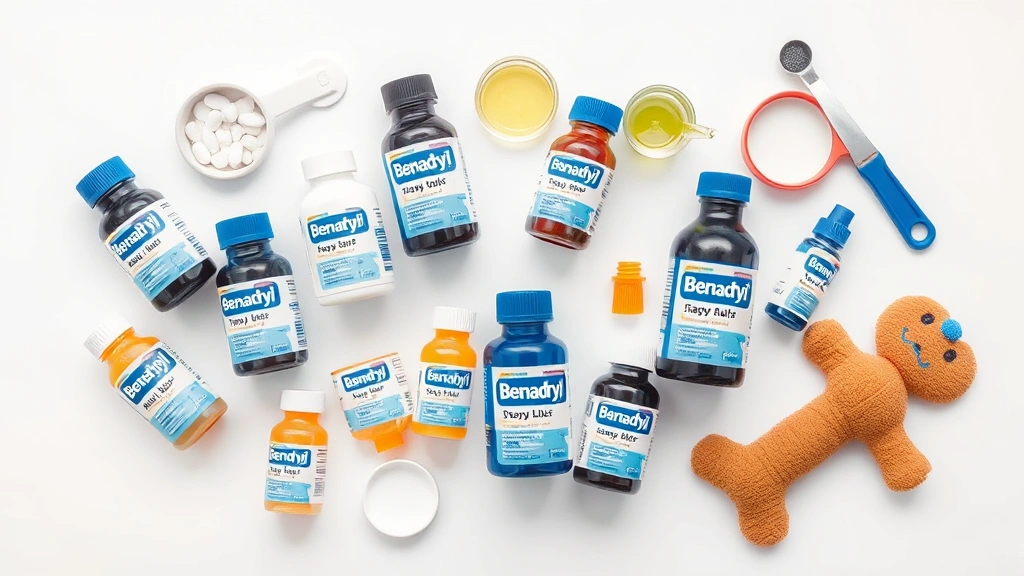
Weight-Based Dosing Chart
Using a weight-based dosing chart makes it easier to determine the appropriate amount of Benadryl for your dog. Remember that these are general guidelines, and your veterinarian’s recommendations should always take precedence:
- Small dogs (5-10 lbs): 5-10 mg per dose
- Small-medium dogs (11-25 lbs): 11-25 mg per dose
- Medium dogs (26-50 lbs): 26-50 mg per dose
- Large dogs (51-100 lbs): 51-100 mg per dose
- Extra-large dogs (100+ lbs): 100+ mg per dose (consult vet for exact amount)
For dogs weighing less than 5 pounds, liquid Benadryl formulations designed for children may be more appropriate, though you should consult your veterinarian about the exact dosage. Chihuahuas, toy poodles, and other toy breeds require especially careful dosing to avoid complications.
When administering Benadryl, consistency is key. If you’re giving your dog medication every 8 hours, try to maintain that schedule as closely as possible. Setting phone reminders can help you stay on track and prevent accidental overdosing from giving a dose too soon.
Different Benadryl Formulations
Benadryl comes in several different formulations, and not all are suitable for dogs. Understanding the differences is essential for safe administration:
Tablets and Capsules: Standard 25 mg Benadryl tablets are commonly used for dogs. They’re easy to portion and store, though some dogs may resist taking pills. You can often hide tablets in treats or wet food to make administration easier.
Liquid Formulations: Liquid Benadryl is ideal for small dogs or those who struggle with swallowing pills. However, you must carefully measure the dose using a syringe to ensure accuracy. Some liquid formulations contain alcohol, which is toxic to dogs, so always check the label carefully.
Gel Capsules: These dissolve quickly and can be easier for some dogs to swallow. The dosage remains the same—1 mg per pound of body weight.
Products to Avoid: Never give your dog Benadryl PM, Benadryl Allergy Plus Cold, or other combination products. These contain additional active ingredients like acetaminophen or phenylephrine that can be harmful or toxic to dogs. Always use plain Benadryl or diphenhydramine products labeled specifically for dogs.
When comparing options for how much Benadryl you can give a dog, the formulation you choose affects how you’ll measure and administer the dose. Tablets offer precision, while liquids provide flexibility for smaller dogs.
When to Use Benadryl for Dogs
Benadryl can be beneficial for dogs in several situations, though it’s not the right choice for every condition. Understanding when Benadryl is appropriate helps you provide the best care for your pet.
Allergic Reactions: Benadryl is commonly used to manage allergic reactions in dogs, whether from food, environmental factors, or insect stings. If your dog experiences sudden swelling, hives, or difficulty breathing, contact your veterinarian immediately—these could indicate a severe reaction requiring emergency care.
Seasonal Allergies: Many dogs suffer from seasonal allergies causing itching, sneezing, and watery eyes. Benadryl can provide relief during peak allergy seasons. However, what you can give your dog for allergies extends beyond Benadryl, and your vet may recommend other options for chronic allergies.
Itching and Skin Irritation: When dogs scratch excessively due to allergies or minor skin irritation, Benadryl can help reduce the itch response, allowing the skin to heal.
Anxiety and Travel Stress: The sedative properties of Benadryl make it useful for anxious dogs, particularly during travel or stressful situations. Some veterinarians recommend it for dogs with separation anxiety or noise phobias.
Insect Stings and Bites: If your dog is stung by a bee or bitten by an insect, Benadryl can reduce swelling and itching associated with the sting.
It’s important to note that while Benadryl can be helpful for these situations, it’s not always the first-line treatment. Your veterinarian may recommend other medications or treatments depending on your dog’s specific condition and medical history.
Potential Side Effects
While Benadryl is generally considered safe for dogs when dosed correctly, it can cause side effects in some animals. Being aware of these potential reactions helps you monitor your dog after administration.
Common Side Effects: The most common side effect of Benadryl in dogs is drowsiness or sedation. You may notice your dog becoming unusually sleepy or lethargic within 30 minutes of taking the medication. This typically wears off as the medication is metabolized.
Some dogs experience dry mouth, constipation, or urinary retention when taking Benadryl. Ensure your dog has access to fresh water and monitor bathroom habits, especially if your dog is on other medications.
Less Common Side Effects: In some dogs, Benadryl can cause paradoxical reactions, resulting in hyperactivity or agitation instead of sedation. This is more common in younger dogs or certain breeds.
Gastrointestinal upset, including vomiting or diarrhea, can occur in sensitive dogs. If your dog experiences these symptoms, discontinue the medication and contact your veterinarian.
Serious Side Effects: Severe allergic reactions to Benadryl itself are rare but possible. Signs include facial swelling, difficulty breathing, or collapse. If you notice any of these symptoms, seek emergency veterinary care immediately.
Dogs with certain health conditions, including heart disease, high blood pressure, or glaucoma, may be at higher risk for adverse effects. This is why veterinary consultation is so important before starting any new medication.
Safety Considerations and Precautions
Before giving your dog any Benadryl, several safety considerations should guide your decision-making process.
Always Consult Your Veterinarian: This cannot be overstated. Your vet can determine if Benadryl is appropriate for your dog’s specific situation and provide proper dosing instructions. They can also rule out serious conditions that might require different treatment.
Check for Drug Interactions: If your dog is taking other medications, Benadryl could interact with them. Your veterinarian will review all medications your dog is currently taking to ensure safety.
Breed-Specific Considerations: Some breeds are more sensitive to antihistamines. Brachycephalic breeds (bulldogs, pugs, Boston terriers) may be at higher risk for respiratory complications. Senior dogs and puppies also require careful consideration.
Health Conditions: Dogs with liver disease, kidney disease, heart conditions, or glaucoma should not receive Benadryl without explicit veterinary approval. Pregnant or nursing dogs should also avoid the medication.
Read Labels Carefully: Always check the label to ensure you’re using plain Benadryl or a dog-specific antihistamine formulation. Many combination products contain ingredients toxic to dogs.
When exploring what painkillers you can give your dog, remember that Benadryl isn’t a painkiller—it’s an antihistamine. For pain management, your veterinarian may recommend different medications.
Alternative Allergy Solutions
While Benadryl can be helpful, it’s not the only option for managing dog allergies. Your veterinarian may recommend alternatives depending on your dog’s specific condition:
Prescription Antihistamines: Medications like Zyrtec for dogs (cetirizine) or Apoquel (oclacitinib) may be more effective for some dogs and have fewer side effects than Benadryl.
Omega-3 Supplements: Fish oil and other omega-3 supplements have anti-inflammatory properties that can help reduce itching and support skin health. These are often used alongside other treatments for chronic allergies.
Hypoallergenic Diets: If your dog has food allergies, switching to a limited ingredient or hypoallergenic diet can eliminate the allergen source entirely.
Topical Treatments: Medicated shampoos, sprays, and creams can provide localized relief for itchy skin without systemic effects.
Immunotherapy: For dogs with severe allergies, allergy testing followed by immunotherapy (allergy shots) can help desensitize their immune system over time.
Environmental Management: Sometimes the best solution is preventing exposure to allergens—using air filters, limiting outdoor time during high pollen seasons, or washing bedding frequently.
Your veterinarian can help you develop a comprehensive allergy management plan that may include one or multiple approaches. What works best varies from dog to dog, so personalized care is essential.
Frequently Asked Questions
Can I give my dog Benadryl every day?
While Benadryl can be used regularly for chronic allergies, daily use should only occur under veterinary supervision. Long-term use may lead to tolerance, reduced effectiveness, or cumulative side effects. Your vet can determine if daily Benadryl is appropriate or if alternative treatments would be better for your dog’s specific condition.
How long does Benadryl take to work in dogs?
Benadryl typically begins working within 30 minutes to an hour of administration. The effects generally last 8-12 hours, which is why it’s dosed multiple times per day. Liquid formulations may work slightly faster than tablets since they don’t need to be digested first.
What should I do if I accidentally give my dog too much Benadryl?
If you suspect an overdose, contact your veterinarian or an emergency veterinary clinic immediately. Overdose symptoms may include severe drowsiness, difficulty urinating, or rapid heartbeat. Your vet can provide supportive care and monitor your dog until the medication is cleared from their system.
Is Benadryl safe for puppies?
Benadryl can generally be given to puppies using the same 1 mg per pound dosage, but only under veterinary guidance. Puppies’ bodies are still developing, making them more sensitive to medications. Always consult your vet before giving any medication to a young dog.
Can I use children’s Benadryl for my dog?
While children’s liquid Benadryl can be used for small dogs, you must be extremely careful about the formulation. Never use products containing alcohol, and always verify the dosage is appropriate for your dog’s weight. Using a veterinary-approved product designed for dogs is always safer.
What’s the difference between Benadryl and other allergy medications for dogs?
Benadryl is a first-generation antihistamine that causes drowsiness. Newer antihistamines like Zyrtec are second-generation and may cause less sedation. Prescription options like Apoquel work differently, targeting specific immune pathways. Your vet can explain which option is best for your dog’s situation.
Will Benadryl make my dog sleepy?
Yes, drowsiness is a common side effect of Benadryl in dogs. This sedative effect can actually be beneficial for anxious dogs or those needing rest during recovery from illness. However, some dogs experience paradoxical reactions and become more active instead.
Can I give Benadryl to my dog before flying?
Some veterinarians recommend Benadryl for anxious dogs during travel, as the sedative effect can help them relax. However, discuss this with your vet before flying, as they may recommend other anxiety management strategies or medications better suited for air travel.
Understanding how to properly administer Benadryl to your dog empowers you to make informed decisions about your pet’s healthcare. While Benadryl can be a helpful tool for managing allergies, anxiety, and other conditions, it’s never a substitute for professional veterinary care. Your veterinarian is your best resource for determining whether Benadryl is appropriate for your dog and what the correct dosage should be based on your individual pet’s health profile.
When your dog is experiencing allergies or other symptoms that make them uncomfortable, it’s natural to want quick relief. By working closely with your veterinarian, you can develop a comprehensive treatment plan that safely and effectively addresses your dog’s specific needs. Whether Benadryl is part of that plan or whether alternative treatments are recommended, professional guidance ensures your furry friend receives the best possible care.





