

How to Cut Black Dog Nails: Expert Tips for Safe and Effective Grooming
Trimming your dog’s nails is one of the most important grooming tasks you can perform at home, yet many pet owners find it intimidating—especially when dealing with black nails. Unlike light-colored nails where you can easily see the pink quick (the sensitive blood vessel inside), black nails present a unique challenge that requires extra care and attention. The good news is that with the right techniques, tools, and knowledge, you can confidently trim your dog’s black nails and keep their paws healthy.
Black dog nails are particularly common in breeds like Labrador Retrievers, German Shepherds, and many mixed breeds. The dark pigmentation makes it impossible to see where the quick ends, which means you need to rely on alternative methods to avoid cutting too short and causing bleeding or pain. This comprehensive guide will walk you through everything you need to know about safely trimming black dog nails, from selecting the right equipment to understanding proper technique.
Regular nail maintenance is essential for your dog’s overall health and comfort. Overgrown nails can cause pain, affect your dog’s gait, and even lead to joint problems over time. By learning how to cut dog nails that are black properly, you’ll be taking an active role in your pet’s wellbeing while potentially saving money on professional grooming visits.
Why Black Nails Matter
Understanding why black nails require special attention starts with knowing the anatomy of a dog’s nail. A dog’s nail consists of the outer shell (the part you see) and the inner quick, which contains blood vessels and nerve endings. When nails are light-colored or white, you can see a dark circle in the center of the cut surface—this is the quick, and it’s your visual guide for where to stop cutting.
Black nails don’t offer this visual advantage, making them significantly more challenging to trim safely. One study from the American Veterinary Medical Association emphasized that improper nail trimming is one of the most common injuries pet owners accidentally inflict on their dogs. With black nails, the risk increases substantially because you can’t see the quick until you’ve already cut into it—which results in bleeding and pain for your furry friend.
The consequences of cutting into the quick extend beyond the immediate discomfort. A dog that has experienced a painful nail trim may become anxious or resistant during future grooming sessions, making the task increasingly difficult. This is why learning proper techniques for trimming black nails is so crucial. Your dog’s paws carry them through life, and keeping them healthy and pain-free should be a top priority.
Tools You Need for the Job
Having the right equipment makes all the difference when learning how to cut dog nails that are black. Don’t attempt to use human nail clippers or scissors—they won’t provide the control or precision you need, and they can crush the nail rather than make a clean cut.
Here are the essential tools you should have on hand:
- Dog Nail Clippers: Choose between scissor-style or guillotine-style clippers. Scissor-style clippers work well for most dogs and provide better control. Guillotine clippers have a hole where you insert the nail, and a blade slides across to cut it. Both work effectively; it’s about personal preference.
- Nail Grinder: A rotary tool with a grinding stone is invaluable for black nails. It allows you to gradually reduce nail length while seeing exactly how close you are to the quick. This is often the safest option for black nails.
- Styptic Powder: This blood-clotting powder is essential to have nearby in case you accidentally cut into the quick. It stops bleeding quickly and reduces pain.
- Flashlight or Headlamp: Good lighting is critical when working with dark nails. A bright light helps you see the nail’s structure more clearly and identify any changes in color that might indicate you’re approaching the quick.
- Treats and Rewards: Positive reinforcement makes the process easier for both you and your dog.
Investing in quality nail clippers designed specifically for dogs will make the task much easier and safer. Look for clippers with sharp blades and comfortable handles that fit your hand well.

Preparing Your Dog for Nail Trimming
Preparation is key to a successful nail-trimming session. Start by getting your dog comfortable with having their paws handled. If your dog isn’t used to paw touching, spend several days gently handling their feet during calm moments, rewarding them with treats and praise.
When you’re ready to trim, choose a time when your dog is calm and relaxed—not right after play or exercise when they’re energetic. Create a comfortable space where you can work without distractions. Some pet owners find it helpful to use a harness to gently restrain their dog during grooming, which keeps both you and your pet safe.
Consider your own comfort too. Sit on the floor, a low stool, or have your dog on a grooming table at a comfortable height. Your posture matters because you’ll need steady hands and good visibility to work with black nails safely. If your dog is anxious, you might want to practice a few sessions where you simply handle their paws and use the clippers near them without actually cutting, just to build confidence.
Some dogs respond well to gentle massage before trimming. A short paw massage can relax your dog and help them associate nail-trimming time with positive experiences. This is especially important if your dog has had a bad experience with nail trimming in the past.
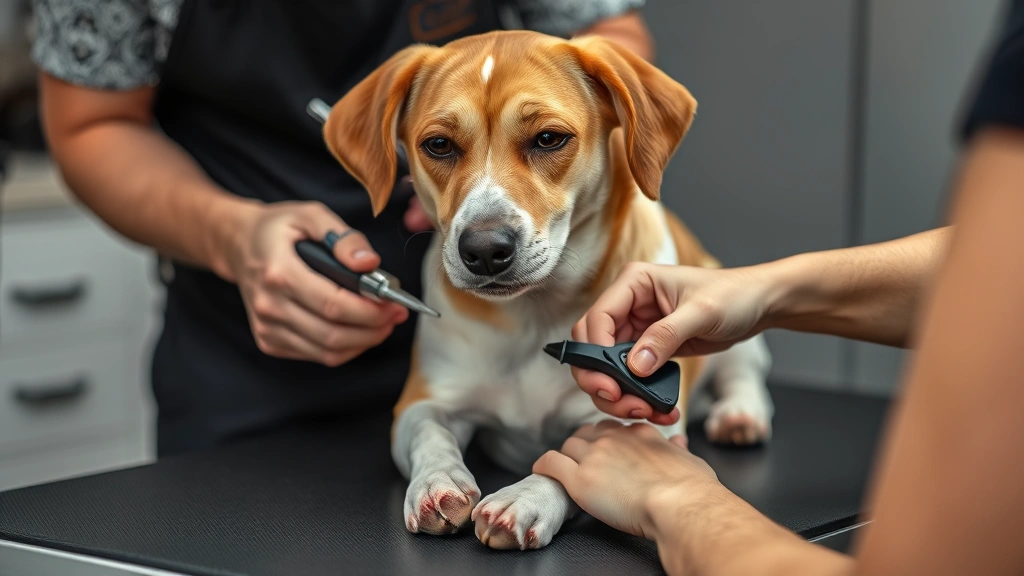
Step-by-Step Trimming Guide
Now that you’re prepared, let’s walk through the actual trimming process. These steps apply to most dogs, though you may need to adjust slightly based on your specific dog’s size and temperament.
Step 1: Examine Each Nail
Start by picking up your dog’s paw and examining each nail carefully. Look for any signs of cracking, splitting, or overgrowth. With a flashlight, try to see if you can identify any structural changes in the nail. Sometimes you can see a slight color change or texture difference near the quick.
Step 2: Position the Nail Correctly
Hold your dog’s paw steady but gently. Position the nail clippers perpendicular to the nail, not at an angle. This ensures an even cut and reduces the chance of splintering. The nail should be pointing away from you and your dog’s body.
Step 3: Make Small Cuts
This is the most critical step when dealing with black nails. Instead of trying to trim the entire nail in one cut, make multiple small cuts. After each cut, look at the cross-section of the nail. You’re looking for a tiny black or dark gray dot in the very center of the nail—this is the quick. As you get closer to the quick, the dot will get larger.
Step 4: Stop Before the Quick
Continue making small cuts until you see the dot start to appear clearly in the center. Once you see it, stop trimming that nail. It’s better to leave a nail slightly longer than to risk hitting the quick. Most dogs’ nails should be trimmed until they don’t touch the ground when the dog stands on a hard surface, but with black nails, erring on the side of caution is wise.
Step 5: Smooth Rough Edges
After trimming, you can use a nail file or nail grinder to smooth any rough edges. This is not only more comfortable for your dog but also prevents the nail from catching on carpets or furniture.
Step 6: Reward Your Dog
Give your dog plenty of praise and treats throughout the process. Positive reinforcement makes future nail-trimming sessions easier and helps your dog associate the experience with good things.
Special Techniques for Black Nails
Since black nails present unique challenges, several specialized techniques can make the process safer and easier. Understanding these methods will help you master how to cut dog nails that are black with confidence.
The Nail Grinder Method
Many experts recommend using a rotary nail grinder for black nails. This tool gradually wears down the nail rather than cutting it abruptly. The advantage is that you can see exactly how close you are to the quick as the nail gets shorter. Start with the grinder on a low setting to avoid overheating the nail, which can be uncomfortable for your dog. Grind slowly and check frequently. This method takes longer than clipping but offers superior safety for black nails.
The Flashlight Technique
Hold a bright flashlight or headlamp behind the nail and look at it from the side. Sometimes you can see a subtle color change or translucency that indicates you’re getting close to the quick. This requires practice and good lighting, but many experienced groomers swear by it. The light passes through the nail differently as it gets closer to the blood vessels inside.
The Small Increments Approach
Rather than trying to trim all nails to the same length at once, trim just a tiny bit from each nail during multiple sessions. This conservative approach reduces the risk of hitting the quick. You might trim a little bit every week rather than doing a complete trim every three weeks. Your dog’s nails will gradually reach the ideal length with minimal risk.
The Pressure Test
After trimming, gently press on the nail. If you see a tiny dot of clear or slightly pink fluid, you’re very close to the quick but haven’t cut into it yet. If you see blood, you’ve gone too far. This test helps you calibrate your technique for future trims. As you perform more trims, you’ll develop an intuition for exactly where to stop.
What to Avoid When Trimming
Understanding common mistakes will help you avoid painful situations for your dog. Here are critical errors to prevent:
- Avoid Rushing: Never hurry through nail trimming, especially with black nails. Take your time, make small cuts, and check frequently. A rushed trim is far more likely to result in an injury.
- Don’t Cut at an Angle: Always cut perpendicular to the nail. Angled cuts are more likely to splinter and make it harder to see the quick.
- Avoid Using Dull Blades: Dull clippers crush the nail instead of cutting cleanly, causing pain and potential splitting. Replace or sharpen your clippers regularly.
- Don’t Ignore Signs of Pain: If your dog yelps or pulls away, stop immediately. Your dog is communicating that something hurts.
- Avoid Trimming When Stressed: Don’t attempt nail trimming if you’re frustrated or your dog is extremely anxious. Wait for a calmer time when you can both relax.
- Don’t Forget Dewclaws: Many owners overlook the dewclaws (the nails on the inside of the front legs). These grow continuously and can curl into the skin if not trimmed regularly.
One of the most important things to remember is that you can always trim more later, but you can’t undo cutting into the quick. When in doubt, leave the nail slightly longer.
Aftercare and Maintenance
Proper aftercare ensures your dog’s paws stay healthy between trimming sessions. If you accidentally cut into the quick and your dog’s nail is bleeding, apply styptic powder immediately. Press the powder onto the bleeding nail for several seconds. This typically stops the bleeding within a minute or two. If bleeding doesn’t stop after five minutes, contact your veterinarian.
After a trim, monitor your dog’s paws for any signs of infection or irritation. Keep the nails clean and dry. If your dog spends a lot of time outdoors or in wet environments, check their paws daily for debris or moisture that could cause problems.
Between professional trims or home trimming sessions, you can help keep nails in better condition by maintaining your dog’s overall health. A healthy diet contributes to strong nails. You might consider learning how to boil chicken for dogs as part of a nutritious diet that supports nail health and overall wellness.
Additionally, ensure your dog gets regular exercise on varied surfaces. Walking on concrete and rough terrain naturally helps wear down nails. Dogs that spend most of their time on soft surfaces like carpet and grass will need more frequent nail trims.
Part of maintaining healthy paws also includes regular inspection. When you’re cleaning your dog’s ears or performing other grooming tasks, take a moment to examine all four paws. Look for cracks, splits, overgrowth, or any signs of infection. Early detection of problems prevents more serious issues down the road.
When to Seek Professional Help
While home nail trimming is absolutely achievable, there are times when professional help is the best option. If you feel uncomfortable trimming your dog’s nails, or if your dog is extremely anxious or aggressive during the process, a professional groomer or veterinarian can handle it safely.
Professional groomers have years of experience working with all nail types and colors. They have access to specialized equipment and can often complete the job quickly and painlessly. If your dog has had a traumatic nail-trimming experience in the past, a professional might help rebuild positive associations with the process.
Additionally, if your dog has a medical condition affecting their nails, or if you notice signs of infection, the ASPCA recommends consulting a veterinarian. Conditions like fungal infections, nail bed infections, or injuries require professional diagnosis and treatment.
Some dogs have particularly thick or brittle nails, or they may have dewclaws that are especially difficult to access. In these cases, professional help ensures the job is done safely and thoroughly. There’s no shame in seeking help—what matters most is your dog’s safety and comfort.
If you’re unsure whether your dog’s nails are the right length, your veterinarian can provide guidance. During regular checkups, ask your vet to assess your dog’s nail length and give you feedback on your trimming technique if you’re doing it at home.
Frequently Asked Questions
How often should I trim my dog’s black nails?
Most dogs need their nails trimmed every 3-4 weeks. However, this varies based on your dog’s lifestyle, activity level, and how quickly their nails grow. Dogs that spend a lot of time on hard surfaces may need less frequent trims. Check your dog’s nails regularly and trim when they start to touch the ground or curl.
What should I do if I accidentally cut into the quick?
Don’t panic! First, apply styptic powder to stop the bleeding immediately. If you don’t have styptic powder, you can use cornstarch or flour as a temporary substitute. Most quick injuries stop bleeding within a few minutes. Comfort your dog and monitor the nail for infection over the next few days. Contact your veterinarian if bleeding doesn’t stop or if the nail shows signs of infection.
Is a nail grinder better than clippers for black nails?
Many professionals recommend nail grinders for black nails because they allow you to gradually reduce the length while seeing the quick’s position. However, grinders take longer and some dogs find the noise and vibration uncomfortable. Both methods work—it depends on your dog’s temperament and your comfort level. Some people use both tools, using clippers for most of the nail and a grinder for final smoothing.
Can I see the quick in black nails at all?
Sometimes yes, sometimes no. In some black nails, you can see a subtle color change or dot that indicates the quick’s location. With experience and good lighting, you may be able to identify it. However, not all black nails show this indicator, which is why the small-increments approach is safest—you watch for the dot to appear as you trim progressively smaller amounts.
Why do my dog’s black nails seem to grow faster than other dogs’ nails?
Nail growth rate is determined by genetics, diet, activity level, and health. It’s not necessarily related to nail color. If you’ve noticed your dog’s nails grow particularly quickly, ensure they’re getting adequate nutrition and regular exercise. Some health conditions can also affect nail growth, so mention it to your veterinarian during your next visit.
Should I trim my dog’s dewclaws?
Yes, absolutely. Dewclaws grow continuously and don’t naturally wear down like other nails. If left untrimmed, they can curl and grow into the paw pad, causing pain and infection. Trim dewclaws as part of your regular nail maintenance. They’re often higher on the leg and can be tricky to access, so take extra care when trimming them.
What’s the best way to hold my dog’s paw while trimming?
Hold the paw gently but firmly, supporting it from underneath. Use your thumb to extend each nail one at a time. Keep the nail in clear view and the clippers perpendicular to the nail. For larger dogs, you might need to sit on the floor or use a grooming table to get the right angle and leverage.
How do I know if my dog’s nails are too long?
When your dog stands on a hard floor, their nails shouldn’t touch the ground. You should be able to slide a thin piece of paper under the nail. Additionally, if you hear clicking sounds when your dog walks on hard floors, the nails are definitely too long. Long nails can also cause your dog to shift their weight uncomfortably, affecting their gait and posture.
Is it normal for my dog to bleed a little after nail trimming?
A small amount of bleeding is normal if you’ve trimmed very close to the quick but not into it. However, significant bleeding indicates you’ve cut into the quick. Apply styptic powder and monitor the nail. If bleeding continues for more than a few minutes, contact your vet.
Can I use human nail clippers on my dog?
It’s not recommended. Human nail clippers are designed for softer nails and won’t provide the control or cutting power needed for dog nails. They can crush the nail, causing splitting and pain. Always use clippers designed specifically for dogs. Your dog’s comfort and safety depend on having the right tools.
Learning how to cut dog nails that are black takes practice and patience, but it’s a valuable skill that benefits your dog’s health and comfort. Start slowly, stay calm, and remember that conservative trimming is always better than aggressive cutting. With these expert tips and techniques, you’ll soon feel confident handling your dog’s nail care at home. Your furry friend’s paws will thank you for the careful attention and regular maintenance. If you’re ever unsure or uncomfortable, don’t hesitate to seek professional help—your dog’s wellbeing is always the top priority. For additional grooming guidance, learn about how to clean a dog’s ears as part of a comprehensive grooming routine. Regular health monitoring is also important; if you notice anything unusual, learn how to tell if your dog has worms and other common health issues. For more detailed information on black nail trimming, check out our dedicated guide on how to cut dogs black toenails. Remember, proper grooming and health awareness are essential components of responsible dog ownership.





