

Eliminate Dog Pee Smell from Couch: Simple Solutions
There’s nothing quite like the moment you realize your beloved dog has had an accident on your couch. Beyond the immediate frustration, that lingering urine smell can seem impossible to remove, no matter how much you scrub or spray. The good news? With the right approach and a bit of patience, you can completely eliminate that odor and restore your furniture to its fresh, clean state.
Dog urine has a particularly stubborn smell because it contains uric acid crystals that bond deeply into fabric fibers. These microscopic crystals don’t just sit on the surface—they embed themselves into the couch’s material, padding, and even the frame underneath. This is why simply wiping down the surface or using standard fabric fresheners rarely works. You need a targeted strategy that addresses the problem at its source.
Whether your dog is a puppy still learning house training, an older dog with incontinence issues, or a stressed pup marking territory, this comprehensive guide will walk you through proven methods to remove that stubborn dog pee smell from your couch once and for all.
Identifying the Source of the Smell
Before you can effectively eliminate dog urine odor, you need to locate exactly where the accident occurred. Sometimes the smell is obvious, but other times urine has soaked into multiple layers of your couch, making the exact location tricky to pinpoint.
Use a blacklight flashlight. This is one of the most effective tools for finding dried urine spots. In a darkened room, scan your couch with a blacklight, and urine will appear as bright yellow or blue spots. This method reveals accidents you might have missed, including those on the underside of cushions or along the couch frame.
Trust your nose. Get down close to different areas of the couch and sniff carefully. Your nose is actually quite good at detecting the ammonia-like scent of dog urine. Pay special attention to seams, crevices, and the bottom of cushions where liquid tends to pool.
Check for stains. Look for any visible discoloration on the fabric. Fresh urine may create a darker spot, while older accidents might leave a subtle outline that’s only visible at certain angles.
Understanding how long dogs can hold their pee can help you identify patterns in accidents and prevent future incidents. If you’re dealing with repeated accidents, you may also want to explore strategies for stopping your dog from peeing in the house.
Initial Cleanup Steps
Acting quickly makes a huge difference in your ability to eliminate dog urine smell. The faster you address the accident, the less time the urine has to set into the fabric and padding.
Blot, don’t rub. If the accident is still wet, use paper towels or cloth to blot up as much liquid as possible. Press down firmly to absorb the moisture, but avoid rubbing, which can push the urine deeper into the fabric fibers.
Apply baking soda. Sprinkle generous amounts of baking soda over the affected area. Let it sit for at least 12 hours—overnight is ideal. Baking soda absorbs odors and moisture. You’ll notice it will turn slightly damp as it absorbs the remaining urine.
Vacuum thoroughly. Use a vacuum with strong suction to remove all the baking soda. Make sure to get into crevices and under cushions. This step is crucial for preventing the baking soda from settling deeper into the couch.
After initial cleanup, you’ll want to address the deeper layers. If you’re also dealing with similar issues elsewhere in your home, check out our guide on how to get dog pee out of mattress for additional techniques that work across different furniture types.

Using Enzymatic Cleaners
Enzymatic cleaners are the gold standard for eliminating dog urine smell because they actually break down the uric acid crystals rather than just masking the odor. These cleaners contain natural enzymes that digest the compounds responsible for the smell.
How enzymatic cleaners work. Enzymes are proteins that catalyze chemical reactions. In this case, they break down uric acid into smaller, odor-free compounds. This is fundamentally different from other cleaning methods that simply cover up the smell temporarily.
Popular enzymatic cleaner options:
- Nature’s Miracle Advanced Stain and Odor Eliminator: This is widely recommended by veterinarians and pet trainers. It’s specifically formulated for pet urine and works on multiple surfaces.
- Rocco & Roxie Professional Strength Stain and Odor Eliminator: Another highly-rated option that pet owners swear by for stubborn couch odors.
- Sunny & Honey Enzyme Cleaner: A plant-based option that’s effective and eco-friendly.
- Thornell’s Urine Off: Specifically designed to eliminate uric acid and the resulting ammonia smell.
How to apply enzymatic cleaners:
- Test the cleaner on an inconspicuous area of your couch first to ensure it doesn’t damage or discolor the fabric.
- Saturate the affected area with the enzymatic cleaner. Don’t just spray it lightly—the cleaner needs to penetrate deep into the fabric and padding to reach all the urine crystals.
- Let it sit for the recommended time, usually 12-24 hours. During this time, the enzymes are actively breaking down the uric acid.
- Blot up the excess cleaner with clean towels.
- Allow the couch to air dry completely. This can take 24-48 hours depending on humidity and airflow.
Important note: Never mix enzymatic cleaners with other cleaning products, especially bleach or ammonia-based cleaners. This can create toxic fumes and reduce the effectiveness of the enzymatic solution.
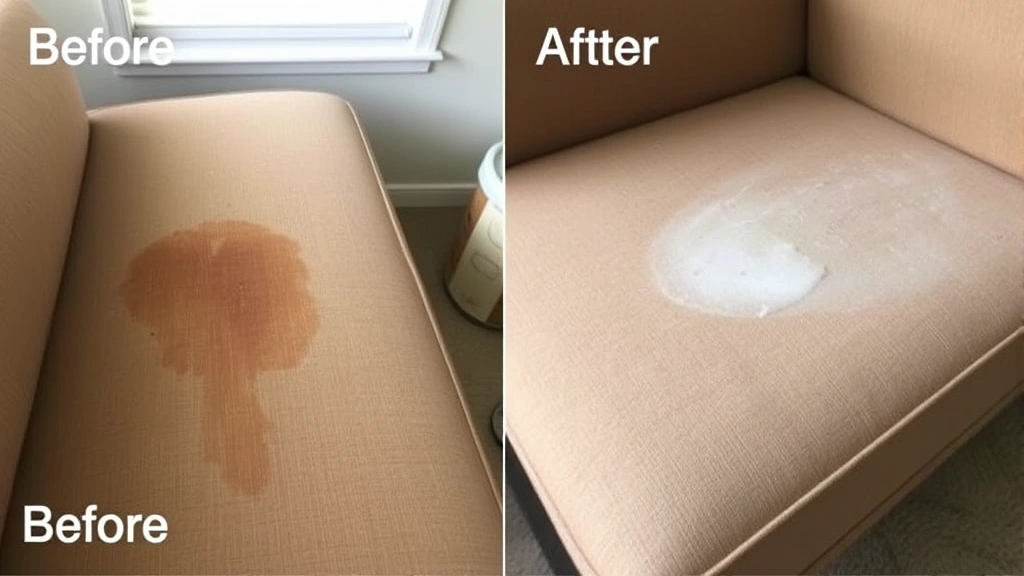
Natural Deodorizing Solutions
If you prefer to avoid commercial cleaners, several natural solutions can help eliminate dog pee smell from your couch. While these may be less potent than enzymatic cleaners, they can be effective for mild odors or as supplementary treatments.
Vinegar and baking soda combination: Mix equal parts white vinegar and water in a spray bottle. Spray the affected area generously, then sprinkle baking soda over it. The combination creates a fizzing reaction that helps lift odors. Let it sit for several hours before vacuuming. This method is safe and non-toxic, though you should test it on your couch fabric first.
Hydrogen peroxide solution: Mix one cup of hydrogen peroxide with one tablespoon of baking soda and a few drops of dish soap (make sure any soap you use is safe for dogs). Apply to the stain, let sit for 10-15 minutes, then blot. This solution is particularly effective on light-colored fabrics but should be tested first as it can bleach darker materials.
Coffee grounds: Dried, unused coffee grounds can absorb odors. Place them in small bowls or sachets around the affected area overnight. While this won’t eliminate the smell entirely, it can help mask it while you’re working on deeper cleaning.
Activated charcoal: Similar to coffee grounds, activated charcoal is excellent at absorbing odors. Leave activated charcoal briquettes near the problem area overnight, or sprinkle activated charcoal powder, let it sit for several hours, then vacuum.
Lemon juice and salt: Create a paste with lemon juice and salt. Apply it to the stain and let it dry completely before brushing off and vacuuming. The citric acid in lemon helps neutralize odors naturally.
Deep Cleaning Methods
If the smell persists after initial treatments, it’s time to bring out the heavy-duty cleaning methods. These approaches address the problem at deeper levels of your couch.
Renting a carpet cleaning machine: Many people don’t realize that carpet cleaning machines (like Rug Doctor or Bissell Deep Clean) work wonderfully on couches. These machines inject hot water and cleaning solution deep into the fabric and padding, then extract it back out. Rent one and use it with an enzymatic cleaner solution specifically designed for the machine.
Professional upholstery cleaning: If your couch is valuable or the smell is particularly stubborn, hiring a professional upholstery cleaning service is worth the investment. Professionals have access to commercial-grade equipment and specialized solutions. They can also advise you on whether your couch can be salvaged or if replacement is more practical.
Removing and cleaning cushions: For couches with removable cushions, take them apart if possible. This allows you to treat the internal padding directly, which is often where the worst smell originates. Some cushion covers are machine washable—check the care tag. Wash covers in hot water with enzymatic laundry detergent.
Treating the couch frame: Don’t forget about the wooden or metal frame underneath the cushions. Urine can seep down and soak into the frame structure. Use a spray bottle to apply enzymatic cleaner to the frame, let it sit, and wipe clean with damp towels. Allow to air dry completely.
For comprehensive odor removal throughout your home, you may also want to learn about how to get dog smell out of couch more broadly, and if you have other furniture affected, our guide on how to clean dog poop out of carpet covers similar deep-cleaning principles applicable to various surfaces.
Prevention Tips
Once you’ve eliminated the dog urine smell, you’ll want to prevent it from happening again. Prevention is always easier than remediation.
Establish a consistent bathroom schedule. Take your dog outside on a regular schedule—typically first thing in the morning, after meals, after playtime, and before bedtime. Consistency helps dogs develop reliable bathroom habits.
Reward outdoor bathroom breaks. When your dog goes to the bathroom outside, immediately praise and reward with treats. This positive reinforcement makes outdoor elimination the preferred behavior.
Use protective covers. Invest in waterproof couch covers or throws that can be easily removed and washed. These provide a barrier between your dog and the upholstery.
Address medical issues. If your adult dog suddenly starts having accidents indoors, consult your veterinarian. Issues like urinary tract infections, diabetes, or kidney problems can cause inappropriate elimination. According to the American Animal Hospital Association, medical issues are a common cause of sudden behavioral changes in dogs.
Manage stress and anxiety. Some dogs have accidents when stressed or anxious. Identify triggers and work with a trainer or behaviorist to address underlying anxiety issues.
Clean accidents immediately. If accidents do happen, clean them immediately and thoroughly. Dogs are more likely to eliminate in spots where they’ve previously gone, so thorough cleaning breaks this cycle.
Consider enzymatic laundry treatment. Wash any dog bedding or blankets with enzymatic laundry detergent to prevent odor buildup.
When to Replace Your Couch
Sometimes, despite your best efforts, the smell simply won’t go away. If you’ve tried multiple cleaning methods and the odor keeps returning, it may be time to accept that your couch has reached the end of its life.
Signs your couch should be replaced:
- The smell returns within days of deep cleaning
- Multiple areas of the couch have been affected
- The urine has soaked through to the wooden frame, causing structural damage or rot
- The couch is old and already showing wear beyond the urine damage
- Professional cleaners have indicated the damage is irreparable
Choosing a new couch: If you do need to replace your furniture, consider these factors:
- Fabric choice: Look for performance fabrics or microfiber that resist staining and are easier to clean
- Removable covers: Choose a couch with removable, washable cushion covers for easier maintenance
- Color: Darker colors and patterns hide stains better than light solids
- Leather or faux leather: These materials are extremely easy to clean and don’t absorb liquids
Protecting your new couch: Once you have a new couch, take preventive measures from day one. Use protective covers, maintain your dog’s bathroom schedule, and address any underlying behavioral or medical issues that led to the original accidents.
Frequently Asked Questions
How long does it take to completely eliminate dog urine smell from a couch?
The timeline depends on several factors: how old the accident is, how deeply the urine has soaked, and which cleaning method you use. Fresh accidents can be resolved in 24-48 hours with proper treatment. Older, set-in smells may require multiple treatments over several weeks. Enzymatic cleaners typically need 12-24 hours to work effectively.
Will my dog keep peeing in the same spot if I don’t clean it perfectly?
Yes. Dogs have an incredible sense of smell and can detect urine residue that’s completely imperceptible to humans. If even trace amounts of urine remain, your dog is likely to eliminate in that spot again. This is why thorough, enzymatic cleaning is so important—it actually breaks down the compounds that attract dogs back to the same spot.
Can I use regular cleaning products to remove dog urine smell?
Regular cleaning products like all-purpose cleaners or fabric fresheners can temporarily mask the smell, but they won’t eliminate it. In fact, some people report that certain cleaners can actually make the problem worse by interacting with the urine compounds. Enzymatic cleaners are specifically designed to address this problem and are your best bet for permanent odor removal.
Is dog urine dangerous to my health?
While dog urine isn’t typically dangerous, prolonged exposure to the ammonia fumes it releases can cause respiratory irritation, especially in people with asthma or other respiratory conditions. This is another good reason to eliminate the smell completely rather than just masking it. According to the ASPCA, maintaining a clean living environment is important for both pet and human health.
What’s the difference between male and female dog urine smell?
Male dog urine, particularly from unneutered males, tends to have a stronger, more pungent smell due to hormonal compounds. Female urine is typically less strong-smelling. However, the cleaning methods are the same regardless of the source of the urine.
Can I use bleach to eliminate dog urine smell?
No, you should avoid bleach for several reasons. First, bleach can damage or discolor fabric. Second, mixing bleach with urine creates toxic ammonia gas. Third, bleach doesn’t actually break down uric acid—it just kills bacteria temporarily. Enzymatic cleaners are a much safer and more effective choice.
How do I know if my dog has a medical issue causing accidents?
Sudden changes in bathroom habits warrant a veterinary visit. According to the American Veterinary Medical Association, conditions like urinary tract infections, incontinence, diabetes, and kidney disease can all cause inappropriate elimination. If your previously house-trained dog suddenly starts having accidents, especially if they’re drinking more water than usual or straining to urinate, contact your vet immediately.
Will enzymatic cleaners work on old, set-in urine stains?
Yes, enzymatic cleaners can work on old stains, but they may need more time and possibly multiple applications. For set-in stains, you may need to saturate the area more heavily and allow the cleaner to sit for a full 24 hours. Combining enzymatic cleaners with other methods, like using a carpet cleaning machine, often yields the best results for stubborn, old stains.
Can I speed up the drying process after cleaning?
You can improve air circulation by opening windows and using fans, but avoid using heat sources like hair dryers or space heaters on the couch, as this can set any remaining odors. Air drying naturally is best. If you need the couch usable quickly, using a dehumidifier in the room can help speed drying.
What should I do if my couch cushions are not removable?
If cushions aren’t removable, you’ll need to focus on surface and near-surface treatment. Use a carpet cleaning machine designed for upholstery, or rent a professional-grade machine. Apply enzymatic cleaner generously and allow maximum saturation time. You may also consider having the couch professionally cleaned by a service with access to industrial-strength equipment.





