
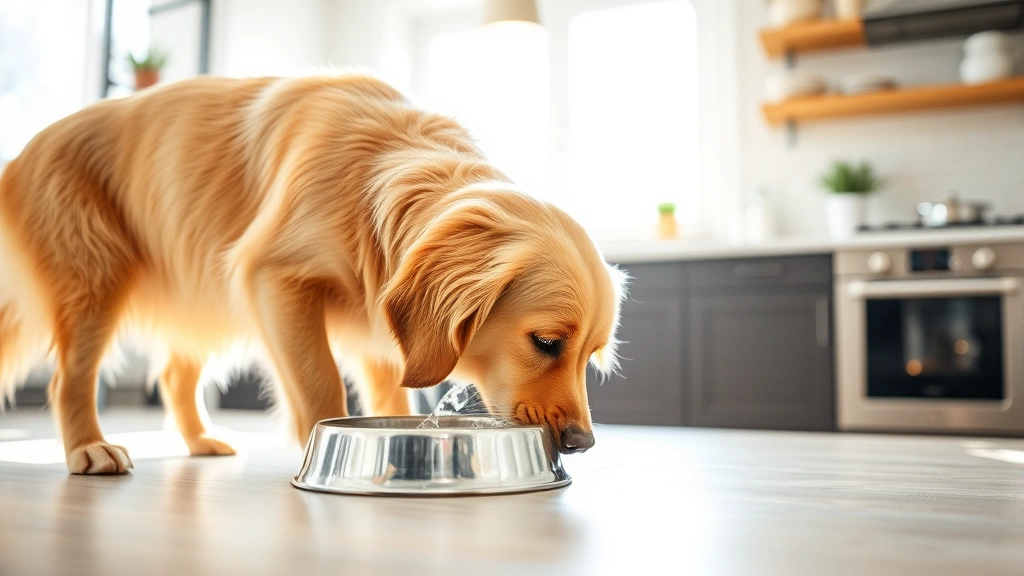
How to Encourage Your Dog to Drink More Water
Water is absolutely essential for your dog’s health and wellbeing, yet many pet owners struggle with getting their furry friends to drink enough throughout the day. Whether your dog is a picky drinker or simply doesn’t seem interested in their water bowl, dehydration can lead to serious health complications including kidney problems, urinary tract infections, and heat-related illness. The good news is that there are numerous proven strategies you can implement right now to encourage your dog to drink more water and maintain optimal hydration levels.
Understanding why your dog might be avoiding water is the first step toward solving this common problem. Some dogs are naturally less interested in drinking, while others may have developed preferences for certain types of water or bowl materials. Age, activity level, diet, and even environmental factors all play a role in how much water your dog needs and how much they’ll actually consume. By learning about these factors and implementing practical solutions, you can ensure your beloved pet stays properly hydrated.
In this comprehensive guide, we’ll explore everything you need to know about encouraging your dog to drink more water, from simple behavioral changes to creative hydration solutions that your pup will actually enjoy.
Why Hydration Matters for Dogs
Just like humans, dogs require adequate water intake to function properly. Water regulates body temperature, aids in digestion, supports kidney function, and helps transport nutrients throughout your dog’s body. The amount of water your dog needs depends on several factors including their size, age, activity level, and diet. As a general rule, dogs should drink approximately one ounce of water per pound of body weight daily, though this can vary based on individual circumstances.
Proper hydration becomes even more critical during hot weather, after exercise, or when your dog is dealing with certain health conditions. If your dog isn’t drinking enough water, their body cannot perform these essential functions efficiently. This is why learning why your dog might be drinking excessively is important—sometimes excessive drinking indicates an underlying issue, while other times it’s simply a sign that your dog is getting enough hydration. Understanding the balance is key to maintaining your pet’s health.
Dogs who are consistently dehydrated may develop serious complications over time. Chronic dehydration can lead to kidney disease, bladder stones, and urinary tract problems. Additionally, dehydrated dogs may experience reduced cognitive function, decreased energy levels, and weakened immune systems. Prevention through consistent hydration is far easier than treating dehydration-related complications.
Signs Your Dog Might Be Dehydrated
Recognizing the early signs of dehydration is crucial for maintaining your dog’s health. One of the most reliable indicators is skin turgor—gently pull the skin on your dog’s neck or shoulder. If it snaps back immediately, your dog is well-hydrated. If the skin takes several seconds to return to normal, your dog may be dehydrated. Other physical signs include dry gums, reduced saliva, and sunken eyes.
Behavioral changes can also indicate dehydration. A dehydrated dog may seem lethargic, lose interest in play, or appear less enthusiastic about their usual activities. Some dogs become panting excessively or seem restless. If you notice your dog is not urinating as frequently as usual or their urine appears dark yellow or amber-colored, these are strong indicators that they need more water.
It’s important to distinguish between normal variations in water intake and concerning patterns. If you suspect your dog might be experiencing symptoms related to dehydration, understanding how long a dog can actually go without water can help you understand the urgency. However, when in doubt, always consult with your veterinarian. They can perform a simple blood test to check for dehydration and rule out underlying health conditions.
Water Bowl Tips and Tricks
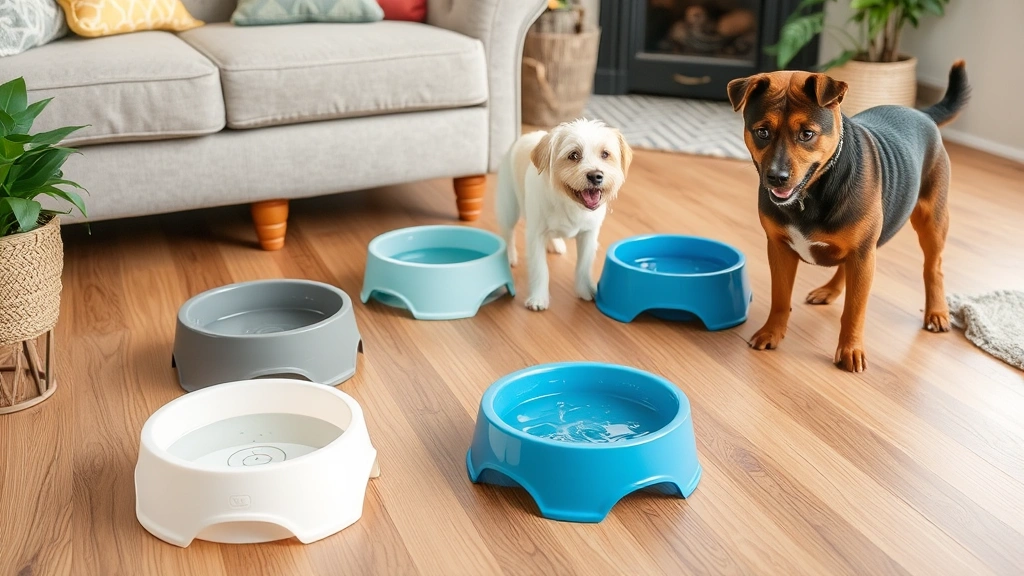
The type and placement of your dog’s water bowl can have a surprising impact on how much they drink. Many dogs have preferences about their water bowls, and switching materials or styles might be just what you need. Ceramic bowls are often preferred over plastic, as plastic can absorb odors and affect the taste of water. Some dogs also prefer metal bowls. Experiment with different materials to see what your dog responds to best.
The size and depth of the bowl matter too. For dogs with longer ears, shallow bowls prevent ear irritation from constant contact with water. For larger dogs, elevated bowls can reduce strain on their neck and back, making drinking more comfortable. Consider placing multiple water bowls throughout your home so your dog always has easy access. Dogs are more likely to drink when water is conveniently located near where they spend most of their time.
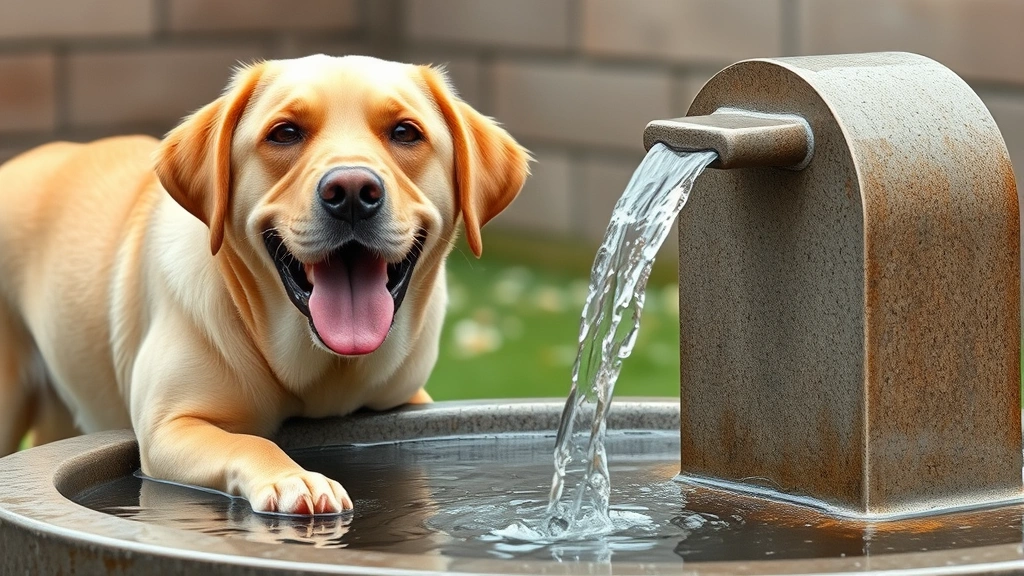
Cleanliness is absolutely critical. Dogs have sensitive senses and can detect bacteria, algae, or stale water that might be invisible to us. Change your dog’s water at least twice daily, and wash the bowl daily with hot soapy water. Some dogs prefer fresh, running water, which is why many pet owners find success with water fountains designed specifically for dogs. These fountains keep water moving and oxygenated, which many dogs find more appealing than still water in a bowl.
Location matters more than you might think. Place water bowls away from food bowls—many dogs naturally prefer to drink away from where they eat, mimicking wild dog behavior. Also consider your home’s traffic patterns. If your dog’s water bowl is tucked away in a corner, they might forget it’s there. A bowl in a central location where your dog frequently passes through will remind them to drink.
Flavoring Water to Boost Interest
If your dog simply isn’t interested in plain water, adding subtle flavoring might encourage them to drink more. The key is using dog-safe options that provide mild flavor without adding harmful ingredients. One popular method is adding a small amount of low-sodium chicken or beef broth to your dog’s water. Start with just a teaspoon mixed into a full bowl—you want the flavor to be noticeable but not overwhelming.
Another excellent option is incorporating water-rich foods into your dog’s routine. Whether your dog can drink coconut water is a question many owners ask, and while plain coconut water in small amounts is generally safe for dogs, it’s better to focus on more traditional options. Plain, unsalted bone broth is an excellent choice that most dogs find irresistible. You can make your own or purchase commercial versions specifically formulated for dogs.
Frozen water treats are another creative solution. Freeze low-sodium broth in ice cube trays and offer these to your dog as treats. Many dogs love the novelty and texture, and they’re getting additional hydration in the process. During hot weather, frozen treats serve the dual purpose of helping your dog cool down while encouraging water intake.
Be cautious about what you add to water. Never use artificial sweeteners like xylitol, which is toxic to dogs. Avoid adding salt or sugar. Stick to dog-safe options like plain broth, a tiny bit of apple juice (unsweetened and diluted), or water from cooked vegetables like carrots or green beans. When introducing any new flavor, do so gradually and monitor your dog for any digestive upset.
Feeding Strategies for Better Hydration
Your dog’s diet significantly impacts their overall hydration levels. Dogs eating primarily dry kibble naturally need more water than dogs eating wet food, since kibble contains very little moisture. If your dog struggles to drink enough water, consider incorporating wet food into their diet. Wet food can provide 70-80% of your dog’s daily water needs, dramatically reducing their reliance on drinking from a bowl.
You don’t need to switch completely to wet food—even mixing a portion of wet food with dry kibble can help. Many dogs also enjoy having broth mixed into their kibble, which softens the food and adds hydration. When considering dietary changes, remember that proper feeding guidelines should always be followed to maintain appropriate calorie intake.
Adding water-rich whole foods to your dog’s diet is another effective strategy. Watermelon, cucumbers, and green beans are all dog-safe options that contain high water content. These should only comprise about 10% of your dog’s daily calorie intake, but they can be excellent supplements that boost overall hydration. Always introduce new foods gradually to prevent digestive issues.
If your dog has experienced digestive problems like diarrhea, ensuring proper hydration becomes even more important. Digestive upset can lead to dehydration, making it crucial to encourage water intake during these periods. Speak with your veterinarian about appropriate dietary adjustments during illness.
Environmental Factors That Affect Water Intake
Your home’s environment plays a significant role in how much water your dog drinks. Temperature is perhaps the most obvious factor—dogs naturally drink more water during hot weather and after exercise. However, many homes with central heating become very dry during winter months, which can reduce your dog’s thirst drive even though they need adequate hydration year-round. Using a humidifier during dry seasons can help.
Activity level directly correlates with water needs. Active dogs who spend time playing, exercising, or working require significantly more water than sedentary dogs. If you’ve recently increased your dog’s exercise routine, ensure they have ample opportunities to drink before, during, and after activity. Always bring water when taking your dog on outings or hikes.
Stress and anxiety can suppress your dog’s thirst drive. Dogs experiencing stress may drink less water, which compounds any health issues they might already be facing. Creating a calm, comfortable environment where your dog feels safe and relaxed can encourage more consistent water intake. Some dogs drink better when they have privacy and feel secure around their water bowl.
Seasonal changes affect water intake patterns. Spring and fall transitions often see changes in how much water dogs drink as temperatures fluctuate. Monitoring your dog’s water consumption throughout the seasons helps you identify normal patterns versus concerning changes. Keeping detailed records of water intake can be helpful information to share with your veterinarian if concerns arise.
When to Worry and Seek Veterinary Help
While encouraging water intake is important, it’s equally important to recognize when lack of drinking might indicate an underlying health problem. If your dog suddenly stops drinking or dramatically reduces water intake, this warrants immediate veterinary attention. Similarly, if your dog begins drinking excessively, this could signal diabetes, kidney disease, urinary tract infection, or other serious conditions that require professional diagnosis.
Certain health conditions naturally affect water intake and hydration needs. Fever is one such condition, and knowing how to identify if your dog has a fever can help you understand whether dehydration might be a secondary concern. Kidney disease, diabetes, and hormonal imbalances all affect how much water your dog needs and how much they’ll naturally consume.
Age is another factor to consider. Senior dogs sometimes drink less water due to cognitive decline or mobility issues that make reaching their water bowl difficult. Puppies, conversely, may not yet understand the importance of regular water intake and need more supervision. Dogs with certain medications may experience increased or decreased thirst as a side effect.
Contact your veterinarian if you notice any of the following: sudden changes in drinking habits, signs of dehydration that don’t improve with increased water availability, behavioral changes accompanying reduced water intake, or any other concerning symptoms. Your vet can perform necessary tests to rule out medical conditions and provide specific guidance for your individual dog’s needs. Early intervention often prevents serious complications.
Don’t hesitate to seek emergency care if your dog shows severe signs of dehydration including extreme lethargy, inability to stand, pale gums, or rapid heart rate. These are serious symptoms that require immediate professional attention.
Frequently Asked Questions
How much water should my dog drink daily?
The general guideline is approximately one ounce of water per pound of body weight daily. However, this can vary based on activity level, diet, age, and health status. A 50-pound dog should ideally drink around 50 ounces (about 6-7 cups) daily. Dogs eating primarily wet food may need less water from their bowl since wet food provides significant hydration. Always consult your veterinarian about your specific dog’s water needs.
Why won’t my dog drink water?
Dogs may avoid water for several reasons including bowl type preference, water temperature, location of the bowl, water quality, stress, or underlying health issues. Start by trying different bowl materials, ensuring water is fresh and clean, and relocating the bowl to a more accessible area. If these changes don’t help, consult your veterinarian to rule out medical conditions.
Is it safe to add flavor to my dog’s water?
Yes, adding dog-safe flavoring like low-sodium broth can encourage water intake. However, avoid artificial sweeteners, salt, sugar, and anything toxic to dogs. Plain bone broth is an excellent choice. Always introduce new flavors gradually and monitor your dog for any digestive upset.
Can water fountains really help dogs drink more?
Many dogs are attracted to moving water and find fountains more appealing than still water bowls. Fountains keep water oxygenated and fresh, which appeals to dogs’ natural instincts. However, not all dogs prefer fountains—some may actually be intimidated by them. Try one to see if your dog responds positively.
What’s the difference between normal water intake and excessive drinking?
Normal water intake varies based on activity, temperature, and diet. Excessive drinking (polydipsia) occurs when a dog drinks significantly more than their normal baseline and may indicate diabetes, kidney disease, urinary tract infection, or hormonal imbalances. If you notice a sudden significant increase in water consumption, contact your veterinarian.
Should I be concerned if my dog drinks from puddles or the toilet?
While it’s not ideal, occasional drinking from these sources typically isn’t dangerous for healthy dogs. However, puddles and toilet water can contain parasites, bacteria, and chemicals. Encourage your dog to drink from clean bowls instead by ensuring fresh water is always available and appealing. If your dog frequently prefers these sources over their bowl water, it may indicate a preference for cooler or moving water—consider a water fountain.





