

How to Get Rid of Bad Dog Breath Fast: Tips & Tricks
If your furry friend’s breath could knock you over from across the room, you’re not alone. Bad dog breath is one of the most common complaints pet owners bring up during vet visits, and it’s definitely something worth addressing. Not only is it unpleasant for you and your family, but it can also be a sign that something needs attention in your pup’s mouth or overall health.
The good news? There are plenty of fast, effective strategies to freshen up your dog’s breath and keep it that way. Whether you’re dealing with occasional morning breath or chronic halitosis, this comprehensive guide will walk you through proven methods to get your dog’s breath smelling better in no time.
Before we dive into solutions, it’s helpful to understand what’s causing the problem. If you’re wondering why your dog’s breath stinks, there are several culprits ranging from diet to dental disease. Let’s explore the fastest ways to tackle this issue.
Immediate Solutions for Fresh Breath
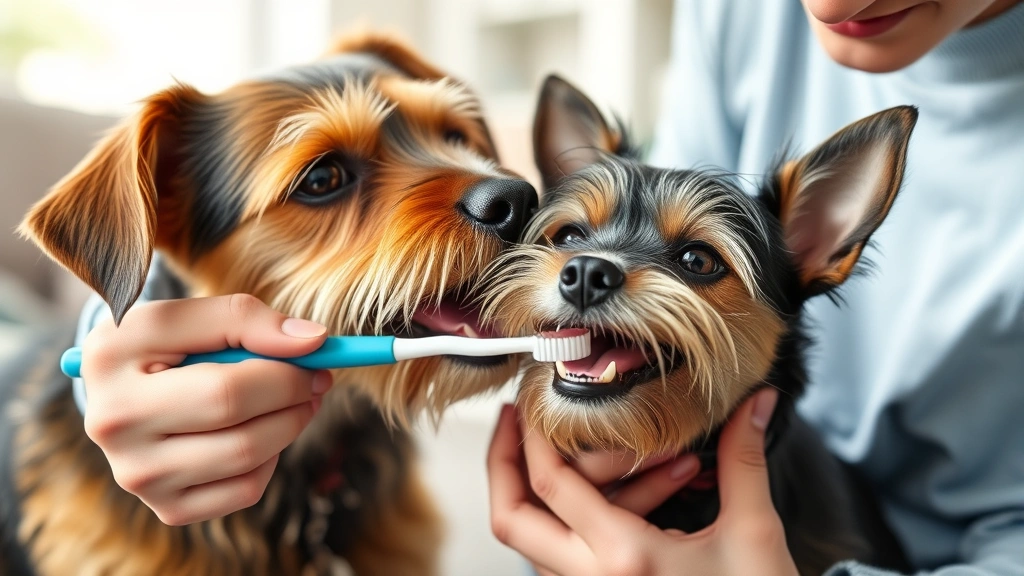
When you need results fast, there are several quick fixes you can implement today. The most immediate action you can take is to brush your dog’s teeth thoroughly. Using a dog-specific toothbrush and enzymatic toothpaste, gently brush all surfaces of your dog’s teeth for at least two minutes. This removes food debris and bacteria that accumulate on tooth surfaces and below the gumline.
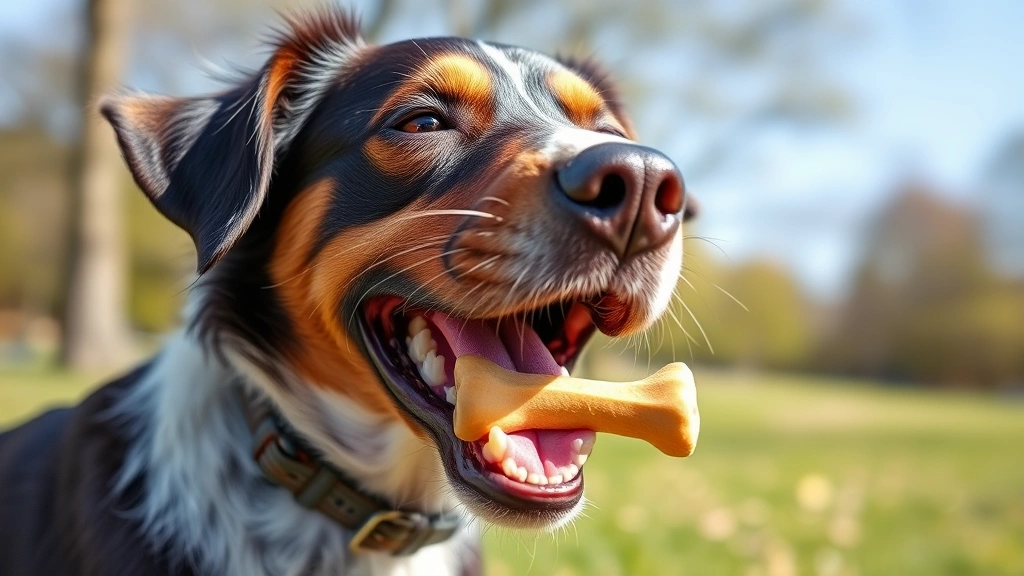
Another quick solution is to offer your dog a dental chew or water additive. These products are designed to work within hours, helping to neutralize odor-causing bacteria. Look for products containing chlorhexidine or glucose oxidase, which are proven ingredients that combat bad breath effectively.
Drinking plenty of fresh water is another immediate step. Dehydration concentrates bacteria in your dog’s mouth, making breath worse. Ensure your pup has constant access to clean water throughout the day. Some dogs respond well to adding a splash of unsweetened coconut water to their regular water bowl, which can help with hydration and oral health.
You can also try a quick mouth rinse. Mix equal parts water and food-grade hydrogen peroxide (3% solution) and gently swish it around your dog’s mouth using a soft cloth. While your dog won’t rinse like you do, this can help eliminate some surface bacteria. Always be gentle and never let your dog swallow large amounts of this solution.
Professional Dental Care Matters
For fast, lasting results, professional dental cleaning from your veterinarian is one of the most effective solutions. During a professional cleaning, your vet removes tartar and plaque buildup that brushing alone cannot eliminate. This procedure is especially important if your dog’s bad breath is caused by dental disease.
Many pet owners worry about the anesthesia involved in professional cleanings, but modern veterinary anesthesia is quite safe. Your vet will perform pre-anesthetic bloodwork to ensure your dog is healthy enough for the procedure. The benefits of professional cleaning far outweigh the minimal risks, particularly if your dog is suffering from periodontal disease.
During the cleaning, your veterinarian can also identify any underlying dental problems like cavities, fractured teeth, or gum disease that might be contributing to bad breath. Knowing how many teeth dogs have and understanding proper dental anatomy helps vets perform thorough examinations. Early detection of dental issues can prevent serious health complications down the road.
After a professional cleaning, your dog’s breath should improve dramatically within days. Maintaining this improvement requires consistent at-home care, which we’ll discuss shortly.
Dietary Changes That Work
What your dog eats directly impacts their breath quality. Some foods are notorious for causing bad breath, while others actively promote oral health. Making strategic dietary changes can produce noticeable results within a week or two.
First, evaluate your dog’s current diet. Wet or canned foods tend to leave more residue on teeth compared to dry kibble. If your dog eats primarily wet food, consider switching to a high-quality dry food for at least some meals. The mechanical action of chewing dry kibble helps scrape away plaque and tartar.
Certain proteins can also affect breath. If you suspect your dog’s breath smells like fish, it might be due to fish-based foods or fish oil supplements. While fish oil is excellent for your dog’s coat and joints, it can intensify breath odor. If this is the case, consider switching to krill oil or another omega-3 source.
Adding certain foods to your dog’s diet can improve breath naturally. Raw carrots and apples act as natural abrasives that help clean teeth. Plain yogurt with live cultures supports beneficial bacteria in the gut, which can improve overall oral health. Sweet potatoes and pumpkin are excellent additions that promote digestive health, and what you give a dog for upset stomach often includes these very ingredients since digestive issues frequently contribute to bad breath.
Avoid giving your dog table scraps, particularly those high in sulfur compounds like onions and garlic. These foods are toxic to dogs anyway, but they also create particularly foul breath odors.
Natural Home Remedies
If you prefer natural approaches, several home remedies can effectively reduce bad breath. Coconut oil is a popular choice with antimicrobial properties. Add a small amount (about 1/4 teaspoon for small dogs, up to 1 teaspoon for large dogs) to your dog’s food daily. The lauric acid in coconut oil helps combat odor-causing bacteria.
Parsley is another natural breath freshener. This herb contains chlorophyll, which neutralizes odors. You can add fresh parsley to your dog’s food or make a simple parsley tea by steeping fresh parsley in hot water, cooling it, and adding it to your dog’s water bowl.
Apple cider vinegar is renowned for its health benefits, and oral hygiene is no exception. A small amount added to your dog’s water (about 1 teaspoon per bowl) can help balance pH levels in the mouth and reduce odor-causing bacteria. Start with a smaller amount to ensure your dog enjoys the taste.
Cinnamon is a natural antimicrobial that can help freshen breath. A tiny pinch mixed into your dog’s food won’t hurt and may provide benefits. However, never give your dog cinnamon oil, which is too concentrated and potentially harmful.
Probiotics specifically formulated for dogs can improve oral health by promoting beneficial bacteria. These come in powder or treat form and can be added to meals easily. Look for products containing Lactobacillus and Bifidobacterium strains.
Best Products for Bad Breath
The pet market is flooded with breath-freshening products, but not all are created equal. Here are the ones that actually work:
- Enzymatic Toothpaste: Products designed specifically for dogs contain enzymes that break down bacteria. These are far more effective than human toothpaste, which dogs shouldn’t swallow.
- Water Additives: These dissolve in your dog’s drinking water and work throughout the day. Look for ones containing glucose oxidase or zinc compounds.
- Dental Chews: Products like Greenies and similar dental chews are designed to mechanically clean teeth while your dog chews. They’re particularly effective for dogs who won’t tolerate tooth brushing.
- Oral Sprays: These can be sprayed directly into your dog’s mouth or onto their food. They work quickly and contain antimicrobial ingredients.
- Finger Toothbrushes: These fit over your finger and allow for gentle, controlled brushing. They’re great for dogs sensitive to traditional toothbrushes.
- Electric Toothbrushes for Dogs: While more expensive, ultrasonic toothbrushes can be more effective than manual brushing for some dogs.
When selecting products, check that they’re approved by the Veterinary Oral Health Council (VOHC). This seal indicates the product has been tested and proven effective.
Long-Term Prevention Strategies
Getting rid of bad breath is one thing; keeping it away is another. Implementing these prevention strategies will ensure your dog maintains fresh breath long-term.
Establish a daily tooth-brushing routine. Ideally, you should brush your dog’s teeth daily, though three to four times per week is better than nothing. Make it a positive experience by using plenty of praise and treats. Start slowly if your dog isn’t used to it, allowing them to lick the toothpaste first before introducing the brush.
Schedule annual professional dental cleanings with your veterinarian. Even with excellent home care, professional cleanings remove buildup that brushing alone cannot address. Your vet can also monitor for early signs of dental disease.
Maintain proper ear hygiene as well. While it might seem unrelated, poor ear health can indicate systemic issues that affect breath. Learn about how to clean dog’s ears properly to prevent infections that can contribute to overall health issues.
Choose appropriate toys and chews. Rubber toys and rope toys help clean teeth through chewing action. Avoid toys that are too hard and could crack teeth.
Monitor your dog’s overall health. Bad breath is sometimes the first sign of systemic health issues. Regular vet checkups help catch problems early before they affect your dog’s oral health.
When to See Your Vet
While many cases of bad breath respond well to at-home treatments, some situations require veterinary attention. Schedule a vet appointment if:
- Your dog’s breath suddenly becomes worse despite improved oral hygiene
- You notice swollen, red, or bleeding gums
- Your dog has loose, missing, or discolored teeth
- Bad breath is accompanied by excessive drooling, difficulty eating, or loss of appetite
- Your dog shows signs of mouth pain, such as pawing at the mouth or dropping food
- Bad breath persists for more than two weeks despite treatment
- You notice a fruity smell to your dog’s breath, which could indicate diabetes
- Your dog has a foul smell combined with vomiting or diarrhea
These symptoms can indicate serious conditions like periodontal disease, kidney disease, diabetes, or oral infections. Early veterinary intervention can prevent complications and improve your dog’s quality of life.
Frequently Asked Questions
How quickly can I expect to see results from treating bad breath?
Results vary depending on the cause and treatment method. Water additives and oral sprays can show improvement within 24-48 hours. Dietary changes typically take one to two weeks. Professional dental cleaning produces dramatic results within a few days. Consistent brushing shows cumulative benefits over several weeks.
Is bad breath ever normal in dogs?
Mild breath odor is normal, but truly bad breath is not. If your dog’s breath smells unpleasant, it indicates something needs attention. Even a healthy dog’s breath shouldn’t be offensive enough to notice from a distance.
Can bad breath indicate serious health problems?
Yes, bad breath can be a symptom of serious conditions including periodontal disease, kidney disease, diabetes, liver disease, and gastrointestinal issues. This is why it’s important to have persistent bad breath evaluated by a veterinarian.
What’s the best way to brush a dog’s teeth?
Use gentle circular motions, focusing on the outer surfaces of the teeth where plaque accumulates. Spend extra time on the back molars. Use a soft-bristled brush and dog-specific toothpaste. Aim for at least two minutes of brushing. If your dog resists, start with just a few seconds and gradually increase duration.
Are dental treats effective on their own?
Dental treats are helpful but shouldn’t be your only oral care strategy. They work best as part of a comprehensive approach that includes brushing and professional cleanings. They’re particularly useful for dogs who won’t tolerate tooth brushing.
How often should my dog have professional dental cleanings?
Most dogs benefit from professional cleaning once yearly. Dogs with existing dental disease or those prone to plaque buildup may need cleaning every six months. Your veterinarian can recommend the appropriate schedule for your individual dog.
Can I use human toothpaste on my dog?
No, human toothpaste should never be used on dogs. Many contain xylitol, which is toxic to dogs. Additionally, dogs swallow toothpaste rather than spit it out, making dog-specific formulations essential.
What’s the difference between plaque and tartar?
Plaque is a soft film of bacteria that forms on teeth daily. It can be removed by brushing. Tartar (calculus) is hardened plaque that has been on teeth for some time. Only professional cleaning can remove tartar.





