
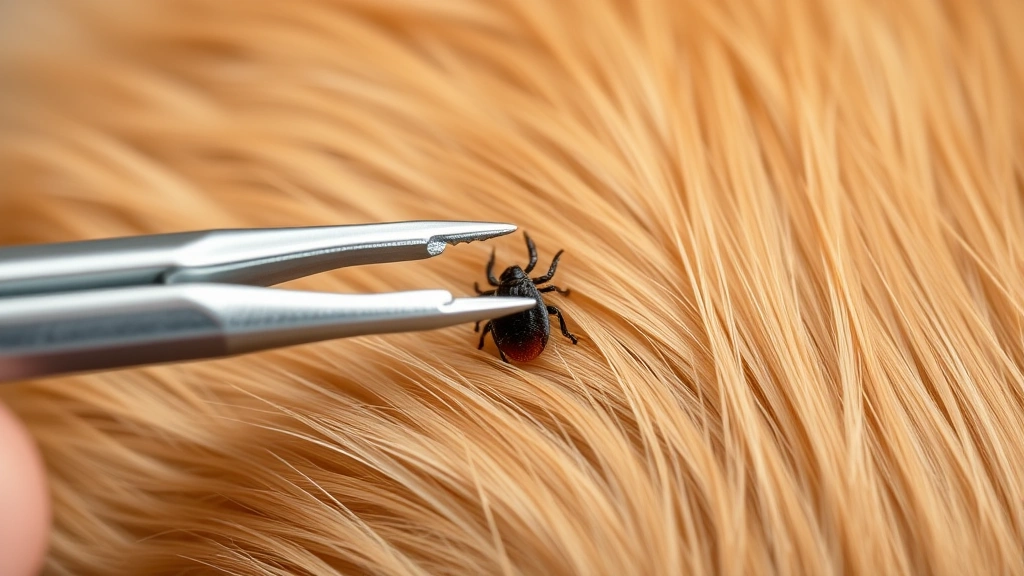
How to Rid Ticks from Dogs: Expert Guide
Discovering ticks on your beloved dog can be alarming and frustrating. These tiny parasites not only cause discomfort but can also transmit serious diseases like Lyme disease and Rocky Mountain spotted fever. As a responsible pet owner, knowing how to rid ticks from dogs is essential for maintaining your dog’s health and preventing infestations in your home. This comprehensive guide will walk you through effective tick removal methods, prevention strategies, and when to seek professional help.
Ticks are persistent parasites that can attach to your dog’s skin and feed on their blood for days if left untreated. The good news is that with the right knowledge and tools, you can effectively eliminate ticks and protect your dog from future infestations. Whether you’re dealing with a single tick or a full-blown infestation, this expert guide provides evidence-based solutions to help you tackle the problem head-on.
Throughout this article, we’ll explore proven tick removal techniques, discuss the differences between various treatment options, and provide practical tips for preventing ticks from returning. By the end, you’ll have all the information you need to keep your furry friend tick-free and healthy.
Understanding Ticks and Their Risks
Before you begin the process of how to rid ticks from dogs, it’s important to understand what you’re dealing with. Ticks are arachnids, meaning they’re related to spiders and scorpions rather than insects. There are several tick species that commonly affect dogs, including the American dog tick, the deer tick, and the brown dog tick. Each species has different habits and poses different health risks to your pet.
Ticks are more than just an annoyance—they’re potential disease vectors. When a tick attaches to your dog and feeds on their blood, it can transmit pathogens that cause serious illnesses. Understanding the risks helps emphasize why prompt action is so important. The American Association of Feed Control Officials recognizes tick-borne diseases as a significant concern for pet health, and veterinarians consistently recommend year-round prevention.
Ticks typically hide in tall grass, wooded areas, and brush. They don’t jump or fly—instead, they wait on vegetation and attach themselves to passing animals or humans. Once on your dog, they burrow into the skin and begin feeding. This is why regular tick checks, especially after outdoor activities, are crucial for early detection and prevention.
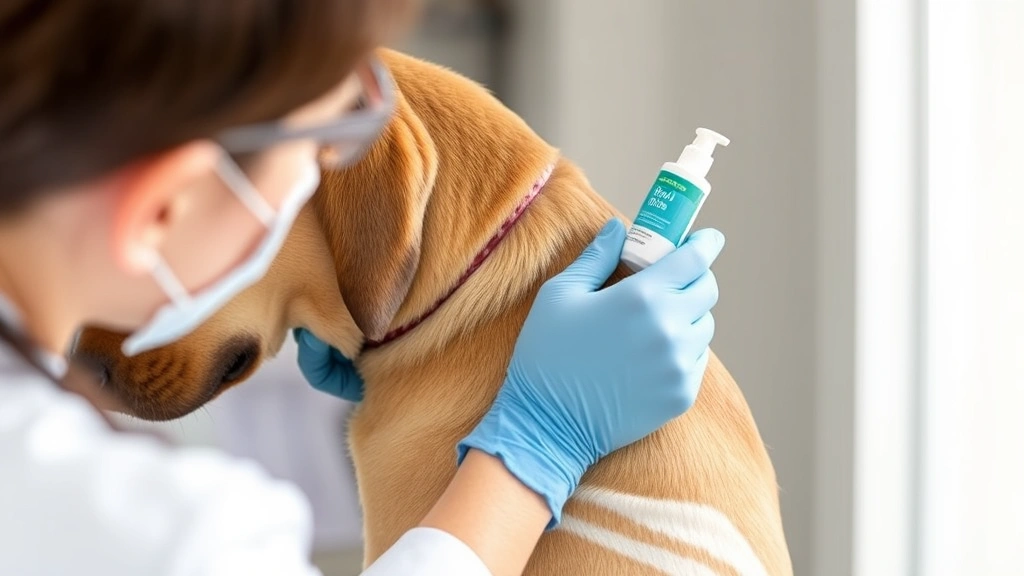
Manual Tick Removal Methods
One of the most direct ways how to remove tick from dog is through manual extraction. If you’ve only found one or two ticks, manual removal can be effective and doesn’t require any special medications. The key is to remove the entire tick, including the head and mouthparts, to prevent infection and ensure the tick doesn’t continue feeding.
The Proper Tick Removal Technique:
- Use fine-tipped tweezers or a tick removal tool: Grasp the tick as close to the skin as possible. Specialized tick removal tools, available at most pet stores, are designed specifically for this purpose and can be very effective.
- Pull straight out with steady pressure: Don’t twist or jerk the tick. A slow, steady pull removes the tick without breaking off the head, which could leave mouthparts embedded in your dog’s skin.
- Avoid common mistakes: Never squeeze the tick’s body, apply petroleum jelly, or use heat. These methods can cause the tick to regurgitate infected material into your dog, potentially transmitting disease.
- Clean the area: After removal, wash the bite area with soap and water or apply an antiseptic. This helps prevent secondary infection.
- Dispose of the tick safely: Place the tick in a sealed container or bag and dispose of it in the trash. Never crush it with your bare hands.
Learning how to remove ticks from dogs manually gives you immediate relief and removes the immediate threat. However, if your dog has multiple ticks or you’re finding new ones regularly, manual removal alone won’t solve the problem. You’ll need to implement a comprehensive tick prevention strategy to stop future infestations.
Chemical and Topical Treatments
Topical treatments are among the most popular and effective methods for tick control. These products, often called “spot-on” treatments, are applied directly to your dog’s skin, typically between the shoulder blades where they can’t be licked off. Topical treatments work by killing ticks on contact or repelling them before they can attach.
Common active ingredients in topical treatments include:
- Pyrethroids: Synthetic versions of natural pesticides found in chrysanthemum flowers. These are effective against ticks but should be used cautiously around cats.
- Fipronil: A broad-spectrum insecticide that disrupts the nervous system of ticks and fleas.
- Imidacloprid: Often combined with other ingredients, this neonicotinoid is highly effective against multiple parasites.
- Permethrin: A synthetic pyrethroid that’s particularly effective for tick prevention in dogs.
Popular topical products include Frontline Plus, Advantage II, and Seresto collars. Many of these are available over-the-counter, while others require a veterinary prescription. The advantage of prescription products is that they’re often more potent and have been rigorously tested for safety and efficacy.

When choosing a topical treatment, consider your dog’s age, weight, health status, and lifestyle. Puppies and senior dogs may require different formulations. Additionally, some dogs may be sensitive to certain ingredients, so always read labels carefully and consult your veterinarian if your dog has known allergies or sensitivities.
The ASPCA provides comprehensive information about parasite prevention and recommends discussing options with your veterinarian to find the best fit for your dog’s specific needs.
Oral Tick Prevention Medications
Oral medications represent another effective approach to tick prevention. These systemic treatments work from the inside out, circulating through your dog’s bloodstream. When a tick bites an infected dog, it ingests the medication and dies. Popular oral options include Simparica, NexGard, and Bravecto.
Advantages of oral tick prevention:
- Easy to administer—no mess or application concerns
- Longer-lasting protection in some cases (Bravecto lasts up to 12 weeks)
- No risk of washing off or being licked away
- Often covers multiple parasites including fleas and mites
- Consistent dosing based on weight
Oral medications are typically given monthly or every few months, depending on the product. Most require a veterinary prescription, which ensures your dog receives the appropriate dosage for their weight and health status. The American Kennel Club recommends discussing prevention options with your veterinarian to determine which method works best for your individual dog.
One important consideration: some oral medications work on contact, killing ticks before they can transmit disease, while others allow the tick to bite before the medication takes effect. Understanding this distinction helps you choose the best option for your dog’s risk level and your peace of mind.
Natural and Home Remedies
Many dog owners prefer natural approaches to tick prevention and removal. While natural remedies can be helpful as supplementary measures, it’s important to understand their limitations. Natural doesn’t always mean safer or more effective than conventional treatments, so use caution and consult your veterinarian.
Popular natural tick remedies include:
- Neem oil: Derived from neem tree seeds, this oil has insecticidal properties. However, it requires frequent reapplication and may cause skin irritation in some dogs.
- Diatomaceous earth: Food-grade diatomaceous earth can be applied to your dog’s coat and environment. It works by damaging the tick’s exoskeleton, but effectiveness varies and it requires regular reapplication.
- Essential oils: Some oils like cedar, lavender, and peppermint have tick-repelling properties. However, many essential oils can be toxic to dogs, so use extreme caution and only under veterinary guidance.
- Apple cider vinegar: Some people add small amounts to their dog’s water or use diluted sprays. Evidence supporting its effectiveness is limited.
- Garlic and brewer’s yeast: These supplements are thought to repel ticks, though scientific evidence is lacking.
If you’re interested in how do dogs get fleas and other parasites, understanding your dog’s lifestyle and environment is crucial. Similarly, knowing what natural remedies actually work versus what’s just folklore helps you make informed decisions. Always discuss natural remedies with your veterinarian before use, as some can interact with other medications or cause adverse reactions.
Environmental Tick Control
Removing ticks from your dog is only half the battle. Ticks can also infest your home and yard, creating a continuous cycle of re-infestation. A comprehensive approach includes treating your dog and their environment.
Yard and outdoor area management:
- Maintain your landscape: Keep grass trimmed short and remove leaf litter and brush where ticks hide. Ticks thrive in damp, shaded areas.
- Create barriers: Use mulch or gravel to create a border between your lawn and wooded areas. Ticks are less likely to cross these barriers.
- Remove wildlife attractants: Ticks often hitch rides on wildlife. Secure trash cans and remove food sources that attract deer and rodents.
- Apply yard treatments: Professional pest control services can treat your yard with acaricides (tick-killing agents). Some homeowners use diluted permethrin sprays, though this requires careful application.
Home and indoor management:
- Wash bedding frequently: Wash your dog’s bedding, blankets, and any items they frequent in hot water weekly.
- Vacuum regularly: Vacuum carpets and furniture thoroughly, paying special attention to areas where your dog rests.
- Treat infested areas: If you have a serious indoor infestation, consider professional pest control services.
- Isolate affected areas: If possible, restrict your dog’s access to heavily infested areas until treatment is complete.
Understanding how do dogs get fleas and ticks often involves recognizing that outdoor exposure is a primary source. By maintaining a clean environment both indoors and outdoors, you significantly reduce the chances of ongoing infestations.
Long-Term Prevention Strategies
The best approach to how to rid ticks from dogs is prevention. Once you’ve eliminated existing ticks, implementing year-round prevention ensures your dog stays tick-free. Most veterinarians recommend continuous prevention rather than seasonal treatments, as ticks can survive mild winters and be active year-round in many regions.
Year-round prevention plan:
- Choose your prevention method: Decide between topical treatments, oral medications, collars, or a combination approach based on your dog’s needs and your preferences.
- Maintain consistent application: Mark your calendar to ensure you never miss a dose or application. Many modern products offer reminders through apps or automatic refills.
- Regular health checks: Perform tick checks on your dog after outdoor activities, especially in wooded or grassy areas. Early detection prevents full infestations.
- Grooming and bathing: Regular grooming helps you spot ticks early and keeps your dog’s coat healthy. Monthly baths with quality dog shampoo can help maintain skin health.
- Veterinary visits: Schedule regular check-ups where your veterinarian can assess your prevention strategy and adjust as needed.
If you’ve wondered whether your dog might have other parasites, it’s worth noting that similar prevention strategies apply. Learning can dogs get lice or understanding how to know if your dog has fleas helps you recognize when your current prevention strategy might need adjustment.
The Merck Veterinary Manual provides detailed information about tick biology and control, which can help you understand why year-round prevention is recommended in most regions.
When to Call a Veterinarian
While many tick issues can be managed at home, certain situations require professional veterinary attention. Knowing when to seek help ensures your dog receives appropriate care and prevents complications.
Call your veterinarian if:
- Your dog has a severe infestation: More than a few ticks warrant professional evaluation and treatment.
- Your dog shows signs of tick-borne illness: Symptoms like lethargy, fever, joint pain, or loss of appetite could indicate disease transmission.
- Your dog has a tick-borne disease: Conditions like Lyme disease require specific treatment protocols.
- Your dog has skin irritation or infection: If the bite site becomes infected or your dog develops a rash or allergic reaction, professional care is needed.
- You’re unsure about tick removal: If you accidentally broke off the head or mouthparts, your veterinarian can properly remove the remaining material.
- Your dog is pregnant, nursing, very young, or has health conditions: These dogs need special consideration when choosing tick prevention methods.
- Your current prevention strategy isn’t working: If you’re still finding ticks despite prevention efforts, your veterinarian can recommend alternatives.
Your veterinarian is your best resource for personalized tick prevention and treatment recommendations. They understand your dog’s specific health needs, local tick species and disease risks, and can prescribe the most effective solutions. During your visit, discuss your dog’s lifestyle, any previous reactions to medications, and your preferences regarding prevention methods.
Frequently Asked Questions
How quickly do ticks die after being removed from a dog?
Once removed from a host, ticks can survive for several days to weeks depending on temperature and humidity. This is why proper disposal is important. Ticks removed with tweezers should be placed in a sealed container or bag and disposed of in the trash immediately. Never flush ticks down the toilet, as they can survive in water.
Can I use human flea and tick treatments on my dog?
Absolutely not. Human treatments are formulated for human skin and can be toxic to dogs. Always use products specifically designed for dogs and follow label instructions carefully. Even products labeled for pets should match your dog’s species—some treatments safe for dogs are dangerous for cats.
How often should I check my dog for ticks?
During peak tick season (spring through fall in most regions), check your dog daily, especially after outdoor activities. In winter, checks can be less frequent unless you live in a warm climate where ticks remain active year-round. Make tick checks a routine part of your grooming and bonding time.
What’s the difference between ticks and other parasites like fleas?
While both are parasites, ticks and fleas are different organisms. If you’re trying to understand what do fleas look like on dogs compared to ticks, fleas are much smaller (about the size of a pinhead) and move quickly, while ticks are larger and remain stationary once attached. Learning what do fleas look like on dogs helps you identify which parasite you’re dealing with and choose appropriate treatment.
Are there any side effects from tick prevention medications?
Most tick prevention products are safe when used as directed, but side effects can occur. Common mild side effects include skin irritation at application sites (for topical treatments) or mild gastrointestinal upset (for oral medications). Serious side effects are rare but can include allergic reactions or neurological symptoms. Always report any unusual behavior or symptoms to your veterinarian immediately.
Can my dog get re-infected with ticks after treatment?
Yes, if prevention isn’t maintained or if your dog is re-exposed to ticks in the environment. This is why year-round prevention and environmental control are so important. If your dog keeps getting ticks despite prevention, consult your veterinarian about alternative products or environmental treatments.
How do I know if my dog has Lyme disease from a tick?
Lyme disease symptoms typically appear weeks to months after tick exposure and include lameness, joint swelling, fever, and lethargy. Some dogs show no symptoms at all despite being infected. A blood test from your veterinarian can confirm Lyme disease. Prevention is far easier than treatment, which is another reason year-round tick prevention is recommended.
Is it safe to use multiple tick prevention methods together?
This depends on the specific products. Some combinations are safe and effective, while others can cause overdose or toxicity. Never combine treatments without explicit veterinary approval. Your veterinarian can recommend safe combinations if necessary for your dog’s specific situation.





