

How to Tell If a Dog Has Rabies: Signs to Watch For
Rabies is one of the most serious and deadly diseases that can affect dogs, and unfortunately, it’s also one of the most misunderstood. This viral infection attacks the nervous system and is almost always fatal once symptoms appear. As a responsible pet owner, knowing how to tell if a dog has rabies could literally save your life and the lives of those around you. Early recognition of rabies symptoms is crucial because once clinical signs develop, the disease is almost 100% fatal in dogs and humans alike.
The thought of encountering a rabid dog can be frightening, but understanding the warning signs and knowing how to respond appropriately can help you stay safe. Whether you’re concerned about your own pet, an unfamiliar dog in your neighborhood, or a wild animal, this comprehensive guide will walk you through everything you need to know about identifying rabies in dogs and taking the right precautions.
Rabies is transmitted through saliva, typically via a bite, scratch, or contact with mucous membranes. The virus travels through the nervous system to the brain, causing inflammation and behavioral changes. Understanding these changes is the first step in protecting yourself and your community from this devastating disease.
What Is Rabies and How Does It Spread?
Rabies is a viral infection caused by the rabies virus (lyssavirus), which belongs to the family of viruses that affect the central nervous system. Once the virus enters the body, it travels along nerve fibers to reach the brain and spinal cord. The incubation period—the time between infection and symptom onset—can range from a few weeks to several months, which is why immediate post-exposure treatment is so critical.
The virus spreads primarily through saliva, making any contact with an infected animal’s mouth extremely dangerous. A bite is the most common transmission route, but the virus can also enter through scratches, open wounds, or mucous membranes in the eyes, nose, and mouth. Interestingly, you don’t necessarily need to be bitten to contract rabies; even a scratch from an infected animal can transmit the virus if the saliva enters the wound.
Understanding transmission is essential because it helps explain why what shots dogs need includes rabies vaccination as a non-negotiable requirement in most jurisdictions. The virus can affect dogs, cats, raccoons, bats, and many other mammals, making it a public health concern that extends far beyond our pets.
Early Signs and Symptoms of Rabies in Dogs
The early stages of rabies in dogs can be subtle and easily mistaken for other illnesses. This is precisely why awareness is so important. In the initial phase, you might notice your dog seems unusually quiet or withdrawn, or conversely, more clingy and attention-seeking than normal. Some dogs may hide more than usual or show signs of general malaise.
One of the earliest and most telling signs is a change in temperament. A friendly dog might become reserved, or an active dog might become lethargic. You might notice your dog has how to tell if your dog has a fever, as fever is a common early symptom. The dog may also become sensitive to light, sound, and touch—stimuli that normally wouldn’t bother them.
Excessive drooling is another hallmark early sign, though it’s sometimes dismissed as normal dog behavior. However, if your dog is drooling more than usual, especially if it’s accompanied by difficulty swallowing, this warrants attention. Some dogs may also experience localized paralysis near the site of the bite, starting with the bitten area and gradually progressing.

Behavioral Changes to Watch For
As rabies progresses, behavioral changes become increasingly pronounced and alarming. Dogs may become extremely aggressive, snapping and biting at imaginary objects or real people and other animals. This aggression can seem completely out of character, which is often what alerts owners that something is seriously wrong. The dog may also become hypersensitive to their surroundings, reacting dramatically to minor stimuli.
Conversely, some dogs develop what’s called “dumb rabies,” characterized by unusual friendliness and lack of inhibition rather than aggression. These dogs might approach strangers without their normal wariness or seem unusually affectionate. This form is particularly dangerous because people may not recognize it as rabies and could get bitten while trying to help.
You might also notice your dog exhibiting strange behaviors like excessive barking, howling, or whining. Some dogs become obsessed with certain objects or engage in repetitive behaviors. Others may seem confused or disoriented, why is my dog acting weird becomes the pressing question when these changes occur. Jaw dropping or inability to close the mouth properly is another behavioral sign to watch for.
Pacing, wandering aimlessly, and attempting to escape or hide are also common behavioral manifestations. Some dogs become unusually fearful or anxious, while others seem to lose all sense of danger. These changes typically escalate rapidly once they begin, which is why the disease’s progression can be so shocking to witness.
Physical Symptoms and Neurological Signs
Beyond behavioral changes, rabies produces distinct physical symptoms that become increasingly severe. Muscle stiffness and rigidity are common, particularly in the jaw and neck area. The classic image of a rabid dog with a locked jaw comes from this symptom. Difficulty swallowing (dysphagia) often accompanies jaw stiffness, making it painful for the dog to eat or drink.
Paralysis is a hallmark physical sign of advanced rabies. It typically begins in the hind legs and progresses forward toward the head. This paralysis is progressive and irreversible, eventually affecting the respiratory muscles and leading to respiratory failure. You might notice your dog dragging their hind legs or having difficulty standing or walking.
Hypersalivation becomes more extreme in advanced stages, with the dog producing copious amounts of foamy or stringy saliva. This occurs because the virus affects the muscles controlling swallowing and salivation. The characteristic “foaming at the mouth” image associated with rabies comes from this symptom, though it’s actually less common than many people believe.
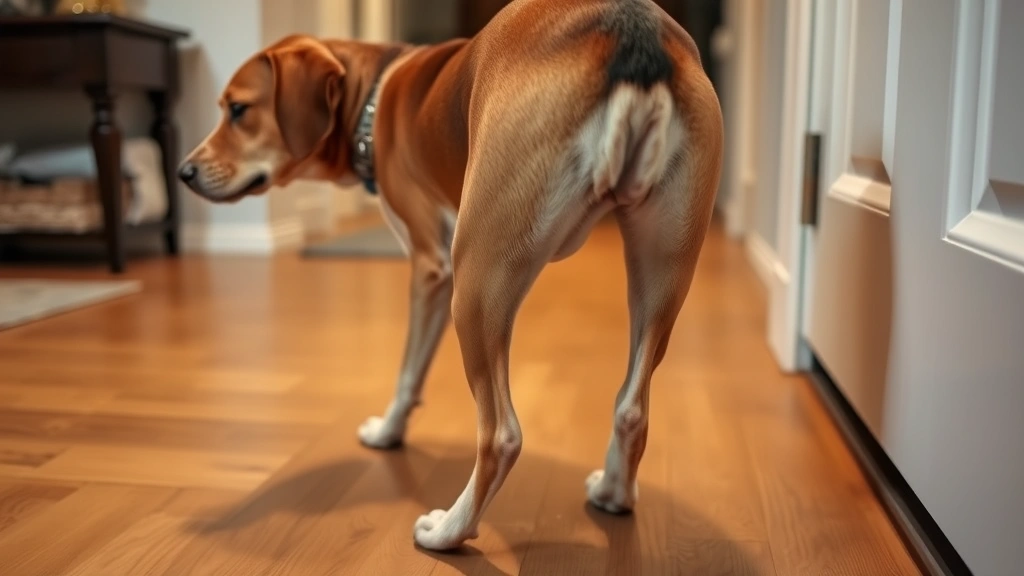
Neurological symptoms intensify as the disease progresses, and you may observe what does a dog seizure look like as rabies can trigger seizures and convulsions. Tremors, muscle twitching, and involuntary movements become more frequent. The dog may also experience sensitivity to light, water, and air, becoming agitated when exposed to these stimuli—a phenomenon called hydrophobia in humans, though it’s less commonly discussed in dogs.
The Two Forms of Rabies in Dogs
Rabies manifests in two distinct forms in dogs: furious rabies and paralytic (or dumb) rabies. Understanding the difference is important because they present quite differently, yet both are equally deadly.
Furious Rabies: This is the form most people associate with the disease. Dogs with furious rabies become increasingly aggressive and irritable. They may bite at anything, including inanimate objects, and seem unable to control their aggression. These dogs are hypersensitive to stimuli and may attack unprovoked. They often wander aimlessly and may travel significant distances from home. The progression is rapid, typically leading to death within 7-10 days of symptom onset.
Paralytic (Dumb) Rabies: This form is insidious because it doesn’t present with the aggression people expect. Instead, dogs become unusually friendly, withdrawn, or depressed. Paralysis develops gradually, starting in the hind legs and progressing forward. The dog may seem lethargic and unresponsive. This form can be even more dangerous than furious rabies because people may not recognize it as rabies and could attempt to help or comfort the dog, exposing themselves to infection. Paralytic rabies typically progresses over 7-14 days.
Both forms are fatal, and both require immediate professional intervention if exposure is suspected. The form a dog develops depends partly on the virus strain and the location of the bite, but there’s no way to predict which form will develop in any given case.
What to Do If You Suspect Rabies
If you suspect a dog has rabies, your first priority is safety—yours and everyone else’s. Do not attempt to capture, handle, or examine the dog. Keep a safe distance of at least 6 feet away. If the dog is your own pet and you suspect rabies, immediately contact your veterinarian and local animal control. Do not attempt to transport the dog yourself unless absolutely necessary, and if you must, use extreme caution and protective equipment.
If you’ve been bitten or scratched by a dog you suspect has rabies, wash the wound immediately with soap and water for at least 15 minutes. This is crucial and can significantly reduce infection risk. After washing, contact your doctor or emergency room immediately. You’ll need post-exposure prophylaxis (PEP), which is a series of vaccinations that can prevent rabies if given promptly after exposure.
Report the incident to local animal control authorities. They can attempt to locate and observe the animal, which is important for determining whether rabies exposure actually occurred. If the dog is found and can be safely captured, it will be quarantined for observation. If the dog was a stray or wild animal, animal control will guide you through the next steps.
Document everything you can about the encounter: the dog’s appearance, location, time, and any witnesses. This information helps animal control track the animal and assess public health risk. If you know the dog’s owner, provide that information to animal control as well.
It’s also worth noting that how to know if a dog has rabies often requires professional diagnosis. Rabies can only be definitively diagnosed through laboratory testing of brain tissue, typically performed after the animal has died. This is another reason why post-exposure treatment is so important—you can’t wait for confirmation before seeking medical care.
Prevention Through Vaccination
The best approach to rabies is prevention, and vaccination is the cornerstone of rabies prevention. Ensuring your own dog is properly vaccinated is one of the most important health decisions you can make. Rabies vaccination is not just a recommendation; it’s a legal requirement in most jurisdictions.
The rabies vaccination schedule typically begins when puppies are 12-16 weeks old, with a booster one year later. After this initial series, how often do dogs get rabies shots depends on the vaccine used and local regulations. Most dogs receive rabies boosters every one to three years, with many areas requiring boosters every three years for adult dogs.
Beyond vaccinating your own dog, prevention includes avoiding contact with unfamiliar animals, particularly wildlife. Never attempt to help or touch an animal acting strangely—this is a classic rabies warning sign. Teach children never to approach unfamiliar dogs or animals, and supervise outdoor playtime to prevent unauthorized contact with strays or wildlife.
If you have questions about your dog’s vaccination status, consult with your veterinarian. They can review your dog’s vaccination history and ensure your pet is current on all necessary immunizations. Some vaccines provide longer-lasting immunity than others, so professional guidance is invaluable.
For unvaccinated dogs that have been exposed to potentially rabid animals, post-exposure prophylaxis may still save their lives, though vaccination beforehand is far preferable. The cost and inconvenience of vaccination is minimal compared to the stakes involved.
Frequently Asked Questions
Can a vaccinated dog get rabies?
While rabies vaccination provides excellent protection, it’s not 100% foolproof. Vaccinated dogs have a significantly reduced risk of contracting rabies if exposed, and the vaccine is highly effective when administered properly. However, immunity depends on proper vaccination schedule adherence and booster updates. This is why keeping your dog’s vaccinations current is so critical. If a vaccinated dog is bitten by a potentially rabid animal, contact your veterinarian immediately for guidance on post-exposure boosters.
How long can a dog have rabies before showing symptoms?
The incubation period for rabies in dogs typically ranges from two to eight weeks, though it can occasionally be as short as one week or as long as several months. This variable incubation period is why post-exposure treatment is so time-sensitive. If you know or suspect your dog has been exposed, seek veterinary care immediately, even before symptoms appear. The earlier treatment begins, the better the chances of preventing the disease from developing.
Is rabies always fatal in dogs?
Yes, rabies is almost universally fatal in dogs once clinical symptoms appear. There has never been a documented case of a dog surviving rabies after clinical signs developed. This 100% fatality rate makes prevention through vaccination absolutely critical. The only hope for survival after exposure is immediate post-exposure treatment, which is why any potential exposure should be treated as a medical emergency.
Can you get rabies from a dog’s saliva on your skin?
Rabies requires the virus to enter the body through broken skin, mucous membranes, or a bite. Intact skin provides a protective barrier, so saliva on unbroken skin is not a transmission route. However, if you have any cuts, scrapes, or open sores, and these come into contact with an infected dog’s saliva, transmission is possible. This is why it’s important to wash any area that contacts a potentially rabid dog’s saliva, even if your skin appears intact.
What should I do if a stray dog bites me?
First, wash the wound thoroughly with soap and water for at least 15 minutes. Then seek medical attention immediately—go to an emergency room or urgent care facility. Inform them that you were bitten by a stray dog. They will likely recommend post-exposure prophylaxis, which involves a series of rabies vaccinations given over two weeks. Report the bite to local animal control so they can attempt to locate and observe the animal. Do not delay seeking medical care, as the effectiveness of post-exposure treatment decreases with time.
Can indoor dogs get rabies?
While indoor dogs have less exposure risk than outdoor dogs, they can still contract rabies if exposed to infected animals. Bats can enter homes, and raccoons or other infected wildlife can occasionally breach barriers. Additionally, indoor dogs may be exposed during walks, visits to parks, or if they escape outdoors. This is another reason why vaccination is important for all dogs, regardless of whether they spend most of their time indoors.





