

How to Tell If Your Dog Has Fleas: Easy Signs to Watch For
Discovering that your beloved dog has fleas can be distressing, but the good news is that recognizing the signs early makes treatment much easier and more effective. Fleas are one of the most common parasites affecting dogs, and they can cause significant discomfort and health issues if left untreated. Whether you’re a new dog owner or have had pets for years, knowing what to look for helps you catch an infestation before it becomes serious.
The challenge is that fleas can be tricky to spot, especially in the early stages of an infestation. Your dog might scratch occasionally without you realizing it’s due to fleas, or you might miss the tiny insects altogether. That’s why understanding the telltale signs and symptoms of fleas is essential for every responsible pet owner. In this comprehensive guide, we’ll walk you through everything you need to know about identifying fleas on your dog.
Early detection is your first line of defense against flea infestations. By learning the warning signs and knowing where to look, you’ll be able to recognize flea problems quickly and take action immediately. Let’s dive into the most reliable indicators that your dog might have fleas.
Visible Signs of Fleas on Dogs
The most direct way to confirm your dog has fleas is to actually see them. While fleas are small—typically only about 1/8 inch long—they’re visible to the naked eye if you know what to look for. Adult fleas are dark brown or reddish-brown in color, and they move quickly across your dog’s skin and fur. Understanding what fleas look like on dogs is your first step in identification.
When you part your dog’s fur and look closely at the skin, you might spot these tiny insects scurrying away from the light. Fleas are attracted to warmth and moisture, so they tend to congregate in certain areas of your dog’s body. If you see small, dark, fast-moving insects in your dog’s coat, there’s a strong chance you’re dealing with a flea infestation. Some people describe them as looking like moving specks of dirt, but the key difference is that they actually move.
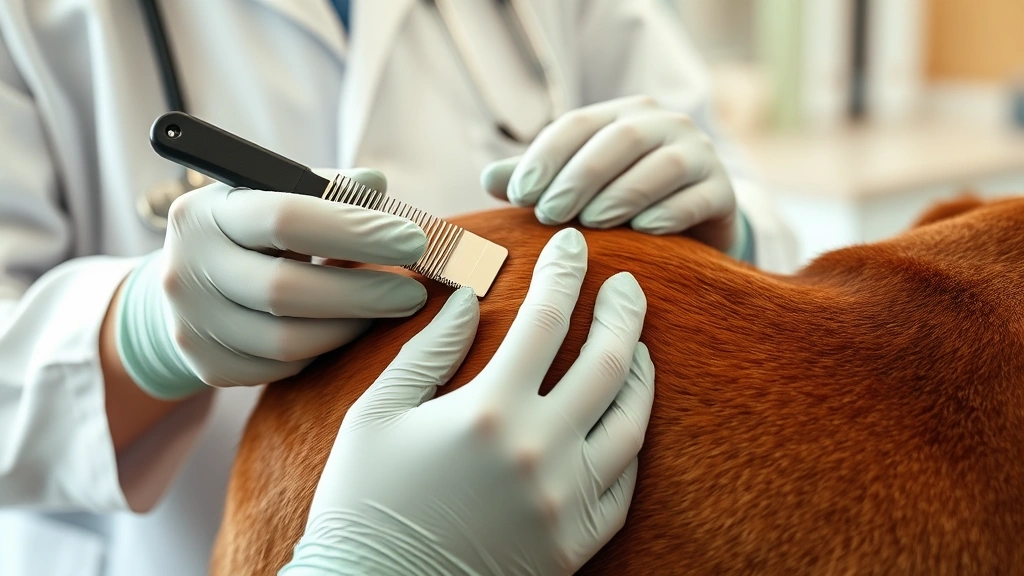
Using a flea comb is one of the most effective tools for spotting fleas. These special combs have very fine teeth spaced closely together, designed specifically to catch fleas and flea dirt. Run the comb through your dog’s fur and then wipe the comb onto a white paper towel or cloth. If fleas are present, you’ll see them on the towel where they’re much easier to spot against the white background. This method is particularly useful for dogs with darker coats where fleas might be harder to see.
Another visual indicator is finding flea eggs or larvae in your dog’s environment. While these are even smaller and harder to see than adult fleas, they might appear as tiny white specks in your dog’s bedding or on furniture where your dog frequently rests. However, the presence of adult fleas is the most reliable visual confirmation of an active infestation.

Behavioral Changes and Scratching Patterns
Before you ever see a flea, your dog’s behavior will likely alert you to the problem. Excessive scratching is the most common sign that something is bothering your dog’s skin, and fleas are among the most frequent culprits. If you notice your dog scratching more than usual, especially in specific areas of the body, it’s worth investigating further. This constant scratching can lead to secondary skin infections and hair loss if not addressed promptly.
The type of scratching pattern can give you clues about whether fleas are the problem. Dogs with fleas tend to focus their scratching on specific areas rather than scratching all over randomly. The back, rear end, and tail base are particularly common flea hotspots because these areas are harder for dogs to reach when grooming themselves. You might notice your dog biting or nibbling at these areas intensely, trying to relieve the itching caused by flea bites.
Some dogs become so preoccupied with scratching that it affects their quality of life. They may have difficulty sleeping, appear restless, or show signs of stress and anxiety. In severe cases, constant scratching can lead to open wounds and bleeding. If your dog seems unusually agitated or uncomfortable, fleas should be high on your list of suspects. Understanding how to identify flea symptoms can help you distinguish between normal scratching and flea-related behavior.
Additionally, some dogs may display nervous behaviors related to flea bites, such as excessive grooming, tail chasing, or sudden jumping as if something is biting them. These behaviors are often more pronounced in dogs with flea allergy dermatitis, a condition where dogs develop an allergic reaction to flea saliva, making them even more sensitive to bites.
Skin Conditions and Allergic Reactions
Fleas can trigger various skin problems beyond simple itching. One of the most common conditions is flea allergy dermatitis (FAD), which occurs when a dog develops an allergic reaction to flea saliva. Interestingly, dogs with FAD can have a severe reaction to just one or two flea bites, so you don’t need a massive infestation to see significant symptoms. This condition can cause intense itching, redness, and inflammation that’s disproportionate to the number of actual fleas present.
Red, inflamed skin is a telltale sign that your dog’s skin is being irritated by something—and fleas are a common culprit. You might notice small red bumps or welts where fleas have been biting. These bite marks can become more pronounced if your dog scratches excessively, leading to secondary bacterial infections. The skin may also appear scaly or flaky, and in some cases, you might notice a rash developing.
Hair loss is another indicator of flea problems. When dogs scratch constantly due to flea bites, they can damage hair follicles and cause patchy hair loss, particularly in areas where they scratch most frequently. This alopecia can be quite noticeable and is often one of the reasons owners finally seek veterinary help. The hair loss pattern can help veterinarians determine whether fleas or another condition is responsible.
Some dogs develop crusty or scabby patches of skin as a result of flea bites and subsequent scratching. These secondary infections can become serious if not treated properly. Additionally, your dog might develop hot spots—areas of inflamed, infected skin that appear suddenly and can spread quickly. If you notice any of these skin changes, especially in combination with scratching behavior, consulting a veterinarian is important.
Flea Dirt: The Telltale Evidence
One of the most reliable indicators of a flea infestation is the presence of flea dirt, also called flea feces. This is actually the most common sign that veterinarians use to confirm flea problems. Flea dirt looks like tiny black specks or grains of pepper scattered throughout your dog’s coat, particularly in the areas where fleas congregate. The important thing to understand is that flea dirt isn’t just dirt—it’s actual flea waste that contains digested blood.
To test whether those black specks are actually flea dirt, place some on a damp white paper towel or cloth. If they’re flea dirt, they’ll turn reddish-brown as they dissolve and mix with the moisture. This happens because flea dirt contains blood that the fleas have consumed from your dog. This simple test is a quick way to confirm flea presence without needing specialized equipment or a veterinary visit, though a vet visit is still recommended for proper treatment.
Flea dirt is often easier to spot than the fleas themselves, especially if your dog has a dark-colored coat. You can find it by parting your dog’s fur and looking at the skin, or by using a flea comb and wiping the comb onto a white surface. The presence of flea dirt indicates an active infestation, even if you don’t see live fleas. This is important because some dogs are very effective at grooming away adult fleas, so flea dirt might be your only evidence of their presence.
The amount of flea dirt present can give you an idea of how severe the infestation is. A few specks might indicate a light infestation, while large amounts of flea dirt suggest a more serious problem that requires immediate attention. This information can help you and your veterinarian determine the most appropriate treatment plan.
Where to Look for Fleas on Your Dog
Knowing where fleas like to hide is crucial for effective detection. Fleas aren’t randomly distributed across your dog’s body—they prefer warm, moist areas that are harder for dogs to reach and groom. The most common locations include the base of the tail, the back near the hindquarters, the groin area, and the armpits. These warm, sheltered spots provide ideal conditions for fleas to feed and reproduce.
Start your inspection by parting your dog’s fur in these key areas and looking closely at the skin. Use a flea comb to methodically work through your dog’s coat, paying special attention to the areas mentioned above. The head and neck can also harbor fleas, though they’re slightly less common there. Don’t forget to check inside your dog’s ears, as fleas sometimes hide in these warm, dark spaces.
The belly and inner thighs are other areas where fleas like to congregate. These areas are often less densely furred, making it easier for fleas to access the skin and feed. If your dog has been scratching these areas frequently, it’s definitely worth a closer inspection. You should also check the paw pads and between the toes, as some dogs with flea problems develop itchy paws.
When examining your dog for fleas, make sure you’re doing so in good lighting. Natural light or a bright lamp will make it much easier to spot small insects or flea dirt. If you’re having trouble seeing clearly, a magnifying glass can help. Take your time during the inspection—rushing through it might cause you to miss signs of fleas.
Prevention and Early Detection
Understanding how dogs get fleas is the first step in prevention. Fleas can be picked up from other animals, wildlife, contaminated environments, or even brought into your home on your clothing. Regular inspection and preventative measures are far easier than dealing with a full-blown infestation. Monthly flea checks should become part of your routine dog care, similar to brushing or nail trimming.
Year-round flea prevention is recommended by most veterinarians, even in colder climates. Many modern flea preventatives are available as topical treatments, oral medications, or collars, and they work by either killing fleas on contact or preventing them from reproducing. Your veterinarian can recommend the best option for your dog based on age, weight, health status, and lifestyle. These preventatives are highly effective when used consistently and correctly.
It’s also important to know that fleas from dogs can affect humans, so treating your dog promptly protects your entire household. Additionally, treating your dog’s environment is crucial for complete flea control. Washing your dog’s bedding regularly in hot water, vacuuming frequently, and treating your home with appropriate products helps eliminate fleas at all life stages.
Regular veterinary check-ups provide another layer of early detection. Your vet can spot fleas or signs of flea infestation that you might miss, and they can recommend the most appropriate treatment and prevention strategy for your specific dog. During these visits, mention any scratching or skin concerns you’ve noticed, even if you haven’t confirmed fleas yourself.
If you have multiple dogs in your household, treat all of them for fleas if one is infested. Fleas spread easily between animals, and treating only one dog while others remain untreated will result in reinfestation. Similarly, if you have other pets like cats, they should also be treated, as fleas don’t discriminate between species.
Frequently Asked Questions
What does flea dirt look like on a dog?
Flea dirt appears as tiny black or dark brown specks scattered throughout your dog’s coat, similar to grains of pepper or specks of black sand. It’s most visible on white or light-colored fur. The easiest way to confirm it’s flea dirt rather than regular dirt is to place some on a damp white paper towel—it will turn reddish-brown as it dissolves, revealing the blood inside.
Can I see fleas on my dog with the naked eye?
Yes, adult fleas are visible to the naked eye. They’re about 1/8 inch long and dark brown or reddish-brown in color. The challenge is that they move quickly and prefer to hide in warm areas of your dog’s coat. Using a flea comb and examining your dog in good lighting makes spotting them much easier.
How long does it take for flea symptoms to appear?
Some dogs show signs of flea infestation within hours of being bitten, while others may not show noticeable symptoms for several days. Dogs with flea allergy dermatitis can have severe reactions to just one or two bites. The timeline depends on your dog’s individual sensitivity and the number of fleas present.
Can my dog have fleas without scratching?
While scratching is the most common sign, some dogs may not scratch noticeably, especially if they have a light infestation. However, most dogs with fleas will show some level of increased scratching. If you suspect fleas, look for other signs like flea dirt, skin irritation, or behavioral changes even if scratching isn’t obvious.
What should I do if I find fleas on my dog?
Contact your veterinarian immediately. They can confirm the infestation, rule out other skin conditions, and prescribe appropriate treatment. Don’t use over-the-counter flea treatments without veterinary guidance, as some can be ineffective or even harmful to your dog. Your vet can also recommend prevention strategies to avoid future infestations.
How often should I check my dog for fleas?
During flea season (typically spring through fall, though this varies by climate), check your dog at least weekly. Year-round prevention is recommended, and monthly inspections are a good practice even in winter. If your dog has had fleas before or has risk factors for infestation, more frequent checks may be warranted.
Can I get fleas from my dog?
While fleas prefer dogs and cats, they can bite humans. However, they don’t live on humans or reproduce on human skin. If you notice flea bites on yourself, it usually indicates a significant infestation in your home. Treating your dog and environment promptly will resolve the issue for your entire household.





