

How to Trim Black Dog Nails: A Step-by-Step Guide
Trimming your dog’s nails is one of the most important grooming tasks you can perform at home, yet it’s often one of the most anxiety-inducing. When your pup has black nails, the challenge becomes even more daunting. Unlike white or light-colored nails where you can easily see the pink quick—the sensitive blood vessel inside the nail—black nails hide this crucial landmark completely. This guide will walk you through everything you need to know about maintaining your dog’s nail health and mastering the art of trimming those dark, mysterious nails with confidence.
Proper nail maintenance isn’t just about aesthetics. Overgrown nails can cause discomfort, alter your dog’s gait, and even lead to joint problems over time. Regular trimming keeps your furry friend comfortable and healthy. Whether you’re a first-time nail trimmer or looking to improve your technique, this comprehensive guide will equip you with the knowledge and strategies to safely and effectively trim your dog’s black nails at home.
The key to success lies in understanding your dog’s nail anatomy, having the right tools, and knowing the proper techniques. With patience and practice, you’ll soon be confidently maintaining your pup’s paws and keeping them in tip-top shape.
Why Trimming Black Dog Nails Matters
Many dog owners underestimate the importance of regular nail maintenance. Your dog’s nails serve a purpose, but when they grow too long, they can cause significant problems. Long nails can change the way your dog walks, putting strain on their joints and potentially leading to arthritis over time. Additionally, overgrown nails are more prone to splitting, cracking, or breaking, which can be painful and prone to infection.
Beyond the physical health implications, regular nail care is part of responsible pet ownership. It’s similar to other essential grooming tasks like how to clean dogs ears or managing how to reduce shedding on dogs. These routine maintenance tasks keep your dog comfortable and prevent more serious health issues from developing.
Black nails present a unique challenge because you can’t easily see where the quick ends. This makes many pet owners hesitant to trim them, but with the right knowledge and techniques, you can safely maintain your dog’s black nails at home. Regular trimming—typically every 3-4 weeks—keeps nails at a healthy length and prevents the quick from growing too long.
Understanding Your Dog’s Nail Anatomy
Before you start trimming, it’s crucial to understand the structure of your dog’s nails. A dog’s nail consists of two main parts: the outer keratin shell and the inner quick. The quick contains blood vessels and nerves, so cutting into it is painful for your dog and will cause bleeding.
In light-colored nails, the quick appears as a pink or reddish circle in the center of the nail when viewed from the bottom. With black nails, this distinction is invisible, making it harder to know exactly where to cut. However, if you look at the underside of a black nail, you might notice a small dark circle in the center—this is often the quick. The key is to cut conservatively and make multiple small trims rather than one large cut.
Did you know that how many toes does a dog have affects the total number of nails you’ll need to trim? Most dogs have four toes on their hind legs and five on their front legs (including the dewclaw), meaning you’ll typically be trimming 18 nails total. Understanding this complete anatomy helps you approach the task systematically.
Essential Tools and Supplies
Having the right equipment makes the job significantly easier and safer. Here are the tools you’ll need to trim your dog’s black nails effectively:
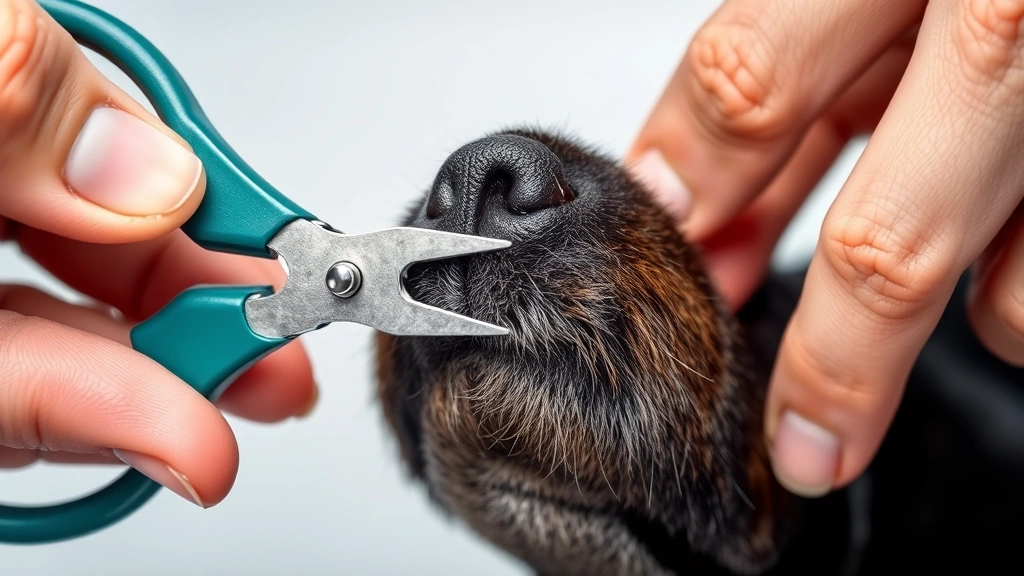
- Dog nail clippers: You have two main options—scissor-style clippers or guillotine-style clippers. Scissor-style clippers give you more control and are generally easier to use, especially for beginners.
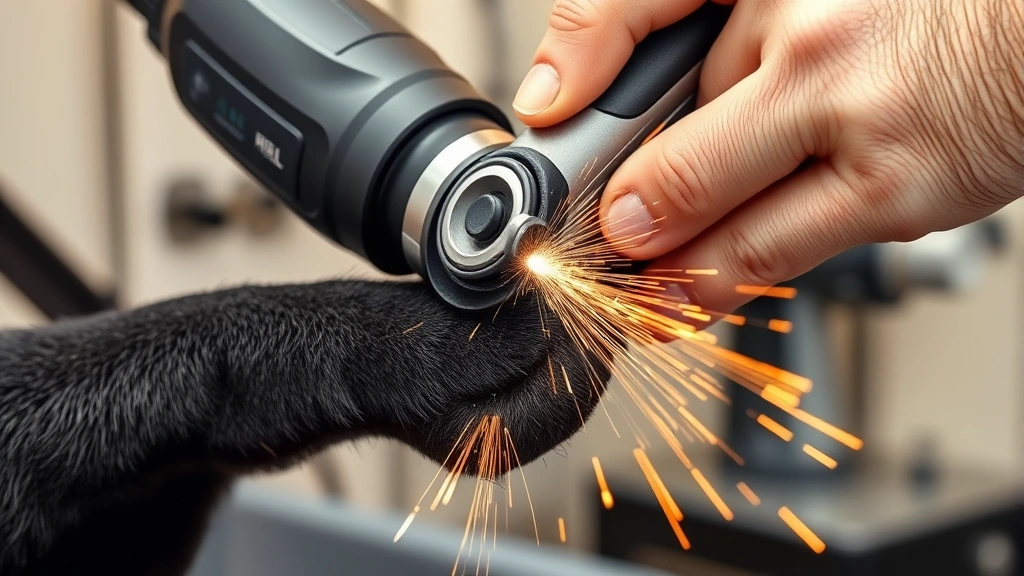
- Nail grinder: An electric nail grinder is an excellent alternative or supplement to clippers. Many people find grinders easier for black nails since they allow for gradual nail shortening.
- Styptic powder: This is essential for stopping bleeding if you accidentally cut into the quick. Keep it on hand at all times.
- Treats and rewards: Have high-value treats ready to make the experience positive for your dog.
- Towel or non-slip mat: This helps keep your dog stable during trimming.
- Good lighting: Proper illumination is critical when working with black nails, so you can see any details of the nail structure.
- Nail file: A fine-grit nail file smooths rough edges after trimming.
Investing in quality tools makes the process safer and more comfortable for both you and your dog. Dull clippers can crush the nail rather than creating a clean cut, which can cause pain and potential infection.
Preparing Your Dog and Workspace
Preparation is key to a successful nail-trimming session. Start by creating a calm, comfortable environment. Choose a well-lit area where you can work easily. Set up your supplies within arm’s reach so you’re not fumbling around while holding your dog’s paw.
Help your dog get comfortable with the process by introducing them to your nail-trimming routine gradually. Let them sniff the clippers and handle their paws regularly, even on days when you’re not trimming. This desensitization helps reduce anxiety during actual trimming sessions.
Consider the timing of your trim. Choose a time when your dog is calm and relaxed, not when they’re overly energetic or excited. Some people find it helpful to trim nails after exercise when their dog is tired. You might also want to incorporate nail care into your broader grooming routine, similar to how you’d approach how to put a harness on a dog—making it a natural part of your dog-care regimen.
Have someone help you if possible, especially when you’re starting out. One person can gently restrain the dog while the other handles the clippers. This makes the process safer and less stressful for everyone involved.
Step-by-Step Trimming Technique
Now for the moment you’ve been waiting for—the actual trimming process. Here’s how to safely trim your dog’s black nails:
- Position your dog comfortably: Have your dog sit or lie down in a stable position. If they’re anxious, you might want to have them sit between your legs for added security and comfort.
- Hold the paw gently but firmly: Take one paw in your non-dominant hand and gently extend one nail. Keep your grip steady but not tight—you want your dog to feel secure, not restrained.
- Examine the nail carefully: Look at the underside of the nail in good lighting. Try to identify the quick, which often appears as a small dark circle or dot in the center of the nail.
- Make your first cut: Position your clippers at a 45-degree angle to the nail. Cut conservatively—aim to remove only a small amount of nail, about 1-2 millimeters. It’s better to make multiple small cuts than risk cutting the quick.
- Look at the cross-section: After each cut, examine the newly exposed surface. You’re looking for a small dark or gray circle in the center. If you see this, you’re getting close to the quick and should stop.
- Continue incrementally: Make another small cut if needed. Repeat this process until the nail is at the proper length—typically when it no longer touches the ground when your dog stands.
- Smooth the edges: Use a nail file to smooth any rough edges created by the clippers.
- Repeat for all nails: Work through all nails systematically, taking breaks if your dog needs them.
- Reward generously: Praise and treat your dog throughout the process and especially when you’re finished.
If you’re still nervous about trimming how to cut dogs black toenails, remember that many resources and professionals can help. Some groomers specialize in working with anxious dogs, and your veterinarian can demonstrate the technique if you’re unsure.
For those specifically interested in the finer points, our detailed guide on how to cut dog nails that are black provides additional insights and troubleshooting tips.
Safety Tips and Common Mistakes
Keeping your dog safe during nail trimming is paramount. Here are essential safety guidelines and common pitfalls to avoid:
Safety Tips:
- Always keep styptic powder within immediate reach. If you do accidentally cut the quick, apply styptic powder immediately to stop the bleeding.
- Never rush the process. Take your time and stay calm—dogs pick up on your anxiety.
- Keep your workspace well-lit. You can’t safely trim nails in poor lighting.
- Trim only when your dog is calm and cooperative. If they’re struggling excessively, take a break.
- Consider using a nail grinder instead of clippers if you’re particularly anxious about cutting the quick.
- Have your veterinarian or a professional groomer demonstrate the technique before attempting it yourself.
Common Mistakes to Avoid:
- Cutting too much at once: This is the number one reason people cut the quick. Multiple small cuts are safer than one large cut.
- Using dull clippers: Dull tools crush the nail instead of cutting cleanly, causing pain and potential complications.
- Trimming when your dog is anxious: A stressed dog is more likely to move suddenly, increasing the risk of accidents.
- Ignoring signs of infection: If a nail becomes red, swollen, or discharge appears, contact your veterinarian immediately.
- Going too long between trims: The longer you wait, the longer the quick grows, making future trims more difficult.
- Forcing the issue: If your dog is extremely resistant, consult a professional groomer or veterinarian.
According to the American Kennel Club, proper nail maintenance is a crucial part of preventative pet care. The ASPCA also emphasizes the importance of regular nail trimming in their pet care guidelines.
Aftercare and Maintenance
Your work doesn’t end after the final trim. Proper aftercare ensures your dog’s nails stay healthy between trimming sessions.
Immediate Aftercare:
After trimming, inspect each nail to ensure there’s no bleeding or damage. If you notice any issues, apply styptic powder and monitor the nail. Reward your dog generously for their cooperation—this positive reinforcement makes future trims easier.
Between-Trim Maintenance:
Keep your dog’s nails healthy between trims by encouraging natural wear through regular exercise on varied surfaces. Walking on concrete and pavement naturally files nails down. Additionally, maintaining your dog’s overall health through proper nutrition supports strong, healthy nails.
Monitoring for Problems:
Check your dog’s nails regularly, even on non-trimming days. Look for signs of problems such as redness, swelling, discharge, or your dog limping or favoring a paw. These could indicate infection or injury. If you notice any concerning symptoms, contact your veterinarian promptly.
Professional Help When Needed:
There’s no shame in seeking professional help. If your dog is extremely anxious, has had a bad experience with nail trimming, or has particularly thick or problematic nails, a professional groomer can handle the task. Many veterinary clinics also offer nail trimming services.
Frequently Asked Questions
What should I do if I accidentally cut into the quick?
Don’t panic—this happens to even experienced groomers. Apply styptic powder immediately to stop the bleeding. If the bleeding doesn’t stop after a few minutes or if your dog seems to be in significant pain, contact your veterinarian. Keep the nail clean and monitor it for signs of infection over the next few days.
How often should I trim my dog’s black nails?
Most dogs need their nails trimmed every 3-4 weeks. However, this varies based on your dog’s activity level and how quickly their nails grow. Dogs that spend a lot of time on hard surfaces may need less frequent trimming. Watch for signs that nails are getting too long—if you hear clicking sounds when your dog walks on hard floors, it’s time for a trim.
Is a nail grinder better than clippers for black nails?
Many people find nail grinders easier for black nails because they allow for gradual shortening without the risk of a sudden cut into the quick. However, some dogs are intimidated by the noise and vibration. Try both methods to see what works best for your dog.
Can I use human nail clippers on my dog?
It’s not recommended. Human nail clippers aren’t designed for the thickness and curve of dog nails. They can crush the nail, causing pain and potential complications. Invest in proper dog nail clippers for the best results.
What if my dog won’t sit still for nail trimming?
Start by desensitizing your dog to having their paws handled. Practice touching and holding their paws regularly without trimming. Use high-value treats and positive reinforcement. If your dog remains extremely resistant, consult a professional groomer or your veterinarian for advice. Some dogs may benefit from calming supplements or techniques recommended by your vet.
How can I tell if my dog’s nails are too long?
If you hear clicking or tapping sounds when your dog walks on hard floors, their nails are too long. Additionally, if the nails touch the ground when your dog is standing naturally, they need trimming. Long nails can also affect your dog’s posture and gait.
Should I trim the dewclaw?
Yes, dewclaws should be trimmed regularly just like other nails. They often grow faster and can curl into the paw pad if left unattended, causing discomfort or infection. Some people have dewclaws surgically removed, but if your dog still has them, regular trimming is essential.
What’s the best lighting for trimming black nails?
Natural daylight is ideal, but a bright LED work light or headlamp also works well. Position the light so it illuminates the underside of the nail clearly. Good lighting helps you see the nail structure and identify the quick more easily.





