
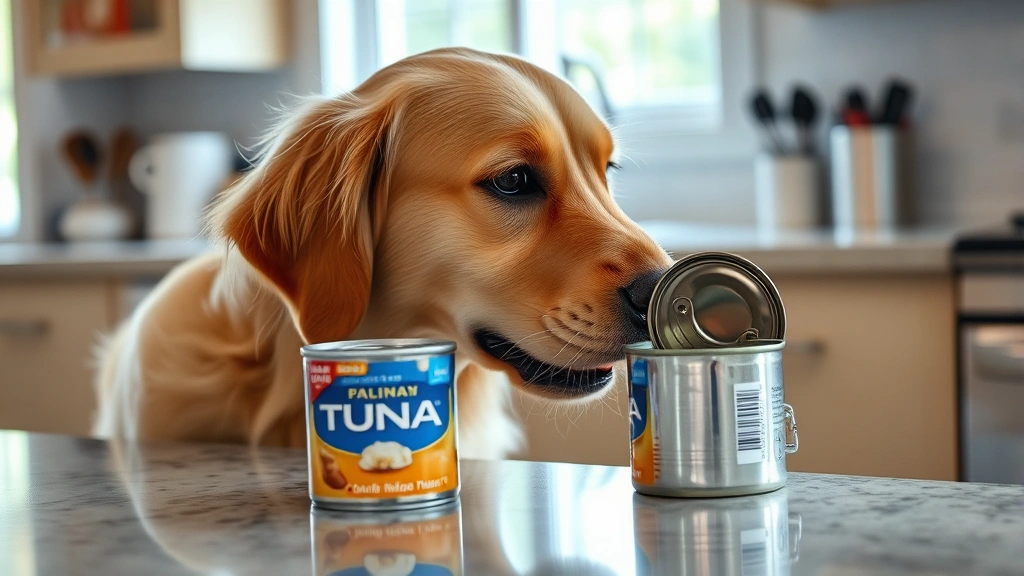
Is Canned Tuna Good for Dogs? What Vets Recommend
As a dog owner, you’ve probably wondered whether it’s safe to share some of your favorite foods with your furry best friend. Canned tuna is a pantry staple in many households, and it’s natural to ask: can my dog have some? The short answer is yes, but with important caveats. While canned tuna can be a safe occasional treat for dogs, there are several factors pet parents need to understand before offering it to their canine companion.
The relationship between dogs and human food is complex. Unlike some foods that are outright toxic to dogs, canned tuna exists in a gray area—it’s not dangerous in small amounts, but it’s not ideal as a regular dietary component either. Understanding the nuances of feeding canned tuna to your dog will help you make informed decisions about your pet’s nutrition and keep them healthy and happy.
In this comprehensive guide, we’ll explore everything you need to know about canned tuna for dogs, including nutritional considerations, potential risks, proper serving sizes, and expert veterinary recommendations.
Nutritional Profile of Canned Tuna
Canned tuna is packed with protein and omega-3 fatty acids, making it nutritionally interesting for both humans and dogs. A typical serving of canned tuna in water contains approximately 25-30 grams of protein per 100 grams, along with essential amino acids that support muscle development and maintenance. The omega-3 content supports skin and coat health, which is why many commercial dog foods include fish-based ingredients.
However, the nutritional value of canned tuna varies significantly depending on the type and preparation method. Tuna packed in water is generally preferable to tuna packed in oil or brine, as the latter contains excessive sodium and fat. The packing liquid makes a substantial difference in what you’re actually feeding your dog. Additionally, canned tuna often contains added ingredients that may not be appropriate for canine consumption, including salt, oils, and various preservatives.
When considering whether to offer canned tuna, it’s essential to look at the ingredient list carefully. Some brands add unnecessary additives or excessive sodium levels that can be problematic for dogs. The best choice, if you decide to offer tuna, is plain canned tuna packed in water with no added salt or other ingredients.

Safety Concerns for Dogs
The primary safety concern with canned tuna for dogs is mercury content. Tuna is a predatory fish that accumulates mercury over its lifetime, and canned tuna can contain significant levels of this heavy metal. While an occasional small amount of tuna is unlikely to cause harm, regular consumption could lead to mercury accumulation in your dog’s body over time. This is particularly concerning for puppies, small breeds, and dogs with existing health conditions.
Sodium is another major concern. Most canned tuna contains added salt for preservation and flavor, which can be excessive for dogs. Dogs require much less sodium than humans, and high sodium intake can lead to increased thirst, urination, and potentially contribute to hypertension and kidney issues. Always check the sodium content on the label—ideally, it should be minimal or the tuna should be labeled as “no salt added.”
Additionally, thiaminase, an enzyme found in raw fish, can break down thiamine (vitamin B1) in dogs. While cooking typically inactivates this enzyme, and most canned tuna has been cooked, it’s still worth noting. Thiamine deficiency can lead to neurological issues in dogs if they consume excessive amounts of thiaminase-containing foods.
For dogs with specific health conditions, canned tuna may pose additional risks. Dogs with kidney disease, heart problems, or hypertension should avoid canned tuna entirely due to sodium content. Similarly, if your dog has a sensitive stomach, the richness and unfamiliar nature of canned tuna could trigger digestive upset. Learn more about what you can give a dog for upset stomach to understand how dietary changes might affect your pet.
Proper Serving Guidelines
If you’ve decided to offer canned tuna to your dog after consulting with your veterinarian, following proper serving guidelines is crucial. The general recommendation is to limit canned tuna to an occasional treat—no more than once or twice per month for most dogs. For small breeds, the frequency should be even less, perhaps once every two months.
When determining appropriate portion sizes, consider your dog’s weight and overall diet. A good rule of thumb is that treats should comprise no more than 10% of your dog’s daily caloric intake. For a 50-pound dog, this might mean a tablespoon or two of plain canned tuna as an occasional treat. Smaller dogs should receive proportionally smaller amounts, typically just a teaspoon or two. Understanding how much you should feed your dog overall will help you incorporate treats appropriately.
Always drain the liquid from canned tuna thoroughly before serving it to your dog. The packing liquid, whether brine or oil, should be discarded completely. Serve only the solid tuna meat itself, and consider mixing it with your dog’s regular food rather than offering it as a standalone treat. This helps moderate the portion size and prevents your dog from developing an excessive preference for tuna over their nutritionally balanced regular diet.
Start with a very small amount if your dog has never had canned tuna before. Observe your dog for any signs of digestive upset over the next 24-48 hours. If your dog experiences vomiting, diarrhea, or other gastrointestinal issues, canned tuna may not be appropriate for them.

Potential Health Benefits
When offered appropriately, canned tuna can provide some genuine health benefits to dogs. The high-quality protein supports muscle development, maintenance, and repair, which is particularly valuable for active dogs or senior dogs that may be experiencing age-related muscle loss. The amino acid profile in tuna is complete and highly digestible for canines.
The omega-3 fatty acids in canned tuna, particularly EPA and DHA, support several aspects of canine health. These essential fatty acids promote healthy skin and a shiny coat, reduce inflammation, and support cognitive function, especially in aging dogs. Some research suggests that omega-3s may help with joint health and mobility, making tuna particularly beneficial for dogs with arthritis or other joint concerns.
Additionally, tuna can serve as a high-value training treat or a way to add palatability to a dog’s diet if they’re experiencing decreased appetite. The strong flavor and aroma make it appealing to most dogs, which can be useful when you need to encourage eating or reward particularly good behavior during training sessions.
Similar fish options might offer comparable benefits. For instance, dogs can eat sardines, which are generally lower in mercury and might be a safer alternative. You might also explore whether dogs can eat salmon skin as another fish-based treat option. Different fish varieties offer different nutritional profiles, so varying your choices can provide diverse nutritional benefits.
Risks and Side Effects
Beyond the mercury and sodium concerns already discussed, canned tuna carries several other potential risks for dogs. Digestive upset is common when dogs consume unfamiliar rich foods, particularly those high in fat and protein. Dogs with sensitive stomachs may experience vomiting, diarrhea, or constipation after eating canned tuna. The sudden introduction of such a different food can disrupt the delicate balance of their gut microbiome.
Pancreatitis is another concern, particularly in dogs predisposed to this condition. Canned tuna, especially varieties packed in oil, contains significant fat content that can trigger pancreatitis in susceptible dogs. Symptoms of pancreatitis include severe abdominal pain, vomiting, lethargy, and loss of appetite. If your dog has a history of pancreatitis, canned tuna should be completely avoided.
Some dogs may develop an unhealthy preference for tuna, refusing their regular nutritionally balanced diet in favor of the more palatable canned fish. This can lead to nutritional imbalances and make feeding your dog more challenging. Additionally, some dogs may experience allergic reactions to tuna, though fish allergies in dogs are less common than allergies to chicken or beef.
Thiamine deficiency, while rare, can occur with excessive consumption of tuna-based foods. Symptoms include loss of appetite, weakness, seizures, and in severe cases, death. This is why moderation is so important and why canned tuna should never become a staple in your dog’s diet.
For dogs with specific medical conditions, canned tuna can exacerbate existing health issues. Dogs with kidney disease, cardiac issues, hypertension, or diabetes should avoid canned tuna entirely. Always consult with your veterinarian before introducing any new food, particularly if your dog has pre-existing health conditions.
Better Alternatives for Your Dog
If you’re looking for healthy treats to offer your dog, several alternatives to canned tuna are safer and more nutritionally appropriate. Fresh or cooked fish, when prepared plain without added salt or seasonings, can provide similar benefits without the mercury accumulation and sodium concerns associated with canned varieties. Freshly cooked salmon or white fish are excellent options, though they should still be offered occasionally rather than regularly.
For protein-rich treats, consider lean meats like chicken breast, turkey, or beef. These are lower in mercury and sodium while providing high-quality protein. Eggs are another excellent protein source and can be offered cooked or raw, depending on your preference. Most dogs enjoy eggs and they offer a complete amino acid profile.
If you’re interested in fish-based treats, exploring whether tuna fish is good for dogs in its fresh form might be preferable to canned. Fresh tuna, when cooked plain and offered occasionally, may pose fewer risks than canned varieties. Sardines and other smaller fish species tend to accumulate less mercury than larger predatory fish like tuna.
Fruits and vegetables offer nutritious, low-calorie treat options. Carrots, apples (without seeds), blueberries, and sweet potatoes are all safe and beneficial for dogs. These options provide vitamins, minerals, and fiber without the concerns associated with fish products. Many dogs enjoy the crunch of raw carrots, which also support dental health.
For dogs that need higher-calorie treats, peanut butter (xylitol-free), cheese, or yogurt can be excellent options when offered in moderation. You might also explore what other foods are safe for your dog—for instance, learning what nuts dogs can eat expands your treat options significantly. Always remember that treats should comprise no more than 10% of your dog’s daily caloric intake, regardless of the source.
Frequently Asked Questions
Can dogs eat canned tuna every day?
No, dogs should not eat canned tuna daily. The mercury content, sodium levels, and potential for thiamine deficiency make daily consumption inappropriate. Veterinarians recommend limiting canned tuna to an occasional treat—no more than once or twice per month for most dogs. Regular daily consumption could lead to health problems including mercury toxicity and nutritional imbalances.
Is canned tuna in water better than canned tuna in oil?
Yes, absolutely. Canned tuna packed in water is significantly better for dogs than tuna packed in oil or brine. Oil-packed tuna contains excessive fat that can trigger pancreatitis and contribute to obesity. Brine-packed tuna contains excessive sodium. Water-packed tuna with no added salt is the only appropriate choice if you decide to offer canned tuna to your dog. Always drain the liquid before serving.
What should I do if my dog ate a large amount of canned tuna?
If your dog consumed a large quantity of canned tuna, monitor them closely for signs of digestive upset over the next 24-48 hours. Look for vomiting, diarrhea, abdominal pain, or lethargy. Contact your veterinarian if your dog shows any concerning symptoms. In most cases, a single large serving won’t cause serious harm, but it’s still worth informing your vet about the incident, especially if your dog has pre-existing health conditions.
Is fresh tuna better than canned tuna for dogs?
Fresh tuna, when cooked plain without added seasonings or salt, is generally a better choice than canned tuna because it typically contains less sodium and fewer preservatives. However, both fresh and canned tuna should be offered only occasionally due to mercury content. The cooking method matters—boiling or baking plain tuna is preferable to any preparation involving oil, seasonings, or additives.
Can puppies eat canned tuna?
Puppies should avoid canned tuna. Growing puppies have specific nutritional requirements that are best met through high-quality puppy food formulated for their developmental stage. The mercury content and high sodium levels in canned tuna are particularly concerning for puppies whose systems are still developing. Additionally, the unfamiliar richness of canned tuna could upset a puppy’s sensitive digestive system.
Are there any dogs that should never eat canned tuna?
Yes, certain dogs should completely avoid canned tuna. Dogs with kidney disease, heart conditions, hypertension, diabetes, or a history of pancreatitis should not consume canned tuna. Senior dogs and small breed dogs should also avoid it or consume it even more rarely than other dogs. Dogs with fish allergies obviously should not eat tuna. Always consult your veterinarian before introducing new foods, especially if your dog has any health conditions.
What are the signs of mercury toxicity in dogs from tuna consumption?
Mercury toxicity from tuna consumption typically develops gradually with repeated exposure. Early signs include loss of appetite, weight loss, and behavioral changes. As toxicity progresses, dogs may experience tremors, weakness, lack of coordination, and neurological symptoms. If you notice any concerning changes in your dog’s health and they’ve been consuming tuna regularly, contact your veterinarian immediately and mention the tuna consumption.
Can I use canned tuna juice as a topper for my dog’s food?
No, you should not use canned tuna juice as a food topper. The liquid in canned tuna, whether it’s brine or oil, contains excessive sodium and fat that aren’t appropriate for dogs. The packing liquid should always be discarded completely. If you want to add something to your dog’s food for palatability, consider low-sodium broth specifically made for dogs, or simply add a small amount of plain cooked tuna meat mixed with their regular food.





