
Is Pedialyte Good for Dogs? Vet-Approved Advice
When your furry friend isn’t feeling well, you want to do everything possible to help them recover. Dehydration is a common concern for dogs experiencing vomiting, diarrhea, or heat exhaustion, and many pet parents wonder whether Pedialyte—the popular human electrolyte solution—might help their pups. While Pedialyte has been used by veterinarians for decades to support hydration in dogs, it’s important to understand when it’s appropriate, how to use it safely, and what alternatives might be better for your specific situation.
The short answer is yes, Pedialyte can be good for dogs in certain circumstances, but there are important guidelines to follow and situations where it might not be the best choice. Understanding the nuances of using this product will help you make informed decisions about your dog’s health and hydration needs.
This comprehensive guide explores everything you need to know about giving Pedialyte to dogs, including when it’s beneficial, potential risks, proper dosing, and when to seek veterinary care instead.
What Is Pedialyte and How Does It Work?
Pedialyte is an oral rehydration solution (ORS) originally developed to help humans recover from dehydration caused by illness, exercise, or environmental factors. The solution contains a balanced combination of electrolytes—including sodium, potassium, and chloride—along with glucose and water. This specific formulation is designed to be absorbed quickly by the body and restore the electrolyte balance that’s often lost during bouts of vomiting or diarrhea.
The science behind Pedialyte’s effectiveness lies in its precise ratio of electrolytes to glucose. This combination allows for optimal absorption in the small intestine, meaning the body can retain and utilize the fluids more effectively than plain water alone. For dogs experiencing mild to moderate dehydration, this can make a significant difference in their recovery time and comfort level.
Pedialyte comes in several formulations, including unflavored versions and those with added flavors like cherry or grape. For dogs, the unflavored or lightly flavored versions are generally preferred, as some artificial additives in heavily flavored varieties may cause digestive upset in sensitive pups.
When Is Pedialyte Beneficial for Dogs?
Pedialyte can be particularly helpful for dogs experiencing specific health challenges. Understanding these situations will help you determine whether this solution is appropriate for your pet’s current condition.
Mild Gastrointestinal Upset: When your dog experiences mild vomiting or loose stools, Pedialyte can help maintain hydration while their digestive system recovers. If you’re wondering what to do if your dog has diarrhea, Pedialyte is often recommended as part of a supportive care approach alongside dietary modifications.
Post-Exercise Dehydration: Active dogs, particularly those who engage in intense play or sports, may benefit from Pedialyte after vigorous exercise, especially on hot days. This helps replace electrolytes lost through panting and exertion.
Recovery from Illness: Dogs recovering from infections, fever, or other illnesses that cause fluid loss may benefit from electrolyte replacement. If your dog has a fever, maintaining proper hydration becomes even more critical.
Senior Dogs: Older dogs sometimes struggle to maintain adequate hydration, and Pedialyte can be a useful tool to encourage fluid intake and maintain electrolyte balance.
Mild Dehydration: In cases of mild dehydration where your dog won’t drink plain water, the slightly sweet taste of Pedialyte may encourage them to drink more, which is crucial for recovery.

Safety Considerations and Potential Risks
While Pedialyte is generally safe for dogs when used appropriately, there are several important safety considerations to keep in mind before offering it to your pet.
Sugar Content Concerns: Many Pedialyte formulations contain glucose and other sugars to aid electrolyte absorption. While this is beneficial for rapid rehydration, excessive sugar consumption isn’t ideal for dogs, particularly those with diabetes or weight concerns. Always opt for sugar-free versions when available, or discuss options with your veterinarian.
Sodium Levels: Pedialyte contains sodium to help with electrolyte balance, but dogs with certain heart conditions or kidney disease may need to limit sodium intake. This is why veterinary guidance is essential before giving Pedialyte to dogs with pre-existing health conditions.
Artificial Sweeteners: Some Pedialyte formulations contain xylitol or other artificial sweeteners, which are toxic to dogs. Always check the ingredient list carefully and choose products specifically labeled as dog-safe or xylitol-free.
When Not to Use Pedialyte: Pedialyte is not appropriate for severe dehydration, which requires immediate veterinary intervention and likely IV fluid therapy. It’s also not suitable for dogs with certain medical conditions, including kidney disease, heart disease, or diabetes, without explicit veterinary approval.
Many pet owners wonder about whether they can give their dog Pedialyte, and the answer often depends on their individual dog’s health status and the underlying cause of dehydration.
How to Give Your Dog Pedialyte
If your veterinarian has approved Pedialyte for your dog, proper administration is crucial for safety and effectiveness.
Dosing Guidelines: The appropriate dose depends on your dog’s size and the severity of dehydration. Generally, veterinarians recommend about 1 teaspoon per pound of body weight distributed throughout the day. For a 50-pound dog, this would mean approximately 50 teaspoons (roughly 8 ounces) spread over 24 hours. Always follow your specific veterinarian’s recommendations, as individual cases may vary.
Administration Methods: There are several ways to offer Pedialyte to your dog:
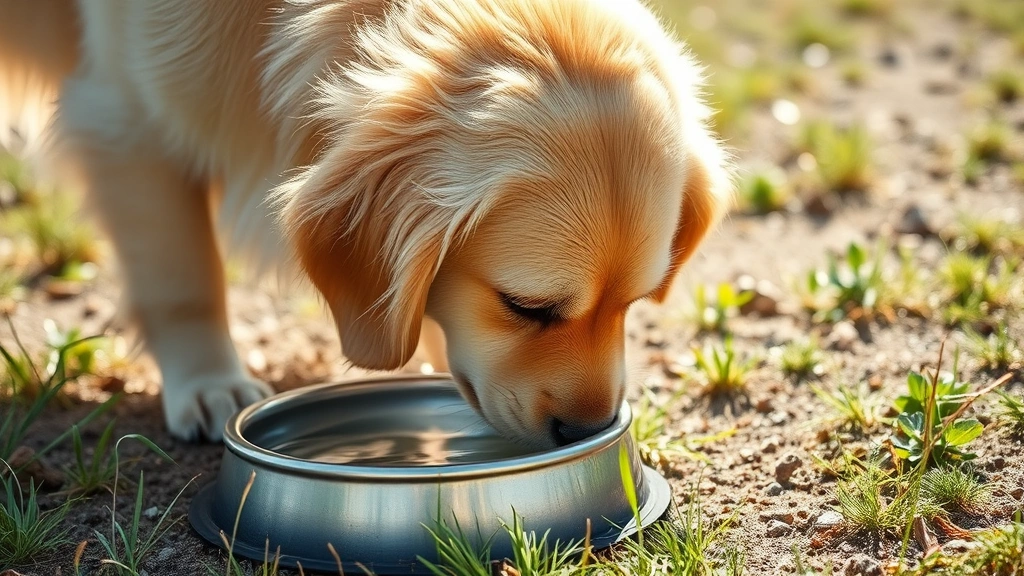
- Direct Drinking: Offer Pedialyte in a bowl as you would water. Some dogs readily drink it due to the slightly sweet taste.
- Mixed with Food: If your dog won’t drink it plain, mix Pedialyte with wet dog food or broth to encourage consumption.
- Ice Cubes: Freeze Pedialyte in ice cube trays for a fun way to deliver hydration, especially useful on hot days.
- Syringe Feeding: For dogs reluctant to drink, you can use a syringe to administer small amounts directly into their mouth, though this requires care to prevent aspiration.
Duration of Use: Pedialyte is typically recommended for short-term use only—usually no more than 24 to 48 hours unless directed otherwise by your veterinarian. If your dog continues to show signs of dehydration or illness beyond this period, professional veterinary care is necessary.
If you’re trying to get your dog to drink more water, Pedialyte can be a helpful interim solution, but transitioning back to regular water once your dog feels better is important for long-term health.

Alternative Hydration Solutions for Dogs
While Pedialyte is one option, several other solutions can support your dog’s hydration and recovery.
Bone Broth: Homemade bone broth (made without onions or garlic) provides hydration along with beneficial nutrients and collagen. Many dogs find it palatable and it’s a more natural alternative to commercial electrolyte solutions.
Coconut Water: Plain, unsweetened coconut water contains natural electrolytes and can be offered in small quantities. Always ensure it’s unsweetened and contains no added ingredients.
Watermelon: The high water content in watermelon (without seeds) makes it a hydrating treat that many dogs enjoy. It’s a natural alternative to manufactured solutions.
Plain Chicken or Beef Broth: Low-sodium broths can encourage drinking and provide mild nutritional support. Ensure the broth contains no onions, garlic, or excessive salt.
Veterinary-Prescribed Electrolyte Solutions: Your veterinarian may recommend prescription electrolyte solutions specifically formulated for dogs, which may be safer than human products.
When dealing with what you can give a dog for an upset stomach, your veterinarian can guide you toward the most appropriate options for your pet’s specific condition.
For more persistent digestive issues, learning how to help a dog with diarrhea involves a comprehensive approach that may include dietary changes, supplements, and sometimes medications beyond hydration support.
When to Seek Veterinary Guidance
While Pedialyte can be helpful for mild cases of dehydration, certain situations absolutely require professional veterinary care rather than home remedies.
Signs You Need Immediate Veterinary Attention:
- Severe lethargy or unresponsiveness
- Continuous vomiting or diarrhea lasting more than a few hours
- Blood in vomit or stool
- Signs of severe dehydration (sunken eyes, skin tenting, pale gums)
- Inability to keep any fluids down
- Signs of abdominal pain or distension
- High fever or signs of systemic illness
- Known ingestion of toxins
When to Call Your Vet for Advice:
- Mild vomiting or diarrhea lasting more than 24 hours
- Repeated episodes of mild vomiting or diarrhea
- Your dog refuses to drink
- You’re unsure whether Pedialyte is appropriate for your dog’s condition
- Your dog has pre-existing health conditions
- You’re unsure about proper dosing for your specific dog
Veterinarians emphasize that Pedialyte should be viewed as a supportive measure for mild cases, not a replacement for professional medical evaluation when serious illness is suspected. The ASPCA provides comprehensive guidance on recognizing when your dog needs professional veterinary care.
Frequently Asked Questions
Can I give my dog regular Pedialyte intended for humans?
Regular human Pedialyte can be given to dogs in most cases, but you must carefully check the ingredients to ensure it doesn’t contain xylitol or other harmful artificial sweeteners. Unflavored versions are generally safer than those with added flavors. However, asking your veterinarian for a recommendation is always the safest approach, as they can suggest formulations appropriate for your dog’s specific needs.
How long can I safely give Pedialyte to my dog?
Pedialyte should typically be used for short-term hydration support only—usually 24 to 48 hours maximum. If your dog continues to need electrolyte replacement beyond this period, or if symptoms persist, veterinary evaluation is necessary to determine the underlying cause and appropriate treatment plan.
Can Pedialyte help with my dog’s loss of appetite?
While Pedialyte primarily addresses hydration and electrolyte balance rather than appetite, maintaining proper hydration can support overall recovery and may indirectly help your dog feel more inclined to eat once they’re rehydrated. If your dog continues to refuse food for more than 24 hours, veterinary consultation is recommended.
Is Pedialyte safe for puppies and senior dogs?
Pedialyte can be safe for both puppies and senior dogs when used appropriately, but dosing needs to be adjusted based on their size and health status. Senior dogs, in particular, may have underlying health conditions that affect electrolyte tolerance. Always consult your veterinarian before giving Pedialyte to puppies or senior dogs.
What’s the difference between Pedialyte and plain water for dehydrated dogs?
Plain water hydrates the body but doesn’t replace electrolytes lost through vomiting or diarrhea. Pedialyte contains sodium, potassium, and chloride in proportions designed for optimal absorption and electrolyte replacement. For mild to moderate dehydration, Pedialyte is more effective; however, for general hydration, plain water is sufficient and should be the primary fluid your dog consumes.
Can I make homemade electrolyte solution for my dog?
Yes, you can make a simple homemade electrolyte solution by mixing one liter of water with half a teaspoon of salt and six teaspoons of sugar. However, this should only be done under veterinary guidance, as precise ratios are important. Commercial solutions like Pedialyte are formulated with exact electrolyte balances, making them more reliable for therapeutic use.
Should I give Pedialyte if my dog has diabetes?
Dogs with diabetes should not receive regular Pedialyte due to its sugar content without explicit veterinary approval. Sugar-free versions may be appropriate, but your veterinarian needs to evaluate your dog’s specific situation. Many vets recommend alternative hydration methods for diabetic dogs, such as bone broth or veterinary-prescribed electrolyte solutions formulated for their condition.
What are signs that Pedialyte isn’t helping my dog?
If your dog continues to show signs of dehydration after 24 to 48 hours of Pedialyte administration, or if symptoms worsen, professional veterinary care is needed. Signs that veterinary attention is urgent include worsening lethargy, continued vomiting or diarrhea, sunken eyes, or any signs of pain or distress.





