

Is Salmon Skin Good for Dogs? Vet Insights and Safety Guide
As a pet parent, you’re constantly looking for ways to boost your dog’s nutrition and keep them healthy. One food that often comes up in conversations is salmon skin—that crispy, nutrient-packed outer layer that many of us humans enjoy. But is salmon skin actually good for dogs, or should you keep it off their plate? The answer is more nuanced than a simple yes or no, and understanding the benefits and risks will help you make informed decisions about your pup’s diet.
Salmon skin has become increasingly popular in premium dog foods and treats, and for good reason. It’s packed with omega-3 fatty acids, protein, and other beneficial nutrients. However, like any food, there are important considerations about preparation, portion size, and potential contaminants that every dog owner should know about. Let’s dive deep into what veterinarians recommend about feeding salmon skin to your canine companion.
Whether you’re considering adding salmon skin to your dog’s meals or you’ve already spotted it in commercial dog treats, this comprehensive guide will help you understand exactly what you need to know to keep your dog safe and healthy.
Nutritional Benefits of Salmon Skin for Dogs
Salmon skin is genuinely impressive from a nutritional standpoint. The skin contains concentrated amounts of omega-3 fatty acids, particularly EPA and DHA, which are essential for maintaining your dog’s coat quality, reducing inflammation, and supporting cognitive function. These fatty acids are the same ones that veterinarians often recommend through fish oil supplements, so you’re essentially getting a natural source of these beneficial compounds.
Beyond omega-3s, salmon skin provides high-quality protein that supports muscle development and maintenance. A single serving of salmon skin can contribute meaningfully to your dog’s daily protein intake, making it an excellent addition to their diet. The skin also contains astaxanthin, a powerful antioxidant that gives salmon its pink color and provides anti-inflammatory benefits that can be particularly helpful for aging dogs or those with joint issues.
When you’re evaluating whether dogs can eat salmon skin, it’s important to recognize that the skin contains more of these beneficial compounds than the flesh itself. The fat content in salmon skin is actually beneficial for dogs, contrary to what some people might assume. These are healthy fats that support skin health, reduce shedding, and contribute to a shiny coat that’s often a sign of overall wellness.
Additionally, salmon skin contains B vitamins, selenium, and potassium—all nutrients that support your dog’s immune system, thyroid function, and heart health. Many veterinarians acknowledge that when prepared correctly, salmon skin can be a nutritious addition to a balanced diet. For dogs with dry, itchy skin or dull coats, the omega-3 content in salmon skin can produce visible improvements within a few weeks.
Safety Concerns and Potential Risks
While salmon skin offers genuine nutritional benefits, it’s crucial to understand the potential risks before adding it to your dog’s regular diet. The most significant concern is parasites and bacteria that can be present in raw salmon. Salmon can carry parasites like Neorickettsia helminthoeca, which causes salmon poisoning in dogs—a potentially serious condition if left untreated. This is why preparation method matters enormously.
Another important consideration is the thiaminase enzyme found in raw salmon. This enzyme breaks down thiamine (vitamin B1), which is essential for your dog’s neurological function. While cooking destroys this enzyme, raw salmon skin should generally be avoided unless it has been specifically treated to eliminate parasites. This is why understanding whether dogs can have salmon skin involves knowing the preparation details.
Mercury content is another factor veterinarians discuss. While salmon generally has lower mercury levels than some other fish, wild salmon can contain trace amounts of this heavy metal. For occasional treats, this isn’t a major concern, but if salmon skin becomes a regular part of your dog’s diet, mercury accumulation is something to monitor. Farmed salmon typically has lower mercury content than wild-caught varieties.
Some dogs may also have allergic reactions to salmon or fish in general. Symptoms can include itching, skin rashes, ear infections, or gastrointestinal upset. If your dog has never had salmon before, introduce it gradually in small amounts and watch for any adverse reactions over the next 24-48 hours. Additionally, the high fat content in salmon skin, while generally beneficial, can trigger pancreatitis in susceptible dogs or those with pre-existing pancreatic issues.
Dogs with certain medical conditions should avoid salmon skin entirely. Those with kidney disease, heart disease, or specific dietary restrictions should consult with their veterinarian before introducing any new foods. The sodium content, while not excessive, can be a concern for dogs on restricted diets.

How to Safely Prepare Salmon Skin
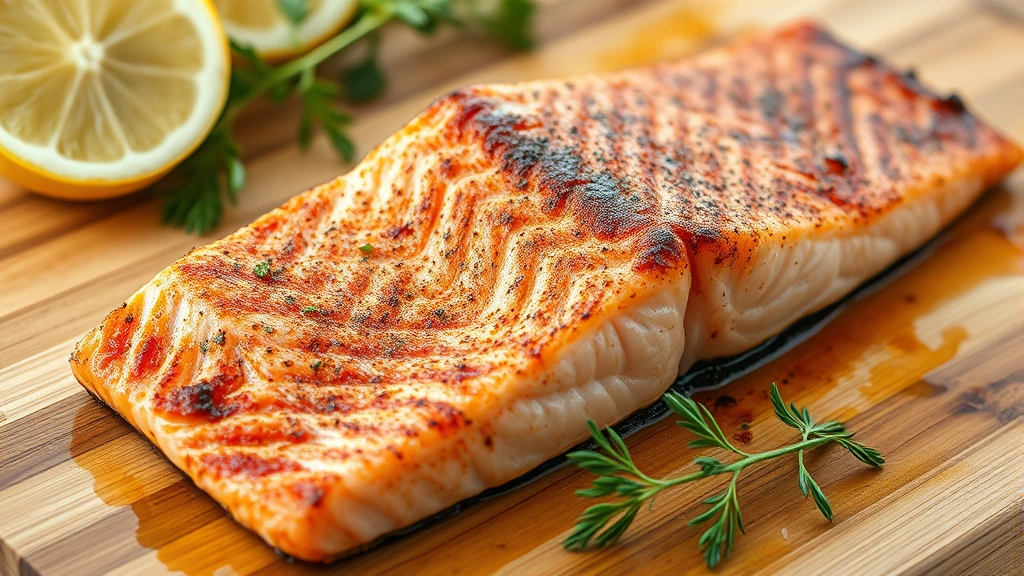
The preparation method is absolutely critical when it comes to safely feeding salmon skin to your dog. Raw salmon skin should generally be avoided due to parasitic risks. The safest approach is to cook the salmon skin thoroughly to eliminate any potential pathogens. Baking is an excellent method: simply place salmon skin on a baking sheet and bake at 400°F for about 12-15 minutes until it’s fully cooked through. You can tell it’s done when it flakes easily and shows no translucent areas.
Boiling is another safe preparation method. Place salmon skin in water and bring to a rolling boil, maintaining heat for at least 10 minutes. This method is particularly good if you want to remove excess fat, as some of it will leach into the water. After boiling, let the skin cool completely before serving it to your dog. If you’re looking for similar preparation techniques, you might be interested in learning how to boil chicken for dogs, as the principles are quite similar.
Never use seasoning, salt, garlic, or onions when preparing salmon skin for your dog. These additions can be harmful and negate the health benefits you’re trying to provide. Keep it plain and simple—your dog doesn’t need seasoning to enjoy the natural flavor. If you’re using store-bought salmon, choose high-quality, sustainably-sourced varieties when possible, as they tend to have fewer contaminants.
You can also freeze cooked salmon skin in ice cube trays for convenient portion control. This creates perfect single-serving treats that you can thaw as needed. Some pet owners even create salmon skin jerky by slowly dehydrating cooked salmon skin in a low oven, creating a long-lasting chew that many dogs find irresistible. Just ensure it’s completely dried to prevent bacterial growth.
If you’re concerned about parasites or want to be extra cautious, you can purchase salmon skin treats that are specifically processed for pet consumption. These have been subjected to quality control measures and parasite testing, making them a reliable option if you’re uncomfortable preparing fresh salmon yourself.
Portion Guidelines and Frequency
Even though salmon skin is nutritious, moderation is key. Salmon skin should be considered a treat or supplement to your dog’s regular diet, not a primary food source. A general guideline is that treats should make up no more than 10% of your dog’s daily caloric intake. For a medium-sized dog (around 50 pounds), this typically means no more than a small piece of salmon skin daily, or a few pieces 2-3 times per week.
The appropriate portion size depends on your dog’s size, age, activity level, and overall health. Small dogs should get no more than a thumbnail-sized piece, while larger dogs can handle pieces about the size of a sugar cube. Start with smaller portions than you think your dog needs and gradually increase if they tolerate it well.
Puppies should have even smaller portions, as their digestive systems are still developing. Senior dogs and those with sensitive stomachs should also receive smaller amounts and less frequently. If your dog is overweight, be especially mindful of portion sizes, as salmon skin is calorie-dense. Consult with your veterinarian about appropriate portions for your specific dog, particularly if they have any health concerns.
Frequency is equally important. Feeding salmon skin 2-3 times per week is generally considered safe for most healthy adult dogs. This provides regular access to the nutritional benefits without overloading their system with high levels of fatty acids or potential contaminants. If you’re also supplementing with fish oil or feeding other fish-based treats, reduce the frequency of salmon skin accordingly.
Keep track of what else your dog is eating. If their commercial dog food already contains fish or fish oil, you may want to limit additional salmon skin. Too much omega-3 fatty acid supplementation can actually interfere with omega-6 fatty acid absorption, creating an imbalance. Your veterinarian can help you determine if your dog needs additional fish-based nutrition or if their current diet already provides adequate amounts.
Alternative Fish Options for Your Dog
If you’re interested in providing fish-based nutrition to your dog, there are several alternatives to salmon skin worth considering. Understanding whether fish is good for dogs opens up several options beyond salmon. Sardines are an excellent choice—they’re smaller fish with shorter lifespans, meaning they accumulate fewer toxins. Many dogs love sardines, and they can be fed canned in water (without added salt) or fresh. You might also explore whether dogs can eat sardines to understand this option better.
White fish like cod and halibut are milder options that some dogs prefer, and they tend to have lower fat content than salmon. These are excellent choices for dogs with sensitive stomachs or those prone to pancreatitis. Mackerel is another fatty fish rich in omega-3s, though it’s stronger-flavored and some dogs find it less palatable than salmon.
Anchovies are tiny, nutrient-dense fish that pack significant omega-3 content in a small package. They’re often used in commercial dog foods and supplements. Whitefish is another mild option that’s easy to digest and provides protein without the richness of salmon skin.
When considering fish alternatives, remember that variety is beneficial. Rotating between different fish types ensures your dog gets a broader spectrum of nutrients and reduces the risk of toxin accumulation from any single source. However, not all foods are appropriate for dogs—for instance, if you’re curious about other foods, you might wonder what nuts dogs can eat, as this is a common question about other human foods.
Raw fish diets, sometimes called BARF diets, are controversial and carry significant parasitic risks. Most veterinarians recommend against feeding any raw fish to dogs due to these concerns. If you’re interested in a raw diet approach, consult extensively with a veterinary nutritionist who can help you create a balanced, safe plan that minimizes health risks.
Frequently Asked Questions
Can puppies eat salmon skin?
Puppies can eat small amounts of cooked salmon skin once they’re eating solid food regularly, typically around 8-10 weeks of age. However, puppies have developing digestive systems and should be introduced to new foods very gradually. Start with tiny pieces—about the size of a pea—once or twice per week. Their nutritional needs are different from adult dogs, so salmon skin should never be a significant part of their diet. Always consult your veterinarian before introducing new foods to puppies, especially if they’re on a specialized growth formula.
Is frozen salmon skin safe for dogs?
Yes, frozen salmon skin is safe for dogs if it’s properly thawed and cooked. Freezing doesn’t eliminate parasites, so thawing and cooking are still necessary steps. Thaw frozen salmon skin in the refrigerator overnight rather than at room temperature to prevent bacterial growth. Once thawed, cook it thoroughly before serving. Some people freeze cooked salmon skin, which is an excellent practice for meal prep and portion control.
What are signs of salmon poisoning in dogs?
Salmon poisoning is a serious condition caused by parasites in raw salmon. Symptoms typically appear 5-7 days after exposure and include vomiting, diarrhea, loss of appetite, lethargy, fever, and swollen lymph nodes. If you suspect your dog has eaten raw salmon or shows these symptoms, contact your veterinarian immediately. Salmon poisoning can be fatal if untreated, but it responds well to antibiotics when caught early.
Can dogs with allergies eat salmon skin?
Dogs with fish allergies should absolutely avoid salmon skin. However, many dogs tolerate salmon well. If your dog hasn’t had salmon before and has a history of food allergies, introduce it very gradually and watch carefully for reactions. Some dogs develop allergies to foods they’ve eaten for years, so ongoing monitoring is important. If your dog has environmental allergies or other food allergies, consult your veterinarian before introducing salmon.
How much salmon skin is too much?
More than 10% of your dog’s daily caloric intake from treats is generally considered excessive. For most medium-sized dogs, this means no more than a small piece daily or a few pieces several times per week. The appropriate amount depends on your dog’s size, age, activity level, and overall diet. If salmon skin becomes a significant portion of your dog’s nutrition, it’s no longer a treat but a dietary component that requires careful nutritional balancing.
Should I remove the skin from salmon before cooking for my dog?
No—the skin is actually the most nutritious part! The skin contains the highest concentration of omega-3 fatty acids and other beneficial nutrients. However, ensure any skin you feed is from high-quality salmon and is thoroughly cooked. If using store-bought salmon, check the source and quality. Organic, sustainably-sourced salmon typically has fewer contaminants than conventionally-farmed varieties.
Can senior dogs eat salmon skin?
Yes, senior dogs can benefit from salmon skin’s anti-inflammatory properties, which may help with joint pain and cognitive function. However, older dogs often have more sensitive digestive systems, so introduce it gradually in smaller portions. Senior dogs with kidney disease, heart disease, or other age-related conditions should have salmon skin only under veterinary guidance. The high fat content might be problematic for some senior dogs, particularly those prone to pancreatitis.





