
What Does ‘Curb Your Dog’ Mean? Explained
If you’re a dog owner, you’ve probably heard the phrase “curb your dog” more than once—whether it’s on a sign at a local park, in your lease agreement, or from a neighbor. But what exactly does this common expression mean, and why is it so important? Understanding this fundamental rule of responsible dog ownership can help you be a better neighbor and keep your community clean and safe for everyone.
The phrase “curb your dog” is more than just a casual suggestion; it’s a legal requirement in many municipalities and a matter of basic courtesy. Whether you’re a seasoned dog owner or bringing home your first puppy, knowing what this means and how to comply with it is essential. In this comprehensive guide, we’ll break down everything you need to know about curbing your dog, why it matters, and how to make it part of your daily routine.
Beyond just following the rules, curbing your dog is about being a responsible member of your community. It prevents environmental hazards, reduces conflict with neighbors, and demonstrates respect for shared public spaces. Let’s explore this important aspect of dog ownership in detail.
What Does ‘Curb Your Dog’ Actually Mean?
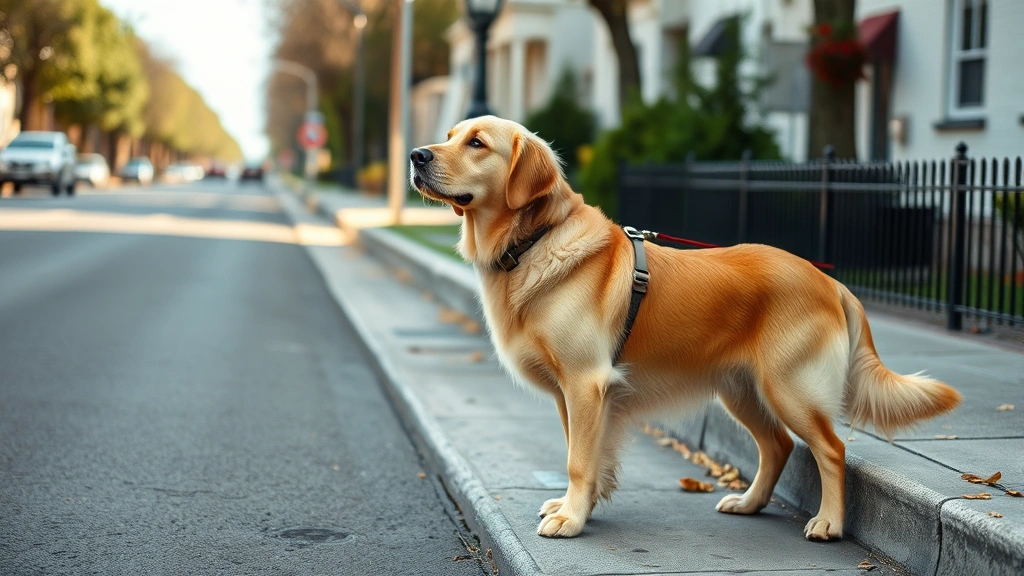
“Curbing your dog” refers to the practice of having your dog relieve itself (urinate or defecate) on the curb or in the street rather than on sidewalks, grass verges, or other public property. The term originates from the idea of directing your dog toward the edge of the street—the curb—as the appropriate place for bathroom breaks during walks.
In essence, curbing your dog means taking responsibility for where and when your dog goes to the bathroom in public spaces. This practice serves multiple purposes: it keeps sidewalks and common areas clean, prevents damage to grass and landscaping, and demonstrates consideration for other pedestrians who might otherwise step in or encounter waste. When you curb your dog, you’re actively managing your pet’s bathroom habits to minimize their impact on shared community spaces.
The concept has become so widespread that many people use the phrase as shorthand for responsible dog ownership in general. It’s not just about the physical act of directing your dog to the curb; it’s about being mindful of your pet’s impact on the environment and other people around you. Some areas have even adopted the phrase as part of local ordinances and regulations.
Legal Requirements and Local Laws
The legality of curbing your dog varies by location, but many cities and municipalities have specific laws requiring it. According to the American Kennel Club’s guidelines on responsible dog ownership, pet owners should familiarize themselves with local regulations regarding waste disposal.
In many urban areas, it’s not just recommended—it’s mandatory. Failure to curb your dog can result in fines ranging from $25 to several hundred dollars, depending on your location. Some municipalities have implemented “Pooper Scooper” laws that require owners to clean up after their dogs regardless of where the waste is deposited. These laws often include specific penalties for non-compliance.
Before moving to a new area or getting a dog, it’s wise to check with your local city or county government to understand the specific regulations in your community. You can typically find this information on your municipality’s website or by contacting the animal control department. Many landlords and homeowners associations also include curbing requirements in their lease agreements and community rules.
Some progressive cities have taken curbing requirements a step further by creating designated relief areas for dogs in parks and public spaces. These “dog relief zones” are specifically marked areas where dogs are permitted to go to the bathroom, making it easier for owners to comply with regulations while providing appropriate facilities for their pets.
Why Curbing Your Dog Matters
Understanding why curbing your dog is important goes beyond just following rules—it’s about understanding the broader impact of responsible pet ownership. Here are several key reasons why this practice matters:
- Public Health and Safety: Dog waste left on sidewalks and grass can pose serious health risks to children and other community members. It can harbor parasites, bacteria, and diseases that spread to humans and other animals.
- Environmental Protection: When dog waste accumulates in non-designated areas, it can contaminate soil and water sources, creating environmental hazards.
- Neighborhood Aesthetics: Clean neighborhoods are more pleasant for everyone. Dog waste detracts from the appearance of public spaces and can discourage people from enjoying parks and walkways.
- Conflict Prevention: Neighbors are more likely to complain about or take action against dogs whose owners don’t curb them, potentially leading to disputes or even legal action.
- Community Relations: Being a responsible dog owner who curbs their dog demonstrates respect for your community and strengthens neighborhood relationships.
The practice also helps prevent issues like dogs peeing in inappropriate places, as consistent bathroom routines during walks reinforce proper elimination habits. This consistency can even help with preventing dogs from eating dog poop, as they develop healthy bathroom behaviors.

How to Properly Curb Your Dog
Now that you understand what curbing means and why it’s important, let’s discuss how to actually do it effectively. Properly curbing your dog involves several steps and considerations:
- Choose the Right Time: Take your dog out for walks at consistent times throughout the day. Most dogs need to relieve themselves after meals, after naps, and before bedtime. Regular schedules help your dog develop predictable bathroom habits.
- Select Appropriate Locations: Identify curbs or designated relief areas near your home or along your regular walking routes. These should be away from high-traffic areas and ideally where other dogs commonly go.
- Use Proper Walking Equipment: Consider using a harness on your dog for better control during walks. A well-fitted harness gives you more control than a collar alone, making it easier to position your dog at the curb when needed.
- Encourage and Reward: Use positive reinforcement when your dog relieves itself in the appropriate location. Praise and treats help reinforce the desired behavior.
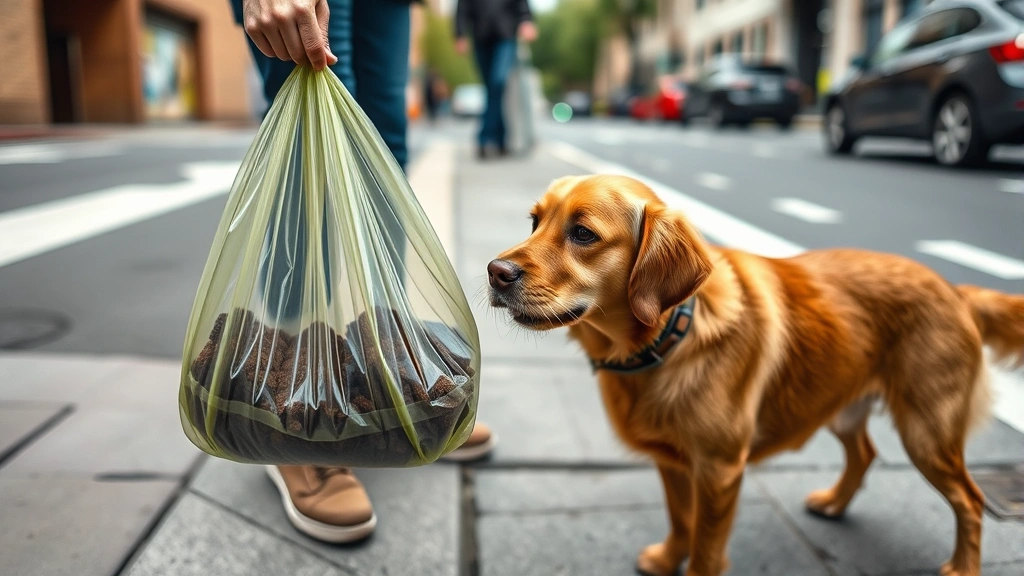
- Always Clean Up: Even when curbing, always carry waste bags and clean up after your dog. Many areas require this by law, and it’s the responsible thing to do.
- Be Consistent: Consistency is key to establishing good bathroom habits. Take your dog to the same locations during walks and use the same commands or cues to encourage elimination.
For dogs with digestive issues, understanding what to feed dogs with diarrhea can help improve their overall bathroom health and make curbing easier. A healthy digestive system means more predictable bathroom habits.
Training Your Dog to Curb
Training your dog to curb properly takes patience, consistency, and positive reinforcement. Here’s a step-by-step approach to teaching this important skill:
Start Early: Begin curbing training as soon as you bring your dog home. Puppies are more adaptable and can learn good habits from the start. Adult dogs can also learn, but it may take longer to break existing habits.
Establish a Routine: Dogs thrive on routine. Take your dog out at the same times each day—typically after meals, after playtime, and before bedtime. This predictability helps your dog develop reliable bathroom habits.
Use Verbal Cues: Develop a specific command like “go potty” or “do your business” and use it consistently when you want your dog to relieve itself. Pair this with immediate rewards when your dog complies.
Positive Reinforcement: Reward your dog immediately after successful elimination in the correct location. Use treats, praise, or playtime as incentives. This positive association makes your dog more likely to repeat the behavior.
Avoid Punishment: Never punish your dog for accidents or mistakes. This creates fear and confusion rather than understanding. Instead, calmly redirect and try again.
Practice Patience: Different dogs learn at different rates. Some may get the hang of curbing within weeks, while others may take months. Stay patient and consistent throughout the process.
If your dog struggles with bathroom issues indoors, learning how to stop dog peeing in the house can provide additional strategies that complement outdoor curbing training. These techniques often work together to establish overall good bathroom habits.
Common Mistakes Dog Owners Make
Even well-intentioned dog owners sometimes make mistakes when it comes to curbing. Here are some common pitfalls to avoid:
Inconsistency: One of the biggest mistakes is being inconsistent with curbing. If you only sometimes direct your dog to the curb, they’ll become confused about where they’re supposed to go. Consistency is essential for building good habits.
Failing to Clean Up: Even when you curb your dog, you should still clean up after them. Many areas have “Pooper Scooper” laws that require this. Always carry waste bags on walks and clean up any mess.
Ignoring Local Laws: Some owners assume curbing is optional or don’t bother to learn their local regulations. Take time to understand what’s required in your area to avoid fines and legal issues.
Not Providing Enough Bathroom Breaks: Dogs need regular opportunities to relieve themselves. If you don’t take your dog out frequently enough, they may have accidents or resist curbing. Most adult dogs need at least 3-4 bathroom breaks daily.
Choosing Inappropriate Locations: Avoid directing your dog to curb on someone else’s property or in areas where it’s clearly not allowed. Respect private property and follow local guidelines about designated relief areas.
Neglecting Training: Some owners assume their dog will naturally know to curb without training. Most dogs need explicit instruction and reinforcement to learn this behavior.
If issues persist, you might also want to research how to get dog poop out of carpet, though this is ideally a problem you’ll avoid through proper curbing and training. Additionally, if you plan to take your dog out in public spaces, knowing what stores allow dogs helps you identify appropriate places for your dog to spend time with you.
Frequently Asked Questions
Is curbing your dog a legal requirement everywhere?
Not everywhere has formal curbing laws, but many cities and municipalities do require it. Some areas have “Pooper Scooper” laws that require cleanup regardless of location. Check with your local animal control or city government to understand requirements in your specific area. Even where not legally required, it’s considered a matter of basic courtesy and responsible pet ownership.
What if my dog refuses to go to the bathroom on command?
Some dogs take longer to learn this behavior than others. Try establishing a consistent routine, using a specific verbal cue, and being patient. If your dog consistently refuses to go on command, consult with a professional dog trainer or your veterinarian. They can help identify underlying issues or develop a training plan tailored to your dog’s needs.
Can I train an adult dog to curb?
Yes, absolutely. While it may take longer than training a puppy, adult dogs can learn to curb with patience and consistency. Start with a regular routine, use positive reinforcement, and be patient as your dog adjusts to the new expectations. Most adult dogs can learn this behavior within a few weeks to a couple of months.
What should I do if my dog has an accident off the curb?
Don’t scold or punish your dog. Instead, calmly clean up the mess and continue with your training routine. Accidents happen, especially during the learning phase. Focus on reinforcing the correct behavior rather than dwelling on mistakes. If accidents become frequent, consult your veterinarian to rule out health issues.
Are there health benefits to curbing my dog?
While curbing is primarily about community responsibility and cleanliness, it does encourage regular bathroom routines, which is beneficial for your dog’s digestive health. Regular, predictable bathroom breaks can help prevent constipation and other digestive issues. A consistent routine also helps identify potential health problems early, as changes in bathroom habits can indicate underlying health concerns.
How do I handle curbing in winter or bad weather?
Cold weather, rain, and snow shouldn’t excuse you from curbing your dog. Your dog still needs regular bathroom breaks regardless of weather conditions. Invest in appropriate gear like dog coats and booties to keep your dog comfortable. Consider shorter, more frequent walks if needed, but maintain the same curbing standards.
What if my neighborhood doesn’t have traditional curbs?
The concept of “curbing” can apply to any designated area away from main pedestrian pathways. If your neighborhood doesn’t have traditional street curbs, identify similar locations—perhaps the edge of a street, a designated relief area in a park, or another appropriate spot. The principle remains the same: direct your dog away from high-traffic areas and common walkways.
Can curbing help with housebreaking?
Yes, curbing can actually complement housebreaking efforts. A consistent outdoor routine reinforces the idea that bathroom breaks happen outside, which strengthens housetraining. Dogs that develop good outdoor bathroom habits are typically easier to housetrain because they understand the connection between appropriate locations and elimination.





