
Which Dogs Have the Strongest Bite? Expert Insights
When it comes to canine power, few characteristics capture our imagination quite like bite force. Whether you’re a dog enthusiast, considering a new pet, or simply curious about our four-legged companions, understanding bite strength reveals fascinating insights into dog anatomy, breed history, and behavior. The question of what dogs have the strongest bite isn’t just about raw numbers—it’s about understanding the incredible engineering behind a dog’s jaw and what makes certain breeds so formidable.
Bite force is measured in pounds per square inch (PSI), and the results might surprise you. While many people assume that larger dogs automatically have the most powerful bites, the reality is far more nuanced. Factors like jaw structure, muscle composition, breed history, and individual training all play crucial roles in determining bite strength. Throughout this guide, we’ll explore the science behind canine bite force and identify which breeds rank among the most powerful biters in the dog world.
Understanding bite force also helps us appreciate the responsibility that comes with dog ownership. A dog’s bite is a tool shaped by thousands of years of selective breeding, and knowing which breeds possess exceptional jaw power can help owners make informed decisions about training, socialization, and management.
Understanding Canine Bite Force
Bite force, measured in PSI (pounds per square inch), represents the amount of pressure a dog can exert with its jaws when biting. To put this in perspective, an average human bite registers around 120-150 PSI, while a dog’s bite can range from 200 PSI for smaller breeds to over 700 PSI for the most powerful biters. This dramatic difference stems from the unique anatomy of canine jaws and the evolutionary adaptations that have made dogs such effective predators and workers.
The measurement of bite force has become increasingly precise thanks to modern biomechanical studies. Researchers use specialized equipment to measure the force exerted by a dog’s jaws, taking into account variables like the dog’s size, age, temperament, and training. These measurements provide valuable data for veterinarians, behavioral specialists, and breed enthusiasts who want to understand canine physiology better.
It’s important to note that bite force measurements can vary significantly depending on the methodology used. Different studies may produce different results, which is why you’ll sometimes see conflicting information online. The most reliable data comes from peer-reviewed scientific studies that use standardized measurement techniques and test multiple dogs from each breed.
[IMAGE_1]
Breeds with the Strongest Bites
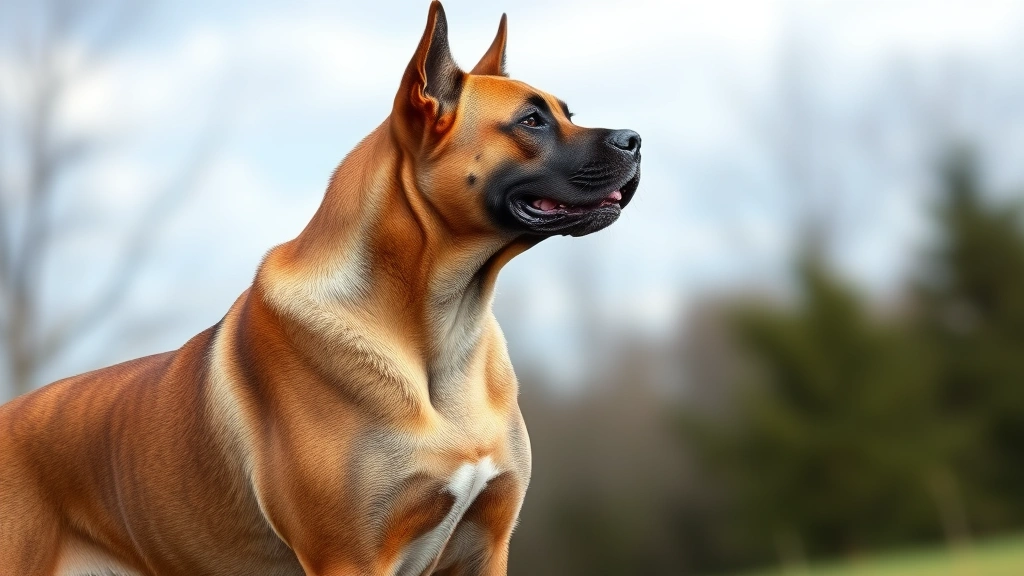
Several dog breeds are renowned for their exceptional bite force. The Kangal, a large Turkish livestock guardian dog, consistently ranks at the top of bite force studies, with measurements reaching approximately 743 PSI. These impressive dogs were originally bred to protect sheep from predators like wolves and bears, which explains their formidable jaw strength. The Kangal’s bite force is a direct result of selective breeding for protection work over many centuries.
The Bandog, often considered one of the most dangerous dogs due to its power and breeding history, also boasts an exceptional bite force of around 730 PSI. Bandogs are typically crosses between Mastiffs and Pit Bulls, combining the size of one breed with the tenacity of another. Their bite force reflects their history as guard and protection dogs.
Mastiff breeds, including the English Mastiff and the Boerboel, possess bite forces in the 550-700 PSI range. These massive dogs were developed for guarding estates and livestock, and their powerful jaws are an integral part of their intimidating presence. The Boerboel, in particular, was bred in South Africa to guard farms against large predators and intruders, resulting in exceptional bite force and protective instincts.
The German Shepherd, one of the world’s most popular dog breeds, has a bite force of approximately 238 PSI. While this is significantly lower than livestock guardian breeds, it’s still considerably more powerful than a human bite. German Shepherds’ bite force, combined with their intelligence and trainability, has made them invaluable in police and military work. Their power is typically channeled through rigorous training and socialization.
Pit Bulls and their relatives possess bite forces around 235 PSI, which, while powerful, is often overstated in popular media. These dogs were originally bred for bull-baiting and later dog fighting, which selected for dogs with powerful jaws. However, it’s crucial to understand that the most dangerous dog in the world is not determined by bite force alone—temperament, training, and socialization play equally important roles.
The Science Behind Bite Power
The science of bite force involves several anatomical and physiological factors. The masseter muscle, which is the primary muscle responsible for closing the jaw, is proportionally larger in dogs than in humans. In some powerful breeds, this muscle can be incredibly developed, allowing for tremendous force generation. The temporalis muscle, another key jaw muscle, also contributes significantly to bite force.
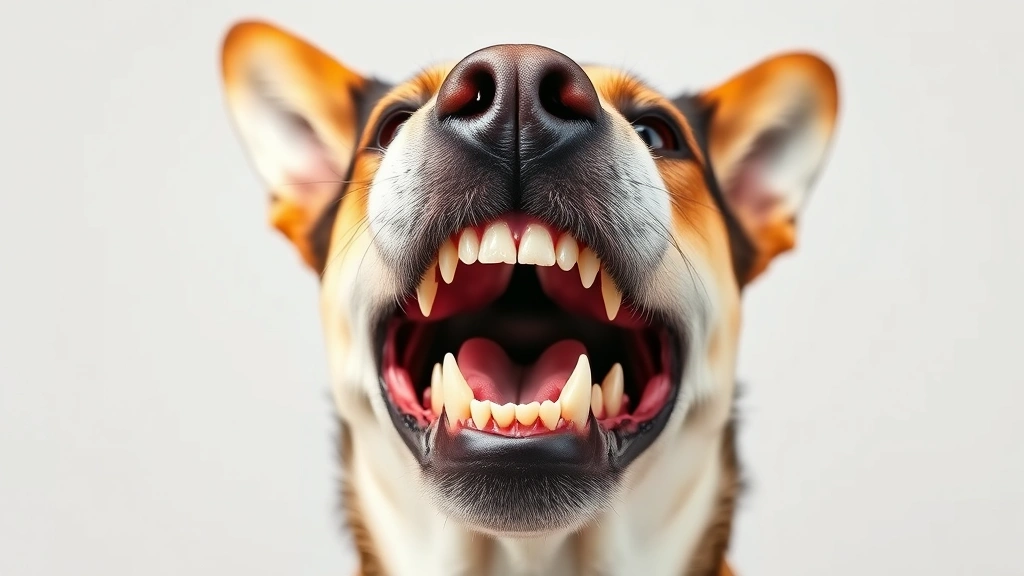
Jaw structure plays a crucial role in bite force capabilities. Dogs with broader skulls and more robust mandibles (lower jawbones) typically generate more bite force. The angle of the jaw, the length of the jaw lever arm, and the positioning of the teeth all affect how much force can be concentrated on a specific point. This is why how many teeth dogs have matters less than how those teeth are structured and positioned.
The tooth structure itself is another critical factor. Dog teeth are designed differently than human teeth, with canines that are longer, sharper, and positioned to pierce and grip rather than grind. The premolars and molars are sharp and blade-like, designed to shear through tissue. This is why a dog’s bite, even at lower PSI levels, can be more devastating than a human bite at similar PSI measurements.
According to research from the American Kennel Club, bite force is influenced by the dog’s overall size, muscle mass, and the specific training or conditioning the dog has undergone. A dog’s bite force can actually increase with age as jaw muscles develop, though it typically peaks in adulthood and may decline slightly in senior dogs.
Factors That Influence Bite Strength
While breed genetics play a significant role in determining potential bite force, numerous other factors can influence how powerful a particular dog’s bite actually is. Age is a major consideration—puppies have much weaker bites than adult dogs, and their bite force increases as they grow and develop. A full-grown dog will have significantly more bite force than a young dog of the same breed.
Individual variation within breeds is substantial. Just as humans have different levels of physical strength, individual dogs display varying bite forces even within the same breed. Two German Shepherds from similar genetic backgrounds might have noticeably different bite forces based on their individual muscle development and jaw structure.
Training and conditioning can influence bite force development. Dogs that are trained for protection work or sport activities may develop stronger bite force through specific exercises and conditioning. Conversely, dogs that are well-socialized and trained for gentle interaction may not fully develop their genetic potential for bite force.
Temperament and arousal level significantly affect bite force in real-world situations. A calm, well-adjusted dog may not bite with full force even if capable of doing so, while a fearful or aggressive dog might bite with maximum intensity. This is why understanding a dog’s behavioral state is just as important as understanding its physical capabilities.
Health status also plays a role. Dogs with dental disease, jaw injuries, or muscle conditions may have reduced bite force compared to healthy dogs of the same breed. Conversely, dogs in peak physical condition may generate slightly higher bite force than dogs in average health.

Dangerous vs. Powerful: An Important Distinction
It’s crucial to understand that bite force and danger are not synonymous. A dog with a powerful bite is not necessarily a dangerous dog, and conversely, a dog with a weaker bite can still be dangerous if poorly trained or socialized. This distinction is particularly important when considering breed stereotypes and media portrayals of certain dogs.
The American Veterinary Medical Association emphasizes that dog aggression and bite incidents are determined by multiple factors including the dog’s history, training, socialization, and the context of the situation. A well-trained, properly socialized dog with a 700 PSI bite force is far less dangerous than a poorly trained, aggressive dog with a 200 PSI bite force.
Many of the cleverest dogs are also powerful biters, yet they’re rarely involved in serious incidents because intelligence allows them to be trained effectively and to understand social cues. Intelligence combined with proper training and socialization creates a responsible, safe companion, regardless of bite force.
Media coverage of dog bites often focuses on the breed and bite force while ignoring factors like the dog’s training history, the circumstances of the bite, and whether the dog was provoked. This has led to widespread misconceptions about which breeds are truly dangerous. Research from veterinary behaviorists shows that individual dog behavior is far more predictive of bite risk than breed alone.
The ASPCA notes that factors like lack of socialization, abuse, neglect, and irresponsible ownership are far better predictors of dangerous behavior than breed characteristics. A powerful breed in a loving, responsible home is typically safer than any breed in a neglectful or abusive situation.
Responsible Ownership and Training
Owning a dog with a powerful bite force comes with significant responsibility. These dogs require experienced owners who understand dog behavior and are committed to proper training and socialization. Early socialization is absolutely critical—exposing puppies to various people, animals, and environments helps them develop confidence and appropriate social responses.
Professional training is highly recommended for powerful breeds. A qualified dog trainer or behaviorist can help owners establish clear boundaries, teach appropriate behavior, and manage the dog’s powerful instincts constructively. Many powerful breeds were originally developed for specific working purposes, and they often thrive when given appropriate outlets for their natural abilities.
Proper management is essential. This includes secure fencing, appropriate restraints during walks, and careful supervision around children and other animals. A dog with a powerful bite should never be left unsupervised in situations where it might feel threatened or provoked, as the consequences could be severe.
Understanding canine body language and stress signals is crucial for owners of powerful breeds. Learning to recognize signs of fear, anxiety, or aggression allows owners to intervene before a situation escalates to a bite. Many bites can be prevented through proper management and early intervention.
Regular veterinary care, including dental checkups, helps maintain jaw health and ensures that any medical issues that might affect behavior are identified and treated promptly. A healthy dog is typically a better-behaved dog.
Frequently Asked Questions
What is the dog with the absolute strongest bite force?
The Kangal, a Turkish livestock guardian breed, holds the record for the strongest bite force among domesticated dogs, with measurements reaching approximately 743 PSI. However, it’s important to note that individual dogs vary, and measurements can differ based on testing methodology. The Kangal was bred specifically for protecting livestock against large predators, which explains its exceptional jaw power.
Is bite force the same as danger level?
No, absolutely not. Bite force and danger are separate characteristics. A powerful dog that is well-trained and socialized is far less dangerous than a poorly trained dog with a weaker bite. Behavior, training, socialization, and individual temperament are far better predictors of danger than bite force alone. The American Veterinary Society of Animal Behavior emphasizes that breed-specific legislation based on bite force alone is not supported by scientific evidence.
Do smaller dogs have weaker bites than larger dogs?
Generally, yes—larger dogs tend to have stronger bite forces than smaller dogs, primarily due to their greater muscle mass and larger jaw structures. However, individual variation is significant, and some smaller dogs with robust jaw structures may have surprisingly powerful bites relative to their size. A Chihuahua’s bite is typically much weaker than a Kangal’s, but a small dog can still cause injury if it bites aggressively.
Can a dog’s bite force be measured accurately?
Bite force can be measured using specialized equipment, though measurements can vary depending on the testing methodology, the dog’s age and health, and whether the dog is biting voluntarily or under stress. Most reliable measurements come from controlled scientific studies where dogs are trained to bite on specialized equipment. Real-world bite force may differ from laboratory measurements due to variables like the dog’s emotional state and the specific circumstances of the bite.
Are breeds with strong bites more likely to bite?
Not necessarily. Bite frequency and bite force are different characteristics. A dog’s likelihood of biting is determined by its temperament, training, socialization, and the situation it’s in. Research shows that smaller dogs actually bite more frequently than larger dogs, though their bites typically cause less damage. Responsible ownership, training, and socialization reduce bite risk regardless of the breed’s bite force potential.
How can I manage a dog with a powerful bite?
Proper management includes early and ongoing socialization, professional training, secure containment, and careful supervision. Understanding canine body language, recognizing stress signals, and intervening early can prevent many bite incidents. Regular veterinary care, exercise, and mental stimulation are also important. If you’re considering a powerful breed, ensure you have the experience and commitment to provide appropriate care and training.
Do powerful bite breeds make good family pets?
Many powerful breeds make excellent family pets when properly trained, socialized, and managed. Breeds like German Shepherds and Mastiffs are popular family dogs. However, they do require experienced owners who understand their needs and can provide appropriate training and supervision. The key is matching the dog’s characteristics to the owner’s experience level and lifestyle.





