
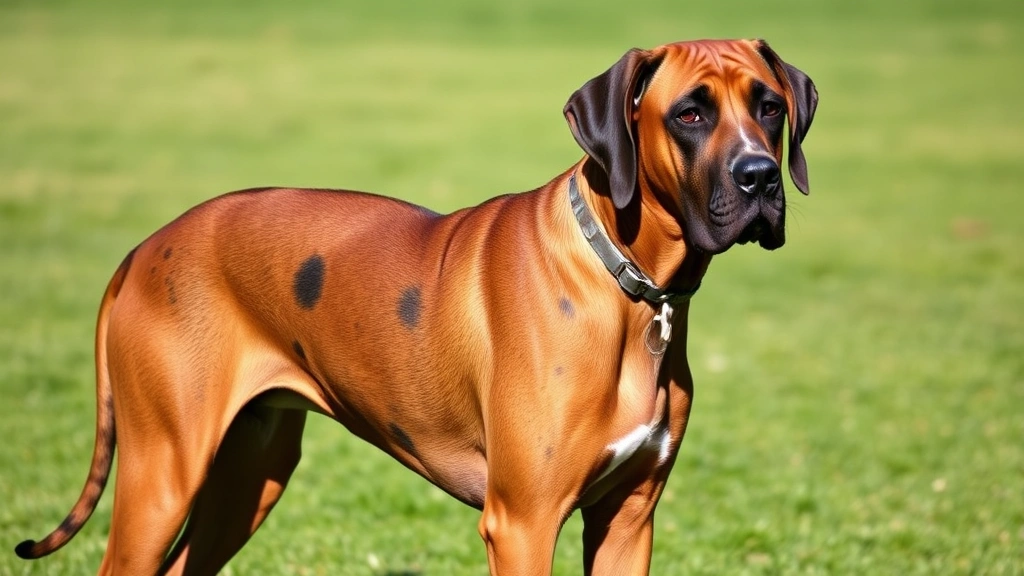
What Kind of Dog Is Scooby-Doo? Breed Explained
When you think of iconic cartoon dogs, Scooby-Doo immediately comes to mind. This lovable, mystery-solving canine has captured hearts for decades with his distinctive voice, boundless appetite, and unwavering loyalty to his best friend Shaggy. But have you ever wondered what breed Scooby actually is? The answer might surprise you—it’s more complex than a simple one-word response, and understanding Scooby’s breed tells us a lot about his character traits, size, and personality quirks that make him so beloved.
Scooby-Doo, created by Iwao Takamoto at Hanna-Barbera Productions in 1969, was designed to be a unique character that combined traits from multiple dog breeds. His creators wanted a dog that was large enough to be imposing yet goofy enough to be endearing. The result was a canine character that has become a cultural icon, starring in countless shows, movies, and spin-offs. Understanding Scooby’s breed composition gives us insight into why he behaves the way he does and why audiences have connected with him so strongly throughout the decades.
In this comprehensive guide, we’ll explore the fascinating backstory of Scooby-Doo’s breed, examine the specific characteristics that make him unique, and discover how his genetic makeup influences his personality and actions throughout the series. Whether you’re a lifelong fan of Mystery Inc. or just curious about this famous fictional pup, you’ll find everything you need to know about the Great Dane who changed television history.
Scooby-Doo’s Official Breed: Great Dane
Scooby-Doo is officially a Great Dane, one of the largest dog breeds in existence. Great Danes are known for their massive size, gentle temperament, and distinctive appearance—all characteristics that Scooby displays throughout the series. According to the American Kennel Club, Great Danes are classified as working dogs and can weigh between 110 to 175 pounds, making them one of the tallest dog breeds in the world.
Scooby’s status as a Great Dane was intentional on the part of his creators. Iwao Takamoto specifically chose this breed because Great Danes embody a unique combination of physical imposingness and gentle nature. This duality perfectly captures Scooby’s character: he’s large and potentially intimidating in appearance, yet he’s fundamentally a scaredy-cat who would rather eat Scooby Snacks than confront danger. The breed’s natural tendency toward loyalty and affection also makes them perfect candidates for being a family companion, which Scooby certainly is to the Mystery Inc. gang.
The choice of Great Dane breed was also practical for animation purposes. The breed’s distinctive features—including their sleek coat, long legs, and characteristic body shape—translate well to cartoon animation. Scooby’s exaggerated proportions and expressive features make him instantly recognizable, and much of his appeal stems from how animators have stylized the typical Great Dane appearance to create his unique look.

Great Dane Characteristics and Scooby
Understanding the characteristics of Great Danes helps explain why Scooby behaves the way he does in the series. Let’s examine some key traits that real Great Danes share with their famous cartoon cousin:
- Size and Presence: Great Danes are gentle giants, typically standing 28 to 34 inches tall at the shoulder. Scooby’s imposing size makes him an effective intimidator to criminals, even though he personally prefers to avoid confrontation.
- Loyalty and Companionship: According to the ASPCA, Great Danes form strong bonds with their families and are known for their unwavering devotion. Scooby’s dedication to Shaggy perfectly exemplifies this trait.
- Gentle Nature: Despite their size, Great Danes are known for being gentle and patient. They’re often called “couch potatoes” because they enjoy relaxing and spending time with their loved ones rather than constant activity.
- Social Temperament: Great Danes typically get along well with other dogs and people, which is reflected in Scooby’s friendships with Fred, Daphne, Velma, and Shaggy.
- Food Motivation: Great Danes have hearty appetites, and Scooby’s legendary love of food—especially Scooby Snacks—is a humorous exaggeration of this breed characteristic.
These breed characteristics aren’t random—they were carefully considered by Scooby’s creators to build a character whose behaviors would feel authentic to the breed while remaining entertaining and endearing to audiences.
Design Inspiration and Creation
When Iwao Takamoto began designing Scooby-Doo in the late 1960s, he faced a unique challenge: create a dog character that would appeal to children while also serving as a comedic element in a mystery-solving show. Takamoto, an accomplished animator and character designer at Hanna-Barbera, drew inspiration from several sources when developing Scooby’s appearance and personality.
The Great Dane breed provided the perfect foundation, but Takamoto made several deliberate deviations from realistic Great Dane proportions to enhance Scooby’s cartoon appeal. He exaggerated certain features—particularly Scooby’s tail, ears, and facial expressions—to make the character more expressive and comedic. This is similar to how people often wonder what is a doodle dog when they see mixed-breed characteristics, as Scooby’s design incorporates stylized elements that go beyond standard Great Dane features.
Takamoto also incorporated personality traits that would make Scooby distinctive among cartoon dogs. His distinctive speech pattern, featuring his characteristic “Scooby-Dooby-Doo” catchphrase and tendency to say his own name frequently, became iconic elements that set him apart. The character’s cowardice, despite his size, was a deliberate choice that created humor through contrast—audiences found it hilarious that such a large dog would be afraid of the very mysteries he helped solve.
One interesting aspect of Scooby’s creation was the decision to make him equally important to the show as the human characters. Rather than being a sidekick to Shaggy, Scooby was positioned as a full member of Mystery Inc., with his own agency and contributions to solving mysteries. This elevated status meant that his breed and characteristics needed to be well-thought-out and consistent throughout the series.

How His Breed Influences His Personality
Great Danes are known for their sensitive, intuitive nature, and Scooby’s personality reflects these breed characteristics in interesting ways. While real Great Danes are typically calm and composed, Scooby channels the breed’s sensitivity into heightened emotional responsiveness. He’s quick to pick up on danger, fear, and excitement, making him an ideal mystery-solving companion despite his apparent cowardice.
The breed’s natural loyalty manifests in Scooby’s unwavering devotion to Shaggy. No matter what danger they face or how scared he becomes, Scooby never abandons his best friend. This reflects the genuine loyalty that the cleverest dogs demonstrate—they form deep bonds with their companions and prioritize relationships above all else. Though Scooby isn’t portrayed as particularly intelligent in the traditional sense, his emotional intelligence and ability to work as part of a team demonstrate a different kind of cleverness.
Great Danes also have a reputation for being “velcro dogs”—they like to stay close to their owners. Scooby’s constant companionship with Shaggy is a humorous exaggeration of this trait. They’re rarely separated, and when they are, both characters show signs of distress. This attachment style is authentic to the breed’s natural inclination toward closeness with their family members.
Another personality trait influenced by Great Dane characteristics is Scooby’s appetite. While the show plays this up for comedic effect, it’s based on a real aspect of the breed. Great Danes require substantial nutrition due to their size, and they often display food-seeking behavior. Scooby’s obsession with eating—whether it’s Scooby Snacks, sandwiches, or anything else edible—becomes a running gag that endears him to audiences while reflecting authentic breed behavior.
Comparing Scooby to Real Great Danes
While Scooby-Doo is certainly a stylized, exaggerated version of a Great Dane, comparing him to real members of the breed reveals both similarities and differences. Real Great Danes share Scooby’s impressive size and gentle nature, but they typically exhibit more composure in unfamiliar situations. A real Great Dane might be cautious about entering a spooky mansion, but they wouldn’t necessarily panic and run away screaming the way Scooby does.
In terms of appearance, real Great Danes come in several color variations, including fawn, brindle, black, and harlequin patterns. Scooby’s brown coloring with black spots is somewhat unique compared to standard Great Dane colorations, though it does vaguely resemble a brindle pattern. His spots, in particular, are more characteristic of Dalmatian markings, suggesting that Takamoto may have incorporated elements from other breeds into Scooby’s visual design.
Real Great Danes are known for their relatively calm demeanor and preference for lounging around the house rather than constant activity. In this respect, Scooby is quite authentic—he spends much of his time relaxing, eating, and hanging out with Shaggy rather than actively pursuing mysteries. The show often depicts him as reluctant to engage in physical activity, which aligns with the breed’s lower exercise requirements compared to more active dog breeds.
One significant difference is Scooby’s ability to communicate through speech. While real Great Danes can’t talk in complete sentences, they do express themselves through various vocalizations and body language. Scooby’s talking ability is purely a creative choice by the show’s writers to make him a more integral part of the narrative and comedic elements.
If you’re curious about how you might relate to different dog breeds, you might enjoy taking a personality quiz to discover what dog you are, or explore which dog breed matches your personality. These interactive tools can help you understand breed characteristics in a fun, personal way.
Mystery Inc.’s Other Dogs
While Scooby-Doo is the franchise’s most famous canine character, the Mystery Inc. universe has introduced several other dogs throughout its extensive history. Understanding Scooby’s breed helps contextualize these other characters and how they fit into the broader canine landscape of the series.
Scrappy-Doo, Scooby’s nephew, is also a Great Dane, though he’s depicted as a much smaller puppy version of the breed. Scrappy’s energetic, brave personality contrasts sharply with Scooby’s timidity, creating comedic tension between the characters. While Scrappy eventually became a controversial character among fans, his initial introduction was meant to showcase how differently two Great Danes with different temperaments could behave.
In various spin-offs and movies, other dogs have joined Mystery Inc. These characters often represent different breeds, each bringing their own unique characteristics to the team. For instance, some versions have featured dogs with traits that complement or contrast with Scooby’s personality and abilities.
The introduction of multiple dogs throughout the franchise raises interesting questions about canine genetics and personality variation. If you’re interested in exploring different dog types and breeds, you might wonder what type of dog appeals most to you, or investigate why dogs like squeaky toys to better understand canine psychology and preferences.
Frequently Asked Questions
Is Scooby-Doo really a Great Dane?
Yes, Scooby-Doo is officially a Great Dane according to Hanna-Barbera Productions and all official character descriptions. Great Danes are one of the largest dog breeds, and this size was intentionally chosen to make Scooby an imposing yet lovable character. While Scooby’s appearance is stylized and exaggerated for cartoon purposes, his breed foundation is definitively Great Dane.
How big would Scooby be if he were a real dog?
If Scooby were a real Great Dane, he would likely weigh between 110 to 175 pounds and stand 28 to 34 inches tall at the shoulder. However, Scooby is often depicted as even larger in the cartoons, sometimes appearing to be nearly as tall as the human characters. In reality, he would be enormous—certainly large enough to be intimidating, though real Great Danes are generally gentle and not aggressive.
Why is Scooby scared if he’s such a big dog?
Scooby’s cowardice despite his size is a deliberate character choice that creates humor through contrast. This trait makes him relatable to audiences who might also feel afraid in scary situations, regardless of their physical capabilities. Additionally, Great Danes are sensitive, intuitive dogs, and Scooby’s heightened emotional response to danger reflects this breed characteristic in an exaggerated way.
Can real Great Danes talk like Scooby?
No, real Great Danes cannot speak in complete sentences like Scooby does. However, Great Danes are vocal dogs that communicate through barking, whining, and other vocalizations. Scooby’s ability to talk is a creative choice made by the show’s writers to make him a full character capable of participating in dialogue and humor rather than just making dog sounds.
What do Great Danes eat compared to Scooby?
Real Great Danes require substantial nutrition due to their large size, typically consuming 6 to 10 cups of high-quality dog food daily, depending on their specific needs. Scooby’s obsession with food and his consumption of Scooby Snacks is an exaggerated version of the breed’s genuine need for substantial caloric intake. However, real Great Danes shouldn’t eat as indiscriminately as Scooby does in the cartoons.
Are Great Danes good family pets like Scooby?
Yes, Great Danes make excellent family pets and are known for their gentle, loyal nature. They form strong bonds with their families and are patient with children. Like Scooby, real Great Danes are often called “gentle giants” because of their combination of impressive size and calm temperament. However, they do require proper training, socialization, and healthcare due to their size and specific breed health considerations.
Has Scooby’s breed ever changed throughout the franchise?
Throughout the entire franchise history spanning over 50 years, Scooby-Doo has consistently been identified as a Great Dane. While his appearance has been updated and stylized differently across various shows, movies, and animation styles, his breed classification has remained constant. This consistency is important to maintaining character integrity across different media versions.





