
What to Do If Your Dog Has Diarrhea: Expert Tips
Discovering that your furry best friend has diarrhea can be concerning and messy. Whether it’s a one-time incident or an ongoing issue, understanding how to respond appropriately can make all the difference in your dog’s recovery. Diarrhea is one of the most common digestive complaints veterinarians see, and while it’s often not serious, knowing when to worry and what steps to take is essential for responsible pet ownership.
As a dog owner, you’ve probably experienced the frustration of finding unexpected accidents around your home. But beyond the inconvenience, diarrhea can indicate anything from a minor dietary indiscretion to a more serious underlying health condition. This comprehensive guide will walk you through everything you need to know about managing your dog’s digestive troubles, from identifying causes to implementing effective solutions.
Identifying the Causes of Dog Diarrhea
Understanding why your dog is experiencing diarrhea is the first step toward effective treatment. Diarrhea can stem from numerous causes, ranging from benign to serious. Common culprits include dietary changes, food sensitivities, eating something inappropriate, stress, or infections. Sometimes, your dog might have consumed something from the trash or eaten too quickly, leading to temporary digestive upset.
Dietary indiscretions are among the most frequent causes of acute diarrhea in dogs. If you recently switched your dog’s food brand or introduced new treats, this could be the trigger. Dogs have sensitive digestive systems that sometimes need time to adjust to new foods. Additionally, some dogs have specific food allergies or intolerances that manifest as diarrhea when they consume problematic ingredients.
Infections present another significant category of causes. Bacterial infections, viral infections, and parasites can all trigger diarrhea in dogs. Parasites like giardia and roundworms are particularly common in puppies and dogs with compromised immune systems. According to the ASPCA, parasitic infections are preventable with regular veterinary care, making routine check-ups crucial for your pet’s health.
Stress and anxiety can also cause digestive issues in dogs. Changes in environment, new pets, or household upheaval might trigger stress-related diarrhea. Some dogs are simply more sensitive to emotional stressors than others. Medications, antibiotics in particular, can alter your dog’s gut flora and cause temporary diarrhea as a side effect.

When Should You Contact Your Veterinarian?
While many cases of dog diarrhea resolve on their own, certain situations warrant immediate veterinary attention. If your dog’s diarrhea persists for more than 48 hours, or if you notice blood or mucus in the stool, contact your veterinarian promptly. These signs could indicate a more serious condition requiring professional diagnosis and treatment.
Watch for additional symptoms that accompany the diarrhea. If your dog is vomiting, lethargic, showing signs of abdominal pain, or has a fever, these are red flags that demand veterinary evaluation. Puppies, senior dogs, and those with pre-existing health conditions should receive veterinary attention for diarrhea more quickly than healthy adult dogs, as they’re more vulnerable to dehydration and complications.
Dehydration is a serious concern with diarrhea, especially if it’s severe or prolonged. Check if your dog’s gums are tacky or if the skin doesn’t bounce back when gently pulled—these are signs of dehydration. Dark-colored or very frequent diarrhea also warrants professional evaluation. The American Animal Hospital Association recommends veterinary consultation when diarrhea is accompanied by other symptoms, as this combination often indicates systemic illness.
If your dog has eaten something toxic or you suspect poisoning, seek emergency veterinary care immediately. Certain foods, medications, or objects can cause severe diarrhea as part of a toxic reaction. When in doubt, it’s always better to err on the side of caution and contact your veterinarian—they can assess your dog’s condition and provide guidance specific to your pet’s situation.
Home Care and Initial Treatment
For mild cases of diarrhea without accompanying symptoms, home care can often be effective. The first step is to help your dog recover from diarrhea through careful management. Begin by temporarily withholding food for 12-24 hours to give your dog’s digestive system a chance to rest. This fasting period allows the intestines to settle and can significantly reduce symptoms in many cases.
During the fasting period, provide fresh water frequently in small amounts. Avoid offering large quantities at once, as this can worsen diarrhea. Some veterinarians recommend offering ice chips or small sips of water every hour rather than free access to water. This approach helps maintain hydration while preventing the stomach from becoming overly full.
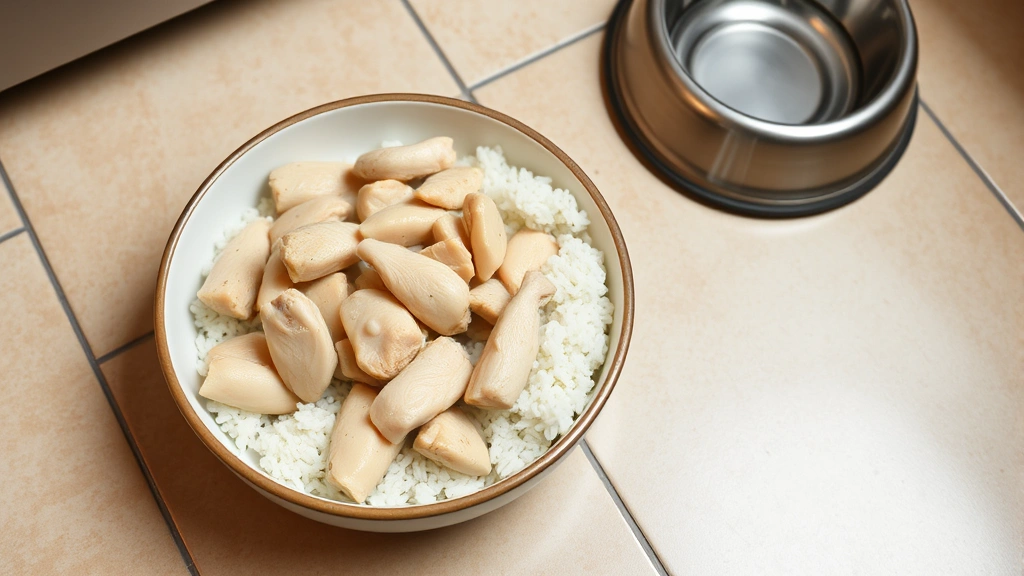
After the fasting period, gradually reintroduce bland, easily digestible foods. Understanding what to feed dogs with diarrhea is crucial for proper recovery. Boiled chicken (skinless and boneless) with plain white rice is a classic combination that’s gentle on the digestive system. Offer small portions—about a quarter of your dog’s normal meal amount—and gradually increase portions over several days as symptoms improve.
Probiotics can be beneficial for restoring healthy gut bacteria. Veterinary sources indicate that probiotics may help reduce the duration of diarrhea in some dogs, particularly after antibiotic use. Ask your veterinarian about appropriate probiotic supplements for your dog’s specific situation.
Over-the-counter medications like bismuth subsalicylate may provide temporary relief, but use them only under veterinary guidance. Some medications can mask serious underlying conditions or interact with other treatments. Your veterinarian can recommend safe, appropriate options for your specific dog.
Dietary Management During Recovery
Proper nutrition is essential for helping your dog recover from diarrhea. Once your dog tolerates the bland diet well, you can gradually transition back to regular food. The transition should take 7-10 days, slowly mixing increasing amounts of regular food with the bland diet. This gradual approach prevents another digestive upset.
Knowing how to stop dog diarrhea includes understanding which foods to avoid during recovery. Skip treats, table scraps, and high-fat foods during the recovery period. These can trigger a relapse of symptoms. Stick to high-quality, easily digestible dog foods that are appropriate for your dog’s age and size.
Some dogs benefit from dietary additions that support digestive health. Learning how much pumpkin to give a dog for diarrhea is helpful knowledge for long-term management. Plain canned pumpkin (not pie filling) contains fiber and can help normalize stool consistency. A typical dose is one to four tablespoons depending on your dog’s size, but consult your veterinarian for specific recommendations.
Consider your dog’s individual dietary needs and any known sensitivities. If your dog has a history of food allergies or sensitivities, be especially careful during the recovery period. Limited ingredient diets or prescription digestive care foods might be recommended by your veterinarian for dogs with chronic digestive issues.
Hydration remains critical throughout recovery. Ensure your dog always has access to fresh, clean water. Some dogs prefer water at room temperature rather than cold water. If your dog isn’t drinking adequately, consult your veterinarian, as dehydration can complicate recovery.
Prevention Strategies
Preventing diarrhea is far easier than treating it. Maintain consistent feeding schedules and use high-quality, appropriate dog food for your pet’s age, size, and health status. Avoid making sudden changes to your dog’s diet; any transitions should be gradual over 7-10 days to allow the digestive system to adapt.
Keep your dog away from potential hazards that could cause diarrhea. Secure trash cans, remove access to human foods, and keep your dog away from contaminated water sources or areas where other animals might have left parasites. Regular exercise and mental stimulation also support digestive health by promoting overall wellness.
Maintain a regular veterinary care schedule that includes parasite prevention and screening. The American Kennel Club emphasizes the importance of preventive veterinary care for maintaining digestive health. Monthly heartworm and flea prevention medications often include parasite protection that prevents many common causes of diarrhea.
Monitor your dog’s stress levels and provide a stable, calm environment. If your dog is prone to stress-related diarrhea, consider calming supplements, anxiety wraps, or behavioral training. Creating a safe space where your dog can retreat during stressful situations can significantly reduce stress-related digestive issues.
Keep detailed records of any diarrhea episodes, including what your dog ate before the incident, how long symptoms lasted, and any other signs that accompanied the diarrhea. This information helps your veterinarian identify patterns and potential triggers specific to your dog. If your dog experiences chronic or recurring diarrhea, these records are invaluable for diagnosis and treatment planning.
Frequently Asked Questions
How long does dog diarrhea typically last?
Most cases of acute diarrhea in dogs resolve within 24-48 hours with appropriate home care. However, some cases may persist for several days. If diarrhea lasts longer than 48 hours or worsens, contact your veterinarian. Chronic diarrhea lasting more than three weeks requires professional evaluation to identify underlying causes.
Is it safe to give my dog over-the-counter antidiarrheal medication?
Some over-the-counter medications can be used in dogs, but only under veterinary guidance. Certain medications can be harmful or mask serious conditions. Always consult your veterinarian before administering any medication to your dog. They can recommend safe, appropriate options based on your dog’s specific situation and medical history.
Can I give my dog regular food if they have mild diarrhea?
It’s best to withhold regular food for 12-24 hours and offer bland foods instead. If your dog appears hungry, offer small amounts of bland food rather than regular meals. Regular food, especially high-fat options, can worsen diarrhea. Gradually return to normal food only after symptoms improve.
What should I do if my dog has bloody diarrhea?
Bloody diarrhea requires veterinary attention. While minor blood can sometimes result from straining or inflammation, it can also indicate serious conditions like hemorrhagic gastroenteritis, parasites, or infections. Contact your veterinarian promptly for evaluation and appropriate treatment.
How can I tell if my dog is dehydrated from diarrhea?
Signs of dehydration include tacky gums, dry nose, lethargy, and skin that doesn’t bounce back quickly when gently pulled. Check your dog’s gums—they should be moist and pink. If you notice any signs of dehydration, contact your veterinarian, as IV fluids may be necessary to restore proper hydration.
Can stress cause diarrhea in dogs?
Yes, stress and anxiety can trigger diarrhea in sensitive dogs. Changes in environment, new pets, travel, or household disruption can cause stress-related digestive upset. If you suspect stress is the cause, focus on creating a calm environment and consider consulting a veterinary behaviorist for additional support.
Should I switch my dog’s food if they have frequent diarrhea?
If your dog experiences frequent diarrhea, consult your veterinarian before making dietary changes. They may recommend limited ingredient diets, prescription digestive care foods, or allergy testing to identify problematic ingredients. Switching foods without professional guidance could worsen symptoms or delay diagnosis of underlying issues.





