

Why Do Dogs Drool? Understanding the Reasons Behind Your Pup’s Slobber
If you’re a dog owner, you’ve probably experienced the joy of finding a puddle of drool on your favorite couch cushion or feeling that warm, wet sensation when your furry friend gives you an enthusiastic greeting. Drooling is one of those quirky dog behaviors that can range from endearing to downright messy, but have you ever wondered why do dogs drool in the first place? The answer isn’t as simple as you might think, and understanding the reasons behind your pup’s slobber can help you determine whether it’s just normal dog behavior or a sign that something needs attention.
Dog drool is actually a completely natural phenomenon that serves several important purposes in your canine companion’s body and life. From digestion to temperature regulation, saliva plays a vital role in keeping your dog healthy and happy. However, excessive drooling can sometimes indicate underlying health issues that warrant a veterinary visit. In this comprehensive guide, we’ll explore the fascinating world of dog saliva, discover why certain breeds are more prone to drooling than others, and learn when you should be concerned about your dog’s slobbering habits.
Whether you have a Saint Bernard that seems to produce an endless supply of drool or a Chihuahua that barely leaves a trace, this article will help you understand what’s normal for your dog and what might require professional attention.
Normal Reasons Why Dogs Drool
Dogs drool for many perfectly normal and healthy reasons. Understanding these can help you distinguish between typical dog behavior and something that might need veterinary attention. One of the primary reasons dogs produce saliva is for digestion. When dogs anticipate food or smell something delicious, their salivary glands kick into high gear, producing extra moisture to prepare for eating. This is similar to how humans’ mouths water when we see appetizing food.
Another common reason for drooling is related to how dogs regulate their body temperature. Unlike humans who sweat through their skin, dogs primarily cool themselves through panting and salivation. When your dog is hot, excited, or stressed, you might notice increased drooling as their body attempts to cool down. If you’re curious about other cooling mechanisms, you might want to learn more about why do dogs pant and how it relates to their overall temperature management.
Comfort and relaxation also trigger drooling in many dogs. Some dogs drool when they’re in a deeply relaxed state, much like how some people drool when they’re sleeping. This is completely harmless and often indicates that your pup is feeling safe and content in their environment. Additionally, certain breeds are genetically predisposed to produce more saliva than others, which we’ll explore in more detail in the next section.
Anxiety and stress can also cause increased salivation in dogs. When dogs are nervous or worried, their bodies respond by producing more saliva as part of their fight-or-flight response. This is an important signal that your dog might be feeling overwhelmed or uncertain about their situation.

Dog Breeds That Drool More Than Others
If you own a Saint Bernard, Mastiff, or Bloodhound, you already know that drooling can be a serious part of your daily life. Certain dog breeds are genetically predisposed to produce significantly more saliva than others, and this is completely normal for these dogs. Understanding your breed’s typical drooling tendencies can help you prepare and manage the situation more effectively.
Breeds with loose, hanging lips and jowls tend to drool more because their facial structure makes it harder for saliva to stay in their mouths. These breeds include:
- Saint Bernards – Known for their gentle nature and impressive drool production
- Mastiffs – Large dogs with loose lips that naturally drool
- Bloodhounds – Their droopy facial features contribute to constant drooling
- Bulldogs – Both English and French Bulldogs are notorious droolers
- Basset Hounds – Their long, droopy ears and jowls lead to regular drooling
- Boxers – These energetic dogs often drool, especially when excited
- Newfoundlands – Water dogs with loose lips that produce plenty of saliva
If you have one of these breeds, drooling is simply part of their genetic makeup and nothing to worry about. Many owners of these breeds keep towels handy and develop effective cleaning routines. Some even consider the drool an endearing quirk that comes with their beloved companion. However, if your typically non-drooling breed suddenly starts producing excessive saliva, that’s when you should pay closer attention and consider a veterinary evaluation.
When Drooling Becomes a Health Concern
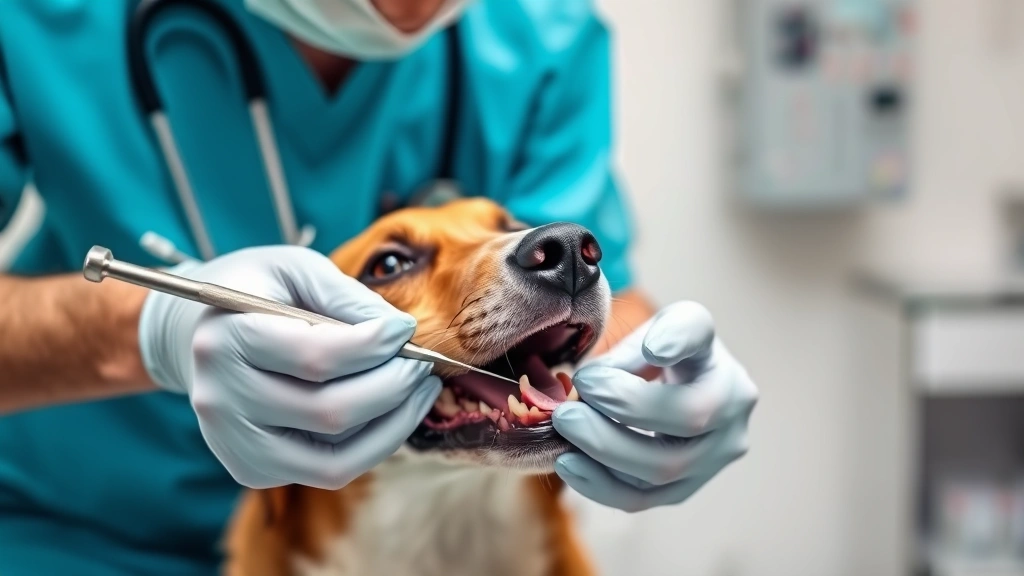
While drooling is normal in most cases, excessive or sudden changes in your dog’s drooling habits can indicate underlying health issues that require professional attention. One of the most common health-related causes of excessive drooling is dental disease. When dogs have infected teeth, gum disease, or other oral problems, their mouths may produce more saliva as an inflammatory response. This is why regular dental check-ups are so important for your dog’s overall health. If you’re concerned about your dog’s oral health, you might also want to investigate why does my dogs breath stink, as this can often indicate dental issues.
Oral injuries, including cuts, splinters, or foreign objects lodged in the mouth or throat, can cause significant drooling. If your dog has recently chewed on something unusual or you notice they’re having difficulty swallowing, this could indicate an injury that needs immediate veterinary care. Mouth ulcers and infections can also lead to excessive salivation.
Certain neurological conditions can affect a dog’s ability to swallow properly, leading to excessive drooling. Conditions like megaesophagus, where the esophagus becomes enlarged and loses its ability to contract properly, can cause saliva and food to accumulate. Nerve damage or neurological disorders affecting the facial nerves can also result in uncontrolled drooling.
Gastrointestinal issues can sometimes manifest as increased drooling. Nausea, acid reflux, and other digestive problems may trigger your dog’s salivary glands to produce more saliva. If your dog is drooling excessively and also showing signs of vomiting, decreased appetite, or unusual behavior, it’s important to seek veterinary attention promptly.
Respiratory issues and infections can also cause increased drooling. When dogs have upper respiratory infections, throat infections, or other breathing difficulties, they may produce more saliva as their body attempts to manage the infection. If your dog is also breathing heavily, this could indicate a more serious condition requiring immediate veterinary evaluation.
Excessive Drooling: Signs and Symptoms to Watch
Learning to recognize the difference between normal drooling and excessive drooling is crucial for your dog’s health. While some breeds naturally drool more, you should be concerned if you notice a sudden change in your individual dog’s drooling patterns or if the amount seems unusually excessive.
Signs that your dog’s drooling might indicate a health problem include:
- Sudden increase in drooling – If your dog suddenly starts drooling much more than usual, this warrants investigation
- Difficulty swallowing – Excessive drooling combined with apparent swallowing difficulties is concerning
- Bad breath – Foul-smelling drool can indicate oral infections or dental disease
- Drooling accompanied by other symptoms – Combine drooling with vomiting, loss of appetite, or behavioral changes
- Inability to close the mouth – If your dog can’t close their mouth properly, this indicates a serious problem
- Painful reactions when eating – Reluctance to eat or signs of pain during meals suggest oral issues
- Visible injuries or abnormalities – Swelling, lumps, or visible injuries in the mouth area
If you notice any of these signs, schedule a veterinary appointment as soon as possible. Your veterinarian can perform a thorough examination and recommend appropriate treatment. Early detection of health issues often leads to better outcomes and less invasive treatment options.
Tips for Managing Your Dog’s Drool
If you have a dog that drools regularly, whether due to breed characteristics or other reasons, there are several practical strategies you can implement to manage the slobber and keep your home and dog more comfortable.
Keep towels and cloths readily available. Having absorbent towels in convenient locations throughout your home makes it easy to wipe your dog’s mouth and prevent drool from accumulating on furniture. Many owners keep a dedicated towel near their dog’s favorite resting spots.
Use furniture protectors. Waterproof covers for couches, beds, and chairs can protect your furniture from drool stains and moisture damage. These covers are often machine washable, making cleanup simple and convenient.
Maintain excellent oral hygiene. Regular teeth brushing and professional dental cleanings can help prevent dental disease, which is a common cause of excessive drooling. Your veterinarian can recommend appropriate dental care products and schedules for your dog.
Consider your dog’s diet. Some foods can trigger increased drooling. If you’re wondering about specific foods, you might research whether dogs can eat bacon and how certain foods might affect your dog’s saliva production. Consult with your veterinarian about diet choices that might help minimize drooling.
Ensure proper hydration. Surprisingly, keeping your dog well-hydrated can actually help manage drooling in some cases. Dehydration can sometimes trigger increased salivation as the body attempts to compensate.
Regular grooming and ear care. While not directly related to drooling, keeping your dog well-groomed and maintaining proper ear hygiene can contribute to overall health. You might want to learn about how to clean dogs ears as part of your comprehensive pet care routine.
Monitor for health issues. Watch for signs of skin problems or infections that might develop in areas frequently exposed to drool. Keep your dog’s chin and chest area clean and dry, and be alert for any hot spots on dogs that might develop from constant moisture exposure.
Create a comfortable environment. Ensure your dog has a cool, comfortable place to rest, especially during hot weather when panting and drooling increase. Proper ventilation and access to fresh water can help reduce excessive salivation triggered by heat or stress.
Reduce stress and anxiety. If your dog’s drooling is related to anxiety or stress, work on creating a calm environment and consider anxiety-reducing strategies like regular exercise, training, and possibly supplements recommended by your veterinarian.
Frequently Asked Questions
Is it normal for dogs to drool?
Yes, drooling is completely normal for dogs and serves several important biological functions. However, the amount varies significantly based on breed, individual dog characteristics, and environmental factors. Most healthy dogs drool to some degree, and many breeds are known for being heavy droolers.
Why does my dog drool so much when they see food?
This is a classic example of a conditioned response combined with natural digestion preparation. When dogs anticipate food, their salivary glands activate to prepare for eating. This is similar to how humans’ mouths water when they see appetizing food. Your dog has learned to associate certain cues (like you getting their food bowl, opening the pantry, or even just seeing you in the kitchen) with feeding time, and their body responds automatically by producing saliva.
Can excessive drooling indicate a serious health problem?
Yes, excessive drooling can sometimes indicate underlying health issues including dental disease, oral injuries, neurological problems, gastrointestinal issues, or respiratory infections. If your dog suddenly starts drooling much more than usual or if you notice other concerning symptoms, consult your veterinarian promptly. Early diagnosis and treatment of health issues is always preferable.
Which dog breeds are the heaviest droolers?
Breeds with loose lips and jowls tend to drool more than others. The heaviest droolers typically include Saint Bernards, Mastiffs, Bloodhounds, Bulldogs, Basset Hounds, Boxers, and Newfoundlands. If you own one of these breeds, drooling is likely just a normal characteristic you’ll need to manage.
How can I tell if my dog’s drooling is abnormal?
Pay attention to changes in your individual dog’s drooling patterns. If your dog suddenly starts drooling significantly more than their normal baseline, or if the drooling is accompanied by other symptoms like difficulty swallowing, bad breath, loss of appetite, or behavioral changes, it’s time to see a veterinarian. Trust your instincts as a pet owner—you know your dog best.
What should I do if my dog is drooling excessively?
First, schedule a veterinary appointment to rule out health issues. Once medical problems are excluded, you can implement management strategies like keeping towels handy, using furniture protectors, maintaining good oral hygiene, and ensuring your dog stays cool and comfortable. Your veterinarian can provide personalized recommendations based on your dog’s specific situation.
Can stress cause dogs to drool more?
Yes, stress and anxiety can trigger increased salivation in dogs. When dogs are nervous, anxious, or in stressful situations, their bodies may produce more saliva as part of their stress response. If you notice your dog drools more during certain situations (like car rides, vet visits, or thunderstorms), stress is likely a contributing factor.
Is there a connection between panting and drooling?
Yes, both panting and drooling are related to temperature regulation and stress responses in dogs. When dogs are hot, excited, or stressed, they may both pant and drool as their body attempts to cool down and manage the situation. For more information about this connection, you can learn about why do dogs pant in our comprehensive guide.





