
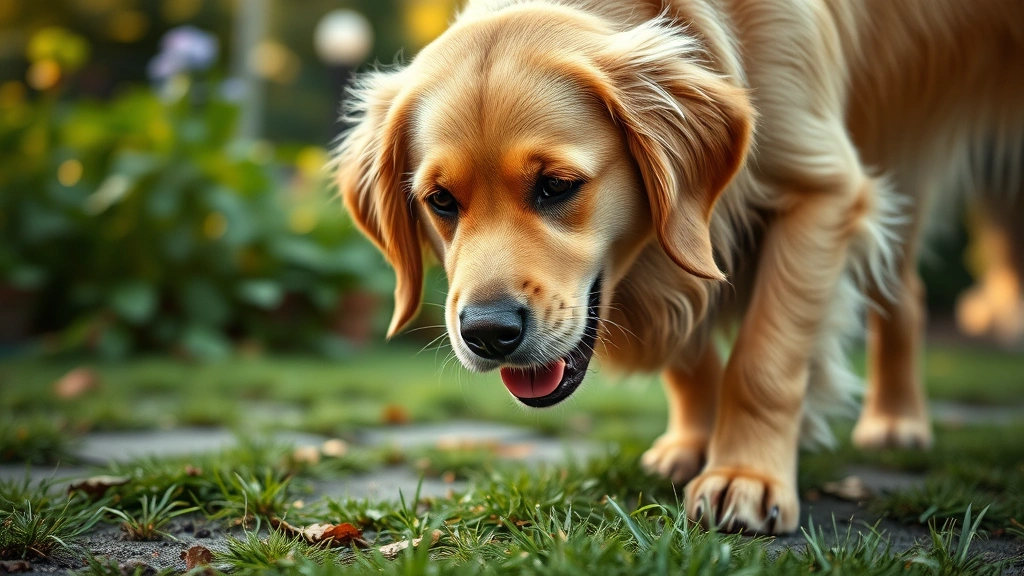
Why Do Dogs Eat Their Vomit? Understanding the Behavior
If you’ve ever witnessed your beloved dog eating their own vomit, you probably felt a mix of disgust and concern. It’s one of those canine behaviors that leaves pet parents scratching their heads and wondering if something is seriously wrong with their furry friend. The good news? This behavior, while unpleasant, is actually quite common among dogs and usually isn’t a sign of a major health crisis. However, understanding why dogs engage in this behavior can help you determine whether it’s normal dog antics or a signal that your pup needs veterinary attention.
Dogs have some pretty quirky habits that seem to defy logic from a human perspective. Eating vomit falls into this category of bewildering behaviors that many dog owners encounter at some point in their pet ownership journey. Whether your dog is a puppy still learning about the world or an adult canine companion, this behavior can occur for various reasons ranging from completely benign to potentially concerning.
In this comprehensive guide, we’ll explore the fascinating and somewhat gross world of why dogs eat their vomit. We’ll break down the biological, behavioral, and health-related factors that contribute to this habit, and most importantly, we’ll discuss what you can do about it. By the end of this article, you’ll have a much clearer understanding of your dog’s behavior and know when to contact your veterinarian.
Why Dogs Eat Their Vomit
The behavior of dogs consuming their own vomit is rooted in their evolutionary history and pack instincts. To understand this behavior, we need to look back at dogs’ wild ancestors and how they survived in nature. In the wild, canines would consume whatever food they could find, and wasting any potential nutrition was not an option for survival. This instinct remains hardwired in our domestic dogs today, even though they have regular access to food and don’t need to engage in such survival behaviors.
When a dog vomits, they’re essentially regurgitating food that their body rejected for some reason. From the dog’s perspective, this regurgitated material still contains nutrients and calories. Their instinct tells them that consuming it again might help them extract additional nutrition or prevent waste. This behavior is particularly common in puppies and younger dogs who are still developing their understanding of food and digestion.
Another aspect to consider is that dogs don’t have the same disgust response to bodily functions that humans do. What we find revolting, dogs see as a natural part of their environment. In a multi-dog household, you might notice that dogs are even more likely to eat vomit from other dogs, which further supports the idea that this is driven by instinct rather than any particular preference.
The Nutritional Recycling Theory
One of the most compelling explanations for why dogs eat their vomit relates to nutritional recycling. When food is vomited shortly after being consumed, it hasn’t had much time to be broken down by stomach acid and digestive enzymes. This means the vomited material still contains a significant portion of its original nutritional value. From a biological standpoint, a dog consuming this material is attempting to give their digestive system a second chance at processing the nutrients.
This theory is supported by the observation that dogs are more likely to eat their vomit when it occurs shortly after eating. If vomit sits for an extended period, dogs are less likely to consume it. The fresher the vomit, the more nutritional content it retains, making it a more attractive “meal” from the dog’s instinctual perspective.
Interestingly, this behavior connects to a broader pattern in canine eating habits. Dogs engage in similar behavior related to coprophagy, which is the consumption of feces. If you’re concerned about this related behavior, you might want to learn more about why do dogs eat poop, as the underlying drivers can be similar in some cases.
In wild canines and wolves, this nutritional recycling behavior was actually advantageous. Mother wolves would regurgitate partially digested food for their puppies, and consuming regurgitated material was a normal part of pack dynamics. While our domestic dogs don’t need this behavior for survival, the instinct remains embedded in their genetics.
Health Concerns and Medical Issues
While the occasional vomit-eating incident is usually harmless, repeated vomiting can indicate underlying health issues that need attention. If your dog is vomiting frequently and then consuming the vomit, this pattern itself is the primary concern rather than the eating of the vomit. Chronic vomiting can signal various medical problems ranging from minor to serious.
Common reasons for vomiting in dogs include dietary indiscretion (eating something they shouldn’t), food sensitivities, gastrointestinal infections, parasites, and more serious conditions like pancreatitis or inflammatory bowel disease. If you notice your dog vomiting regularly, it’s important to consult with your veterinarian to rule out underlying health issues. You might also want to explore information about why is my dog throwing up to better understand the potential causes.
Certain types of vomit should be particularly concerning. If your dog is throwing up yellow, this could indicate bile in the vomit, which might suggest bilious vomiting syndrome or other digestive issues. The color and consistency of vomit can provide important clues about what’s happening in your dog’s digestive system.
Additionally, if your dog has a sensitive stomach or is prone to digestive upset, you might consider adjusting their diet. Understanding what to feed dog with diarrhea and related digestive issues can help you support your dog’s gut health and potentially reduce vomiting episodes.

Behavioral and Environmental Factors
Beyond biological explanations, behavioral and environmental factors can influence whether a dog eats their vomit. Stress and anxiety can trigger vomiting in dogs, and a stressed dog might be more likely to consume the vomit as part of their anxiety response. If your dog vomits when you leave for work or during thunderstorms, anxiety might be the underlying cause.
The environment also plays a role. Dogs in multi-pet households might be more likely to eat vomit, especially if there’s competition for resources or food. In these situations, the instinct to consume available nutrition before another pet can access it becomes stronger. This competitive eating behavior is a holdover from pack dynamics and resource scarcity in wild canines.
Boredom and lack of mental stimulation can also contribute to unusual eating behaviors in dogs. A dog that’s understimulated might engage in more exploratory eating behaviors, including consuming vomit. Providing appropriate enrichment and keeping your dog mentally engaged can help reduce the likelihood of this behavior.
Another behavioral consideration is learned behavior. If a dog has eaten their vomit once without negative consequences, they might repeat the behavior. Additionally, if they’ve observed another dog eating vomit, they might mimic this behavior. This is similar to how dogs might exhibit other unusual eating habits, such as those related to why does my dog eat cat poop, which can sometimes be influenced by environmental factors and learned behaviors.
Prevention Strategies and Solutions
If your dog frequently eats their vomit and this concerns you, there are several strategies you can employ to prevent or reduce this behavior. The most straightforward approach is to clean up vomit immediately. If you’re present when your dog vomits, remove the vomit quickly before your dog has a chance to consume it. This removes the temptation entirely.
Supervising your dog closely, especially after meals, can help you intervene before they eat vomit. If you notice your dog is about to consume their vomit, redirect their attention with a command like “leave it” or “come.” Consistent training and positive reinforcement when they comply can help establish new behavior patterns.
Addressing the underlying cause of vomiting is crucial. If your dog is vomiting frequently, work with your veterinarian to identify and treat the root cause. This might involve dietary changes, medication, parasite treatment, or other interventions depending on the diagnosis.
Dietary adjustments can be particularly helpful. If your dog has a sensitive stomach or food allergies, switching to a limited ingredient diet or prescription food might reduce vomiting episodes. Additionally, feeding smaller, more frequent meals instead of one large meal can help some dogs digest food more effectively and reduce vomiting.
Environmental management is also important. Reduce stress where possible, provide adequate mental and physical exercise, and ensure your dog has a calm, comfortable space. If you have multiple dogs, monitor their interactions during and after meals to prevent competition-driven behaviors.
In cases where vomiting is related to digestive issues, you might also want to research strategies for how to stop diarrhea in dogs, as dietary and lifestyle modifications that help with diarrhea can also support overall digestive health and reduce vomiting.
When Should You Be Concerned?
While occasional vomit consumption is usually harmless, there are situations where this behavior warrants veterinary attention. If your dog is vomiting frequently, this is the primary concern regardless of whether they eat the vomit. Chronic vomiting can lead to dehydration, electrolyte imbalances, and malnutrition.
Watch for these warning signs:
- Frequent vomiting: More than once or twice per week suggests an underlying issue
- Vomit with blood: Indicates potential internal bleeding or severe gastric irritation
- Lethargy and loss of appetite: Combined with vomiting, these suggest a more serious condition
- Weight loss: Especially if accompanied by vomiting, this can indicate malabsorption or other digestive diseases
- Abdominal pain: Signs include hunching, reluctance to move, or whining
- Dehydration: Check for skin turgor (pinch the skin on the back of the neck; it should snap back quickly)
According to the American Kennel Club, persistent vomiting should always be evaluated by a veterinarian to rule out serious conditions. The ASPCA recommends contacting your vet if your dog vomits more than once in a day or if vomiting is accompanied by other symptoms.
It’s also important to note that certain breeds are predisposed to specific digestive issues. Brachycephalic breeds (flat-faced dogs) are more prone to regurgitation and aspiration, while some breeds have genetic predispositions to conditions like inflammatory bowel disease. If you have a breed known for digestive sensitivity, discuss preventive strategies with your veterinarian.
Don’t hesitate to seek emergency care if your dog:
- Cannot keep any food or water down
- Shows signs of severe abdominal pain
- Has vomit containing foreign objects
- Vomits repeatedly within a short timeframe
- Shows signs of shock (pale gums, rapid heartbeat, weakness)
Frequently Asked Questions
Is it dangerous for dogs to eat their own vomit?
In most cases, eating vomit is not immediately dangerous, especially if it’s fresh. However, if the vomit contains something toxic or if the underlying cause of vomiting is a serious health condition, this could be problematic. The bigger concern is usually what caused the vomiting in the first place rather than the act of eating the vomit itself.
Can eating vomit cause my dog to get sick again?
It’s possible but unlikely. Since the material was just regurgitated from the stomach, it’s not more contaminated than when it was initially consumed. However, if the vomiting was caused by a bacterial infection or virus, consuming the vomit won’t introduce new pathogens. The underlying issue that caused vomiting is the primary concern.
Why is my puppy eating their vomit?
Puppies are more likely to eat their vomit than adult dogs because they’re still learning about their environment and haven’t fully developed their disgust responses. Additionally, puppies’ digestive systems are still maturing, and they may vomit more frequently. This behavior is usually normal and tends to decrease as puppies mature.
How can I stop my dog from eating their vomit?
The most effective strategy is to clean up vomit immediately. Supervise your dog closely, especially after meals, and redirect their attention if they attempt to eat vomit. Addressing the underlying cause of vomiting through veterinary care and dietary adjustments is also important. Consistent training and management can help reduce this behavior.
Should I be worried if my dog eats vomit occasionally?
Occasional vomit consumption in an otherwise healthy dog is usually not a cause for concern. However, if your dog is vomiting frequently, this warrants veterinary evaluation regardless of whether they eat the vomit. Focus on the frequency and cause of vomiting rather than the consumption of vomit itself.
What does it mean if my dog vomits right after eating?
Vomiting immediately after eating can indicate several issues including eating too quickly, food sensitivities, or gastrointestinal problems. Try feeding smaller portions more slowly, using a slow feeder bowl, or feeding smaller meals more frequently. If the problem persists, consult your veterinarian.
Can diet changes help reduce vomiting?
Yes, dietary changes can be very helpful. If your dog has food sensitivities or allergies, switching to a limited ingredient or hypoallergenic diet might reduce vomiting. Additionally, feeding high-quality, easily digestible food in appropriate portions can help. Your veterinarian can recommend the best diet for your dog’s specific needs.
Is eating vomit related to eating poop?
While both behaviors involve consuming material that seems unappetizing to humans, they have different underlying causes. However, they can both stem from instinctual behaviors, nutritional deficiencies, or behavioral issues. If your dog engages in both behaviors, discuss this with your veterinarian to rule out health issues.





