
Why Do Dogs’ Feet Smell Like Fritos? Explained
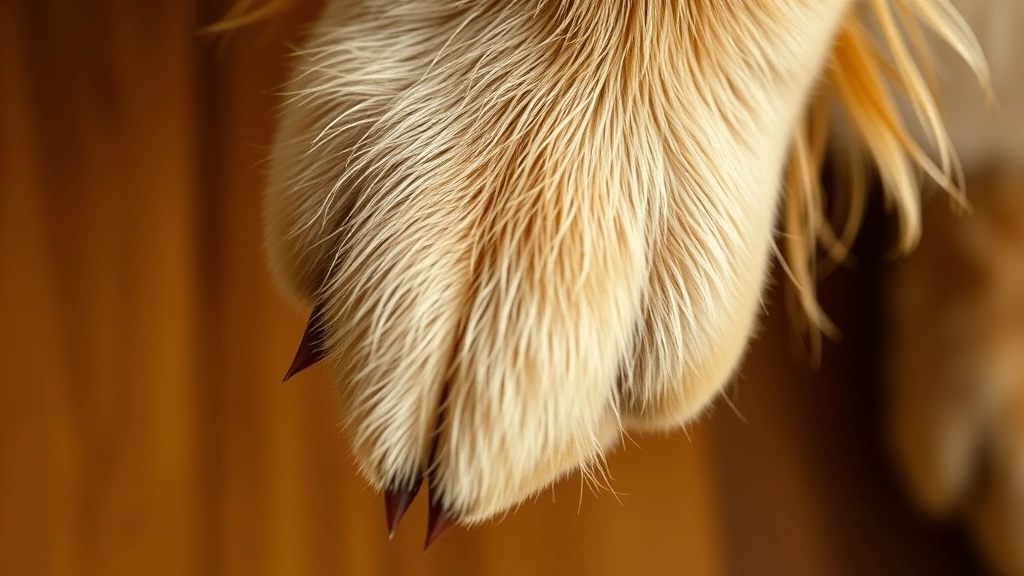
If you’ve ever leaned down to sniff your dog’s paws and caught a whiff of something distinctly corn chip-like, you’re not alone! This quirky phenomenon has puzzled dog owners for years, and the good news is that it’s completely normal and actually has a scientific explanation. That distinctive aroma—often called “Frito Feet” or “corn chip paws”—is one of the most endearing and amusing aspects of dog ownership that rarely gets discussed at the dog park.
The mystery behind this peculiar scent has been the subject of casual conversation among pet owners everywhere, but understanding what causes it can help you better care for your furry friend. Whether you’re curious about your pup’s natural fragrance or concerned about whether it indicates a health issue, we’ve got all the answers you need. Let’s dive into the science behind why your dog’s feet smell like Fritos and what it means for your pet’s wellbeing.
This article will walk you through the bacterial and yeast culprits responsible for this unmistakable smell, help you determine when it might signal a problem, and provide practical tips for keeping your dog’s paws fresh and healthy. By the end, you’ll understand not only the “why” but also the “what to do about it” when it comes to your dog’s aromatic feet.
What Causes the Frito Feet Smell?
The distinctive corn chip smell emanating from your dog’s paws is primarily caused by a combination of naturally occurring bacteria and yeast that live on your dog’s skin. The scientific name for this phenomenon is pseudomonas and proteus bacteria, which thrive in the warm, moist environment that a dog’s paws provide. These microorganisms are completely harmless in normal amounts and are part of your dog’s natural skin flora.
Dogs’ paws are particularly susceptible to harboring these odor-causing microbes because they’re constantly in contact with the ground, moisture, and various environmental elements. The paw pads are also naturally warm and tend to stay slightly moist, creating an ideal breeding ground for bacteria. Additionally, dogs don’t have sweat glands all over their bodies like humans do—instead, they have them concentrated in their paw pads, which means sweat accumulates there more readily.
The corn chip aroma is so distinctive that it has earned the affectionate nickname “Frito Feet” among veterinarians and dog enthusiasts. Some dogs have a stronger Frito smell than others, which can depend on factors like breed, activity level, and individual body chemistry. Interestingly, the smell is often most noticeable after your dog has been sleeping or resting, when the paws have been in a warm, enclosed state for an extended period.
The Role of Bacteria and Yeast
Understanding the specific microorganisms responsible for Frito Feet can help you appreciate just how normal this phenomenon truly is. The primary culprits are Pseudomonas aeruginosa and Proteus bacteria, which are gram-negative bacteria commonly found on dogs’ skin. These bacteria produce organic compounds that create that unmistakable corn chip or tortilla chip smell.
Yeast, particularly Malassezia pachydermatis, also plays a significant role in creating the Frito smell. This yeast naturally colonizes dogs’ skin and is part of their normal microbiome. When present in appropriate amounts, it contributes to the characteristic aroma without causing any harm to your dog. The combination of bacterial and yeast populations creates the perfect storm for that beloved corn chip fragrance.
The reason this smell is so common in dogs is that their skin pH and natural oils create an environment where these microorganisms thrive. Unlike humans, who have a more acidic skin pH that inhibits bacterial growth, dogs have a more neutral pH that allows these organisms to flourish. This is one of the reasons why dogs lick their paws frequently—they’re naturally trying to manage their skin flora.
Research from the American Animal Hospital Association confirms that these bacteria and yeast are part of a healthy dog’s skin ecosystem. The presence of Frito Feet doesn’t necessarily indicate that anything is wrong; it’s simply a sign that your dog’s paws are hosting their normal complement of microorganisms.
Is Frito Feet Normal or a Problem?
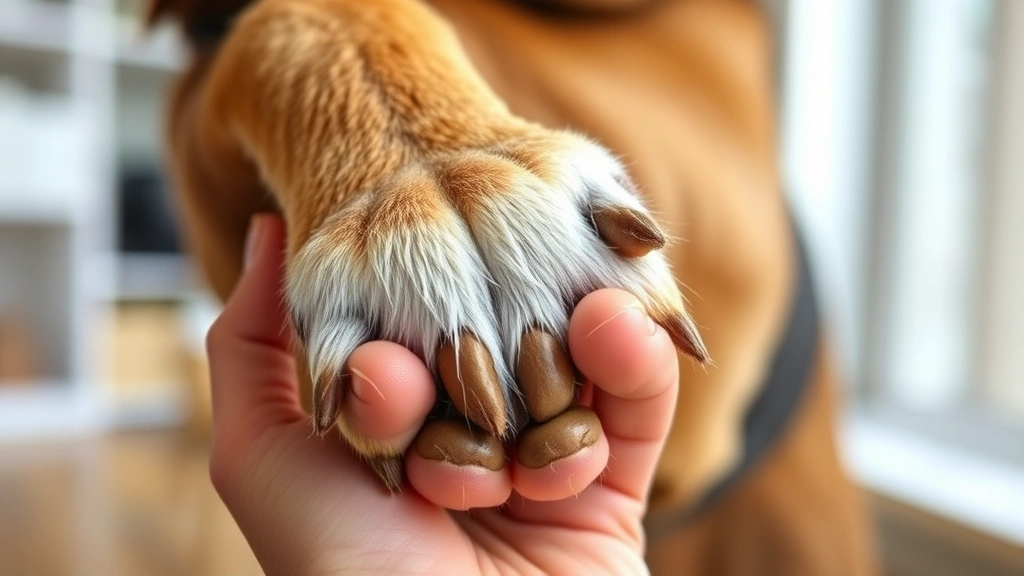
The short answer is that Frito Feet is completely normal in most cases and nothing to worry about. If your dog’s paws smell mildly like corn chips and your dog isn’t showing any signs of distress, excessive licking, or irritation, you can rest assured that this is simply part of being a dog owner. The smell is a quirky feature of canine biology that many pet owners actually find endearing.
However, it’s important to distinguish between normal Frito Feet and a potential sign of a yeast or bacterial overgrowth that requires attention. If the smell is accompanied by other symptoms, it might warrant a visit to your veterinarian. Signs that the odor might indicate a problem include excessive licking or chewing at the paws, redness, swelling, visible discharge, or if the smell becomes overwhelming and unpleasant rather than mildly corn chip-like.
Some dog breeds are more prone to yeast and bacterial overgrowths than others, particularly those with folded skin or those prone to allergies. If you’re concerned about whether your dog’s dog paws smell like fritos excessively, your veterinarian can perform a simple skin cytology to check the levels of bacteria and yeast present.
The ASPCA notes that normal Frito Feet is a benign condition that doesn’t require treatment. The smell typically becomes more noticeable in warm, humid weather when bacteria and yeast reproduction increases due to environmental conditions.
How to Keep Your Dog’s Paws Fresh
While Frito Feet is normal, there are several steps you can take to minimize the odor and keep your dog’s paws as fresh as possible. Regular cleaning is the most effective method for managing paw odor. After outdoor activities, especially in wet or muddy conditions, wipe your dog’s paws with a damp cloth or use pet-safe wipes to remove dirt and excess moisture.
Keeping your dog’s paws dry is crucial for preventing bacterial and yeast overgrowth. Make sure to thoroughly dry between the toes after baths or outdoor play. You can use a soft towel or even a blow dryer on a low setting, though most dogs prefer the towel method. Pay special attention to the spaces between the toes, where moisture tends to accumulate.
Trimming the hair between your dog’s toes can also help reduce moisture retention and improve air circulation around the paws. This is particularly important for dogs with longer hair or those with hair that grows abundantly between the toes. Many groomers can do this as part of a regular grooming appointment, and it’s a simple procedure you can also learn to do at home with proper tools.
If you’re interested in additional ear care as part of your dog’s overall hygiene routine, learning how to clean a dog’s ears can help prevent infections that sometimes correlate with paw issues. Maintaining overall skin health through proper nutrition and hydration also contributes to a healthier skin microbiome.
When to Worry About Paw Odor
While normal Frito Feet is harmless, excessive or foul-smelling odor combined with other symptoms may indicate a problem that requires veterinary attention. If your dog is experiencing any of the following, schedule a visit with your veterinarian: constant licking or chewing at the paws, visible redness or swelling, discharge from between the toes, or an odor that’s particularly strong or unpleasant.
Yeast overgrowth, also known as Malassezia dermatitis, can occur when the normal balance of skin flora is disrupted. This often happens due to allergies, immune system issues, or prolonged moisture exposure. Dogs with yeast infections may also experience itching in other areas like their ears, underarms, or skin folds. If you suspect your dog smells like fritos due to an infection rather than normal flora, your vet can prescribe appropriate treatment.
Bacterial infections can also cause excessive paw odor and are sometimes accompanied by pustules, crusting, or oozing. These conditions typically require antibiotic treatment and should be evaluated by a professional. Additionally, if you notice what fleas look like on dogs or suspect parasites, this could also contribute to paw odor and skin issues that need addressing.
Allergies are another common culprit behind excessive paw odor and licking. Environmental allergies, food allergies, or contact allergies can all cause inflammation and secondary bacterial or yeast overgrowth. Your veterinarian can help identify whether allergies are contributing to your dog’s paw issues and recommend appropriate management strategies.
Prevention and Daily Care Tips
The best approach to managing your dog’s paw health is prevention through consistent daily care. Establish a routine of checking your dog’s paws daily, especially if your dog spends a lot of time outdoors or has a history of paw problems. Look for any signs of redness, swelling, discharge, or excessive odor that might indicate a problem.
Maintain good overall hygiene by bathing your dog regularly with a quality dog shampoo. While you don’t want to over-bathe your dog, which can strip natural oils from the skin, regular baths help control the bacterial and yeast populations on the skin. After baths, make sure to dry your dog thoroughly, paying special attention to the paws.
Consider your dog’s environment and try to minimize their exposure to excessively wet or muddy conditions when possible. If your dog spends a lot of time in humid or damp environments, they may be more prone to excessive bacterial and yeast growth. Providing a dry resting area and limiting time in wet conditions can help.
Nutrition plays an important role in skin health as well. A high-quality diet rich in omega-3 and omega-6 fatty acids supports healthy skin and can help reduce inflammation. If you’re concerned about your dog’s skin health, consult with your veterinarian about whether your current diet is optimal or if supplements might be beneficial.
If your dog is prone to yeast overgrowth, some owners find success with regular paw soaks using diluted apple cider vinegar or specialized antifungal solutions. However, only use products recommended by your veterinarian to avoid irritating your dog’s sensitive paw pads. Some vets recommend antifungal wipes or sprays as preventative measures for dogs with a history of infections.
Understanding why dogs smell like fritos is the first step toward appreciating this quirky aspect of dog ownership. With proper care and attention, you can keep your dog’s paws healthy while enjoying—or at least tolerating—their signature corn chip aroma!
Frequently Asked Questions
Is Frito Feet contagious to humans?
No, Frito Feet is not contagious to humans. The bacteria and yeast responsible for the smell are specific to dogs’ skin and thrive in their unique skin environment. While these organisms exist on human skin as well, they don’t produce the same corn chip smell on human skin, and you cannot “catch” Frito Feet from your dog.
Can I make my dog’s feet smell better?
You can certainly minimize the Frito smell through regular paw cleaning and drying, but completely eliminating it would mean removing the normal bacteria and yeast that live on your dog’s skin—which isn’t healthy or necessary. Instead, focus on maintaining paw hygiene and keeping the smell at a normal level. If the odor becomes excessive, consult your veterinarian.
Do all dogs have Frito Feet?
Most dogs have at least a mild Frito smell, but the intensity varies. Some dogs have a barely noticeable aroma, while others have a more pronounced corn chip smell. Factors like breed, activity level, climate, and individual body chemistry all influence how strong the Frito smell is in any given dog.
Should I be concerned if my dog’s Frito Feet smell suddenly gets worse?
A sudden increase in paw odor could indicate a developing infection or overgrowth that warrants veterinary attention. If the smell suddenly becomes much stronger or is accompanied by other symptoms like licking, redness, or swelling, schedule an appointment with your veterinarian to rule out infection or allergies.
What’s the best way to clean my dog’s paws?
The best method depends on your situation. For daily maintenance, use a damp cloth or pet-safe wipes to gently wipe the paws. After baths or outdoor play in wet conditions, thoroughly dry the paws with a towel, paying special attention to between the toes. For deeper cleaning, you can soak the paws in lukewarm water for a few minutes, then dry thoroughly.
Are there any health conditions associated with Frito Feet?
Normal Frito Feet is not associated with any health conditions. However, excessive odor combined with symptoms like constant licking, redness, or swelling could indicate yeast overgrowth, bacterial infection, or allergies. These conditions do require veterinary attention and treatment.
Can diet affect my dog’s paw odor?
Yes, diet can influence skin health and the microbiome on your dog’s skin. Dogs with allergies to certain foods may experience increased yeast and bacterial growth. Additionally, a diet lacking in essential fatty acids may result in less healthy skin. Consult your veterinarian if you think diet might be contributing to excessive paw odor.





