
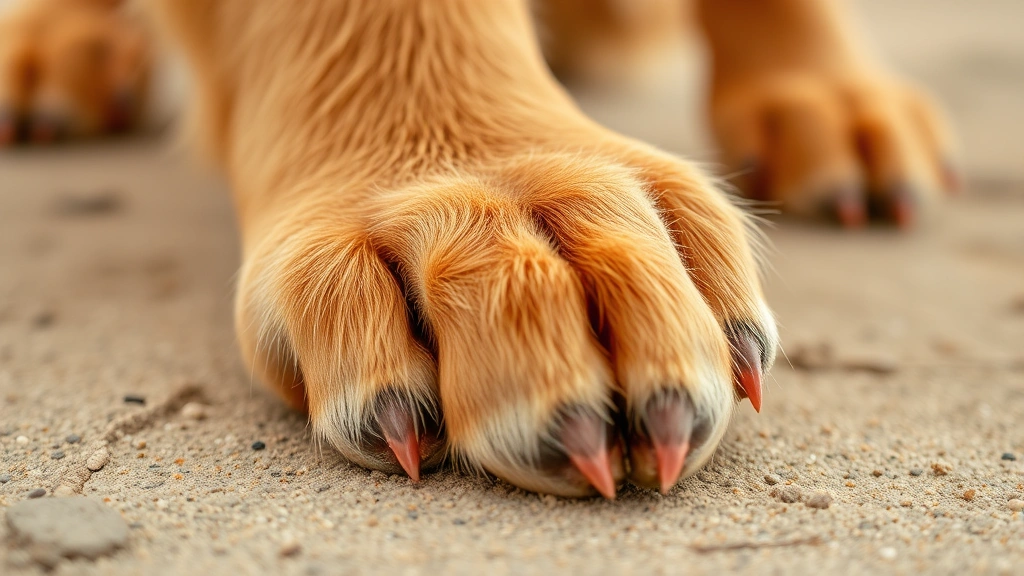
Why Do Dogs’ Feet Smell Like Fritos? The Answer
If you’ve ever leaned down to sniff your dog’s paws and caught a whiff of something distinctly corn chip-like, you’re not alone. This quirky phenomenon has puzzled dog owners for years, and the good news is that there’s actually a scientific explanation behind it. That distinctive Frito-like aroma emanating from your pup’s feet is so common that it has earned its own nickname among veterinarians and dog enthusiasts: “Frito Feet.”
The mystery of why your beloved canine companion smells like a bag of tortilla chips might seem trivial, but understanding this phenomenon can actually tell you a lot about your dog’s health and hygiene. Whether you find the smell endearing or slightly off-putting, learning about the cause will help you determine whether it’s a normal occurrence or a sign that your furry friend needs some extra care.
In this comprehensive guide, we’ll explore the fascinating reasons behind Frito Feet, discuss when it might indicate a health concern, and provide you with practical tips for keeping your dog’s paws fresh and healthy. So let’s dive into the world of canine foot odor!
What is Frito Feet?
Frito Feet is the endearing term used to describe the corn chip or tortilla-like smell that emanates from a dog’s paws. This scent is typically most noticeable when your dog has just woken up from a nap, after playtime, or when their paws are warm and slightly damp. The smell is strongest on the bottom of the paws and between the toes, where moisture and warmth create the perfect environment for odor-producing microorganisms.
Most dog owners describe the smell as pleasant and harmless, reminiscent of warm corn tortillas or the distinctive aroma of Fritos corn chips. It’s important to note that this is a completely normal occurrence in healthy dogs and is not a sign of poor hygiene or disease. In fact, the presence of Frito Feet can actually indicate that your dog’s skin microbiome is functioning as it should.
The phenomenon has become so well-known that it’s now a common topic of discussion among dog lovers on social media, with many owners comparing notes about their own dogs’ unique scent profiles. Some describe it as comforting and nostalgic, while others find it amusing that their pets have their own distinctive fragrance.

The Science Behind the Smell
To understand why your dog’s feet smell like Fritos, we need to look at the unique ecosystem that exists on your dog’s skin. Dogs have a natural microbiome—a community of bacteria, yeast, and other microorganisms—that lives on their skin and helps protect them from harmful pathogens. This microbiome is similar to the one humans have, but it’s different in composition and function.
The primary bacteria responsible for Frito Feet is called Pseudomonas aeruginosa and Proteus, which are naturally occurring bacteria found on most dogs’ skin. These bacteria produce organic compounds that, when combined with the natural oils and sweat on your dog’s paws, create that distinctive corn chip aroma. The smell is essentially a byproduct of normal bacterial metabolism.
Your dog’s paws are particularly prone to this smell because they’re one of the warmest and most moist areas of their body. Dogs don’t have sweat glands distributed across their bodies like humans do; instead, they have sweat glands concentrated primarily in their paw pads. This creates a warm, humid environment that’s ideal for bacterial growth and the production of those characteristic odor compounds.
Bacteria and Yeast: The Real Culprits
While bacteria are the primary source of Frito Feet, yeast also plays a significant role in creating this distinctive scent. The most common yeast found on dog paws is Malassezia pachydermatis, a naturally occurring fungus that lives on the skin of all dogs. Like the bacteria, this yeast produces metabolic byproducts that contribute to the overall corn chip aroma.
The combination of bacteria and yeast creates a complex mixture of volatile organic compounds that our noses perceive as the Frito-like smell. Interestingly, different dogs may have slightly different scent profiles depending on the specific mix of microorganisms on their skin, their diet, and their individual skin chemistry. This is why some owners describe their dogs’ feet as smelling more like corn chips, while others say it’s more like popcorn or warm tortillas.
It’s worth noting that when you notice your dog licking their paws frequently, the moisture from saliva can intensify the bacterial and yeast growth, potentially making the Frito smell more pronounced. The paws provide an optimal environment for these microorganisms to thrive, and the combination of sweat, moisture, and warmth creates the perfect conditions for odor production.
Normal Frito Feet vs. When to Worry
In most cases, Frito Feet is completely harmless and requires no treatment. However, it’s important to distinguish between normal, healthy Frito Feet and a sign of an underlying health issue. Normal Frito Feet should be mild and not accompanied by any other symptoms. Your dog’s paws should look healthy, without excessive redness, swelling, or discharge.
You should be concerned if the smell becomes overpowering or is accompanied by any of the following signs:
- Excessive redness or inflammation of the paws
- Constant licking or chewing at the feet
- Visible discharge or crusty buildup between the toes
- Swelling or heat in the paw area
- Signs of pain when walking or touching the paws
- Hair loss around the paws or between the toes
These symptoms could indicate a yeast infection, bacterial infection, or other dermatological condition that requires veterinary attention. Additionally, if your dog develops a strong, unpleasant odor that extends beyond just the paws, or if the smell is accompanied by itching elsewhere on the body, it’s time to schedule a vet visit.
Learn more about identifying potential health issues by exploring our guide on why dogs smell like Fritos in general, which covers the broader spectrum of canine odor concerns. If you’re noticing the scent is concentrated specifically in the paw area, our article on why dog paws smell like Fritos provides more targeted information.
Prevention and Care Tips
While Frito Feet is normal and not something you need to eliminate entirely, there are several ways to keep your dog’s paws clean and healthy, which can help minimize excessive odor if desired.
Regular Paw Washing: One of the most effective ways to manage paw odor is to wash your dog’s feet regularly, especially after outdoor activities. Use warm water and a gentle dog-safe soap, and make sure to dry the paws thoroughly, particularly between the toes. Pay special attention to the webbing between the toes, where moisture tends to accumulate.
Trimming and Grooming: Keep the hair between your dog’s toes trimmed short. This helps reduce moisture retention and allows air to circulate more freely. Regular grooming also helps you spot any potential issues like infections or parasites early on.
Moisture Management: Try to keep your dog’s paws as dry as possible. After walks, especially in wet conditions, wipe your dog’s paws with a clean towel. Consider using paw wipes designed specifically for dogs, which can help remove dirt and excess moisture.
Dietary Considerations: A healthy diet rich in omega-3 fatty acids can support your dog’s skin health and potentially reduce excessive bacterial or yeast growth. Consult your veterinarian about whether dietary supplements might benefit your dog’s skin and coat.
For more information on maintaining your dog’s overall hygiene, check out our comprehensive guide on how to clean a dog’s ears, which discusses broader grooming practices that support overall skin health.
Health Implications and Warning Signs
Understanding the difference between normal Frito Feet and a potential health concern is crucial for responsible pet ownership. While the smell itself is harmless, an increase in odor intensity or changes in your dog’s paw condition could indicate an underlying issue.
Yeast Infections: If your dog develops a yeast infection, you might notice an increase in the Frito smell, along with redness, itching, and possibly a greasy or waxy appearance to the skin. Yeast infections are more common in dogs with allergies, those living in humid climates, or those with compromised immune systems. According to the American Kennel Club, yeast infections can be effectively treated with antifungal medications prescribed by your veterinarian.
Bacterial Infections: Bacterial overgrowth can occur when there’s an imbalance in your dog’s skin microbiome. This might result from excessive moisture, allergies, or other underlying health conditions. If you suspect a bacterial infection, your vet can perform a culture to identify the specific bacteria and prescribe appropriate antibiotics.
Allergies: Dogs with allergies often experience increased itching and licking of their paws, which can lead to secondary bacterial or yeast infections. If your dog is constantly licking their paws and you’re noticing an unusually strong odor, allergies might be the culprit. The ASPCA provides extensive information about recognizing and managing canine allergies.
When examining your dog’s paws, also check for signs of parasites. Our article on what fleas look like on dogs can help you identify potential pest infestations that might contribute to paw problems.
If you’re concerned about whether your dog’s paw odor is normal, consult your veterinarian. They can examine your dog’s paws and skin, take samples if needed, and determine whether treatment is necessary. Regular veterinary check-ups are an important part of maintaining your dog’s overall health.
According to veterinary dermatology research published in peer-reviewed journals, most cases of Frito Feet are benign and require no intervention. However, chronic paw licking, excessive odor, or visible skin changes warrant professional evaluation. Your vet can differentiate between normal microbiota and pathogenic organisms that require treatment.
For additional information about your dog’s overall health and wellness, the UC Davis School of Veterinary Medicine offers evidence-based resources on canine dermatology and common skin conditions.
Frequently Asked Questions
Is Frito Feet a sign of infection?
Not necessarily. In most cases, Frito Feet is a completely normal occurrence caused by naturally occurring bacteria and yeast on your dog’s skin. However, if the smell is accompanied by redness, swelling, excessive licking, or discharge, it could indicate an infection that requires veterinary attention.
Can I make my dog’s feet smell better?
While you can’t completely eliminate the smell—nor should you want to, since it indicates a healthy microbiome—you can minimize it through regular paw washing and drying, keeping the hair between toes trimmed, and maintaining overall paw hygiene. Most dog owners find the smell endearing rather than unpleasant.
Do all dogs have Frito Feet?
Most dogs have some level of Frito Feet, though the intensity varies. Factors like breed, diet, climate, and individual skin chemistry all influence how pronounced the smell is. Some dogs may have a very subtle scent, while others have a more noticeable corn chip aroma.
Why does the smell seem stronger sometimes?
The Frito smell is often more noticeable when your dog’s paws are warm and slightly damp, such as after waking up from a nap or after playtime. Increased moisture and warmth enhance bacterial metabolism and the production of odor compounds.
Should I be worried if my dog’s paw smell changes?
A sudden change in the intensity or character of your dog’s paw odor could indicate a change in their skin microbiome, possibly due to infection, allergies, or other health issues. If you notice a significant change, it’s worth mentioning to your veterinarian.
Can diet affect Frito Feet?
Yes, diet can influence your dog’s skin health and the composition of their skin microbiome. A high-quality diet rich in omega-3 fatty acids and essential nutrients supports healthy skin and can potentially help maintain a balanced microbiome. Some dogs may experience changes in paw odor when their diet changes.
Is it safe to use human foot products on my dog’s paws?
No, you should avoid using human foot products on your dog’s paws. Stick to products specifically formulated for dogs, as human products may contain ingredients that are irritating or toxic to canine skin. Always consult your veterinarian before using any new products on your dog.
Do puppies have Frito Feet?
Yes, puppies can have Frito Feet just like adult dogs. The smell is caused by naturally occurring microorganisms, which are present on puppies’ skin as well. This is completely normal and not a cause for concern.





