

Why Does My Female Dog Smell Like Fish? Explained
If you’ve noticed your female dog emitting a distinctly fishy odor, you’re not alone. Many dog owners find themselves puzzled by this unusual smell, especially when they can’t quite pinpoint where it’s coming from. The good news is that this is a common issue with identifiable causes, and in most cases, it’s entirely treatable.
A fishy smell in female dogs typically signals an underlying health issue that deserves attention. Rather than being a minor cosmetic concern, this odor often indicates that your beloved companion needs some veterinary care or hygiene adjustments. Understanding the root cause is the first step toward eliminating the problem and keeping your dog healthy and fresh-smelling.
In this comprehensive guide, we’ll explore the various reasons why your female dog smells like fish, what each cause means for her health, and most importantly, how you can help her feel better and smell fresher.
Anal Gland Issues: The Primary Culprit
The most common reason your female dog smells like fish is related to her anal glands. These small sacs, located on either side of your dog’s anus, produce a pungent secretion that dogs naturally use to mark territory and communicate with other dogs. When these glands become impacted, infected, or inflamed, they release an intensely fishy odor.
Anal gland problems are particularly common in female dogs and can develop for several reasons. Poor diet, lack of fiber, obesity, or underlying allergies can all contribute to anal gland dysfunction. When the glands don’t empty naturally during bowel movements, the fluid builds up and becomes increasingly malodorous. This situation requires intervention, as impacted anal glands can lead to infection and considerable discomfort for your pet.
You might notice your dog scooting her rear end across the floor, licking or biting at her hindquarters excessively, or showing signs of discomfort when sitting. These are classic indicators of anal gland issues. If you observe these behaviors alongside the fishy smell, it’s time to schedule a veterinary appointment. Your vet can manually express the glands, which typically provides immediate relief and eliminates the odor.
To understand more about this issue and other reasons behind fish-like odors, check out our detailed article on why your dog smells like fish. This resource covers additional causes you might not have considered.
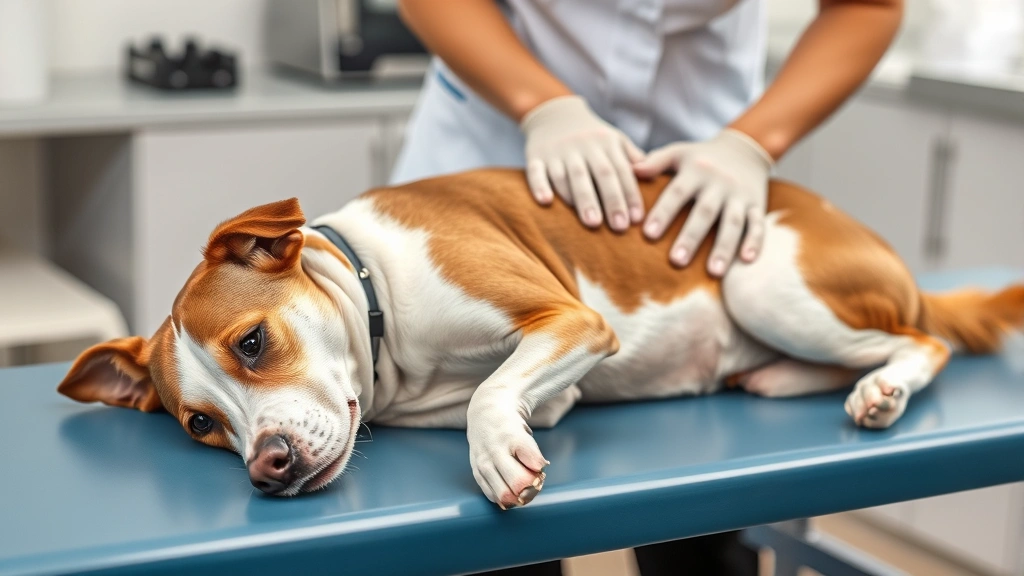
Vaginal and Urinary Tract Infections
Female dogs are susceptible to vaginal infections and urinary tract infections (UTIs) that can produce a distinctly fishy smell. These infections occur when bacteria colonize the urinary tract or vaginal area, leading to inflammation and discharge with an unpleasant odor. Unlike anal gland issues, these infections often come with additional symptoms.
Signs of a vaginal or urinary tract infection include frequent urination, difficulty urinating, increased licking of the genital area, and sometimes bloody or cloudy urine. Your dog might also display behavioral changes such as increased anxiety or accidents in the house. If your female dog is experiencing any combination of these symptoms along with a fishy odor, a urinalysis from your veterinarian can confirm the diagnosis.
These infections are treatable with antibiotics prescribed by your vet, and most dogs respond well to treatment within a few days. However, some female dogs are prone to recurrent infections, which might indicate an underlying health condition worth investigating. Your veterinarian can help determine if your dog needs additional diagnostic testing or preventative measures.
It’s worth noting that female dogs have periods as part of their reproductive cycle, and during estrus, they may have a stronger odor. However, a pronounced fishy smell is typically abnormal and warrants veterinary attention even during these natural cycles.
Skin Infections and Yeast Overgrowth
Skin infections, particularly those caused by yeast or bacteria, can also produce fishy odors in female dogs. Yeast overgrowth often occurs in warm, moist areas of the skin, such as between the toes, in skin folds, or in the ear canals. When yeast proliferates, it releases compounds that create that distinctive fishy smell.
Dogs with allergies—whether food-related, environmental, or contact allergies—are particularly prone to secondary yeast infections. The allergic response compromises the skin barrier, allowing yeast and bacteria to flourish. You might notice your dog scratching excessively, experiencing hair loss, or developing red, inflamed patches of skin in addition to the fishy odor.
Yeast infections are often accompanied by a musty or corn-chip-like smell, though some dogs develop the fishy odor associated with bacterial skin infections. Bacterial skin infections can occur secondary to allergies, parasites, or poor grooming. Your veterinarian can take skin scrapings or fungal cultures to identify the specific organism causing the problem and recommend appropriate treatment.
If your dog is experiencing itching and skin issues, you might also want to learn about what causes hot spots on dogs, as these painful skin lesions often develop alongside yeast and bacterial infections.

Dental and Oral Health Problems
While less common than anal gland issues, poor dental health can contribute to a fishy smell in dogs. When bacteria accumulate in the mouth due to plaque and tartar buildup, they can produce odors that seem to emanate from your dog’s entire body. Additionally, some dogs develop oral infections or abscessed teeth that create particularly foul-smelling breath.
If your dog’s fishy smell seems concentrated around the mouth or if your dog’s breath smells like fish, dental problems might be the underlying cause. Other signs of dental disease include difficulty eating, drooling, swollen or red gums, and visible tartar on the teeth.
Regular dental care, including professional cleanings performed by your veterinarian, can prevent many oral health issues. Brushing your dog’s teeth daily and providing dental chews can help maintain oral hygiene between professional cleanings. If your dog already has significant tartar buildup or signs of infection, your vet might recommend a professional cleaning under anesthesia.
Dietary Factors and Fish-Based Foods
Interestingly, diet can play a role in creating fishy odors in dogs. Dogs fed fish-based commercial foods or those receiving fish oil supplements may naturally have a stronger fish-like smell. While this isn’t necessarily harmful, some owners find the odor overwhelming. Additionally, some fish-based diets can trigger or exacerbate yeast infections in susceptible dogs, indirectly causing the problem.
If your dog’s fishy smell coincided with a diet change to fish-based food, consider whether the timing aligns. Some dogs also have sensitivities to fish proteins that manifest as skin issues or digestive problems, which can secondarily cause odors. Discussing dietary options with your veterinarian can help you determine if a different protein source might be more suitable for your dog.
Low-quality commercial diets lacking proper fiber content can also contribute to anal gland problems, which we discussed earlier. Ensuring your dog receives a balanced, high-quality diet with adequate fiber can help prevent many odor-related issues. Your veterinarian can recommend appropriate food options based on your dog’s specific needs and health status.
When to Contact Your Veterinarian
While some fishy smells might be manageable with home care, certain situations require professional veterinary attention. You should schedule an appointment if your dog displays any of the following: persistent fishy odor lasting more than a few days, scooting or excessive licking of the rear end, signs of a urinary tract infection, visible skin infections or hot spots, or any behavioral changes accompanying the smell.
Additionally, if your dog is an older senior dog or has underlying health conditions, fishy odors should be taken more seriously. These dogs are more susceptible to infections and complications. Your veterinarian can perform a thorough examination, run diagnostic tests if necessary, and recommend appropriate treatment.
Don’t delay seeking veterinary care if you suspect an infection. Untreated infections can worsen and potentially lead to more serious health complications. Your vet can also provide guidance on how to get rid of dog smell through appropriate treatment and management strategies specific to your dog’s situation.
Prevention and Maintenance Tips
Preventing fishy odors in female dogs involves maintaining proper hygiene and health practices. Regular bathing with a quality dog shampoo helps keep the skin clean and reduces the risk of yeast and bacterial overgrowth. However, avoid over-bathing, as this can strip natural oils from the skin and trigger issues.
Maintaining proper ear hygiene is also important, as ear infections can contribute to overall body odor. Learn the proper techniques for how to clean your dog’s ears to prevent infections and keep them fresh. Clean ears not only prevent odor but also reduce the risk of painful ear infections.
Feeding a high-quality diet with adequate fiber supports digestive health and proper anal gland function. Ensure your dog maintains a healthy weight, as obesity increases the risk of anal gland problems and skin infections. Regular exercise and mental stimulation also contribute to overall health and immune function.
Schedule regular veterinary checkups—typically annually for younger dogs and twice yearly for senior dogs—to catch potential health issues early. Your vet can perform professional cleanings and provide preventative care that helps avoid many common problems.
Keep your dog’s bedding clean and wash it regularly to reduce bacterial and yeast growth. If your dog spends time outdoors, rinse her paws and underbelly after outdoor activities, as dirt and moisture can promote bacterial and yeast growth.
Frequently Asked Questions
Is the fishy smell in female dogs always a sign of a serious health problem?
Not necessarily. While a fishy smell usually indicates that something needs attention, it’s not always a sign of a serious condition. Anal gland impaction, for example, is very common and easily treatable. However, you should never ignore the smell, as it often indicates an issue that requires intervention.
Can I express my dog’s anal glands myself at home?
While some experienced dog owners learn to express anal glands at home, it’s generally recommended to have your veterinarian or a professional groomer handle this task. Improper technique can injure your dog or fail to fully empty the glands. Your vet can teach you the proper technique if you want to learn for future maintenance.
How long does it take to resolve a fishy odor issue?
The timeline depends on the underlying cause. Anal gland expression provides immediate relief. Infections treated with antibiotics typically improve within three to seven days. Yeast infections might take several weeks of treatment to fully resolve. Your veterinarian can give you a more specific timeline based on your dog’s diagnosis.
Can diet alone fix the fishy smell problem?
Diet can help prevent some causes of fishy odors, particularly those related to anal gland dysfunction and yeast infections. However, if an infection is already present, dietary changes alone won’t cure it. Diet works best as a preventative measure alongside appropriate veterinary treatment when needed.
Is a fishy smell more common in spayed or unspayed female dogs?
Fishy smells occur in both spayed and unspayed female dogs, though the causes might differ. Unspayed dogs might experience hormonal influences on bacterial growth, while spayed dogs might have different risk factors. The smell itself isn’t directly caused by spay status but rather by the underlying health conditions we’ve discussed.
What’s the difference between normal dog odor and a fishy smell?
Normal dog odor is a mild, generally inoffensive smell that varies between individual dogs. A fishy smell is distinctly pungent, often described as unpleasant, and typically indicates an underlying issue. If you’re questioning whether your dog’s smell is normal, it’s probably worth a veterinary checkup.





