
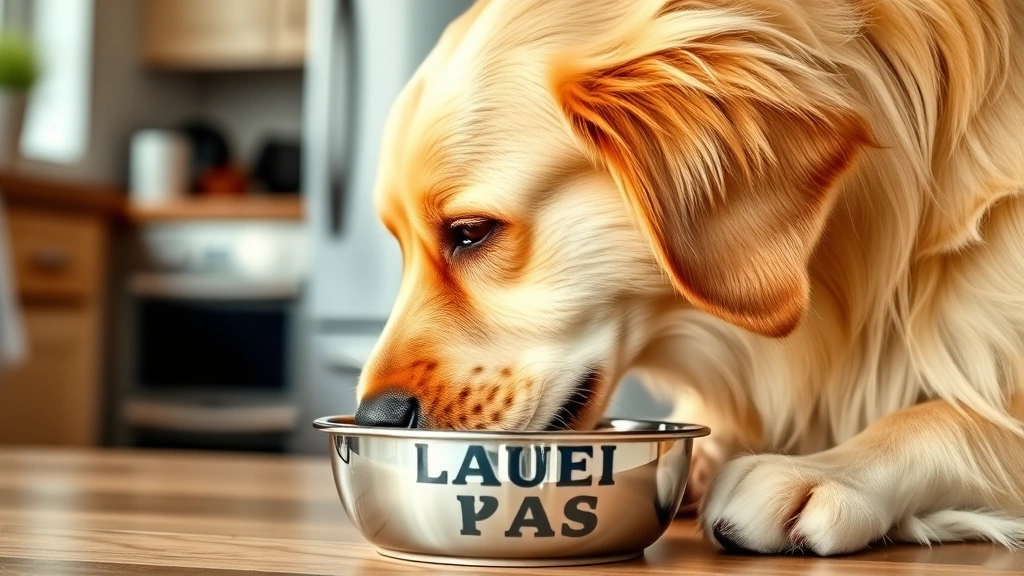
Why Is My Dog Always Hungry? Vet Insights
If you’ve ever looked into your dog’s eyes while they’re staring at your dinner plate, you know that look—the one that says they haven’t eaten in weeks, even though you fed them just a few hours ago. Constant hunger in dogs is one of the most common concerns pet owners bring to their veterinarians, and for good reason. A dog that seems perpetually hungry can be frustrating, confusing, and sometimes worrying. But what’s actually going on behind those pleading puppy dog eyes?
The truth is, there are numerous reasons why your dog might always seem hungry. Some are completely benign and related to breed tendencies or personality quirks, while others could signal underlying health issues that deserve professional attention. Understanding the difference between normal canine appetite and problematic excessive hunger is crucial for keeping your furry friend healthy and happy.
In this comprehensive guide, we’ll explore the various reasons your dog might be constantly hungry, what veterinarians look for when addressing this concern, and practical strategies to help manage your pup’s appetite. Whether you’re dealing with a naturally food-motivated breed or suspect something more serious is happening, this article will help you understand your dog’s behavior and determine when it’s time to call your vet.
Normal vs. Abnormal Dog Appetite
Before you can address your dog’s hunger, it’s important to establish whether their appetite is actually abnormal or just feels that way. Dogs are naturally enthusiastic about food—it’s part of their evolutionary heritage. In the wild, dogs and their ancestors never knew when their next meal would come, so they developed a strong drive to eat whenever food was available. This instinct remains hardwired in our modern pets.
A normal, healthy dog should eat their meals and then move on, showing interest in food at regular feeding times but not constantly begging or scavenging. They might enjoy treats and show excitement during meal preparation, but this shouldn’t dominate their day. According to the American Kennel Club, most adult dogs do well on one to two meals per day, with the amount depending on their age, size, and activity level.
Abnormal hunger, or what veterinarians call polyphagia, is characterized by a persistent, seemingly insatiable desire to eat that goes beyond normal begging behavior. Dogs experiencing true excessive hunger may:
- Eat their meals extremely quickly and then immediately search for more food
- Steal food from counters or trash cans with increased frequency
- Beg constantly throughout the day, even shortly after eating
- Show signs of weight gain despite regular exercise
- Display anxiety or distress when food isn’t available
- Attempt to eat non-food items (pica)
Understanding how much food you should feed your dog is essential for determining if excessive hunger is actually a sign of underfeeding or something else entirely. Many owners inadvertently underfeed their dogs or provide poor-quality food that doesn’t satisfy nutritional needs.

Medical Causes of Excessive Hunger
When a dog suddenly develops an increased appetite or has always seemed excessively hungry, medical causes should be your first consideration. Several health conditions can trigger polyphagia, and identifying them early can prevent serious complications.
Diabetes mellitus is one of the most common medical causes of excessive hunger in dogs. When a dog has diabetes, their body cannot properly regulate blood sugar levels. Even though they’re eating, their cells aren’t receiving adequate glucose, which triggers a constant hunger signal. Diabetic dogs often eat more but lose weight, and they typically drink more water and urinate more frequently. The ASPCA provides detailed information about canine diabetes, including signs and management strategies.
Hyperthyroidism, though more common in cats, can occur in dogs and causes an accelerated metabolism that demands more calories. Dogs with this condition eat more to try to meet their body’s increased energy needs. Other signs include weight loss despite increased appetite, restlessness, and increased water consumption.
Parasitic infections can cause dogs to seem constantly hungry because parasites consume nutrients before the dog’s body can absorb them. Internal parasites like roundworms, hookworms, and tapeworms are particularly problematic in puppies and can lead to malnutrition despite adequate food intake. Intestinal parasites may also cause diarrhea or soft stools, which relates to concerns about what to feed a dog with diarrhea.
Inflammatory bowel disease (IBD) and other gastrointestinal conditions prevent proper nutrient absorption. Dogs with IBD might eat normally or even excessively but fail to maintain weight because their digestive system isn’t efficiently absorbing nutrients. These conditions often cause chronic diarrhea, vomiting, or both.
Cushings syndrome (hyperadrenocorticism) causes excessive cortisol production, which can increase appetite significantly. Dogs with this condition often have a pot-bellied appearance, hair loss, and increased thirst and urination alongside their increased hunger.
Exocrine pancreatic insufficiency (EPI) occurs when the pancreas doesn’t produce enough digestive enzymes. Dogs with EPI eat voraciously but lose weight because they can’t properly digest their food. This condition is more common in certain breeds like German Shepherds.
Other medical causes include food allergies or sensitivities that cause digestive discomfort, certain medications that increase appetite as a side effect, and various metabolic disorders. This is why consulting with your veterinarian is crucial when your dog’s appetite suddenly changes or seems abnormally high.

Behavioral and Environmental Factors
Not all cases of excessive hunger stem from medical issues. Behavioral and environmental factors play a significant role in how hungry your dog seems and actually is.
Boredom and anxiety are powerful drivers of food-seeking behavior in dogs. Dogs that don’t receive adequate mental stimulation or physical exercise often turn to food as entertainment or comfort. A bored dog will spend more time thinking about food, begging more persistently, and may even develop obsessive eating behaviors. Similarly, anxious dogs sometimes use eating as a coping mechanism for stress.
Poor diet quality is another major factor. Low-quality commercial dog foods with excessive fillers and insufficient protein may leave your dog feeling unsatisfied despite consuming adequate calories. Your dog’s body isn’t receiving proper nutrition, so hunger signals persist. Look for foods with high-quality protein sources and minimal artificial additives.
Insufficient feeding frequency can make some dogs feel hungry more often. While most adult dogs do well on one to two meals daily, some individuals benefit from smaller, more frequent meals. Puppies and senior dogs in particular may do better with multiple smaller meals rather than one large meal.
Environmental cues and learned behavior shape your dog’s eating habits significantly. If your dog has learned that persistent begging eventually results in treats or table scraps, they’ll continue begging. Dogs are remarkably intelligent and quickly learn which behaviors get them what they want. Additionally, if your dog sees other family members eating frequently or has access to food at all times, they may become more food-focused.
Overfeeding and treat overload is surprisingly common. Many owners don’t realize how many calories they’re providing through treats, table scraps, and “training rewards.” These can easily exceed 10-20% of a dog’s daily caloric intake, leading to constant hunger and weight gain. Understanding how much your dog should eat includes accounting for all food sources, not just their main meals.
Attention-seeking behavior shouldn’t be overlooked. Some dogs have learned that food-related behaviors—begging, stealing, or appearing hungry—get them attention from their owners. Even negative attention (scolding) reinforces the behavior. These dogs may not actually be hungry but are seeking interaction and engagement.
Breed Considerations
Certain dog breeds have been selectively bred to have naturally stronger food motivation and appetites. Understanding your dog’s breed tendencies can help you determine if their hunger is typical for their genetics or potentially problematic.
Labrador Retrievers are famous for their insatiable appetites and are often cited as the poster breed for food motivation. This trait developed because Labs were originally bred to retrieve game in harsh conditions, requiring them to eat whenever food was available. Modern Labs retain this genetic predisposition, making them prone to overeating and obesity if not carefully managed.
Beagles are similarly food-driven, having been bred as scent hounds to hunt rabbits. Their hunting heritage means they’re motivated to seek out and consume food, which can make them seem constantly hungry.
Cocker Spaniels, Golden Retrievers, and other retriever breeds also tend toward food motivation. These breeds require particularly careful portion control and regular exercise to prevent weight issues.
Smaller breeds like Dachshunds and Corgis may seem less food-motivated than larger breeds but are equally prone to obesity if overfed. Their smaller size means calories add up quickly, and they require less food than owners often provide.
Conversely, some breeds like Afghan Hounds and some sighthounds tend to be pickier eaters naturally. If your dog from one of these breeds is suddenly eating excessively, it’s more likely to indicate an actual problem requiring veterinary attention.
Management Strategies
Once you’ve determined that your dog’s hunger isn’t medically based, several practical strategies can help manage their appetite and reduce constant begging.
Measure portions carefully. Use a measuring cup to portion your dog’s meals rather than eyeballing amounts. Many owners inadvertently overfeed their dogs because they don’t measure accurately. Compare your dog’s current intake with breed and size guidelines from your veterinarian.
Choose high-quality, nutrient-dense food. Premium dog foods with high protein content and quality ingredients tend to satisfy dogs better than low-quality alternatives. Your dog will feel fuller longer and may naturally seem less hungry.
Implement scheduled feeding times. Instead of leaving food available all day (free-feeding), establish set meal times. This creates structure and helps your dog learn when to expect food. Most adult dogs thrive on two meals daily, spaced about 12 hours apart.
Use puzzle feeders and slow feeders. Dogs that eat too quickly often want more food shortly after finishing. Puzzle feeders and slow-feed bowls make eating take longer, increasing satiety and reducing the perception of hunger. These also provide mental stimulation.
Increase exercise and mental enrichment. A tired dog is a satisfied dog. Regular physical activity and mental stimulation through training, games, and interactive toys reduce boredom-related food seeking. Aim for at least 30 minutes of exercise daily, more for high-energy breeds.
Establish strict begging boundaries. Never reward begging with food or attention. When your dog begs, ignore them completely or redirect them to a different activity. This breaks the learned association between begging and rewards.
Provide healthy, low-calorie treats. If you want to give treats, choose options like carrots, green beans, or low-calorie training treats. Limit treats to 10% of daily caloric intake. Consider whether your dog might benefit from alternatives to traditional treats that might affect their hunger perception.
Secure food sources. Keep trash cans, counters, and pantries secured so your dog can’t access food independently. Remove temptation and prevent reinforcement of scavenging behaviors.
Consider meal-based training rewards. Instead of giving extra treats, use portions of your dog’s regular meal for training rewards. This keeps overall caloric intake consistent while still allowing for positive reinforcement training.
Address underlying anxiety or boredom. If behavioral issues contribute to excessive food seeking, work on addressing the root cause. This might involve more exercise, training, environmental enrichment, or in some cases, consultation with a professional dog trainer or veterinary behaviorist.
When to See Your Veterinarian
While many cases of apparent excessive hunger can be managed behaviorally, certain situations warrant immediate veterinary attention. Your dog’s health and well-being depend on recognizing when professional help is needed.
Schedule a veterinary appointment if your dog:
- Suddenly develops increased appetite without lifestyle changes
- Eats more than usual but is losing weight
- Shows increased thirst and urination alongside increased hunger
- Has a distended or bloated abdomen despite eating normally
- Shows signs of digestive distress like chronic diarrhea or vomiting
- Is a senior dog and appetite changes have occurred
- Has been eating non-food items (pica)
- Shows behavioral changes alongside appetite changes
- Is a breed predisposed to certain conditions like diabetes
During your veterinary visit, be prepared to provide detailed information about:
- When the increased appetite started
- How much your dog currently eats daily
- Your dog’s weight history
- Any recent weight changes
- Other symptoms you’ve noticed
- Your dog’s current diet brand and type
- Any recent medication changes
- Your dog’s exercise level
Your veterinarian will likely perform a physical examination and may recommend blood work, urinalysis, or fecal testing to rule out medical causes. Understanding how long a dog can go without eating provides context for how important proper nutrition is, but this is different from addressing why your dog always seems hungry.
If parasites are suspected, your vet may recommend deworming even if fecal tests are negative, as parasites aren’t always detected on the first test. For conditions like diabetes or Cushings syndrome, your vet will discuss treatment options and management strategies specific to your dog’s needs.
Frequently Asked Questions
Is it normal for my dog to always want food?
Dogs are naturally food-motivated, especially certain breeds, but constant food-seeking behavior isn’t necessarily normal. Most healthy dogs eat their meals and then go about their day without obsessing about food. If your dog seems constantly hungry despite eating regular meals, it warrants investigation into either medical causes or behavioral management strategies.
Could my dog’s hunger be related to anxiety?
Yes, absolutely. Anxiety and stress can trigger excessive eating in dogs, much like in humans. If your dog shows other signs of anxiety like panting, pacing, destructive behavior, or excessive barking, particularly around mealtimes or when you leave the house, anxiety might be contributing to their food-seeking behavior. Working with a trainer or veterinary behaviorist can help address underlying anxiety.
How do I know if my dog is eating the right amount?
Your dog’s body condition is the best indicator. You should be able to feel their ribs easily with gentle pressure but not see them prominently. When viewed from above, your dog should have a visible waist. Most commercial dog foods include feeding guidelines based on weight, but individual dogs vary. Your veterinarian can provide specific recommendations for your dog’s ideal caloric intake.
What’s the difference between hunger and food motivation?
Hunger is a physiological need for nutrients and calories, while food motivation is a behavioral drive. A food-motivated dog might not actually be hungry but is driven by habit, learned behavior, or breed tendency to seek food. Understanding this distinction helps you determine whether your dog needs more food or better management strategies.
Can changing my dog’s food help with excessive hunger?
Yes, sometimes. Higher-quality foods with better nutritional profiles and higher protein content can increase satiety, making your dog feel fuller longer. If your current food is low-quality or poorly suited to your dog’s needs, switching to a better option might help. However, ensure any dietary changes happen gradually over 7-10 days to avoid digestive upset.
Is free-feeding or scheduled feeding better?
For most dogs, scheduled feeding is preferable. Free-feeding (leaving food available all day) makes it harder to monitor your dog’s actual intake, can lead to overeating, and doesn’t provide structure. Scheduled feeding helps establish routine, makes portion control easier, and can actually reduce food-related anxiety in some dogs.
When should I be concerned about my dog’s appetite?
Be concerned if your dog’s appetite suddenly increases without corresponding lifestyle changes, if increased eating is accompanied by weight loss, or if your dog shows other symptoms like increased thirst, urination, or digestive issues. These could indicate medical problems requiring veterinary attention. Additionally, if your dog’s behavior around food becomes obsessive or causes family stress, professional guidance is warranted.





