
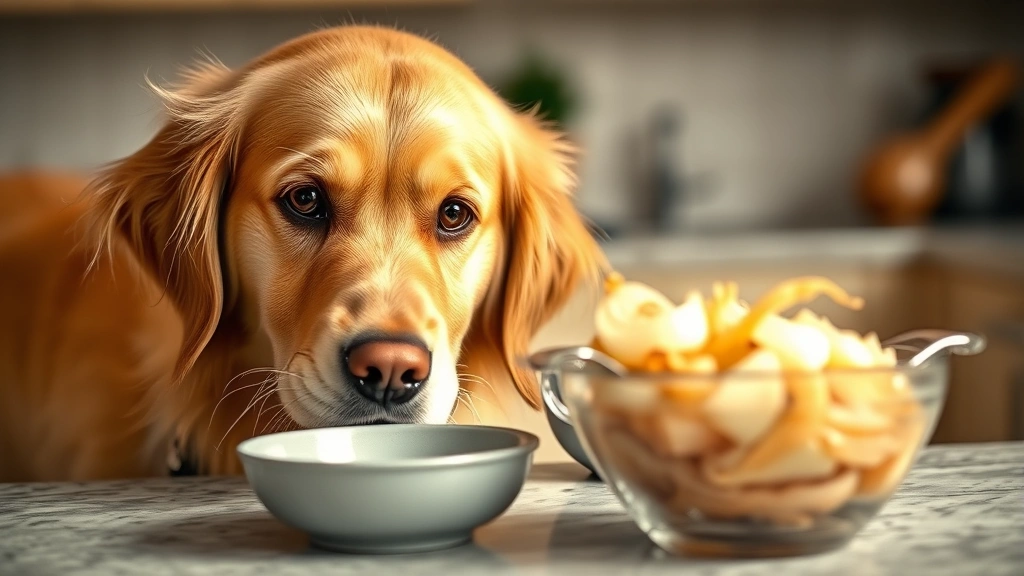
Are Cooked Onions Bad for Dogs? Safety Insights
As a dog owner, you’ve probably wondered about what foods are safe to share with your furry companion. One question that comes up frequently in pet households is whether cooked onions are dangerous for dogs. The short answer is yes—cooked onions are bad for dogs, just like raw onions. While cooking may break down some of the onion’s structure, it doesn’t eliminate the toxic compounds that make onions hazardous for our canine friends.
Understanding the risks associated with onions is crucial for keeping your dog healthy and preventing accidental poisoning. Whether onions are baked, boiled, grilled, or sautéed, they retain their toxic properties and can cause serious health issues in dogs of all sizes and ages. This comprehensive guide will help you understand exactly why cooked onions pose a threat to your dog’s wellbeing and what steps you should take if your pet accidentally consumes them.
Let’s dive into the science behind onion toxicity in dogs and explore everything you need to know to keep your beloved pet safe from this common household ingredient.
Why Are Onions Toxic to Dogs?
Onions contain compounds called thiosulfates, which are the primary culprits behind their toxicity to dogs. These sulfur-containing molecules are toxic to canine red blood cells and cause a condition called hemolytic anemia. When a dog ingests onions, the thiosulfates damage the membranes of red blood cells, causing them to rupture and break down. This process is called hemolysis, and it can lead to serious and potentially life-threatening complications.
The concentration of thiosulfates in onions is relatively high compared to many other plants, making onions particularly dangerous for dogs. According to veterinary research, the Merck Veterinary Manual indicates that onions pose a significant toxicity risk to dogs and other pets. The toxin affects dogs differently than it affects humans because canine metabolism processes these compounds differently, making them far more susceptible to their harmful effects.
What makes this particularly concerning is that the thiosulfates don’t just exist in the onion flesh itself—they’re distributed throughout the entire onion, including the layers, the core, and even the outer skin. This means that no matter how you prepare an onion or which part your dog consumes, the toxic compounds are present.
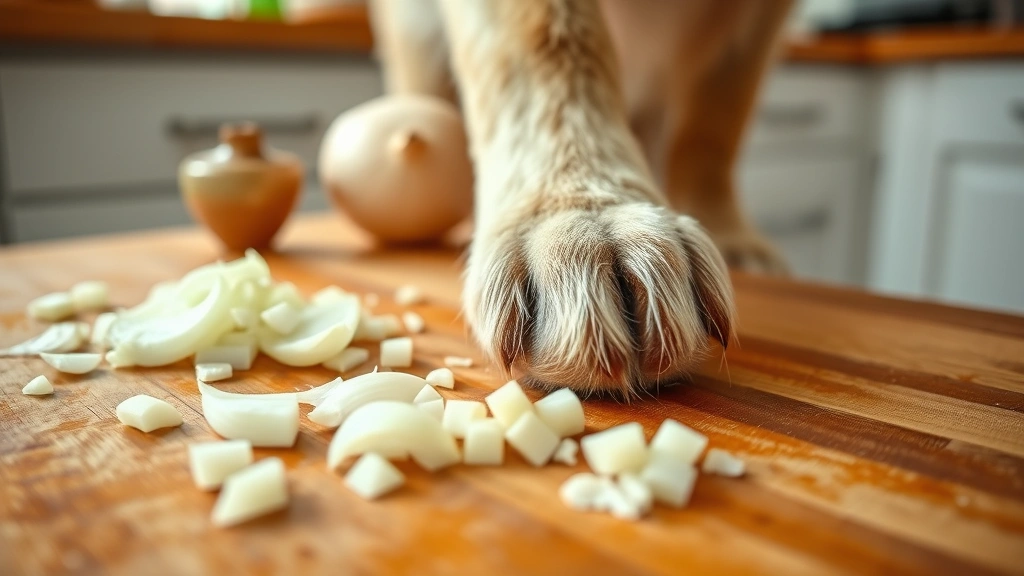
The Cooking Myth: Does Heat Change Anything?
Many pet owners mistakenly believe that cooking onions somehow neutralizes their toxins. This is a dangerous misconception that could put your dog’s health at risk. Cooking does not break down thiosulfates in a way that eliminates their toxicity to dogs. In fact, some research suggests that cooking can actually concentrate these compounds, making cooked onions potentially more dangerous than raw ones in certain situations.
When you cook an onion, you’re breaking down the cell structure and releasing the thiosulfates into the cooking medium, whether that’s oil, water, or another liquid. This means that not only is the onion itself toxic, but any food cooked with onions can also contain harmful thiosulfate residue. Soups, stews, casseroles, and other dishes that contain cooked onions all pose a risk to your dog.
To understand this better, it’s helpful to know that cooked onions retain their toxic properties throughout the cooking process. Whether an onion is raw, boiled, baked, grilled, or sautéed, the fundamental chemical structure that makes it toxic to dogs remains unchanged. The heat doesn’t neutralize the thiosulfates—it just alters the texture and flavor of the onion while leaving the dangerous compounds intact.
This is why it’s essential to keep all onion-containing dishes away from your dog, including foods that might not obviously contain onions. Many prepared foods, sauces, and seasonings contain onion powder or dehydrated onions, which are even more concentrated forms of the toxic compounds.
Symptoms of Onion Poisoning
If your dog has ingested cooked onions, it’s critical to know the warning signs of onion poisoning. Symptoms typically appear within a few hours to several days after consumption, depending on the amount ingested and your dog’s individual sensitivity. Early recognition of these symptoms can make a significant difference in your dog’s recovery.
Common symptoms of onion toxicity in dogs include:
- Vomiting and diarrhea – Often the first signs of digestive upset
- Lethargy and weakness – Your dog may seem unusually tired or reluctant to move
- Pale gums – Indicating reduced red blood cell count
- Shortness of breath – A sign of respiratory distress related to anemia
- Dark-colored urine – May indicate the breakdown of red blood cells
- Loss of appetite – Your dog may refuse to eat
- Abdominal pain – Your dog may exhibit signs of discomfort or bloating
- Jaundice – A yellowing of the eyes, gums, and skin in severe cases
The severity of symptoms depends on several factors, including the amount of onion consumed, the size of your dog, and whether your dog has any pre-existing health conditions. Even a small amount of onion can hurt your dog, though larger amounts typically cause more severe reactions.
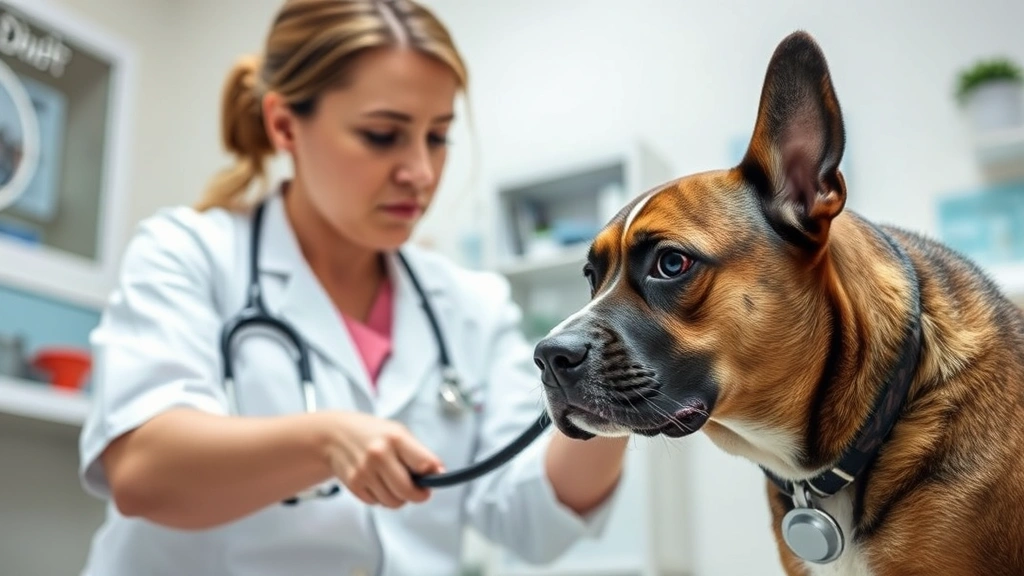
Some dogs may develop hemolytic anemia, which is a serious condition where the body destroys red blood cells faster than it can replace them. This condition requires immediate veterinary attention and can become life-threatening if left untreated.
Is There a Safe Amount?
This is perhaps one of the most important questions for dog owners to understand: there is no truly safe amount of onion for dogs. While toxicity levels can vary based on a dog’s size and individual sensitivity, veterinarians universally recommend that dogs should not consume any amount of onions, cooked or raw.
Research has shown that onion toxicity in dogs occurs at relatively low doses. Studies indicate that as little as 0.5% of a dog’s body weight in onions can cause toxic effects. For a 10-pound dog, this means that just a small amount—roughly equivalent to a few bites—could potentially trigger poisoning. Larger dogs may tolerate slightly more before showing symptoms, but this doesn’t mean it’s safe to feed them onions.
The challenge is that toxicity responses can be unpredictable. Two dogs of the same size might have different reactions to the same amount of onion, depending on their individual metabolism, age, and overall health. Some dogs may show symptoms after consuming just a small quantity, while others might not show obvious signs immediately. This unpredictability is why the safest approach is complete avoidance.
It’s also important to understand that dogs shouldn’t eat onions in any form, whether whole, chopped, powdered, or dehydrated. Onion powder is particularly concerning because it’s a concentrated form of the toxic compound, meaning a small amount of powder contains more thiosulfates than a larger piece of fresh onion.
What to Do if Your Dog Eats Cooked Onions
If you discover that your dog has consumed cooked onions, don’t panic—but do act quickly. The first step is to determine how much your dog ate and when the consumption occurred. This information will be valuable when you contact your veterinarian.
Here’s what you should do:
- Contact your veterinarian immediately – Even if your dog hasn’t shown symptoms yet, professional guidance is essential. Your vet can assess the situation based on your dog’s size, weight, and the amount of onion consumed.
- Have information ready – Know approximately how much cooked onion your dog ate, when it happened, and any symptoms you’ve noticed.
- Don’t induce vomiting without professional advice – While inducing vomiting might seem helpful, it can sometimes cause more harm, especially if time has passed since ingestion.
- Monitor your dog closely – Watch for any of the symptoms mentioned earlier, and report them to your veterinarian.
- Consider poison control – If your vet is unavailable, you can contact the ASPCA Animal Poison Control Center for guidance.
Treatment for onion poisoning typically involves supportive care and may include IV fluids, blood transfusions in severe cases, and medications to manage symptoms. The prognosis is generally good if treatment is started early, but severe cases of hemolytic anemia can be fatal.
This situation is similar to what you’d need to do if your dog consumed other toxic substances. For example, knowing what to do if your dog eats chocolate involves similar emergency response steps. The key is recognizing the danger and seeking professional help immediately.
Prevention Strategies for Pet Owners
The best way to protect your dog from onion poisoning is to prevent exposure in the first place. This requires awareness and diligence in managing what your dog has access to in your home.
Kitchen Safety
Keep onions stored securely in a cupboard or pantry where your dog cannot access them. Be especially careful when preparing meals—never leave chopped onions unattended on countertops where a curious dog might grab them. When cooking, ensure that your dog is in a separate room or confined area so they can’t sneak food scraps from the kitchen floor.
Food Awareness
Educate yourself about which prepared foods contain onions or onion powder. Many commercial dog treats, some canned foods, and human foods contain hidden onions. Always read ingredient labels carefully. If you’re unsure whether a food contains onions, don’t give it to your dog.
Related Toxic Foods
Onions aren’t the only toxic food in your kitchen. Dogs shouldn’t eat garlic, which contains similar toxic compounds. Additionally, understanding which foods are toxic to dogs in general will help you create a safer environment for your pet. Chocolate, grapes, raisins, and certain artificial sweeteners are also dangerous.
Guest and Family Education
Make sure everyone in your household and any visitors understand that onions are toxic to dogs. Children should be taught never to share human food with the dog without permission, and guests should be informed of your pet’s dietary restrictions.
Trash Management
Secure your trash can so your dog cannot access discarded onion skins, leftover food scraps, or cooking waste. Many cases of onion poisoning occur when dogs get into the trash.
Frequently Asked Questions
Can dogs eat a tiny piece of cooked onion?
No, dogs should not eat any amount of cooked onion, no matter how small. While a tiny piece might not cause severe symptoms in a large dog, there’s no guarantee of safety, and toxicity responses are unpredictable. The safest approach is complete avoidance. Any exposure to onions, even minimal amounts, carries potential risk.
Are some types of cooked onions safer than others?
No. All varieties of onions—white onions, yellow onions, red onions, and sweet onions—contain thiosulfates and are toxic to dogs regardless of type or how they’re prepared. Cooking method doesn’t matter either; boiled, baked, grilled, or sautéed onions are all dangerous.
What if my dog ate food cooked with onions but didn’t eat the onion pieces?
Even if your dog didn’t consume the actual onion pieces, they may have ingested thiosulfates that leached into the cooking medium or other ingredients. The entire dish is potentially problematic. Monitor your dog for symptoms and contact your veterinarian if you’re concerned.
How long after eating onions do symptoms appear?
Symptoms can appear anywhere from a few hours to several days after onion consumption. The timeline depends on the amount eaten, your dog’s size, and individual factors. Some dogs show immediate signs like vomiting, while others develop symptoms more gradually as hemolytic anemia develops.
Is onion powder more dangerous than fresh cooked onions?
Onion powder is indeed more concentrated and potentially more dangerous than fresh onions because a small amount of powder contains more thiosulfates than a larger piece of fresh onion. Many commercial pet foods and treats containing onion powder have caused poisoning cases.
What’s the difference between onion toxicity and garlic toxicity in dogs?
While both onions and garlic contain thiosulfates and are toxic to dogs, garlic is generally considered more potent. However, this doesn’t make onions safe—both should be completely avoided. The mechanism of toxicity is similar, affecting red blood cells and potentially causing hemolytic anemia.
Can a dog recover from onion poisoning?
Yes, many dogs recover from onion poisoning with prompt veterinary treatment. The prognosis depends on the amount consumed, how quickly treatment was started, and the severity of the resulting anemia. Early intervention significantly improves outcomes, but severe cases can be fatal if left untreated.
Should I induce vomiting if my dog ate cooked onions?
Do not induce vomiting without professional veterinary guidance. Depending on how long ago the onion was consumed, inducing vomiting could cause additional harm. Always contact your veterinarian or poison control for specific instructions based on your individual situation.





