
Is a Dog’s Mouth Cleaner Than a Human’s? Facts Revealed
You’ve probably heard it before—that old saying about how a dog’s mouth is cleaner than a human’s. It’s one of those pet myths that gets repeated so often that most people accept it as gospel truth. But is there any scientific basis for this claim, or is it just another urban legend that’s been perpetuated by dog lovers for generations?
The short answer is: no, a dog’s mouth is not cleaner than a human’s mouth. In fact, the opposite is often true. Dogs’ mouths contain a different ecosystem of bacteria, and while they may have some natural antimicrobial properties, they’re far from being cleaner than human mouths. This misconception has led many dog owners to feel comfortable with their pets licking their faces or sharing food, which might not be the best idea from a hygiene perspective.
Let’s dive deep into the science behind this claim and explore what’s really happening in your dog’s mouth, how it compares to human oral hygiene, and what you should know about the bacteria lurking in there.
The Bacterial Reality of Dog Mouths
Dogs’ mouths are home to a complex microbiome containing hundreds of different bacterial species. While humans and dogs share some bacterial strains, the overall composition and concentration are quite different. Research has identified over 600 different bacterial species in dog mouths, and not all of them are harmless.
The pH level in a dog’s mouth is more neutral than a human’s, which actually creates a different environment for bacterial growth. A dog’s saliva has a pH of around 6.2-7.0, compared to the human mouth which is more acidic at around 6.7-7.3. This difference means that different types of bacteria thrive in each environment. Dogs don’t naturally produce as much saliva as humans do, and their saliva lacks some of the protective enzymes that human saliva contains.
One common misconception is that dog saliva has powerful healing properties. While saliva does contain some antibacterial compounds like lysozyme and lactoferrin, these are present in much higher concentrations in human saliva. Why does my dog’s breath stink is a question many owners ask, and the answer lies partly in the types of bacteria flourishing in their oral cavity.
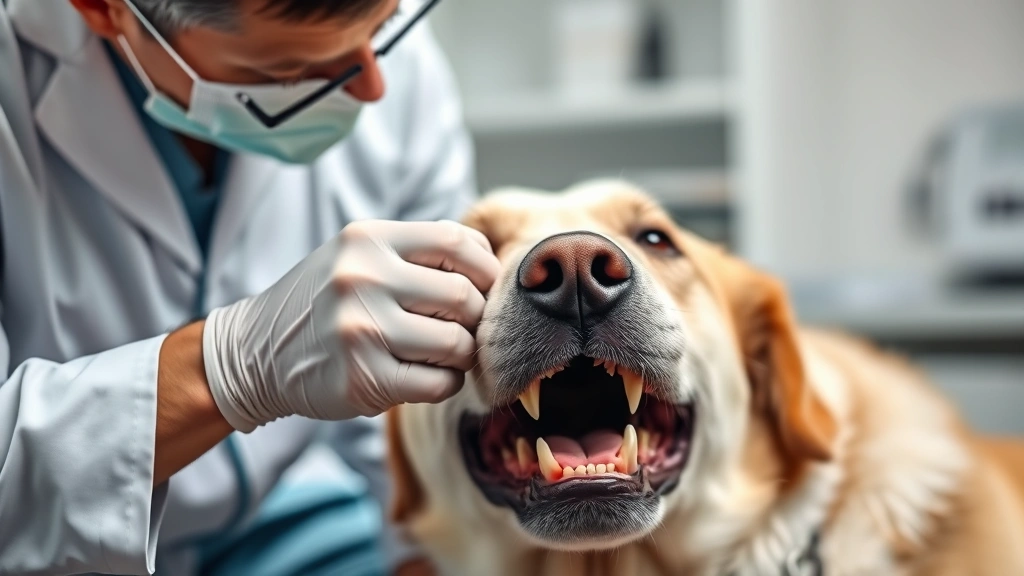
How Dog Mouths Compare to Human Mouths
When we compare the cleanliness of dog mouths to human mouths, we need to consider several factors: bacterial load, pathogenic bacteria presence, and overall oral hygiene potential. While humans are susceptible to cavities from sugar consumption and acid production, dogs have different dental challenges.
Dogs rarely get cavities because their diet (especially in the wild) doesn’t contain the refined sugars that promote cavity formation in humans. However, they’re much more prone to tartar buildup and periodontal disease. Studies show that by age three, approximately 80% of dogs have some form of dental disease. This is significantly higher than the percentage of humans with untreated cavities or gum disease.
The bacteria in a dog’s mouth includes species like Porphyromonas and Prevotella, which are anaerobic bacteria that can cause infections if they enter the human bloodstream through cuts or wounds. These pathogens are less common in human mouths and can pose real health risks when dogs lick open wounds or broken skin.
Human mouths, by contrast, have evolved sophisticated defenses including saliva enzymes, immune cells, and a balanced pH that actively fights infection. When humans brush and floss regularly, they maintain oral hygiene that dogs simply cannot achieve on their own. This is why is a dog’s mouth cleaner than a human’s has such a definitive answer in the scientific literature.
Do Dogs Have Natural Antimicrobial Properties?
This is where the myth gains some traction. Dog saliva does contain antimicrobial compounds, but they’re not as robust as people think. The enzyme lysozyme, which breaks down bacterial cell walls, is present in dog saliva, but in lower concentrations than in human saliva. Similarly, lactoferrin, an iron-binding protein with antibacterial properties, exists in both but is more abundant in human milk and human saliva.
The idea that are dogs mouths cleaner than humans might stem from the observation that dogs seem to recover quickly from oral wounds. However, this has more to do with dogs’ overall robust immune systems and their different wound-healing mechanisms than with their saliva being inherently cleaner or more antimicrobial.
Some research suggests that dog saliva may have mild wound-healing properties, but this doesn’t translate to the mouth being cleaner. In fact, a dog’s tendency to lick wounds can introduce bacteria and delay proper healing. Veterinarians typically recommend preventing dogs from licking their wounds because the bacteria in their saliva can actually impede recovery.
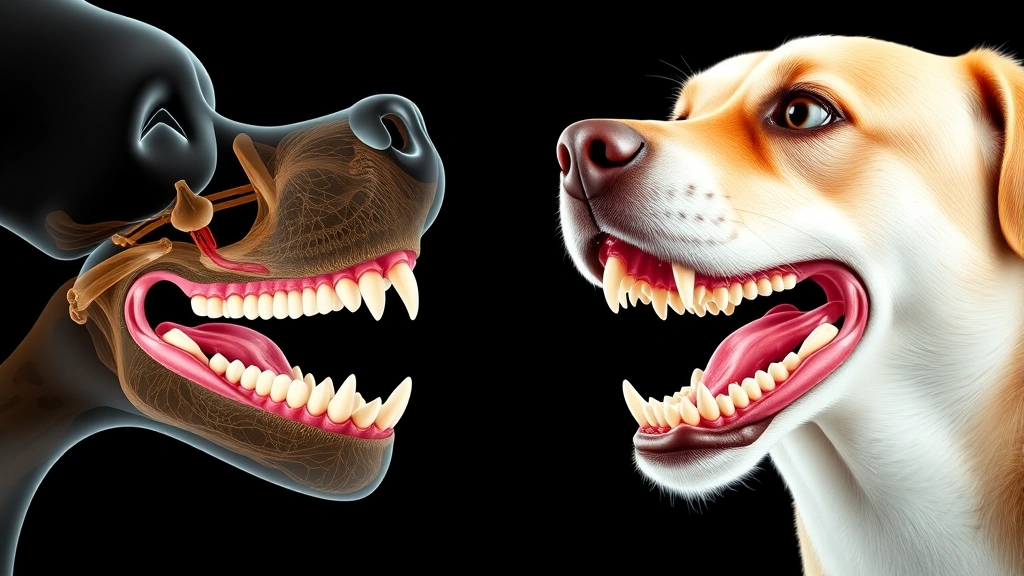
Health Risks of Dog Saliva
Understanding the potential health risks of dog saliva is important for all pet owners. While the risk of serious infection from a dog lick is relatively low for most people, it’s not nonexistent. Several bacterial species found in dog mouths can cause infections in humans, particularly in people with compromised immune systems.
Bacteria like Capnocytophaga canimorsus is found in many dogs’ mouths and can cause serious infections in humans, especially those taking immunosuppressant medications or with asplenia (absence of a functioning spleen). While severe infections are rare, they do occur and can be life-threatening if left untreated.
Salmonella and E. coli have also been isolated from dog mouths, particularly in dogs that consume raw meat diets. These pathogens can spread to human family members through contact with the dog’s saliva or through cross-contamination. This is why why do dogs lick me is more than just a behavioral question—it has real hygiene implications.
The risk is highest when dogs lick people’s faces, especially around the mouth and nose where mucous membranes can provide entry points for bacteria. People with open cuts or wounds should be particularly cautious about allowing their dogs to lick them.
Understanding Bad Dog Breath
If dog mouths were truly cleaner than human mouths, we wouldn’t see so many dogs suffering from bad breath. Bad dog breath is one of the most common complaints veterinarians hear, and it’s usually a sign of bacterial overgrowth or dental disease.
The primary cause of bad breath in dogs is the same thing that causes it in humans: bacteria. Specifically, anaerobic bacteria that produce volatile sulfur compounds create that distinctive unpleasant odor. Dogs’ mouths provide an ideal environment for these bacteria to flourish because of the neutral pH and the difficulty dogs have in maintaining oral hygiene without human intervention.
If you’re wondering about how to get rid of bad dog breath fast, the answer involves addressing the underlying bacterial growth through improved oral hygiene. This might include regular brushing, professional cleanings, and dietary adjustments. The prevalence of bad breath in dogs actually supports the evidence that their mouths harbor more problematic bacteria than human mouths.
Periodontal disease in dogs is a significant health issue that can lead to tooth loss, bone deterioration, and systemic infections. The bacteria involved in this disease can enter the bloodstream and affect the heart, kidneys, and liver. This is why maintaining your dog’s oral health is crucial for their overall wellbeing.
Improving Your Dog’s Oral Health
Since dogs can’t brush their own teeth or floss, maintaining their oral health requires active intervention from their owners. Regular brushing is the gold standard for preventing dental disease and reducing the bacterial load in your dog’s mouth.
Ideally, you should brush your dog’s teeth daily with a dog-specific toothpaste. Human toothpaste contains fluoride and xylitol, which can be toxic to dogs. Dog toothpaste is formulated to be safe if swallowed and often contains enzymes that help reduce plaque and tartar buildup.
Professional dental cleanings performed by a veterinarian are also important. During these cleanings, a vet can remove tartar and plaque buildup that brushing alone can’t address. Many vets recommend professional cleanings every one to three years, depending on the individual dog’s needs and breed predisposition to dental disease.
Diet plays a role in oral health too. Some prescription dental diets are formulated to mechanically clean teeth as the dog chews. Hard kibble can help reduce plaque better than soft food, though it’s not a substitute for brushing. Chew toys and dental treats designed to reduce plaque can also help, though they should be used in conjunction with regular brushing.
Understanding that do dogs like kisses from a health perspective means recognizing that while many dogs tolerate or enjoy facial contact with their owners, it’s not the safest practice from a hygiene standpoint. If you do kiss your dog, avoid contact with their mouth, and always wash your hands afterward.
Regular veterinary checkups should include oral examinations. Your vet can catch early signs of dental disease and recommend appropriate treatment before problems become severe. Some dogs are more prone to dental issues than others, and your vet can provide breed-specific guidance.
Frequently Asked Questions
Is it safe to let my dog lick my face?
While the risk of serious infection is low for most healthy people, it’s not risk-free. Dogs’ mouths contain bacteria that can cause infections, particularly if you have open cuts or a compromised immune system. It’s safer to discourage your dog from licking your face and always wash your hands after dog contact. If your dog does lick your face, wash the area with soap and water.
Can a dog’s saliva heal wounds?
While dog saliva does contain some antimicrobial compounds, modern research doesn’t support the idea that it’s particularly healing for wounds. In fact, allowing a dog to lick wounds can introduce bacteria and potentially delay healing. It’s better to clean wounds yourself and keep your dog from licking them.
Why do dogs have better breath than some humans?
Some dogs may have fresher breath than some humans, but this is usually due to diet rather than inherent mouth cleanliness. Dogs that eat fresh, whole foods and have good oral hygiene may have better breath than humans who consume sugar, smoke, or neglect their teeth. It’s not that dog mouths are cleaner—it’s that individual variation exists in both species.
What’s the most common mouth bacteria in dogs?
Dogs commonly harbor bacteria like Pasteurella multocida, Porphyromonas species, and Prevotella species. These are normal flora in dog mouths but can cause infections in humans if they enter through wounds or broken skin.
How often should I brush my dog’s teeth?
Ideally, you should brush your dog’s teeth daily, just like you do your own. If daily brushing isn’t feasible, aim for at least three to four times per week. Any regular brushing is better than none, and even occasional brushing can help reduce plaque and tartar buildup.
Are certain dog breeds more prone to bad breath?
Yes, some breeds are more susceptible to dental disease than others. Small breeds like Chihuahuas, Yorkshire Terriers, and Dachshunds tend to have more dental problems due to crowded teeth. Brachycephalic breeds (flat-faced dogs) also commonly experience dental issues. Regardless of breed, regular oral care is essential.
Can diet affect my dog’s breath?
Absolutely. Dogs that eat high-quality, whole-food diets typically have better breath than those eating low-quality commercial foods. Raw or fresh diets may provide better oral health benefits, though they should be nutritionally balanced. Avoid feeding your dog table scraps, which can contribute to bad breath and dental problems.





