
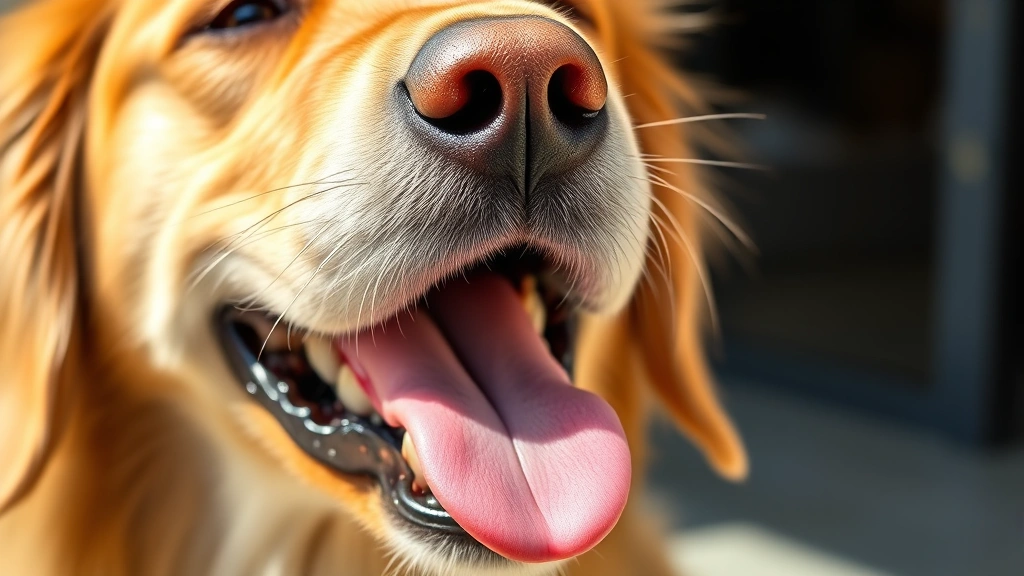
Are Dogs’ Mouths Really Clean? What Experts Say
There’s a common myth that a dog’s mouth is cleaner than a human’s mouth. Many dog owners have heard this claim at some point, often used to justify letting their furry friend lick their face or share their food. But is there any truth to this popular belief? The answer might surprise you—and it’s more nuanced than a simple yes or no.
Dogs are beloved companions, and their affectionate nature often includes plenty of licking and mouth-to-face contact with their owners. However, understanding the actual cleanliness of a dog’s mouth is important for both your pet’s health and your own. In this comprehensive guide, we’ll explore what scientific research reveals about canine oral hygiene, debunk some persistent myths, and provide practical advice for keeping your dog’s mouth as healthy as possible.
Whether you’re a new dog owner wondering if it’s safe to let your pup kiss your face or a seasoned pet parent concerned about your dog’s dental health, this article will give you the evidence-based answers you need.
The Myth vs. Reality
The claim that dogs’ mouths are cleaner than humans has persisted for decades, appearing in conversations, movies, and even some older pet care books. But where did this myth originate? Most experts believe it stems from a misunderstanding of how dog saliva works and a general lack of scientific scrutiny about canine oral health.
The truth is more complicated. While dog saliva does have some antimicrobial properties, this doesn’t mean a dog’s mouth is cleaner overall. In fact, research suggests the opposite may be true. Dogs’ mouths contain a diverse array of bacteria, some beneficial and some potentially harmful. The distinction between whether a dog’s mouth is cleaner than a human’s comes down to specific types of microorganisms rather than cleanliness as a whole.
According to veterinary dental specialists and microbiologists, the persistent belief that dogs have cleaner mouths than humans is largely unfounded. Dogs don’t brush their teeth, they eat raw meat and scavenge, and their mouths harbor bacteria that would be considered problematic in human oral hygiene standards.
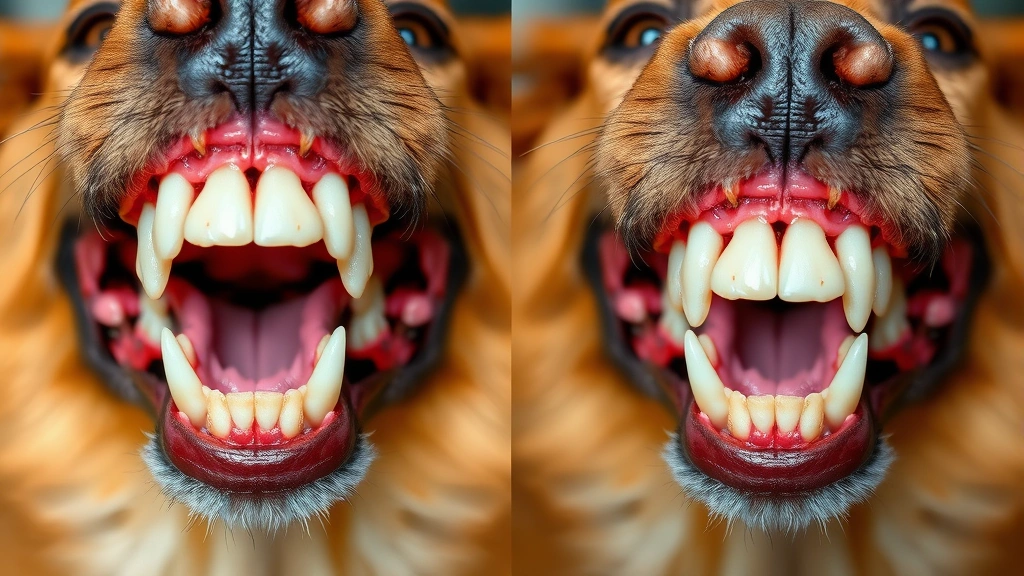
Bacteria and Microorganisms in Dog Mouths
To understand whether dogs’ mouths are actually clean, we need to examine what’s living in there. A dog’s mouth is home to hundreds of different species of bacteria. Some of these bacteria are commensal, meaning they live in the mouth without causing harm. Others can be pathogenic under certain circumstances.
Research published in veterinary microbiology journals has identified numerous bacteria in canine oral cavities, including species of Streptococcus, Staphylococcus, and Pasteurella. While these bacteria are normal inhabitants of a dog’s mouth, they can pose risks to humans if transferred through saliva, particularly for individuals with compromised immune systems.
The American Veterinary Medical Association has documented that dog saliva can transmit bacteria such as Capnocytophaga canimorsus and Pasteurella multocida, which can cause infections in humans. This is particularly important to understand if you have young children, elderly family members, or anyone with immunocompromising conditions in your home.
Dogs also consume items that humans typically don’t—raw meat, feces, garbage, and other debris. This means their oral microbiome is exposed to a much wider variety of potentially harmful microorganisms than human mouths typically encounter. The self-cleaning properties of saliva simply cannot overcome this exposure difference.
Why Dogs’ Mouths Are Different from Humans
Understanding why dogs’ mouths differ from human mouths helps explain why the cleanliness myth persists and why it’s ultimately misleading. There are several key biological differences:
- Saliva Composition: Dog saliva has a different pH balance and enzymatic composition than human saliva. While it does contain lysozyme, an antimicrobial enzyme, this doesn’t make it “cleaner” overall—just differently adapted.
- Dental Structure: Dogs have different tooth shapes and spacing than humans, which affects how effectively they can clean their teeth naturally. Their carnivorous teeth are designed for tearing, not grinding like human molars.
- Diet: Dogs are facultative carnivores and opportunistic eaters. They consume raw meat, bones, and scavenge items that expose their mouths to microorganisms humans typically avoid.
- Oral Hygiene Practices: Humans brush and floss regularly; dogs do not. This fundamental difference in oral care cannot be overlooked when comparing mouth cleanliness.
- Bacterial Flora: The specific bacterial communities in dog mouths are distinct from human oral microbiomes and include species that are either rare or absent in human mouths.
These differences don’t make one mouth inherently “cleaner” than the other—they’re simply adapted to each species’ evolutionary history and dietary needs.
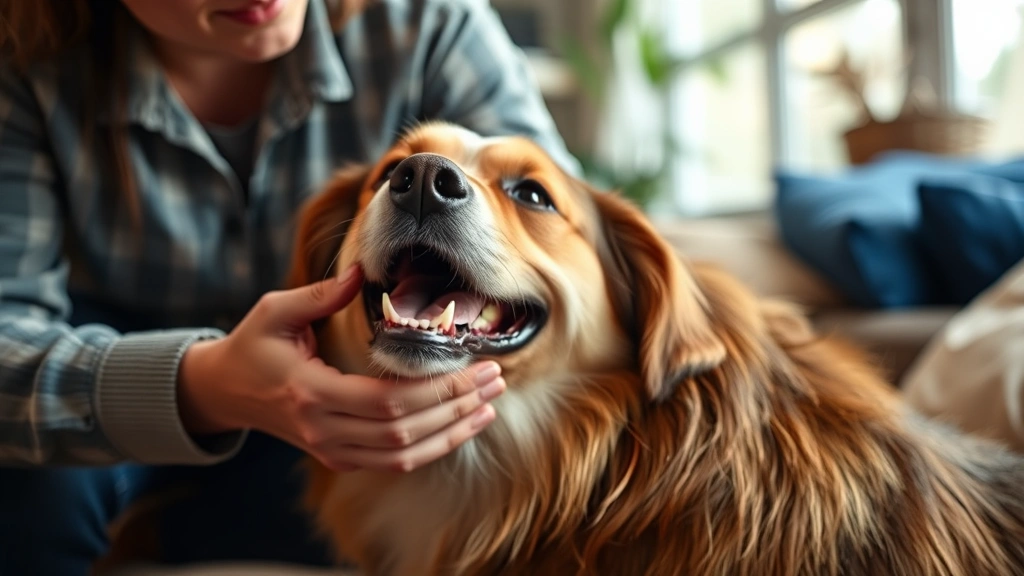
Health Implications and Safety Concerns
Now that we understand the reality of dogs’ mouths, let’s discuss what this means for your health and your pet’s wellbeing. If you’ve ever wondered whether it’s safe to let your dog lick your face or share food, these health implications are important to consider.
For most healthy adults, occasional contact with dog saliva poses minimal risk. The human skin barrier and immune system are generally effective at preventing infection from typical dog mouth bacteria. However, this doesn’t mean there’s no risk at all. Several scenarios warrant extra caution:
- Immunocompromised Individuals: People undergoing chemotherapy, living with HIV/AIDS, or taking immunosuppressive medications should avoid dog saliva exposure, as they’re more susceptible to infections from opportunistic bacteria.
- Young Children: Infants and toddlers have developing immune systems and are more vulnerable to infections. Their hands-to-mouth behavior also increases exposure risk.
- Open Wounds: Never allow dog saliva to contact open cuts, wounds, or abrasions. Bacteria from a dog’s mouth can cause serious infections in open areas.
- Oral Contact: Sharing food or allowing mouth-to-mouth contact carries higher transmission risk than other types of contact.
Understanding why your dog’s breath might smell can also indicate oral health issues. Bad breath often signals bacterial overgrowth or dental disease, which are separate from the cleanliness question but equally important for your dog’s health.
Proper Dental Care for Dogs
Since we’ve established that dogs’ mouths aren’t inherently clean and require attention, let’s discuss how to maintain good oral health for your canine companion. Just like humans, dogs benefit tremendously from regular dental care.
Professional Dental Cleanings: The American Animal Feed Control Officials and veterinary dental associations recommend professional dental cleanings performed by veterinarians. These cleanings remove tartar and plaque buildup that brushing alone cannot eliminate. Most dogs benefit from professional cleanings every 1-3 years, depending on breed and individual risk factors.
At-Home Brushing: Daily tooth brushing is the gold standard for maintaining canine dental health. Use a dog-specific toothbrush and toothpaste—never use human toothpaste, as it can be harmful to dogs. Even brushing 3-4 times weekly provides significant benefits.
Dental Treats and Toys: Specially designed dental chews and toys can help reduce plaque accumulation. Look for products that carry the Veterinary Oral Health Council seal of approval, which indicates the product has been tested and proven effective.
Diet Considerations: Feeding high-quality dog food and avoiding excessive table scraps can support oral health. Some prescription diets are specifically formulated to promote dental health through their texture and composition.
Regular Veterinary Exams: Your veterinarian should examine your dog’s mouth during annual wellness visits. Early detection of dental disease prevents more serious complications and expensive treatments down the road.
If you’re concerned about how to get rid of bad dog breath quickly, professional veterinary evaluation is the first step. Bad breath can indicate tartar buildup, gum disease, or other oral health issues requiring professional treatment.
Best Practices for Safe Interaction
Understanding that dogs’ mouths aren’t as clean as the myth suggests doesn’t mean you can’t enjoy affectionate interactions with your pet. It simply means being mindful and following best practices for safe contact.
Face Licking: While occasional face licking from your dog is unlikely to cause harm in healthy adults, limiting this behavior is wise. If your dog loves to lick, redirect them to other forms of affection like petting or playing. This is especially important if you have vulnerable household members.
Hand Hygiene: After your dog licks your hands or you touch their mouth area, wash your hands thoroughly with soap and warm water. This simple step significantly reduces any potential bacterial transfer.
Food Sharing: Avoid sharing food or utensils with your dog. Use separate dishes and feeding utensils. This prevents bacterial transmission and also helps maintain appropriate feeding boundaries.
Wound Protection: If you have any cuts, scratches, or skin conditions, keep them away from your dog’s mouth and saliva. Cover wounds appropriately and inform your doctor if you experience infection symptoms following dog exposure.
Understanding Licking Behavior: If you’re curious about why your dog licks you, it’s typically a sign of affection or attention-seeking rather than an attempt to clean you. This natural behavior is part of canine communication, and understanding its motivation can help you respond appropriately.
Teach Children Early: Educate children about appropriate interactions with dogs. Teach them not to put their faces near a dog’s mouth and to wash their hands after petting. These habits protect both the child and the dog.
Frequently Asked Questions
Is a dog’s saliva actually antibacterial?
Dog saliva does contain some antimicrobial compounds, including lysozyme and lactoferrin. However, these compounds don’t make a dog’s mouth “clean.” The presence of antimicrobial properties doesn’t eliminate the diverse bacterial population in a dog’s mouth or prevent the transmission of harmful bacteria to humans. Think of it this way: your human saliva also has antimicrobial properties, but that doesn’t mean your mouth is sterile or that you should share food without concern.
Can I get sick from my dog licking me?
For most healthy adults, the risk of getting sick from a dog lick is low. However, certain bacteria found in dog mouths can cause infections, particularly in immunocompromised individuals, young children, or people with open wounds. The CDC recommends practicing good hygiene after contact with dogs to minimize any potential risk.
What’s the best way to clean my dog’s teeth?
Daily brushing with a dog-specific toothbrush and toothpaste is the most effective at-home method. Professional dental cleanings by a veterinarian are also essential for removing tartar and addressing any underlying dental disease. Dental treats approved by the Veterinary Oral Health Council can supplement these efforts.
How often should my dog have professional dental cleanings?
The frequency depends on your individual dog’s oral health, breed predisposition, and age. Most dogs benefit from professional cleanings every 1-3 years. Small breeds and older dogs may need more frequent cleanings. Your veterinarian can recommend the appropriate schedule for your pet.
What are signs of dental disease in dogs?
Watch for bad breath, red or swollen gums, loose or missing teeth, difficulty eating, excessive drooling, or pawing at the mouth. These signs warrant a veterinary dental examination. Early intervention prevents more serious complications and discomfort for your dog.
Are there any dog breeds more prone to dental problems?
Yes, smaller breeds like Chihuahuas, Yorkshire Terriers, and Dachshunds are more prone to dental disease due to their smaller mouths and crowded teeth. Older dogs also experience more dental issues. Regular dental care is particularly important for these at-risk groups.
Can dental disease in dogs affect their overall health?
Absolutely. The American Veterinary Medical Association notes that dental disease can lead to infections that spread to the heart, kidneys, and liver. Maintaining good oral health is crucial for your dog’s overall wellbeing and longevity.
Is it safe to let my dog lick my face?
For healthy adults with no open wounds, occasional face licking is unlikely to cause serious harm. However, it’s not recommended for young children, elderly family members, or immunocompromised individuals. It’s also wise to limit this behavior and maintain good hygiene practices afterward.





